Rinse Wastewater Treatment Systems 2026: Engineering Specs, Cost Models & Zero-Discharge Compliance Guide
Rinse wastewater treatment systems in 2026 require tailored engineering to balance high-volume flows (50–1,000 m³/h) with low contaminant loads (TSS <500 mg/L). Hybrid systems combining dissolved air flotation (DAF), reverse osmosis (RO), and membrane bioreactors (MBR) achieve 95%+ water recovery and meet EPA/EU discharge limits (e.g., COD <125 mg/L, TSS <30 mg/L). CAPEX ranges from $80,000 for small chemical dosing units (5–20 m³/h) to $2.5M for large MBR systems (100–500 m³/h), with OPEX averaging $0.50–$2.00/m³. Key cost drivers include membrane replacement ($15–$30/m²/year for MBR) and chemical dosing ($0.10–$0.30/m³). The increasing demand for water reuse and stricter environmental regulations are driving innovation in these systems, pushing for higher efficiency and lower environmental impact.
Why Rinse Wastewater Treatment Costs More Than Process Wastewater (And How to Optimize It)
Rinse wastewater, despite its often low contaminant concentration, presents unique treatment challenges that can significantly inflate total ownership costs for industrial facilities. Unlike highly concentrated process wastewater streams, rinse water is characterized by its exceptionally high volume, typically ranging from 50 to 1,000 m³/h in large manufacturing plants, paired with relatively low levels of total suspended solids (TSS <500 mg/L). This disparity makes conventional treatment methods, such as activated sludge, economically inefficient due to the high energy input required for aeration and the excessive chemical dosage needed for minimal contaminant removal. Data from EPA 2024 indicates that dissolved air flotation (DAF) systems, utilizing micro-bubble technology, can achieve 92–97% TSS removal from rinse water streams with significantly reduced chemical consumption compared to traditional methods. The high energy costs associated with aeration in biological treatment systems are prohibitive for low-COD rinse water; therefore, membrane bioreactors (MBR) with submerged membranes (0.1 μm pore size) offer a more energy-efficient solution for this specific application. A metal finishing plant, for instance, reduced its operational expenditure from $1.80/m³ to $0.75/m³ by transitioning from chemical dosing to a DAF-RO hybrid system, as reported by HydropureWater field data in 2025, demonstrating the cost-optimization potential of advanced technologies. Optimizing rinse water treatment involves a strategic selection of technologies that can handle high flow rates efficiently while effectively removing the specific contaminants present, often through a multi-barrier approach.
Engineering Specs for Rinse Wastewater Treatment Technologies: DAF, RO, MBR, and Hybrid Systems
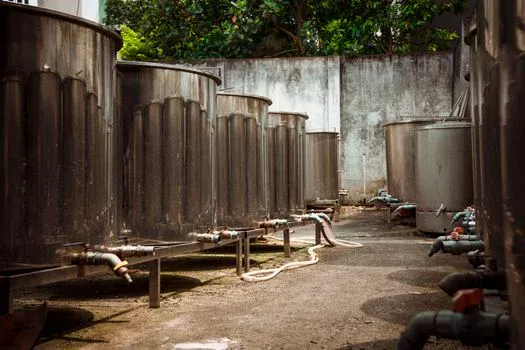
Selecting the appropriate rinse wastewater treatment technology necessitates a thorough understanding of each system's engineering specifications to ensure optimal performance and cost-effectiveness. Dissolved Air Flotation (DAF) systems are crucial for initial solids removal, with typical surface loading rates of 5–10 m/h and micro-bubble sizes ranging from 20–50 μm, achieving 92–97% TSS removal at influent concentrations of 50–500 mg/L. HydropureWater's DAF models, for example, offer flow rates from 4 to 300 m³/h with CAPEX ranging from $45,000 to $450,000. Reverse Osmosis (RO) systems are vital for achieving high water purity, characterized by membrane flux rates of 15–25 LMH for rinse water applications, recovery rates of 90–95%, and TDS rejection exceeding 99%. However, RO systems are susceptible to fouling from oils and grease, underscoring the need for effective pretreatment, such as DAF. Membrane Bioreactor (MBR) systems excel in organic matter removal, operating with mixed liquor suspended solids (MLSS) between 8,000–12,000 mg/L and membrane flux rates of 10–20 LMH, with energy consumption typically between 0.4–0.8 kWh/m³. HydropureWater's DF series MBR membranes offer robust performance in this regard. Hybrid systems, such as a DAF + RO + MBR sequence, provide a comprehensive solution: DAF removes approximately 95% of TSS, RO rejects over 99% of TDS, and MBR further polishes the effluent, achieving over 90% COD reduction. This multi-stage approach ensures compliance with stringent discharge limits and maximizes water reuse potential. The precise pore size of MBR membranes, often in the 0.01-0.1 μm range, is critical for separating bacteria from treated water, producing an effluent quality suitable for direct reuse or minimal further polishing.
| Technology | Typical Influent TSS (mg/L) | TSS Removal (%) | Typical Influent COD (mg/L) | COD Removal (%) | TDS Rejection (%) | Membrane Pore Size (μm) | Typical Flux (LMH) | Energy Consumption (kWh/m³) |
|---|---|---|---|---|---|---|---|---|
| DAF | 50-500 | 92-97 | N/A | N/A | N/A | N/A | N/A | 0.1-0.3 |
| RO | <10 (post-pretreatment) | >99 | <50 (post-pretreatment) | >95 (for dissolved organics) | >99 | ~0.0001 | 15-25 | 1.0-3.0 |
| MBR | <10 | >99 | 100-1000 | 90-99 | N/A | 0.01-0.1 | 10-20 | 0.4-0.8 |
| DAF + RO | 50-500 | 95+ (DAF) / >99 (RO) | <1000 | >95 (RO) | >99 | ~0.0001 (RO) | 15-25 (RO) | 1.1-3.3 |
| DAF + MBR | 50-500 | 95+ (DAF) / >99 (MBR) | 100-1000 | 90-99 (MBR) | N/A | 0.01-0.1 (MBR) | 10-20 (MBR) | 0.5-1.1 |
| RO + MBR | <10 (post-RO) | >99 | <50 (post-RO) | >95 (MBR) | >99 | 0.01-0.1 (MBR) | 10-20 (MBR) | 1.4-3.8 |
| DAF + RO + MBR | 50-500 | 95+ (DAF) / >99 (RO) / >99 (MBR) | 100-1000 | 90-99 (MBR) | >99 | 0.01-0.1 (MBR) | 10-20 (MBR) | 1.5-4.1 |
For detailed specifications, explore our DAF systems for rinse wastewater pretreatment, high-recovery RO systems for rinse water reuse, and compact MBR systems for rinse wastewater polishing. The selection of appropriate membrane materials, such as polysulfone or PVDF for MBR, and polyamide for RO, also plays a critical role in system longevity and performance.
Cost Breakdown 2026: CAPEX, OPEX, and ROI for Rinse Wastewater Treatment Systems
Understanding the full cost spectrum of rinse wastewater treatment systems is crucial for accurate budgeting and long-term financial planning. Capital expenditures (CAPEX) for industrial systems can range significantly, from approximately $80,000 for basic chemical dosing units designed for flow rates of 5–20 m³/h to upwards of $2.5 million for comprehensive MBR systems capable of handling 100–500 m³/h. Key CAPEX drivers include the required membrane area for RO and MBR systems, the level of automation implemented, and the complexity of pretreatment stages. Operational expenditures (OPEX) typically fall between $0.50 and $2.00 per cubic meter, with primary components being chemical consumption ($0.10–$0.30/m³), energy usage ($0.20–$0.80/m³), and sludge disposal ($0.10–$0.50/m³). For instance, MBR systems, while having a higher initial CAPEX, can reduce OPEX to as low as $0.60/m³ due to their high water recovery rates (up to 90% reuse). Membrane replacement is a significant long-term cost: MBR membranes, such as those in the HydropureWater DF series, incur costs of $15–$30/m²/year and typically last 3–5 years, while RO membranes can range from $50–$100/m²/year with a lifespan of 2–3 years. Calculating the return on investment (ROI) is essential; a common formula for payback period is (CAPEX + Annual OPEX) / (Annual Water Savings + Discharge Fee Avoidance). For a 100 m³/h DAF-RO system with a $1.2 million CAPEX and $0.70/m³ OPEX, achieving 80% water reuse and avoiding $0.50/m³ in discharge fees, the payback period is approximately 4.2 years. Advanced monitoring systems and predictive maintenance can further reduce OPEX by optimizing chemical usage and preventing premature equipment failure.
| System Type | Estimated CAPEX | Estimated OPEX ($/m³) | Key CAPEX Drivers | Estimated Payback Period (Years) |
|---|---|---|---|---|
| Chemical Dosing Unit | $100,000 - $250,000 | $1.50 - $2.00 | Tank size, pumps, automation | N/A (low reuse potential) |
| DAF System | $400,000 - $600,000 | $0.80 - $1.20 | DAF unit size, chemical preparation | 5.0 - 7.0 (with ~30% reuse) |
| RO System (with DAF pretreatment) | $800,000 - $1,500,000 | $0.70 - $1.00 | RO membrane area, pretreatment, pumps | 3.5 - 5.5 (with ~90% reuse) |
| MBR System | $1,000,000 - $1,800,000 | $0.60 - $0.90 | Membrane area, tank volume, aeration | 4.0 - 6.0 (with ~90% reuse) |
| DAF + RO + MBR Hybrid | $1,500,000 - $2,500,000 | $0.50 - $0.80 | Combined system complexity, membrane areas | 3.0 - 4.5 (with ~95% reuse, ZLD) |
Compliance Mapping: Meeting EPA, EU, and Local Discharge Limits for Rinse Wastewater
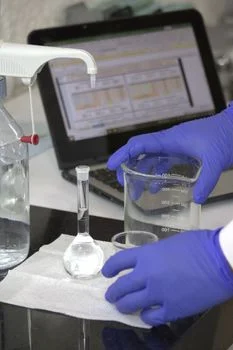
Adherence to stringent environmental regulations is paramount for industrial facilities. The U.S. Environmental Protection Agency (EPA) sets industrial discharge limits under regulations like 40 CFR Part 403, typically requiring TSS below 30 mg/L and COD below 125 mg/L, with a pH range of 6–9. MBR systems are highly effective in meeting these standards, consistently achieving TSS levels below 1 mg/L and COD below 50 mg/L. In the European Union, Directive 91/271/EEC mandates limits for COD at 125 mg/L, BOD at 25 mg/L, and TSS at 35 mg/L. Advanced treatment systems, particularly those incorporating RO and MBR technologies, significantly surpass these requirements. China's national standard GB 8978-1996 sets limits for COD at 100 mg/L and ammonia-nitrogen (NH3-N) at 15 mg/L. MBR systems equipped with anoxic zones can effectively manage NH3-N removal without the need for additional specialized treatment stages, addressing a key compliance challenge. Beyond these broad standards, specific industries face localized regulations. For example, metal finishing operations must comply with EPA 40 CFR Part 433, which includes strict limits for heavy metals, while electronics manufacturing in regions like Taiwan or automotive production in Germany (VDA 230) have their own sets of parameters for discharge. A comprehensive checklist of local requirements is essential for ensuring full compliance. Zero Liquid Discharge (ZLD) systems, often employing evaporation and crystallization technologies in conjunction with RO and MBR, are becoming increasingly important for facilities operating in water-scarce regions or those with extremely strict discharge regulations, aiming to eliminate all liquid waste.
| Standard | Parameter | EPA Limit (mg/L) | EU Directive Limit (mg/L) | China GB Limit (mg/L) | Typical MBR Effluent (mg/L) | Typical RO Effluent (mg/L) |
|---|---|---|---|---|---|---|
| General Industrial Discharge | TSS | 30 | 35 | N/A | <1 | <1 |
| General Industrial Discharge | COD | 125 | 125 | 100 | <50 | <10 |
| General Industrial Discharge | BOD | N/A | 25 | N/A | <5 | N/A |
| Metal Finishing (e.g., EPA 40 CFR Part 433) | Total Chromium | 0.5 (as Cr) | N/A | N/A | <0.05 | <0.01 |
| Metal Finishing (e.g., EPA 40 CFR Part 433) | Nickel | 2.0 (as Ni) | N/A | N/A | <0.2 | <0.05 |
| Electronics Manufacturing (example) | Ammonia Nitrogen | N/A | N/A | 15 | <5 (with anoxic zone) | N/A |
Related Equipment
- PLC-controlled chemical dosing for rinse wastewater pH/ORP adjustment — view specifications, capacity range, and technical data
- HydropureWater DAF Systems — ideal for initial solids and oil removal from high-volume rinse water
- HydropureWater RO Water Purification Systems — for high-purity water recovery and TDS reduction
- HydropureWater MBR Integrated Wastewater Treatment Units — compact and efficient for advanced organic removal and polishing
Need a customized solution? Request a free quote with your specific flow rate and pollutant parameters.
Further Reading
Explore these in-depth articles on related wastewater treatment topics:
- heavy metal wastewater treatment strategies for rinse water with chromium/nickel
- ammonia removal strategies for rinse wastewater in electronics manufacturing
- skid-mounted rinse wastewater treatment systems for rapid deployment
- achieving Zero Liquid Discharge (ZLD) with advanced rinse water treatment