In 2026, Mashhad’s industrial buyers face a critical decision: selecting sewage treatment equipment that meets Iranian DOE Class A limits (BOD ≤30 mg/L, COD ≤60 mg/L) while balancing CAPEX (IRR 5B–200B) and OPEX. With 200,000 m³/day of untreated wastewater discharged into the Kashafrud River—causing a 40% groundwater quality decline since 2018—zero-risk supplier selection is non-negotiable. This guide provides tech-specific specs (MBR vs. DAF vs. activated sludge), Mashhad-adjusted cost models, and a supplier vetting framework to eliminate compliance risks and cost overruns.
Why Mashhad’s Industrial Zones Need Zero-Risk Sewage Treatment Suppliers in 2026
Mashhad’s industrial zones face escalating environmental and regulatory pressures, making the selection of a reliable industrial wastewater treatment supplier a critical business imperative. The Khayyam Industrial Estate, for instance, discharges approximately 80,000 m³/day of wastewater with effluent profiles showing BOD levels between 150–250 mg/L and COD levels between 300–500 mg/L, which are 3 to 5 times higher than the Iranian DOE Class A limits (BOD ≤30 mg/L, COD ≤60 mg/L), according to a 2023 Iranian hospital study. These elevated contaminant levels pose significant risks for any sewage treatment equipment supplier in Mashhad that cannot guarantee compliance.
The consequences of non-compliance are severe and increasingly enforced. Iran’s 2024 Environmental Protection Law has empowered the DOE to levy fines ranging from IRR 100 million to IRR 500 million per offense and, critically, to indefinitely seal non-compliant facilities. This stringent enforcement targets heavy polluters, with 2026 DOE audits specifically focusing on textile and petrochemical plants contributing to kashafrud river pollution. The river's degradation, marked by a 40% decline in local groundwater quality since 2018, underscores the urgency for effective Mashhad industrial wastewater treatment solutions.
Beyond regulatory risks, operational continuity is threatened by inadequate supplier support. A 2025 market analysis by Haft Industrial Group revealed that 60% of Iranian wastewater treatment suppliers lack robust local Mashhad service networks. This deficiency can increase OPEX by 25–35% due to prolonged downtime, higher travel costs for technicians, and delayed spare parts delivery. For industrial buyers, selecting a sewage treatment supplier vetting process that prioritizes local presence and proven DOE compliance is paramount to achieving zero-risk procurement in Mashhad.
Mashhad Sewage Treatment Tech Specs: MBR vs. DAF vs. Conventional Systems
Matching the right sewage treatment technology to specific effluent profiles is crucial for achieving stringent Iranian DOE Class A limits. Each technology—MBR, DAF, and activated sludge—offers distinct advantages in removal efficiencies, footprint, and scalability, making them suitable for different industrial applications in Mashhad.
MBR (Membrane Bioreactor) systems are highly effective for achieving superior effluent quality, consistently delivering COD removal rates of 95–98% and BOD removal rates of 98–99%, with TSS typically below 1 mg/L. This performance reliably meets iran doe class a limits. MBRs also boast a compact footprint, often 60% smaller than conventional activated sludge systems (per DF Series specs), making them ideal for space-constrained sites like the Khayyam Industrial Estate. MBR technology is particularly well-suited for Mashhad’s petrochemical and municipal wastewater, where high-quality effluent and minimal land use are critical.
DAF (Dissolved Air Flotation) systems, such as HydropureWater’s, excel at removing suspended solids, fats, oils, and grease (FOG). DAF units achieve TSS removal rates of 92–97%, FOG removal of 60–80%, and oil/grease removal of 85–95%. This makes them a proven solution for Mashhad’s food processing plants, textile mills, and metalworking facilities, which often deal with high levels of these contaminants. DAF systems operate by introducing fine air bubbles (typically 30–50 μm in size) that attach to particulate matter, floating them to the surface for skimming.
Activated Sludge systems represent a cost-effective solution for treating municipal and low-to-medium strength industrial wastewater. They typically achieve COD removal of 85–92% and BOD removal of 88–95%. However, conventional activated sludge systems (like the WSZ Series) require larger footprints due to the need for secondary clarifiers and often struggle to meet the strict TSS requirements of DOE Class A without tertiary polishing. They are a viable option for industries with ample land and less stringent immediate discharge requirements or as a preliminary treatment stage.
Mashhad’s industrial influent profiles vary significantly: petrochemical facilities typically produce wastewater with high COD and TDS; food processing plants generate high FOG and TSS; and textile operations often discharge wastewater with high color and ammonia. Understanding these specifics is key to selecting the optimal technology, for instance, the superior TSS and FOG removal of DAF systems for Mashhad’s food processing and textile wastewater, or the advanced organic removal capabilities of MBR systems for Mashhad’s petrochemical wastewater.
| Technology | Key Contaminants Handled | BOD Removal Efficiency | COD Removal Efficiency | TSS Removal Efficiency | Footprint Reduction (vs. Activated Sludge) | Ideal Mashhad Application |
|---|---|---|---|---|---|---|
| MBR (Membrane Bioreactor) | Organics, Suspended Solids, Nutrients | 98–99% | 95–98% | >99% (TSS <1 mg/L) | 60% smaller | Petrochemical, High-Tech Manufacturing, Municipal (Khayyam Industrial Estate) |
| DAF (Dissolved Air Flotation) | Fats, Oils, Grease (FOG), Suspended Solids, Colloids | ~60–80% (Pre-treatment) | ~50–70% (Pre-treatment) | 92–97% | Moderate (Skid-mounted options) | Food Processing, Textiles, Metalworking |
| Activated Sludge | Organics, Suspended Solids | 88–95% | 85–92% | ~80–90% (with clarifiers) | Standard | Municipal, Low-Strength Industrial Wastewater (Pre-treatment for higher strength) |
CAPEX Breakdown for Mashhad Sewage Treatment Plants: 2026 Cost Models by Technology
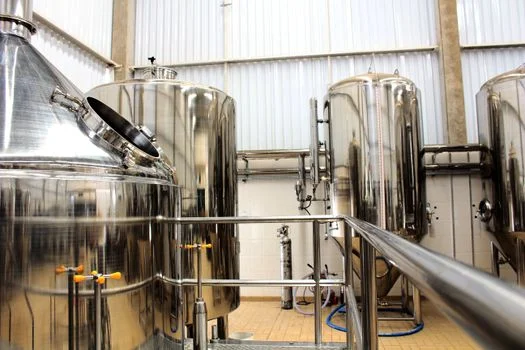
The capital expenditure (CAPEX) for wastewater treatment capex 2026 in Mashhad varies significantly based on technology, capacity, and the specific industrial effluent profile. Understanding these cost models, adjusted for local economic factors, is essential for accurate budgeting.
For MBR systems, the CAPEX typically ranges from IRR 120M–180M per cubic meter per day (m³/day) of treatment capacity. A 500 m³/day MBR plant would therefore cost between IRR 60 billion and IRR 90 billion. This cost includes the specialized membrane modules (e.g., PVDF membranes with a 5-year lifespan) which are a significant component of the overall investment.
DAF systems offer a more moderate CAPEX, ranging from IRR 10M–50M/m³/day. A smaller 50 m³/day DAF system can cost around IRR 5 billion, while a larger 1,000 m³/day system might reach IRR 50 billion. The option of skid-mounted units for Mashhad’s space-constrained sites can further reduce installation costs by approximately 20% due to pre-assembly and reduced on-site construction time.
Activated Sludge systems typically fall within the IRR 45M–75M/m³/day range. A 500 m³/day activated sludge plant would incur CAPEX between IRR 22.5 billion and IRR 37.5 billion. It is important to note that the inclusion of secondary clarifiers, essential for solid-liquid separation, adds an additional IRR 5M–10M/m³/day to the overall cost.
A crucial factor for industrial buyers in Mashhad is the regional cost premium. Labor and material costs in Mashhad are generally 20–30% higher compared to Tehran. This means an MBR plant costing IRR 75 billion in Tehran would escalate to IRR 90 billion–97.5 billion when constructed in Mashhad. achieving full iran doe class a limits often necessitates tertiary treatment upgrades, such as chlorine dioxide disinfection for DOE Class A compliance in Mashhad, which can add IRR 5M–15M/m³/day to the total CAPEX.
| Technology | Typical Capacity Range (m³/day) | Estimated CAPEX (Tehran, IRR/m³/day) | Estimated CAPEX (Mashhad, IRR/m³/day) | Example CAPEX (500 m³/day plant in Mashhad) | Key Cost Drivers |
|---|---|---|---|---|---|
| MBR (Membrane Bioreactor) | 100–5,000 | 120M–180M | 144M–234M (20-30% premium) | IRR 72B–117B | Membrane modules, specialized controls, compact footprint |
| DAF (Dissolved Air Flotation) | 50–2,000 | 10M–50M | 12M–65M (20-30% premium) | IRR 6B–32.5B | Skid-mounted options, air saturation system, mechanical components |
| Activated Sludge | 200–10,000 | 45M–75M | 54M–97.5M (20-30% premium) | IRR 27B–48.75B | Tank volume, aeration system, secondary clarifiers |
Zero-Risk Supplier Selection Framework for Mashhad Buyers
Selecting the right sewage treatment equipment supplier in Mashhad is a strategic decision that directly impacts operational costs, compliance, and long-term facility viability. A structured, zero-risk supplier selection framework helps industrial buyers vet potential partners against Mashhad-specific criteria.
A supplier's DOE compliance track record is non-negotiable. Prioritize suppliers with at least 5 years of documented Class A compliance projects within Iran, similar to Haft Industrial Group’s 30-year history in wastewater solutions. Request effluent test reports from their completed Mashhad projects to verify consistent performance against iran doe class a limits.
A robust local service network in Mashhad is critical for minimizing OPEX. Suppliers with Mashhad-based technicians can reduce operational costs by 25–35% due to faster response times and reduced travel expenses, as per Top 2 research. Verify their guaranteed response time, targeting less than 4 hours for urgent issues to prevent costly downtime.
Assess tech-specific expertise relevant to Mashhad’s industrial zones. For petrochemical facilities, look for suppliers with deep experience in MBR systems. For food processing, prioritize those with proven DAF system implementations. Conventional activated sludge expertise is vital for municipal or low-strength industrial applications. The supplier should demonstrate a clear understanding of specific influent profiles, such as high COD for petrochemical or high FOG for food processing.
A comprehensive analysis of CAPEX/OPEX trade-offs is essential. While MBR systems may have a higher initial CAPEX, they often result in 30% lower OPEX compared to activated sludge over a 10-year total cost of ownership (TCO) analysis, due to reduced sludge volume, lower energy consumption for aeration, and superior effluent quality. Buyers must request detailed 10-year TCO models for each proposed technology.
Implement a thorough supplier vetting checklist. This should include: 1) verified DOE compliance certifications and project references, 2) contactable local Mashhad references, 3) comprehensive warranty terms (target: 2+ years for major components), and 4) guaranteed spare parts availability, ideally with 90% local stock to avoid import delays and high costs. This diligent sewage treatment supplier vetting approach mitigates long-term operational and compliance risks.
| Evaluation Criterion | Weight (1-5) | Scoring (1-5) | Notes/Mashhad-Specific Context |
|---|---|---|---|
| DOE Class A Compliance Track Record | 5 | Verify 5+ years of proven compliance in Iran; request Mashhad project effluent reports. | |
| Local Service Network & Response Time | 4 | Mashhad-based technicians; target <4-hour response for critical issues. Reduces OPEX by 25-35%. | |
| Tech-Specific Expertise (MBR, DAF, Activated Sludge) | 4 | Match supplier's expertise to specific industrial effluent (e.g., MBR for petrochemical, DAF for food processing). | |
| CAPEX/OPEX Trade-offs (10-Year TCO) | 3 | Evaluate total cost of ownership; MBR often has higher CAPEX but lower OPEX (30% less than activated sludge). | |
| Warranty & Spare Parts Availability | 3 | Target 2+ years warranty; 90% local spare parts stock for critical components. | |
| Local References & Client Satisfaction | 2 | Contact 2-3 Mashhad industrial clients for feedback on project delivery and support. |
Mashhad DOE Compliance Roadmap: From Effluent to Discharge Permit
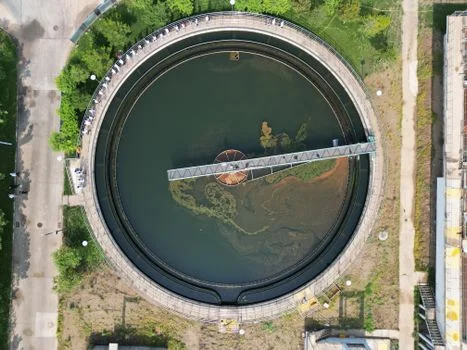
Achieving and maintaining iran doe class a limits for industrial wastewater discharge in Mashhad requires a structured, multi-step approach. This roadmap outlines the key stages from initial effluent assessment to securing and maintaining a discharge permit.
- Step 1: Effluent Profiling. The process begins with a comprehensive analysis of the industrial facility's raw wastewater. This includes testing for key parameters such as BOD, COD, TSS, pH, and heavy metals. These analyses must be conducted by accredited laboratories, such as those affiliated with the Mashhad Environmental Protection Office, to ensure validity and regulatory acceptance.
- Step 2: Technology Selection. Based on the detailed effluent profile and the specific Iranian DOE Class A limits (BOD ≤30 mg/L, COD ≤60 mg/L, TSS ≤30 mg/L), the most appropriate wastewater treatment technology—whether MBR, DAF, or activated sludge—is selected. This decision considers contaminant types, desired removal efficiencies, footprint constraints, and budget.
- Step 3: Pilot Testing. Before full-scale implementation, a pilot testing phase is recommended, typically lasting 4–6 weeks. This stage validates the selected technology's removal efficiencies under actual site conditions, targeting 90%+ removal for key contaminants and confirming the ability to meet DOE Class A discharge standards.
- Step 4: DOE Permit Application. Once the technology is proven viable, a formal application for a DOE discharge permit is submitted. Required documentation includes detailed effluent test reports, comprehensive system specifications, engineering designs, and a robust maintenance plan. The processing time for these permits can range from 6 to 12 months, necessitating early planning.
- Step 5: Continuous Monitoring & Reporting. Post-commissioning, ongoing compliance is ensured through continuous monitoring. This involves installing online sensors for critical parameters like pH, TSS, and COD. Regular quarterly reports detailing effluent quality and system performance must be submitted to the DOE, demonstrating adherence to the permit conditions and contributing to the overall reduction of kashafrud river pollution.
Frequently Asked Questions
Industrial buyers in Mashhad often have specific questions regarding wastewater treatment equipment, costs, and compliance. Here are answers to some of the most common inquiries:
What are the DOE Class A limits for Mashhad industrial wastewater?
The Iranian Department of Environment (DOE) Class A limits for industrial wastewater discharge in Mashhad are stringent: BOD ≤30 mg/L, COD ≤60 mg/L, TSS ≤30 mg/L, and pH between 6–9. These are critical benchmarks for any mashhad industrial wastewater treatment project, as per the 2024 DOE guidelines.
How much does a 500 m³/day MBR plant cost in Mashhad?
For a 500 m³/day MBR plant in Mashhad, the estimated CAPEX ranges from IRR 60 billion to IRR 90 billion, including membranes and installation, based on 2026 cost models. Operational expenditures (OPEX) for such a plant typically range from IRR 15 million to IRR 25 million per month, covering energy, maintenance, and membrane cleaning.
Which sewage treatment technology is best for Mashhad’s food processing plants?
For Mashhad’s food processing plants, DAF (Dissolved Air Flotation) systems (e.g., HydropureWater) are highly effective. They are designed to remove 92–97% of TSS and 60–80% of FOG (fats, oils, and grease), which are common high-strength contaminants in this industry, thereby meeting iran doe class a limits.
How do I verify a supplier’s DOE compliance track record?
To verify a sewage treatment equipment supplier in Mashhad's DOE compliance track record, request at least 3 years of effluent test reports from their completed projects in Mashhad or other Iranian industrial zones. Cross-reference these reports with the DOE’s public database (available on the official DOE website) or contact the Mashhad Environmental Protection Office for confirmation.
What are the penalties for non-compliance in Mashhad?
Under the 2024 Environmental Protection Law in Iran, industrial facilities in Mashhad found in non-compliance face significant penalties. These include fines ranging from IRR 100 million to IRR 500 million per offense and the severe consequence of indefinite facility seals, leading to complete operational shutdown until compliance is achieved.