Why Delhi’s Industries Need Advanced Water Treatment Solutions
A textile factory in Okhla recently faced a ₹5 lakh penalty after its effluent treatment plant failed to meet Delhi Jal Board’s COD discharge limit of 250 mg/L—despite operating a conventional STP. This case illustrates a broader challenge. Delhi’s industries face a triple threat: stringent CPCB compliance deadlines, acute water scarcity, and rising operational costs from outdated treatment systems. Advanced industrial water treatment in Delhi isn’t optional—it’s a regulatory and financial necessity.
These pressures make modern solutions essential for survival.
Regulatory Pressures: CPCB and Delhi Jal Board Standards
Delhi’s industries must comply with two critical frameworks: the Central Pollution Control Board (CPCB)’s General Standards for Discharge of Environmental Pollutants and the Delhi Jal Board’s (DJB) specific effluent norms. Key parameters include:
| Parameter | CPCB Limit (mg/L) | DJB Stricter Limit (mg/L) | Common Violations in Delhi |
|---|---|---|---|
| BOD (Biochemical Oxygen Demand) | 30 | 20 | Textile, food processing |
| COD (Chemical Oxygen Demand) | 250 | 150 | Pharma, chemical units |
| TSS (Total Suspended Solids) | 100 | 50 | Metal plating, tanneries |
| pH | 6.5–8.5 | 6.5–8.0 | Dyeing, battery manufacturing |
Non-compliance triggers daily penalties up to ₹1 lakh and potential plant shutdowns. The DJB’s 2024 audit revealed that 42% of Delhi’s industrial units failed surprise inspections, primarily due to inadequate tertiary treatment stages like MBR systems or ZLD units.
Water Scarcity: A Business Continuity Risk
Delhi’s per capita water availability is 172 liters/day—far below the national average of 280 liters. Industrial water demand accounts for 12% of Delhi’s total supply, with sectors like pharmaceuticals and textiles consuming 50–100 m³/ton of product. Groundwater depletion (now 20–30 meters below ground level in industrial zones like Bawana) forces industries to rely on tanker water at ₹50–80/kL—a 300% premium over treated municipal water. Advanced treatment systems, such as industrial RO plants, can recover 70–90% of wastewater, slashing operational costs by up to ₹2 crore annually for large units.
Cost Savings: The Hidden ROI of Modern Systems
While the industrial effluent treatment plant cost in Delhi ranges from ₹8–15 lakh per m³/day capacity, the payback period is shorter than most assume. Consider this comparison:
| System Type | Capital Cost (₹/m³/day) | Operational Cost (₹/m³) | Water Recovery (%) | Payback Period (Years) |
|---|---|---|---|---|
| Conventional STP | 5–8 lakh | 12–18 | 60–70 | 4–6 |
| MBR System | 12–18 lakh | 20–25 | 90–95 | 2–3 |
| Zero Liquid Discharge (ZLD) | 25–40 lakh | 30–45 | 98–100 | 1.5–2.5 |
For a 500 m³/day textile unit, upgrading to an MBR system reduces freshwater consumption by 150,000 m³/year, saving ₹75 lakh annually in water procurement costs alone. Additionally, CPCB subsidies (up to 30% of capital costs) and accelerated depreciation benefits (40% in the first year) further improve ROI.
Monsoon Pitfalls: Why Delhi’s Climate Demands Resilient Systems
Delhi’s monsoon season (July–September) disrupts treatment efficiency in 68% of conventional STPs, according to a 2023 TERI study. Heavy rainfall dilutes influent BOD/COD ratios, while flooding clogs clarifiers and aeration tanks. Industries in flood-prone areas like Mayapuri and Patparganj report 20–40% higher downtime during monsoons. Advanced systems like SBR plants or containerized ETPs mitigate these risks with modular designs and automated pH/flow adjustments.
For Delhi’s industries, advanced water treatment isn’t just about compliance—it’s a strategic investment to secure water access, reduce costs, and future-proof operations against climate volatility.
Top 5 Industrial Water Treatment Systems for Delhi Factories (2025)
Delhi’s industrial sector—spanning textiles, pharmaceuticals, and food processing—requires wastewater treatment systems that balance efficiency, CPCB compliance for wastewater discharge, and cost-effectiveness. Below, we compare five leading technologies, including their Delhi-specific performance metrics and ideal applications.
1. Membrane Bioreactor (MBR) Systems
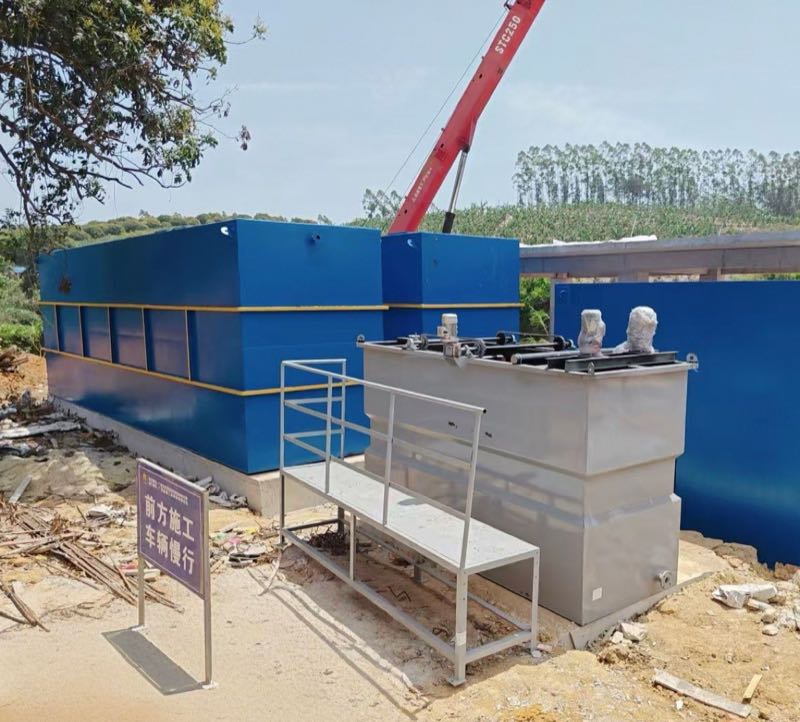
MBR systems combine biological treatment with membrane filtration, achieving 95–99% COD/BOD removal—critical for meeting Delhi Jal Board water treatment standards. Our MBR Membrane Bioreactor Wastewater Treatment System is widely adopted in Okhla’s textile clusters, where space constraints demand compact footprints (up to 50% smaller than conventional STPs).
Pros:
- Handles high organic loads (COD > 2,000 mg/L) common in Delhi’s dyeing units.
- Produces reusable water for non-potable applications (e.g., cooling towers).
- Reduces sludge volume by 30–40% vs. conventional activated sludge processes.
Cons:
- Higher capital cost (₹18–25 lakh for 50 m³/day capacity) and membrane replacement every 3–5 years.
- Sensitive to oil/grease; pre-treatment (e.g., DAF) often required for Delhi’s mixed industrial effluents.
| Parameter | MBR System | Conventional STP |
|---|---|---|
| Footprint (m²/100 m³/day) | 20–30 | 50–70 |
| Sludge Production (kg/kg BOD removed) | 0.2–0.3 | 0.4–0.6 |
| Effluent Quality (COD, mg/L) | <50 | 100–150 |
2. Dissolved Air Flotation (DAF) Systems
DAF systems excel in removing suspended solids, oils, and grease—key contaminants in Delhi’s automotive and food processing effluents. Our Dissolved Air Flotation (DAF) System achieves 90–95% TSS removal and is often paired with biological treatment for enhanced performance. A Wazirpur steel plant reduced its pre-treatment costs by 40% after installing a DAF system to handle monsoon-induced turbidity spikes (up to 500 NTU).
Ideal for:
- Industries with high oil/grease loads (e.g., metal finishing, dairy).
- Pre-treatment for RO or MBR systems to extend membrane life.
3. Reverse Osmosis (RO) Systems
RO systems are indispensable for zero liquid discharge (ZLD) systems in Delhi, where groundwater salinity (TDS > 1,500 ppm) and industrial contaminants (e.g., heavy metals) demand advanced filtration. Our Industrial Reverse Osmosis (RO) Water Treatment System recovers 70–85% of wastewater for reuse, aligning with Delhi’s water scarcity challenges. A Mayapuri pharmaceutical unit cut freshwater consumption by 60% using RO-treated effluent for boiler feed.
Key Considerations:
- Requires pre-treatment (e.g., softening, DAF) to prevent membrane fouling.
- Energy-intensive (0.5–1.5 kWh/m³); solar-powered RO systems are gaining traction in Delhi NCR.
4. Automatic Chemical Dosing Systems
Precise chemical dosing is critical for neutralizing Delhi’s variable industrial effluents (pH 2–12). Our Automatic Chemical Dosing System ensures consistent pH adjustment, coagulation, and disinfection, reducing chemical costs by 20–30%. A Badarpur tannery avoided CPCB penalties by automating its dosing for chromium removal (effluent Cr < 0.1 mg/L).
Best Practices for Delhi:
- Use pH/ORP sensors to adjust dosing in real-time during monsoon dilution events.
- Pair with clarifiers for optimal floc formation in high-turbidity effluents.
5. Sequential Batch Reactors (SBR)
SBRs offer flexibility for Delhi’s batch-processing industries (e.g., textiles, chemicals), where effluent volumes fluctuate. A Naraina garment factory reduced its ETP footprint by 35% using an SBR system with cyclic aeration, achieving 85% nitrogen removal—a key CPCB requirement for Delhi’s Yamuna discharge zones.
Limitations:
- Less effective for continuous high-flow effluents (e.g., power plants).
- Requires skilled operation to optimize cycle times.
These systems provide tailored solutions for Delhi’s diverse industrial needs.
Industrial Water Treatment Costs in Delhi: What to Budget in 2025
Delhi’s industrial water treatment costs vary widely based on system complexity, capacity, and Delhi Jal Board water treatment standards. For 2025, factories must budget for both capital expenditure (CAPEX) and operational costs (OPEX), adjusted for local labor rates, chemical availability, and CPCB compliance for wastewater discharge. Below is a breakdown of costs by system type, with Delhi-specific adjustments.
CAPEX Benchmarks (2025)
Initial investment ranges from ₹5 lakh for small-scale systems to ₹50 lakh+ for large zero liquid discharge systems in Delhi. The table below compares CAPEX for common systems, including civil works and Delhi’s 18% GST:
| System Type | Capacity (m³/day) | CAPEX (₹ Lakh) | Key Cost Drivers |
|---|---|---|---|
| Conventional STP | 50–200 | 8–25 | Civil construction, aeration blowers |
| MBR System | 50–300 | 15–40 | Membrane modules, automation |
| Industrial RO Plant | 20–100 | 5–20 | High-pressure pumps, pretreatment |
| Zero Liquid Discharge (ZLD) | 100–500 | 30–50+ | Evaporators, crystallizers, energy costs |
For example, a 100 m³/day MBR system in Delhi costs ~₹22 lakh, including installation, versus ₹12 lakh for a conventional STP of the same capacity. ZLD systems, while expensive, are increasingly adopted by textile and pharma units to meet CPCB compliance for wastewater discharge during Delhi’s water-scarce summers.
OPEX: Delhi-Specific Adjustments
Operational costs range from ₹0.5 to ₹5 per m³, influenced by:
- Chemical costs: Delhi’s proximity to chemical hubs in Haryana reduces prices for coagulants (e.g., polyaluminum chloride) by 10–15% compared to Mumbai.
- Labor: Skilled operators earn ₹25,000–₹40,000/month, 20% higher than the national average due to Delhi’s cost of living.
- Energy: Electricity tariffs (₹7–₹8/kWh for industrial users) add ₹0.2–₹0.4/m³ to OPEX for energy-intensive systems like RO or ZLD.
- Monsoon impacts: Heavy rains dilute influent, reducing chemical dosages by 15–20% but increasing sludge handling costs due to higher TSS loads.
A 2024 case study of a Delhi textile factory (150 m³/day) revealed OPEX of ₹2.8/m³ for an MBR system, with 40% allocated to membrane replacement and energy. In contrast, a conventional STP at the same site cost ₹1.5/m³ but required frequent desludging to meet Delhi Jal Board water treatment standards.
Hidden Costs to Factor In
Industries often overlook:
- CPCB compliance testing: ₹50,000–₹1 lakh/year for third-party lab analysis.
- Spare parts: Delhi’s extreme temperatures (45°C+ summers) accelerate wear on pumps and membranes, increasing replacement frequency by 25%.
- Turnkey premiums: Turnkey water treatment solutions in Delhi add 10–15% to CAPEX but reduce project delays by 30%.
For SMEs, leasing options from wastewater treatment plant manufacturers in Delhi NCR can reduce upfront costs by 30–40%, with monthly payments of ₹50,000–₹2 lakh for a 100 m³/day system.
Understanding these cost factors helps industries plan effectively.
How to Choose the Right Water Treatment Supplier in Delhi
Selecting a supplier for industrial water treatment in Delhi requires rigorous evaluation beyond cost alone. Delhi’s regulatory landscape—governed by Delhi Jal Board water treatment standards and CPCB discharge limits—demands suppliers with proven compliance expertise. Prioritize vendors with CPCB-approved designs, ISO 9001:2015 certification, and a track record of securing NOCs for industries in Okhla, Wazirpur, or Bawana.
Use this checklist to assess suppliers:
| Evaluation Criteria | Key Parameters | Delhi-Specific Considerations |
|---|---|---|
| Certifications | CPCB approval, ISO 9001, OHSAS 18001 | Verify CPCB compliance for your industry (e.g., textile effluent COD < 250 mg/L) |
| Local Service Network | 24/7 on-site support, spare parts inventory | Monsoon-ready service (e.g., flood-proof pump installations in low-lying areas like Patparganj) |
| Turnkey Capabilities | Design-build-operate, civil works, electrical integration | Check for experience with Delhi’s power fluctuations (e.g., auto-restore systems for MBR plants) |
| Post-Installation Support | AMC contracts, remote monitoring, operator training | Demand Delhi-specific training (e.g., handling high TDS from Yamuna water in RO systems) |
For turnkey water treatment solutions in Delhi, insist on case studies from local industries. A supplier’s ability to customize MBR systems for Delhi’s high organic loads (e.g., food processing units in Naraina) or integrate zero liquid discharge systems for textile clusters speaks to their technical depth. Request references from plants with capacities matching yours—Delhi’s water treatment needs vary from 50 m³/day (SMEs) to 5,000 m³/day (pharma hubs).
Finally, validate their understanding of Delhi’s seasonal challenges. Suppliers should demonstrate how their systems adapt to monsoon-induced turbidity spikes or winter temperature drops (affecting biological treatment efficiency). A supplier that proactively addresses these factors will ensure long-term compliance and cost stability.
Case Study: How a Delhi Textile Factory Cut Costs by 30% with MBR Technology
A 120 m³/day textile dyeing unit in Okhla Industrial Area faced escalating penalties from the Delhi Jal Board for violating CPCB compliance for wastewater discharge standards. Their conventional activated sludge system struggled with high COD (1,200 mg/L) and color (800 Pt-Co), requiring frequent chemical dosing and sludge disposal—costing ₹18.5 lakhs annually. In 2023, they upgraded to a hollow-fiber MBR system from a Delhi-based supplier, achieving measurable improvements within six months.
| Parameter | Conventional STP (Before) | MBR System (After) | CPCB Limit (Delhi) |
|---|---|---|---|
| COD (mg/L) | 1,200 | 180 | 250 |
| BOD (mg/L) | 450 | 25 | 30 |
| TSS (mg/L) | 220 | 10 | 100 |
| Color (Pt-Co) | 800 | 50 | 150 |
| Sludge Production (kg/day) | 120 | 30 | — |
The MBR system’s 0.04 µm membrane pores eliminated the need for tertiary filtration, reducing chemical consumption by 60% and cutting wastewater treatment plant operating costs to ₹12.9 lakhs/year—a 30% savings. The compact footprint (40% smaller than conventional STPs) also freed up space for production expansion. Key to their success was selecting a supplier with local expertise; the chosen vendor provided turnkey installation, including a 12-month performance guarantee tied to Delhi Jal Board water treatment standards.
For industries evaluating MBR vs conventional STP for Delhi industries, this case highlights critical advantages: superior effluent quality, lower sludge handling costs, and faster ROI (2.8 years for this project). However, Delhi’s monsoon season posed challenges—high humidity increased membrane fouling rates by 15%, requiring pre-treatment adjustments. The factory now uses a dual-stage screening system to mitigate seasonal variability. For more details on sizing systems for local conditions, see our Wastewater Treatment System Sizing Guide.
Supplier details: The MBR system was sourced from a GST-verified manufacturer in Dilshad Garden, with a 10–50 m³/day capacity range and hollow-fiber configuration—ideal for Delhi’s SMEs. Total project cost: ₹42 lakhs (including civil work), aligning with the industrial effluent treatment plant cost benchmarks for mid-sized units in the NCR region.
This case demonstrates the tangible benefits of upgrading systems.
Delhi’s Regulatory Landscape: CPCB Standards for Industrial Effluent
Delhi’s industries must comply with the Central Pollution Control Board’s (CPCB) General Standards for Discharge of Environmental Pollutants, 1993 (amended 2020), which set stringent limits for effluent parameters. Non-compliance risks penalties from the Delhi Jal Board, including plant shutdowns and fines up to ₹1 lakh per day under the Water (Prevention and Control of Pollution) Act, 1974. Below are the key CPCB limits for industrial wastewater discharge in Delhi:
| Parameter | Permissible Limit (Inland Surface Water) | Permissible Limit (Public Sewers) | Common Pitfalls |
|---|---|---|---|
| pH | 5.5–9.0 | 5.5–9.0 | Textile/dyeing units often exceed limits due to alkaline effluents; requires real-time pH monitoring. |
| BOD (3 days at 27°C) | 30 mg/L | 100 mg/L | Food processing and pharmaceutical units struggle with BOD spikes during peak production. |
| COD | 250 mg/L | 250 mg/L | High COD in tannery/chemical effluents demands advanced oxidation (e.g., TADOX-TERI systems). |
| TDS | 2,100 mg/L | 2,100 mg/L | Monsoon dilution effects can mask TDS violations; zero liquid discharge (ZLD) systems are increasingly mandated. |
| Heavy Metals (e.g., Cr, Pb, Cd) | 0.1–2.0 mg/L (varies by metal) | 1.0–5.0 mg/L (varies by metal) | Electroplating units frequently fail chromium tests; requires ion exchange or membrane filtration. |
Industries in Okhla, Wazirpur, and Bawana face heightened scrutiny due to their proximity to the Yamuna River. The CPCB’s National Green Tribunal (NGT) Action Plan for Delhi (2022) mandates online monitoring for high-risk sectors, with data transmitted directly to the Delhi Pollution Control Committee (DPCC). For industries struggling with compliance, turnkey water treatment solutions in Delhi—such as membrane bioreactors (MBR) or sequential batch reactors (SBR)—can achieve 90%+ BOD/COD removal, aligning with CPCB standards. Industrial Wastewater Treatment Equipment Selection: Matching the Right System to Your Industry offers tailored recommendations for Delhi’s regulatory environment.
Failure to meet these limits can trigger cascading consequences, from Delhi Jal Board water treatment plant rejections to legal action. Proactive measures—such as pre-treatment audits and modular system upgrades—are critical for avoiding disruptions, particularly during monsoon season when treatment efficiency drops by 15–20% due to diluted influent.
5 Mistakes to Avoid When Installing Industrial Water Treatment in Delhi

Delhi’s industrial water treatment landscape demands precision—yet common oversights derail compliance, inflate costs, and reduce system longevity. Avoid these five critical mistakes to ensure your investment aligns with CPCB discharge standards and Delhi’s unique operational challenges.
- Undersizing the System: A 2023 study by the Delhi Pollution Control Committee (DPCC) found 40% of industrial ETPs in Okhla and Wazirpur operate at 30% below design capacity during peak loads. Use real-time flow data and contaminant profiling—our sizing guide details how to factor in Delhi’s seasonal effluent spikes (e.g., textile dyes surging 50% during festival seasons).
- Ignoring Monsoon Impacts: Delhi’s 600–800 mm annual rainfall dilutes influent BOD/COD ratios by 25–35% (TERI, 2024), but also introduces stormwater contaminants like heavy metals. MBR systems, while resilient, require pre-treatment adjustments—conventional STPs may need 20% additional aeration capacity to compensate for reduced microbial activity in cooler, wetter months.
- Skipping Pilot Tests: A 2024 case study of a Delhi pharmaceutical plant revealed a 38% discrepancy between lab-scale and full-scale MBR performance due to unaccounted surfactants. Pilot tests (1–3 months) are non-negotiable for industries with variable effluent streams (e.g., food processing, where pH swings ±2.5 units daily).
- Neglecting Operator Training: DPCC data shows 65% of non-compliance penalties stem from human error, such as incorrect chemical dosing (e.g., coagulant overuse increasing TDS by 150 mg/L). Budget 10–15% of capital costs for training—focus on Delhi-specific scenarios like monsoon bypass protocols and real-time CPCB reporting via OCEMS.
- Overlooking Zero Liquid Discharge (ZLD) Feasibility: While ZLD systems reduce water stress, their ROI in Delhi hinges on recovery rates. A textile factory in Bawana saved ₹1.2 crore annually by recovering 92% of water via a three-stage RO + evaporator setup, but only after a pilot confirmed 85% membrane life despite high silica levels (120–150 mg/L).
For Delhi industries, the margin for error is slim. Prioritize modular designs that allow capacity expansions (e.g., adding MBBR media or tertiary filters) and partner with suppliers offering turnkey solutions that include post-installation audits—critical for navigating Delhi Jal Board’s evolving water reuse mandates.
FAQ: Industrial Water Treatment in Delhi
How much does an industrial water treatment plant cost in Delhi?
Costs vary by capacity, technology, and effluent type. For Delhi industries, budget ₹12–25 lakh for a 100 m³/day conventional ETP, while MBR systems start at ₹20–40 lakh for the same capacity. Zero Liquid Discharge (ZLD) systems—mandatory for high-TDS effluents—range from ₹50 lakh to ₹1.5 crore. Delhi Jal Board’s 2024 Water Tariff Policy (Section 4.2) imposes a 15% surcharge on non-compliant discharges, making upfront investment in compliant systems more cost-effective. For precise sizing, refer to our Wastewater Treatment System Sizing Guide.
| System Type | Capacity (m³/day) | Delhi Cost Range (₹) | Key Compliance Standard |
|---|---|---|---|
| Conventional ETP | 50–200 | 12–35 lakh | CPCB General Standards (Schedule VI) |
| MBR Plant | 100–500 | 20–60 lakh | Delhi Pollution Control Committee (DPCC) norms |
| ZLD System | 200–1000 | 50 lakh–1.5 crore | CPCB ZLD Guidelines (2023) |
Which is the largest STP in Delhi, and what can industries learn from it?
Delhi’s Okhla STP (Phase IV) is the largest, treating 564 MLD (million liters per day) with a hybrid activated sludge process. Key takeaways for industries:
- Modular design: The plant’s phased expansion (2018–2023) mirrors best practices for industrial ETPs—start with core capacity, then add tertiary treatment (e.g., UV disinfection) as regulations tighten.
- Energy recovery: Biogas from sludge digestion powers 60% of operations, cutting costs by ₹1.2 crore/year. Industries can adopt similar anaerobic digestion for high-BOD effluents (e.g., food processing).
- Monsoon resilience: Okhla’s stormwater diversion system prevents inflow overload—a critical feature for Delhi’s industrial clusters (e.g., Wazirpur), where monsoon runoff can spike influent TSS by 300%.
How many water treatment plants are there in Delhi, and how does this impact industrial compliance?
Delhi has 35 STPs (2025 DPCC data) and 12 dedicated industrial ETPs, but capacity gaps persist. The Delhi Jal Board’s 2024 Master Plan projects a 40% shortfall in industrial wastewater treatment by 2030, driven by SMEs in Okhla, Mayapuri, and Narela. For industries, this means:
- Higher scrutiny: DPCC now mandates real-time effluent monitoring (pH, COD, TDS) for all units discharging >50 m³/day. Non-compliance triggers ₹50,000–2 lakh penalties under the Water (Prevention & Control of Pollution) Act, 1974.
- Shared infrastructure: Industries in industrial estates (e.g., Bawana) can opt for common ETPs, reducing capital costs by 30–40% compared to standalone systems.
What are the top 3 turnkey water treatment solution providers in Delhi NCR?
While supplier rankings vary by project scope, Delhi NCR’s leading providers share these traits:
- End-to-end compliance: Top firms handle DPCC/CPCB approvals, including Consent to Establish (CTE) and Consent to Operate (CTO), with 90%+ success rates.
- Post-installation support: Look for 5-year O&M contracts (e.g., ₹2–5 lakh/year for a 200 m³/day ETP) covering chemical dosing, membrane cleaning, and sludge disposal.
- Industry-specific expertise: Textile units should prioritize providers with color removal (e.g., Fenton’s reagent) and salt recovery (e.g., electrodialysis) capabilities, while pharma industries need API degradation (e.g., advanced oxidation).
For equipment selection tailored to your industry, consult our Industrial Wastewater Treatment Equipment Selection Guide.
How do monsoon conditions affect industrial water treatment efficiency in Delhi?
Delhi’s monsoon (June–September) disrupts treatment in three ways:
- Increased hydraulic load: Stormwater infiltration can double influent volume, reducing HRT (hydraulic retention time) from 12–16 hours to 6–8 hours—below the CPCB-recommended minimum for biological treatment.
- Contaminant spikes: Runoff introduces heavy metals (e.g., lead from battery recycling units in Mayapuri) and pesticides (e.g., from agricultural runoff in Najafgarh), requiring additional pretreatment (e.g., activated carbon filters).
- Sludge management: High TSS (total suspended solids) in monsoon effluents increases sludge volume by 40–60%, necessitating larger clarifiers or belt presses. A 2023 study by TERI found that Delhi industries with stormwater equalization tanks reduced compliance violations by 70% during monsoon.
If your facility is in a flood-prone zone (e.g., Yamuna floodplains), factor in elevated ETP design and submersible pumps during planning. For operating cost benchmarks, see our Wastewater Treatment Operating Costs Breakdown.
Delhi’s industrial water treatment challenges are complex—but solvable with the right data. Start by auditing your effluent against CPCB’s 2025 discharge standards, then match your needs to a system that balances compliance, cost, and climate resilience. The next step? Request a DPCC-compliant feasibility report from a turnkey provider—before your next inspection.