Hexavalent chromium wastewater treatment cost spans $50K–$200K for chemical reduction at 100–500 m³/day up to $2M for hybrid DAF–RO–MBR trains reaching about 95% water recovery. Reduction chemistry runs at pH 2.5–3.0; the permit sets the polishing depth.
Why Hexavalent Chromium Wastewater Control Fails on the Plant Floor
Hexavalent chromium control fails on plant floors for three reasons: pH drift outside 2.5–3.0 stalls bisulfite reduction, RO polishing fouls when hydroxides bypass pretreatment, and anaerobic reducers shock above roughly 100 mg/L Cr(VI). A Shenzhen electroplater paid a $250K fine at 1.2 mg/L Cr(VI) against a 0.1 mg/L local limit.
Plant-floor chromium control failures usually trace to pH drift, fouled membranes, or biological shock. Chemical reduction of Cr(VI) to Cr(III) needs pH 2.5–3.0; outside that window conversion slows and effluent spikes. RO polishing fouls when hydroxides or organics bypass pretreatment, cutting flux. Anaerobic Cr(VI) reducers tolerate about 60–75 mg/L Cr(VI) but often fail above 100 mg/L shock loads.
The money follows the chemistry. That Shenzhen electroplating plant also faced a temporary production halt, and monthly non-compliance penalties cited in earlier EPA enforcement summaries often fall in the $10K–$50K range before emergency remediation and downtime costs. For multi-metal lines, process logic overlaps with nickel wastewater treatment specs for multi-metal effluents and with electronics industry wastewater treatment strategies.
- Inadequate pH control in chemical reduction: Keep reaction pH at 2.5–3.0; outside that window, reductant efficiency collapses and Cr(VI) breakthrough rises.
- Membrane fouling in RO systems: Precipitated hydroxides and organics cut flux when DAF or filtration pretreatment is undersized.
- Biological shock from high Cr(VI) loads: Spikes above about 100 mg/L Cr(VI) can stall anaerobic reducers that otherwise work well near 60 mg/L.
Chromium Reduction Pathways: Chemical, Electrochemical, and Biological
Effective conversion of toxic Cr(VI) to less soluble Cr(III) can use chemical, electrochemical, or biological pathways, followed by precipitation or membrane capture. Hexavalent chromium is carcinogenic whereas trivalent chromium is not, and practical methods focus on exactly that reduction step (Wikipedia, Hexavalent chromium). Chemical reduction remains the default for most electroplating and metal-finishing flows because kinetics are fast under acid conditions.
Chemical Reduction: Chromate or dichromate is reduced in acid by bisulfite, ferrous sulfate, or sulfur dioxide. With sodium bisulfite the core stoichiometry is:
2CrO4²⁻ + 3HSO3⁻ + 7H⁺ → 2Cr³⁺ + 3SO4²⁻ + 5H2O
Optimal chemical reduction typically holds pH 2.5–3.0. Practical sodium bisulfite dose is usually 1.5–2.0 mg HSO3⁻ per mg Cr(VI), with a small excess to finish the reaction. Common reductants include sodium bisulfite, ferrous sulfate (FeSO4), and sulfur dioxide (SO2).
Electrochemical Reduction: Applied current drives Cr(VI) reduction and can generate metal hydroxides that co-precipitate chromium. A 2024 electrolysis study reported 56.8% Cr(VI) removal from a 5 mg/L feed at 0.25 A with 100 mg/L Fe³⁺ present, attributed to Fe(OH)3 co-precipitation and adsorption (Frontiers, 2024).
Biological Reduction: Anaerobic microbes use Cr(VI) as an electron acceptor under anoxic conditions. A 2005 PMC study showed anaerobic bio-reduction lowering Cr(VI) from 60 mg/L to under 0.5 mg/L in 4 hours at a COD:Cr(VI) ratio of 2.5:1. Trace Fe and Mn co-factors raised removal rate by up to 21.26% in that work (PMC, 2005). Resulting Cr(III) typically precipitates as chromium hydroxide on biomass surfaces.
Method choice follows influent Cr(VI) concentration, flow, effluent target, and sludge-handling cost. Sulfide-based precipitation alternatives are covered under cost for code compliant effluent management systemfor hexlant chromium plant when that chemistry fits the permit.
| Reduction Mechanism | Key Reaction/Principle | Optimal Conditions | Typical Efficiency (Cr6+ removal) | Notes |
|---|---|---|---|---|
| Chemical Reduction | 2CrO4²⁻ + 3HSO3⁻ + 7H⁺ → 2Cr³⁺ + 3SO4²⁻ + 5H2O | pH 2.5–3.0, Reductant dosage (1.5–2.0 mg HSO3⁻/mg Cr6+) | >99% | Fast, robust, generates sludge. |
| Electrochemical Reduction | Direct electron transfer, in-situ hydroxide formation (Fe(OH)3) | Constant current (0.25 A), presence of metal ions (Fe3+) | 56.8% (with Fe3+ at 5 mg/L Cr6+ initial) | Lower sludge volume, can be slower for high concentrations. |
| Biological Reduction | Microbial enzymatic activity (Cr6+ → Cr3+) | Anaerobic, COD:Cr6+ ratio of 2.5:1, trace metals | 60 mg/L to <0.5 mg/L in 4 hours | Environmentally friendly, sensitive to shock loads, requires specific carbon source. |
Treatment Technology Comparison: Efficiency, Cost, and Compliance Trade-offs
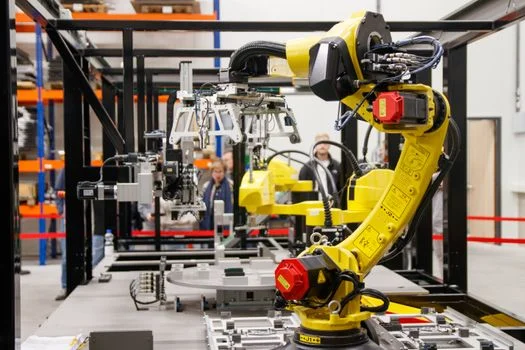
Cr(VI) technology selection requires matching removal efficiency, CAPEX, OPEX, footprint, and permit class before any quote is comparable. The table below covers the common unit processes used after reduction, for solids separation, or for dissolved-ion polishing. Read each compliance column against your own industrial-user permit, since local caps can sit far below categorical numbers.
| Technology | Cr6+ Removal Efficiency (%) | Effluent Quality (mg/L Cr6+) | Hydraulic Retention Time (hours) | CAPEX ($/m³/day) | OPEX ($/m³) | Footprint (m²/m³/day) | Compliance Alignment (EPA/EU/China GB) |
|---|---|---|---|---|---|---|---|
| Chemical Reduction (followed by precipitation) | >99% (Cr6+ to Cr3+) | <0.1 (Total Cr) | 0.5–1 (reaction + settling) | 50–200 | 0.50–2.00 | 0.1–0.3 | Meets most direct discharge limits for Total Cr after polishing. |
| Electrolysis | 50–90% (Cr6+ to Cr3+) | 0.1–0.5 (Total Cr) | 1–3 | 150–400 | 0.80–2.50 | 0.05–0.15 | Can meet some indirect discharge, often needs polishing. |
| Anaerobic Biological | >95% (Cr6+ to Cr3+) | <0.5 (Cr6+) | 4–12 | 100–300 | 0.40–1.50 | 0.2–0.5 | Suitable for lower Cr6+ loads, requires stable conditions. |
| Dissolved Air Flotation (DAF) | 90–95% (solids/Cr3+ removal) | 0.1–0.5 (Total Cr, post-reduction) | 0.5–1 | 10–50 | 0.30–0.80 | 0.05–0.1 | Excellent for solids separation after chemical reduction. See DAF systems for Cr6+ sludge separation. |
| Reverse Osmosis (RO) | >99% (Cr3+ and other ions) | <0.01 (Total Cr) | N/A (continuous) | 200–1000 | 0.50–1.50 | 0.02–0.05 | Achieves zero-discharge and high water recovery, requires extensive pretreatment. |
| Membrane Bioreactor (MBR) | >99% (Cr3+ and suspended solids) | <0.05 (Total Cr) | 6–24 | 300–1500 | 0.60–2.00 | 0.08–0.2 | High-quality effluent for reuse, robust against fluctuating loads. Explore MBR systems for zero-discharge Cr6+ treatment. |
Hybrid trains balance compliance and cost. Chemical reduction plus a DAF system for Cr6+ sludge separation often meets indirect-discharge total chromium targets. For water recovery above 95%, plants typically add RO after DAF. System-level design notes also appear in the sibling guide Hexavalent Chromium Wastewater Treatment System: 2026 Engineering Specs.
What Limits Semiconductor ZLD Reclaim Recovery?
Semiconductor reclaim recovery is capped by concentrate salinity, silica scaling, and organics that foul RO and evaporators as recovery climbs toward the practical ceiling. Large-scale industrial and municipal RO systems typically recover 75% to 80% of feed water, with 90% as the high end (Wikipedia, Reverse osmosis). Cr(VI)-bearing rinse waters add a hard stop ahead of the membranes: residual oxidants and metals must be reduced and precipitated first, or flux collapse and scaling accelerate. Campus fabs therefore size equalization, chemical reduction, and DAF or ultrafiltration ahead of RO, then treat brine by evaporation or crystallization rather than pushing recovery without solids control.
How Do US Fabs Approach Campus Zero Liquid Discharge?
US semiconductor fabs pursuing campus water sustainability typically stage reclaim loops instead of installing one end-of-pipe evaporator. The sequence runs rinse segregation, metals reduction, solids separation, then RO with brine management. Campus ZLD programs fail when mixed metal and fluoride streams share a single membrane train without dedicated pretreatment. For chromium-bearing tool waste, the same reduction-then-DAF/RO sequence used in plating shops remains the practical front end before high-recovery polishing.
Engineering Specs for Cr(VI) Industrial Treatment Systems
Design specs for chromium trains cover pretreatment, reduction, solids separation, and polishing, sized from peak Cr(VI) load and required effluent class rather than average daily flow alone. Operators who already manage hexavalent chromium wastewater alongside nickel or copper streams should keep those metals segregated until after reduction and solids removal. Many hexavalent chromium compounds are classified as Group 1 carcinogens by IARC, especially as airborne mist (Wikipedia, Hexavalent chromium), so enclosed tanks and mist capture belong in the spec sheet too.
Pretreatment Requirements:
- pH Adjustment: Sulfuric acid lowers pH to 2.5–3.0 for chemical reduction; lime or NaOH then raises pH to 8.0–9.0 for Cr(III) hydroxide precipitation.
- Equalization Tank Sizing: Equalization HRT of 4–6 hours buffers flow and concentration swings before the reaction tank.
- Screening: 1–2 mm screens remove debris that damages pumps, mixers, or membranes.
Chemical Reduction System:
- Sodium Bisulfite Dosage: 1.5–2.0 mg sodium bisulfite per mg Cr(VI), with slight excess for completion.
- Reaction Time: 15–30 minutes typically yields 99%+ Cr(VI) reduction at optimal pH.
- Mixing Intensity: G-values of 800–1000 s⁻¹ disperse reductant quickly; plants often use a PLC-controlled chemical dosing system.
DAF System: After coagulation/flocculation, DAF separates Cr(III) hydroxide flocs.
- Air-to-Solids Ratio (A/S): 0.02–0.04 kg air/kg solids for typical chromium hydroxide flocs.
- Recycle Ratio: 20–30% of influent flow, air-saturated, supplies microbubbles.
- Surface Loading Rate: 5–10 m/h depending on floc strength and clarity target.
RO System: Used for zero-discharge or high-purity reclaim after metals are precipitated.
- Membrane Type: Spiral-wound polyamide composites are standard for industrial wastewater.
- Operating Pressure: 15–30 bar (220–440 psi), set by feed TDS and recovery target.
- Recovery Rate: Wastewater RO commonly runs 75–90% recovery; concentrate needs further treatment.
- Antiscalant Dosage: 2–5 mg/L continuous dose limits sparingly soluble salt scale.
MBR System: Combines biological treatment with membrane filtration for reuse-grade effluent.
- Membrane Flux: 15–25 LMH typical for industrial duty.
- Mixed Liquor Suspended Solids (MLSS): 8–12 g/L supports robust biology.
- Aeration Requirements: About 0.3–0.5 m³ air per m³ wastewater for process oxygen and scouring.
Hexavalent Chromium Wastewater Treatment Cost: CAPEX, OPEX, and ROI
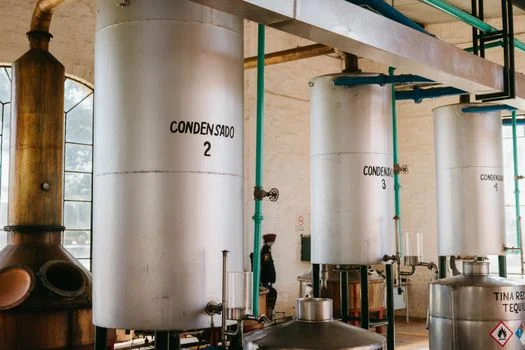
Procurement teams should separate CAPEX by unit process and OPEX per cubic meter before comparing ROI. A dedicated Hexavalent Chromium Wastewater Treatment Cost: 2026 Engineering Breakdown helps stress-test vendor quotes against flow and TDS.
CAPEX Breakdown (Typical Ranges for 100-500 m³/day flow):
| System Component | Typical CAPEX Range | Key Cost Drivers |
|---|---|---|
| Chemical Reduction (tanks, pumps, mixers) | $50K–$200K | Flow rate, materials of construction, automation level |
| DAF System | $100K–$500K | Flow rate, solids loading, automation, footprint |
| RO System | $200K–$1M | Flow rate, feed water TDS, recovery rate, membrane type |
| MBR System | $300K–$1.5M | Flow rate, effluent quality requirement, membrane area, biological process complexity |
| Hybrid DAF-RO-MBR System | $500K–$2M | Total flow, complexity of pretreatment, degree of automation, zero-discharge goal |
OPEX Breakdown (Per Cubic Meter of Treated Wastewater):
- Chemicals: $0.50–$2.00/m³ (reductants, coagulants, pH adjusters, RO antiscalants).
- Energy: $0.10–$0.50/m³ (pumps, mixers, aeration, high-pressure RO).
- Membrane Replacement: $0.10–$0.30/m³ (RO and MBR, typically every 3–5 years).
- Labor: $0.20–$0.80/m³ (operation, maintenance, monitoring).
- Sludge Disposal: $0.30–$1.00/m³ (transport and landfill of chromium hydroxide sludge).
RO Membrane Polishing Cost for Chromium Wastewater
RO membrane polishing cost for chromium wastewater is driven by feed TDS, recovery target, and brine handling rather than membrane price alone. An RO skid for a 100–500 m³/day chromium train lands at $200K–$1M CAPEX, with high-pressure pumping pushing energy toward $0.50–$1.50/m³ of OPEX. Spiral-wound elements cannot be backpulsed, so pretreatment quality sets the cleaning frequency (Wikipedia, Reverse osmosis). Antiscalant at 2–5 mg/L limits sulfate and carbonate scale, but concentrate still needs evaporation, crystallization, or haul-away at 75–90% recovery.
Zero Discharge Hexavalent Chromium Treatment CAPEX
Zero discharge hexavalent chromium treatment CAPEX runs $500K–$2M for hybrid DAF–RO–MBR trains at 100–500 m³/day, set by pretreatment depth and automation rather than membrane count. Brine management is the line item that breaks budgets: landlocked plants may need evaporation ponds or injection wells to avoid polluting groundwater or surface runoff (Wikipedia, Reverse osmosis). A $1M hybrid train avoiding $50K/year in fines and saving $150K/year in water purchases reaches about a 5-year payback. Verify the zero-discharge goal against the actual permit before paying for recovery the discharge basin does not demand.
ROI Framework for Cr6+ Treatment Systems:
- Annual Compliance Savings: Penalty avoidance often cited near $10K–$50K/year, plus water reuse credit of about $0.50–$2.00/m³ when ZLD displaces purchased water.
- Payback Period Calculation: Divide total CAPEX by annual OPEX and compliance savings.
- Example: A $1M hybrid DAF–RO–MBR train avoiding $50K/year in fines and saving $150K/year in water purchases ($200K/year combined) has about a 5-year payback ($1,000,000 / $200,000).
Regulatory Compliance: EPA, EU, and China GB Standards for Chromium Discharge
Chromium discharge limits depend on the applicable categorical rule and the local industrial-user permit, and the two often diverge by an order of magnitude. Earlier plant guidance and many sewer ordinances often cited total chromium near <0.1 mg/L. Cornell LLI's mirror of 40 CFR 413.14 confirms electroplating plants at or above 38,000 L/day (10,000 gal/day) face total Cr limits of 7.0 mg/L max day and 4.0 mg/L as a 4-day average. Parts 413 and 433 regulate total chromium and do not list a separate national Cr(VI) PSES of 0.05 mg/L.
EPA Limits (United States):
- Total Chromium (40 CFR 413 electroplating, ≥10,000 gal/day): 7.0 mg/L max day / 4.0 mg/L 4-day average (eCFR Part 413 Subpart A).
- Total Chromium (40 CFR 433 metal finishing PSES): 2.77 mg/L max day / 1.71 mg/L monthly average (eCFR Part 433).
- Local limits: Many POTWs still write site-specific total Cr or Cr(VI) caps near 0.1 mg/L or lower; always read the industrial user permit, not only the categorical table.
- Drinking-water context: The EPA has no Maximum Contaminant Level specific to hexavalent chromium; the federal standard covers total chromium (Wikipedia, Hexavalent chromium).
EU Limits (European Union):
- Total Chromium: Under the Industrial Emissions Directive (IED) 2010/75/EU, BAT conclusions for industrial wastewater typically suggest total chromium limits below 0.5 mg/L.
- Hexavalent Chromium (Cr6+): For indirect discharge into public sewers, the EU Drinking Water Directive 98/83/EC sets a Cr6+ limit of 0.1 mg/L, influencing pretreatment requirements.
China GB Standards (China):
- Total Chromium: China's GB 8978-1996 sets total chromium at <1.5 mg/L for electroplating wastewater discharged to sewers or surface waters, by discharge class.
- Hexavalent Chromium (Cr6+): The GB 31573-2015 standard for industrial wastewater discharge specifies a Cr6+ limit of <0.5 mg/L for various industrial sectors.
Compliance Strategies for Chromium Limits:
- Hybrid DAF-RO for Zero-Discharge: Chemical reduction, DAF, and RO remove chromium species and support high reclaim when local limits or ZLD goals are stricter than categorical tables.
- Chemical Reduction + Precipitation for Indirect Discharge: Often sufficient for POTW acceptance when local total Cr caps are the binding constraint.
- MBR for Reuse Applications: Delivers low solids and residual metals for cooling or rinse reuse after reduction and solids control.
Selection Checklist and Next Step
Who this is for: Electroplating, metal finishing, and electronics plants that must meet Cr(VI)/total Cr permits or reclaim rinse water. Who should look elsewhere: Sites whose only chromium issue is airborne Cr(VI) occupational exposure (OSHA), not wastewater. Selection checklist:
- Measure peak and average Cr(VI), total Cr, COD, and TDS on each segregated stream.
- Confirm whether 40 CFR 413, 40 CFR 433, or a local POTW limit is binding.
- Hold chemical reduction at pH 2.5–3.0 with verified ORP/redox endpoint.
- Size equalization for 4–6 h HRT before the reaction tank.
- Specify DAF A/S 0.02–0.04 and surface load 5–10 m/h after precipitation.
- If targeting >95% reclaim, budget RO pretreatment and brine disposal, not only permeate quality.
- Include sludge classification and disposal cost in OPEX before CAPEX ranking.
HydroPureWater can map a reduction–DAF–membrane train to your numbers without oversizing the RO stage. Share flow, Cr(VI) peaks, and the permit sheet through our Cr(VI) treatment inquiry form to get a sized budget range.
Frequently Asked Questions
What is the optimal pH for chemical reduction of Cr6+?
pH 2.5–3.0 maximizes reduction efficiency, typically 99%+ within 30 minutes when sodium bisulfite is dosed at 1.5–2.0 mg HSO3⁻ per mg Cr(VI). Below pH 2.0, excess acid raises chemical cost and can drive side reactions. Above pH 3.5, chromate speciation and reductant kinetics slow conversion, leaving measurable Cr(VI) in the reaction effluent.
How does a DAF system improve Cr6+ treatment efficiency?
DAF improves Cr(VI) trains by floating Cr(III) hydroxide flocs after reduction and pH adjustment, instead of relying only on gravity settling. Microbubbles shorten solids-separation HRT, shrink clarifier footprint, and produce a cleaner feed for RO or reuse. Design A/S ratios of 0.02–0.04 kg air/kg solids and recycle ratios of 20–30% are typical for chromium hydroxide flocs.
What are the main challenges for zero-discharge hexavalent chromium systems?
Main ZLD challenges are RO concentrate management, membrane fouling, and balancing recovery against brine cost. Concentrate holds salts and residual metals that need evaporation, crystallization, or haul-away. Without robust DAF or ultrafiltration pretreatment, hydroxide and organic fouling cut flux and raise energy. Sustainable ZLD therefore sizes pretreatment and brine handling with the same rigor as the permeate train.
Can biological methods handle high Cr6+ concentrations?
Biological Cr(VI) reduction works best on dilute, steady feeds, commonly demonstrated from about 60 mg/L down to <0.5 mg/L in roughly 4 hours at COD:Cr(VI) near 2.5:1. Loads above about 100 mg/L can inhibit microbes and extend retention time. High-strength plating dumps usually need chemical reduction first, with biology reserved for polishing or low-strength rinses under stable carbon feed.
What federal EPA chromium numbers should US plants design to?
US plants should design to the stricter of categorical and local limits. Per 40 CFR 413.14, large electroplaters face total Cr of 7.0 mg/L max day and 4.0 mg/L 4-day average; 40 CFR 433.15 metal finishing sets Chromium (T) at 2.77 / 1.71 mg/L. Many local permits still require near 0.1 mg/L total Cr, so treat the IU permit as the design basis.
Is electrochemical reduction cheaper than chemical dosing?
Electrochemical reduction usually trades higher CAPEX for lower sludge volume rather than lower total cost. Electrolysis runs $150–400 per m³/day CAPEX against $50–200 for chemical reduction, with OPEX of $0.80–$2.50/m³ versus $0.50–$2.00 chemical. Electrolysis suits low-volume, space-tight sites; high-strength plating dumps almost always favor bisulfite dosing first. Pilot the current density on your own rinse before committing.