What Is an Automatic Dosing Pump in Industrial Wastewater Treatment?
An industrial automatic dosing pump is a positive displacement metering device engineered to inject precise volumes of liquid chemicals—such as coagulants, pH adjusters, or chlorine dioxide—into a wastewater stream. These are not consumer-grade aquarium pumps (0–88 ml/min) but robust systems designed for continuous, harsh-duty operation at flow rates of 0.5–20 liters per hour (LPH) and pressures up to 15 bar.
Industrial units operate by adjusting the stroke length and frequency of a diaphragm, controlled by an electromagnetic or motor-driven actuator. For process integration, they receive a 4–20 mA control signal from a PLC or sensor, enabling real-time adjustment based on parameters like pH or ORP to maintain compliance and optimize chemical consumption. This precise control is vital for managing reaction kinetics and ensuring that chemicals are fully utilized, preventing both under-dosing, which risks non-compliance, and over-dosing, which wastes expensive resources.
Key Technical Specifications That Impact Dosing Pump Cost
The purchase price of an industrial dosing pump is directly driven by four core technical specifications. Under-specifying any of these to save on upfront cost can lead to pump failure, chemical incompatibility, and compliance violations.
Flow Rate: This is the primary cost driver. Pumps rated for 0.5–5 LPH range from $1,200–$2,500, while higher-capacity models handling 5–20 LPH cost $2,800–$5,000 (based on 2025 OEM quotes). Specifying a pump that operates consistently in the middle of its range, not at its maximum, ensures longevity and accuracy. For instance, selecting a 10 LPH pump for a steady 7 LPH application reduces wear on internal components.
Pressure Rating: A standard 10-bar rating is sufficient for most injection points. However, injecting into high-pressure reverse osmosis feed lines or overcoming significant static head requires a 15-bar+ pump, which adds 15–25% to the cost due to reinforced pump heads and high-pressure seals. Forgetting to account for backpressure from long pipe runs is a common and costly specification error.
Wetted Materials: Chemical compatibility is non-negotiable. PVC wetted parts cost approximately $1,200 and suit mild acids like citric acid. PVDF ($2,000) handles stronger acids and oxidizers, while SS316 ($3,500+) is mandatory for highly corrosive chemicals like sodium hypochlorite or certain solvents. Always consult a chemical compatibility chart before finalizing material selection.
Control Type: Manual stroke and frequency adjustment is the most basic ($1,200). A pump with 0–10 V analog control for external input costs around $2,200. Full PLC integration with an HMI for setpoint control and data logging starts at $3,000+ but is critical for automated feedback loops, which are essential for modern, unattended treatment plants.
| Specification | Standard Range | Impact on Cost |
|---|---|---|
| Flow Rate | 0.5 - 20 LPH | Primary cost driver; doubles from low to high end |
| Pressure Rating | 10 - 15+ bar | 15-25% increase for high-pressure (15 bar+) models |
| Wetted Material | PVC, PVDF, SS316 | PVC ($1,200) to SS316 ($3,500+) |
| Control Type | Manual, Analog, PLC | Manual ($1,200) to PLC/HMI ($3,000+) |
How Integration Level Affects Total System Price
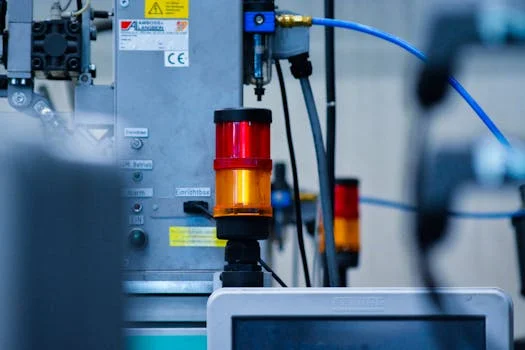
The level of integration determines how much additional time and cost is required for installation and commissioning.
A standalone pump ($1,200–$3,500) is just the component. It requires engineers to source and integrate a chemical tank, level switches, calibration column, pressure relief valve, and control wiring, adding significant engineering and labor hours. This approach often leads to project delays and compatibility issues between mismatched components.
A pre-wired skid ($4,000–$6,500) includes the pump, polyethylene chemical tank, level sensor, and all necessary tubing and valves mounted on a common frame. This reduces installation time by an estimated 60% and ensures all components are chemically compatible. It also provides a compact footprint, which is a major advantage in space-constrained industrial plants.
A fully automated PLC-controlled chemical dosing system ($5,000–$8,500) represents the highest level of integration. It includes a control panel with a PLC and HMI, enabling automatic adjustment of chemical feed based on real-time sensor input (e.g., pH, ORP). This eliminates operator guesswork, reduces chemical waste by up to 30%, and provides alarm and data logging for compliance reporting. Systems like HydropureWater’s fully automated PLC-controlled chemical dosing skid are factory-tested for 72 hours and include Modbus RTU for seamless integration with plant SCADA, providing a true plug-and-play solution for complex treatment processes.
| Integration Level | Typical Price Range | Key Components Included |
|---|---|---|
| Standalone Pump | $1,200 - $3,500 | Pump unit only |
| Pre-wired Skid | $4,000 - $6,500 | Pump, tank, level sensor, tubing, frame |
| PLC-Controlled Dosing System | $5,000 - $8,500 | Full skid + UL-listed control panel, PLC, HMI, comms |
Cost Comparison: Electromagnetic vs Diaphragm vs Peristaltic Pumps
Different pump technologies deliver varying performance and cost profiles over time.
Electromagnetic Metering Pumps ($2,000–$3,200) are the industry standard for low-flow, high-accuracy applications (0.5–5 LPH). They offer ±1% dosing accuracy, making them ideal for injecting expensive or potent chemicals like coagulants. With no motor to wear out, they have the longest lifespan of 7–10 years. Their simple design also contributes to lower vibration and quieter operation compared to motor-driven alternatives.
Motor-Driven Diaphragm Pumps ($2,800–$5,000) are designed for higher flow rates (5–20 LPH) and can handle more viscous chemicals like polymers. They are mechanically more complex than electromagnetic pumps, leading to a slightly shorter lifespan of 5–8 years, but are indispensable for higher-volume duties. Their robust construction allows them to handle higher pressures consistently.
Peristaltic Pumps ($1,500–$2,500) have the lowest upfront cost and offer sealless operation, eliminating the risk of seal leaks. However, the tubing is a consumable item that must be replaced every 6–12 months at a cost of approximately $120 per tube set. This recurring cost and a shorter overall lifespan of 3–5 years make their TCO higher for continuous-duty applications. They excel, however, in handling abrasive slurries or shear-sensitive fluids where other pumps would fail.
| Pump Type | Price Range | Flow Range (LPH) | Best For | Lifespan |
|---|---|---|---|---|
| Electromagnetic | $2,000 - $3,200 | 0.5 - 5 | High-accuracy coagulant dosing | 7 - 10 years |
| Diaphragm (Motor) | $2,800 - $5,000 | 5 - 20 | High-flow, viscous polymers | 5 - 8 years |
| Peristaltic | $1,500 - $2,500 | 1 - 10 | Slurries, sealless operation | 3 - 5 years |
Total Cost of Ownership: Maintenance, Calibration, and Downtime
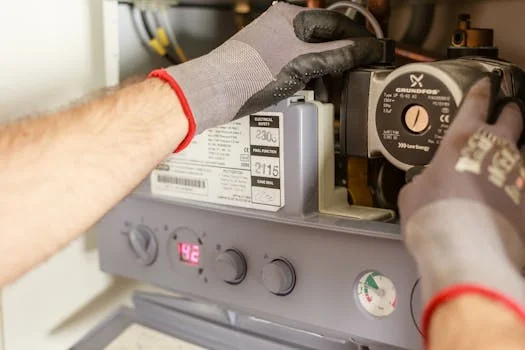
Maintenance and downtime represent a significant portion of long-term operating expenses.
Annual calibration by a technician is required to maintain ±1% dosing accuracy, costing $300–$500 per pump. Preventive maintenance, including seal inspection every 6 months and valve checks annually, adds to operational expenses. The largest hidden cost is unplanned downtime; a pump failure that halts wastewater treatment can incur costs exceeding $2,000 per day in compliance fines or production stoppages. In contrast, a PLC-integrated system's automated controls and alerts can reduce manual labor by 40% and prevent chemical overdosing, saving up to 30% on chemical costs annually (HydropureWater field data, 2024). Implementing a spare parts inventory for critical wear items can further reduce mean time to repair (MTTR) during a failure event.
Frequently Asked Questions
What is the price of a 150 LPH dosing pump?
150 LPH exceeds the standard flow range for precision metering pumps, which typically cap at ~20 LPH. This flow rate likely refers to a chemical transfer or feed pump. For high-volume, precise dosing, a system involving a metering pump controlling the feed to a larger booster pump may be required, with system costs starting from $8,000.
What is the life expectancy of an industrial dosing pump?
With proper maintenance, electromagnetic metering pumps last 7–10 years. Motor-driven diaphragm pumps average 5–8 years. Peristaltic pumps have a functional lifespan of 3–5 years, heavily dependent on the duty cycle and timely replacement of the tubing. The chemical's abrasiveness and temperature also significantly influence the actual service life.
What factors increase automatic dosing pump cost?
The key factors are higher flow rate (>5 LPH), higher pressure rating (>10 bar), corrosive-resistant wetted materials (SS316), advanced control integration (PLC/HMI), and purchasing a pre-assembled skid instead of a standalone pump. Additional features like explosion-proof (EX) certification for use in hazardous areas can also add a 20-30% premium.
Can I integrate a dosing pump with my existing PLC?
Yes, most industrial-grade dosing pumps support standard 4–20 mA input/output signals and communication protocols like Modbus RTU, allowing for seamless integration with existing SCADA and PLC systems for centralized control. It is crucial to verify communication protocols during the specification phase to ensure compatibility.
Are Chinese-made dosing pumps reliable for continuous operation?
Yes, reputable Chinese manufacturers build pumps to industrial standards using components from tier-one suppliers. Reliability is ensured through rigorous factory testing, including a 72-hour continuous run-in under load, making them