HF wastewater treatment systems must neutralize hydrofluoric acid to pH 9.5, precipitate fluoride as calcium fluoride (CaF₂) using calcium chloride, and remove residual solids via DAF or membrane filtration to meet discharge limits as low as 4 mg/L (EPA) or 15 mg/L (China GB 8978-1996). Hybrid DAF-RO-MBR systems achieve 95–99% fluoride removal and 80–90% water recovery, reducing ZLD costs by 30–40% compared to standalone precipitation. CAPEX ranges from $200K for small PCB plants to $5M for semiconductor fabs with ZLD requirements.
Why HF Wastewater Treatment Fails: 3 Hidden Risks in Semiconductor and PCB Plants
Membrane fouling from colloidal calcium fluoride (CaF₂) particles consistently reduces reverse osmosis (RO) flux by 40–60% within 30 days of operation in industrial settings (HydropureWater field data, 2025). This rapid decline in performance is a primary operational challenge for advanced HF wastewater treatment systems, leading to increased cleaning frequencies and reduced water recovery rates. The fine, crystalline nature of precipitated CaF₂, often less than 1 micron, bypasses conventional clarification and readily forms a dense cake layer on membrane surfaces.
Calcium fluoride scaling in pipes and membranes increases operational expenditure (OPEX) by 25–35% annually due to the need for frequent chemical cleaning and component replacement. The scaling mechanism involves the supersaturation of CaF₂ in the concentrate stream, leading to crystal growth on pipe walls, heat exchanger surfaces, and especially RO membrane pores. This phenomenon, often exacerbated by fluctuating fluoride concentrations and inadequate antiscalant dosing, can severely restrict flow and pressure within the system, necessitating costly shutdowns and manual descaling procedures. The formation of hard, insoluble CaF₂ deposits can be observed through scanning electron microscopy (SEM) images, revealing dense crystalline structures that are resistant to simple flushing.
pH control failures during neutralization cause fluoride re-dissolution, directly violating discharge limits and incurring significant regulatory penalties. Hydrofluoric acid neutralization requires precise pH adjustment to 9.5 ± 0.2 to optimize CaF₂ precipitation; deviations below pH 7.0 can cause calcium fluoride to re-dissolve into soluble fluoride ions, releasing a surge of fluoride into the effluent. A semiconductor fabrication plant in Taiwan, for instance, faced $1.2 million in fines after multiple fluoride spikes were traced back to failed pH sensors that went undetected due to a lack of redundancy and inadequate calibration protocols (Taiwan EPA, 2023 Enforcement Report). Such incidents highlight the critical need for robust, redundant pH monitoring and control systems in any effective HF wastewater treatment system.
HF Wastewater Treatment Process: Step-by-Step Engineering Specs
Effective HF wastewater treatment involves a multi-stage process designed to neutralize hydrofluoric acid, precipitate fluoride ions, and remove residual solids and dissolved contaminants to meet stringent discharge or reuse standards. Each stage employs specific engineering parameters and chemical reactions to maximize fluoride removal efficiency.
- Neutralization: The initial step adjusts the pH of the incoming HF wastewater stream to 9.5 ± 0.2 using a strong base such as sodium hydroxide (NaOH) or calcium hydroxide (Ca(OH)₂). The primary reaction is: HF + NaOH → NaF + H₂O. Maintaining this pH range is crucial for optimal subsequent calcium fluoride precipitation. PLC-controlled chemical dosing for HF neutralization ensures precise reagent addition based on real-time pH monitoring.
- Precipitation: Following neutralization, calcium chloride (CaCl₂) is dosed into the wastewater at a molar ratio of 2.2:1 (Ca²⁺:F⁻) to precipitate fluoride as insoluble calcium fluoride (CaF₂). The chemical reaction is: 2F⁻ + Ca²⁺ → CaF₂ (s). The low solubility product constant (Ksp = 3.9 × 10⁻¹¹) of CaF₂ drives this precipitation, ensuring high fluoride removal. Overdosing calcium slightly provides a common ion effect, further reducing residual fluoride concentration.
- Flocculation: A high-molecular-weight polymer coagulant is then dosed at concentrations of 0.5–2 mg/L to aggregate the fine CaF₂ particles into larger, more readily settleable or floatable flocs. Optimal mixing conditions, characterized by G-values (velocity gradient) ranging from 500–1000 s⁻¹ in rapid mixing tanks, promote efficient particle collision and floc formation, enhancing subsequent solid-liquid separation.
- DAF Clarification: Dissolved Air Flotation (DAF) is employed to remove the aggregated CaF₂ flocs and other suspended solids. HydropureWater's DAF system for HF wastewater clarification utilizes microbubbles (30–50 μm diameter) generated by pressure dissolution to attach to floc particles, floating them to the surface for skimming. Typical DAF loading rates are 5–10 m/h, achieving 90–95% total suspended solids (TSS) removal and effectively reducing the turbidity to below 10 NTU, which is critical for protecting downstream membrane systems.
- RO Membrane Filtration: For advanced fluoride removal and water recovery, the clarified effluent passes through reverse osmosis (RO) membranes. Polyamide RO membranes for fluoride rejection, typically spiral-wound configurations, achieve 99.5% fluoride rejection at operating pressures of 15–25 bar. Pre-treatment with antiscalants (e.g., polyphosphates or phosphonates) is essential to mitigate calcium fluoride scaling and extend membrane lifespan.
- MBR Integration: In some hybrid systems, a Membrane Bioreactor (MBR) system, specifically PVDF flat-sheet membranes with a 0.1 μm pore size, is integrated as a secondary polishing step or as an alternative to DAF for initial solids removal. HydropureWater's DF series PVDF flat-sheet MBR modules for secondary polishing provide superior effluent quality (TSS < 1 mg/L, turbidity < 0.5 NTU), ensuring robust feedwater for RO, further reducing fouling potential, and enabling high-quality water reuse.
Key Engineering Specifications for HF Wastewater Treatment
| Parameter | Typical Range/Value | Notes |
|---|---|---|
| Influent Fluoride Concentration | 50–2000 mg/L | Varies by industrial process (semiconductor, PCB, TFT-LCD) |
| Neutralization pH Target | 9.5 ± 0.2 | Optimizes CaF₂ precipitation |
| Calcium Chloride (CaCl₂) Dosing Ratio | 2.2:1 (molar Ca²⁺:F⁻) | Slight excess for complete precipitation |
| Polymer Coagulant Dosing | 0.5–2 mg/L | Enhances flocculation for DAF/settling |
| DAF Microbubble Size | 30–50 μm | Critical for efficient floc flotation |
| DAF Loading Rate | 5–10 m/h | Surface overflow rate |
| RO Membrane Type | Spiral-wound polyamide | High fluoride rejection, pH operating range 2-11 |
| RO Fluoride Rejection | >99.5% | Achieved at 15–25 bar operating pressure |
| MBR Membrane Pore Size | 0.1 μm (PVDF flat-sheet) | For high-quality secondary polishing |
| Effluent Fluoride Concentration | <4 mg/L (discharge), <1 mg/L (reuse) | Depends on system configuration and regulatory target |
Hybrid DAF-RO-MBR vs. Standalone Precipitation: Performance and Cost Comparison
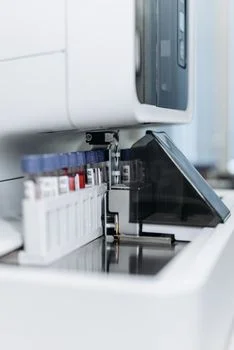
The choice between a hybrid DAF-RO-MBR system and a standalone chemical precipitation system for HF wastewater treatment significantly impacts performance metrics, capital expenditure (CAPEX), and operational expenditure (OPEX). Hybrid systems offer superior water quality and recovery, while standalone precipitation provides a lower initial investment for less stringent discharge requirements.
Hybrid DAF-RO-MBR systems achieve a fluoride removal efficiency of up to 99%, consistently producing effluent with less than 1 mg/L of fluoride, suitable for direct industrial reuse or meeting stringent zero liquid discharge (ZLD) requirements. In contrast, standalone chemical precipitation typically achieves 85–90% fluoride removal, yielding effluent concentrations generally in the range of 5–15 mg/L, which may be acceptable for less demanding discharge limits but rarely for reuse. Water recovery rates are dramatically different, with hybrid systems recovering 80–90% of the influent volume for reuse, while standalone precipitation systems typically recover only 50–60% due to higher sludge volumes and the inability to treat the permeate for further recovery.
CAPEX for a 50 m³/h hybrid DAF-RO-MBR system typically ranges from $500K to $5M, reflecting the complexity of multiple integrated technologies and advanced instrumentation. A comparable standalone precipitation system for the same flow rate generally costs between $200K and $1M, primarily covering chemical dosing, reaction tanks, and clarification units. However, OPEX for hybrid systems, while higher at $1.20–$2.50/m³, offers long-term benefits through water reuse savings and reduced fresh water intake. Standalone systems have a lower OPEX of $0.80–$1.50/m³, largely dominated by chemical costs and sludge disposal. The physical footprint of a hybrid system is generally larger, requiring 30–50 m² for a 50 m³/h plant, compared to 15–25 m² for a standalone precipitation system. Maintenance requirements for hybrid systems include membrane cleaning every 30–60 days and periodic membrane replacement, whereas standalone systems primarily focus on sludge dewatering and disposal every 7–14 days, which can be a significant logistical and cost burden.
System Comparison: Hybrid DAF-RO-MBR vs. Standalone Precipitation
| Feature | Hybrid DAF-RO-MBR System | Standalone Precipitation System |
|---|---|---|
| Fluoride Removal Efficiency | 95–99% | 85–90% |
| Effluent Fluoride Concentration | <1 mg/L (for reuse/ZLD) | 5–15 mg/L (for discharge) |
| Water Recovery Rate | 80–90% | 50–60% |
| Typical CAPEX (50 m³/h) | $500K–$5M | $200K–$1M |
| Typical OPEX (per m³) | $1.20–$2.50 | $0.80–$1.50 |
| Primary OPEX Drivers | Energy, membrane replacement, chemicals | Chemicals, sludge disposal |
| Footprint (50 m³/h) | 30–50 m² | 15–25 m² |
| Maintenance Focus | Membrane cleaning (30-60 days), replacement | Sludge handling (7-14 days), chemical system upkeep |
| Suitability for ZLD/Reuse | Excellent | Poor |
Compliance Standards for HF Wastewater: EPA, EU, and China GB Benchmarks
Meeting regulatory compliance for fluoride discharge is a critical challenge for industries handling hydrofluoric acid, with standards varying significantly by region and specific industrial sector. Industrial process engineers and EHS managers must precisely understand these benchmarks to design and operate effective HF wastewater treatment systems.
The United States Environmental Protection Agency (EPA) sets specific effluent limitations under 40 CFR Part 469, stipulating a fluoride discharge limit of 4 mg/L for semiconductor manufacturing plants and 10 mg/L for printed circuit board (PCB) plants. These stringent limits often necessitate advanced treatment beyond simple precipitation. In the European Union, the Industrial Emissions Directive (2010/75/EU) typically sets a broader fluoride discharge limit of 15 mg/L for all industrial sectors, including those involved in display panel and TFT-LCD wastewater treatment systems with similar hybrid designs. China’s national standard, GB 8978-1996 (Discharge Standard of Wastewater Pollutants), specifies fluoride limits of 10 mg/L for discharge into Class I water bodies and 15 mg/L for Class II water bodies, impacting PCB wastewater treatment with fluoride and heavy metal removal. the global trend toward Zero Liquid Discharge (ZLD) requirements, particularly in regions like India, mandates virtually no fluoride discharge for semiconductor fabs, pushing the need for systems that achieve <1 mg/L. Hybrid DAF-RO-MBR systems are specifically designed to meet ZLD requirements by achieving fluoride concentrations well below 1 mg/L in the permeate, enabling high-purity water reuse within the plant.
Global Fluoride Discharge Limits for Industrial Wastewater
| Regulatory Body/Region | Standard/Directive | Fluoride Limit (mg/L) | Applicable Industries/Notes |
|---|---|---|---|
| United States (EPA) | 40 CFR Part 469 | 4 | Semiconductor manufacturing |
| United States (EPA) | 40 CFR Part 469 | 10 | Printed Circuit Board (PCB) manufacturing |
| European Union | Industrial Emissions Directive (2010/75/EU) | 15 | General industrial wastewater (e.g., TFT-LCD, Semiconductor) |
| China | GB 8978-1996 (Class I) | 10 | Discharge into Class I water bodies |
| China | GB 8978-1996 (Class II) | 15 | Discharge into Class II water bodies |
| Global Trend | Zero Liquid Discharge (ZLD) | No discharge (effectively <1) | Increasingly mandated in water-stressed regions (e.g., India for fabs) |
CAPEX and OPEX Cost Models for HF Wastewater Treatment Systems
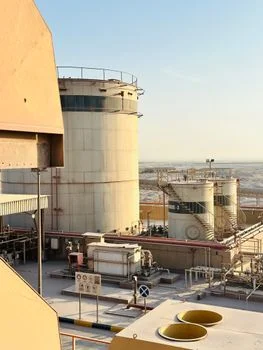
Understanding the capital expenditure (CAPEX) and operational expenditure (OPEX) is crucial for evaluating the long-term economic viability and return on investment (ROI) of an HF wastewater treatment system. Cost models vary significantly based on system complexity, flow rate, and target effluent quality.
For a typical 50 m³/h hybrid DAF-RO-MBR system designed for high fluoride removal and water reuse, the total CAPEX can reach approximately $2.8 million. This breakdown includes an estimated $1.2 million for the Dissolved Air Flotation (DAF) unit, $800K for the Industrial Reverse Osmosis (RO) Water Treatment System, $500K for the MBR Flat Sheet Membrane Module (DF Series), and an additional $300K for civil works, electrical, and control systems. This investment covers the advanced equipment necessary to achieve stringent discharge limits and high water recovery rates. OPEX for such a system typically ranges from $1.20 to $2.50 per cubic meter (m³) of treated wastewater. This includes chemical costs (e.g., CaCl₂, NaOH, antiscalants) at $0.80–$1.50/m³, energy consumption (pumps, blowers) at $0.30–$0.50/m³, labor for operation and maintenance at $0.10–$0.20/m³, and membrane replacement costs (RO and MBR) at $0.20–$0.40/m³ over their lifespan. The higher initial CAPEX and ongoing OPEX for hybrid systems are often justified by significant water reuse savings; a 100 m³/h semiconductor fab, for example, can realize approximately $1.5 million per year in fresh water procurement and wastewater discharge savings, leading to an ROI payback period of 3–5 years (HydropureWater case study, 2024).
Cost sensitivity analysis reveals that the influent fluoride concentration significantly impacts CAPEX, with systems treating 1000 ppm fluoride requiring 20–30% higher capital investment than those treating 100 ppm, primarily due to increased chemical storage, dosing capacity, and sludge handling requirements. the specific ZLD requirements, if applicable, can further increase CAPEX by 15-20% due to the inclusion of evaporators or crystallizers for brine management.
CAPEX and OPEX Breakdown for a 50 m³/h Hybrid DAF-RO-MBR System
| Cost Category | Estimated CAPEX (USD) | Estimated OPEX (per m³) | Notes |
|---|---|---|---|
| DAF System (Equipment) | $1,200,000 | Included in overall OPEX | Primary clarification and TSS removal |
| RO System (Equipment) | $800,000 | Included in overall OPEX | High fluoride rejection, water recovery |
| MBR System (Equipment) | $500,000 | Included in overall OPEX | Secondary polishing, RO pre-treatment |
| Civil Works, Electrical, Controls | $300,000 | Included in overall OPEX | Site preparation, automation, installation |
| Total Estimated CAPEX | $2,800,000 | N/A | For a 50 m³/h hybrid system |
| Chemicals (CaCl₂, NaOH, Antiscalants) | N/A | $0.80–$1.50 | Largest OPEX component |
| Energy (Pumps, Blowers, etc.) | N/A | $0.30–$0.50 | Power consumption for system operation |
| Labor (Operation & Maintenance) | N/A | $0.10–$0.20 | Skilled personnel for system management |
| Membrane Replacement (RO & MBR) | N/A | $0.20–$0.40 | Periodic replacement, typically every 3-5 years |
| Total Estimated OPEX | N/A | $1.20–$2.50 | Per cubic meter of treated water |
5 Critical Mistakes When Selecting an HF Wastewater Treatment System
Selecting an HF wastewater treatment system involves complex engineering and operational considerations, and overlooking critical details can lead to severe compliance issues, increased costs, and system failures. Avoiding common pitfalls is paramount for long-term success.
- Ignoring Calcium Fluoride Scaling in RO Membranes: One of the most critical errors is failing to adequately account for calcium fluoride scaling potential, particularly in downstream RO membranes. Engineers must calculate the Langelier Saturation Index (LSI) and saturation indices for CaF₂ in the RO concentrate stream. Without proper antiscalant dosing and system design (e.g., lower recovery rates, periodic flushing), CaF₂ will precipitate on membrane surfaces, leading to irreversible fouling and premature membrane replacement, often within months instead of years.
- Underestimating Chemical Storage Requirements: Inadequate planning for chemical storage can lead to supply chain disruptions and operational halts. For a 50 m³/h system treating typical HF wastewater, a 30-day supply of calcium chloride (CaCl₂) can easily require multiple large storage tanks, along with dedicated space for sodium hydroxide (NaOH) and antiscalants. Failing to factor in bulk delivery logistics, safety containment, and sufficient inventory buffer leads to frequent, costly emergency orders and potential downtime.
- Failing to Include Redundant pH Sensors: pH control is the cornerstone of effective HF neutralization and precipitation. Relying on a single pH sensor for critical dosing can be disastrous; sensor drift or failure, which is common in aggressive wastewater environments, can lead to uncontrolled fluoride discharge. A documented case involved a facility facing $500K in fines after a single pH sensor failure resulted in prolonged effluent fluoride spikes, highlighting the necessity of redundant pH sensors with automatic cross-calibration and alarm systems.
- Overlooking Membrane Compatibility with HF: Not all membranes are suitable for HF wastewater treatment. While polyamide RO membranes are highly effective for fluoride rejection, they are sensitive to extreme pH conditions. Operating outside their specified pH range (typically 2-11) can cause irreversible damage. Specifically, exposure to pH below 2 (highly acidic) can hydrolyze the polyamide material, degrading membrane performance. Similarly, MBR membranes must be selected for chemical resistance to cleaning agents used to tackle CaF₂ fouling.
- Not Accounting for Sludge Disposal Costs: Calcium fluoride sludge, while generally classified as non-hazardous, still requires proper disposal, which can be a significant and often underestimated OPEX component. CaF₂ sludge typically has a high moisture content and density, requiring dewatering before landfilling. Disposal costs can range from $100–$300 per ton, depending on local regulations, transportation distance, and landfill fees. Ignoring these costs in the initial budgeting phase leads to significant financial surprises during operation.
Frequently Asked Questions
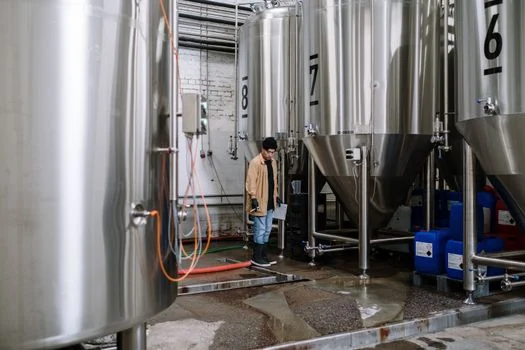
Here are answers to common technical and operational questions regarding HF wastewater treatment systems, providing actionable insights for engineers and procurement teams.
What is the optimal pH for HF neutralization?
The optimal pH for HF neutralization is 9.5 ± 0.2. This specific range maximizes the precipitation of fluoride ions as insoluble calcium fluoride (CaF₂), ensuring the highest possible fluoride removal efficiency prior to subsequent treatment stages (HydropureWater process guidelines, 2025).
How much calcium chloride is needed to treat 100 ppm fluoride?
To treat 100 ppm (mg/L) of fluoride, approximately 220 mg/L of calcium chloride (CaCl₂) is needed. This calculation is based on a molar ratio of 2.2 moles of Ca²⁺ per mole of F⁻, accounting for a slight excess to ensure complete precipitation of CaF₂.
What are the fluoride discharge limits for semiconductor plants in the EU?
For semiconductor plants in the EU, the typical fluoride discharge limit is 15 mg/L, as stipulated by the Industrial Emissions Directive (2010/75/EU). This limit is generally applied across various industrial sectors in the European Union.
Can HF wastewater be reused in semiconductor processes?
Yes, HF wastewater can be reused in semiconductor processes after advanced treatment. RO permeate with fluoride concentrations below 1 mg/L can meet stringent ultrapure water (UPW) specifications required for non-critical rinse processes or be further polished for higher-grade reuse, significantly reducing fresh water consumption (HydropureWater reuse study, 2024).
What is the lifespan of RO membranes in HF wastewater treatment?
The lifespan of RO membranes in HF wastewater treatment typically ranges from 3–5 years. This longevity is achievable with proper pre-treatment (e.g., DAF, MBR), consistent antiscalant dosing to mitigate calcium fluoride scaling, and regular chemical cleaning protocols to manage fouling mechanisms.