Bangkok’s industrial wastewater treatment landscape is defined by strict BMA/PCB effluent limits (COD ≤ 120 mg/L, TSS ≤ 50 mg/L, BOD ≤ 20 mg/L) and a total WWTP capacity of 1,136,800 m³/day. Facilities must choose between MBR (99% pathogen removal, 60% smaller footprint), DAF (92-97% TSS removal, ideal for FOG-heavy effluent), or hybrid systems to meet compliance while optimizing CAPEX (฿5M–฿50M) and OPEX (฿0.8–฿2.5/m³). This guide provides engineering specs, cost models, and zero-risk equipment configurations tailored to Bangkok’s regulatory context.
Bangkok’s Industrial Wastewater Crisis: Why Compliance Is Non-Negotiable in 2025
In 2025, Bangkok's industrial facilities face heightened scrutiny regarding wastewater discharge, with BMA’s enforcement crackdown imposing significant penalties for non-compliance. Untreated or inadequately treated industrial discharge can result in fines up to ฿1 million and immediate facility shutdowns, as outlined in reports such as JICA's preparatory survey for Bangkok's wastewater treatment project (JICA PDF, Section 3.3). The Pollution Control Department (PCB) sets stringent effluent limits for industrial wastewater, requiring COD to be ≤ 120 mg/L, TSS ≤ 50 mg/L, BOD ≤ 20 mg/L, and pH maintained within 5.5–9.0. These benchmarks are critical for all industrial operations within the Bangkok Metropolitan Area.
A notable case involved a Bangkok hospital fined ฿800,000 for exceeding E. coli limits in its discharge. The issue was subsequently resolved through the implementation of advanced UV disinfection technology, achieving a 99.9% kill rate for pathogens. This incident underscores the necessity of robust treatment solutions, even for seemingly less industrial effluents. Bangkok currently operates 8 large wastewater treatment plants with a combined capacity of 1.1 million m³/day. However, these municipal facilities primarily rely on activated sludge (AS) systems, which are often insufficient for treating the high-strength, complex industrial effluent discharged by factories, leading to widespread non-compliance if facilities do not implement their own effective pretreatment or full-scale treatment solutions (IWA Publishing).
The financial implications extend beyond direct fines. Repeated violations can lead to permanent operating license revocation, significant reputational damage, and costly remediation efforts. Proactive investment in appropriate wastewater treatment infrastructure is therefore not just a regulatory obligation, but a strategic imperative for sustained industrial operation in Bangkok.
Engineering Specs for Industrial Wastewater Treatment in Bangkok: Effluent Limits vs. Technology Capabilities
Selecting the appropriate industrial wastewater treatment technology in Bangkok requires a precise understanding of the BMA/PCB effluent limits and the proven capabilities of various systems. Matching your facility's effluent profile to the right technology is crucial for achieving compliance efficiently. The table below details the BMA/PCB limits and the achievable discharge quality from HydropureWater's MBR, DAF, and hybrid systems.
| Parameter | BMA/PCB Effluent Limit | MBR System Achievable | DAF System Achievable (Pretreatment) | Hybrid System Achievable (DAF + MBR) |
|---|---|---|---|---|
| COD | ≤ 120 mg/L | < 20 mg/L (95–98% removal) | Limited (Primary treatment only) | < 10 mg/L |
| TSS | ≤ 50 mg/L | < 5 mg/L | < 10–20 mg/L (92–97% removal) | < 5 mg/L |
| BOD | ≤ 20 mg/L | < 5 mg/L | Limited (Primary treatment only) | < 5 mg/L |
| pH | 5.5–9.0 | 6.5–8.5 (post-treatment) | Influent pH maintained | 6.5–8.5 (post-treatment) |
| Heavy Metals (e.g., Cr) | ≤ 0.5 mg/L | Significant reduction (with specific chemical dosing) | Partial reduction (with specific chemical dosing) | Significant reduction (with specific chemical dosing) |
| Pathogen Removal (E. coli) | Not explicitly specified, but strict for reuse | > 99% removal (0 CFU/100 mL) | Minimal | > 99% removal (0 CFU/100 mL) |
MBR systems for industrial wastewater in Bangkok, such as HydropureWater’s integrated solutions, utilize advanced PVDF membranes with typical flux rates ranging from 15–25 LMH (liters per square meter per hour) and hydraulic retention times of 4–6 hours. These systems consistently achieve high removal efficiencies, with COD removal rates between 95–98%, and produce effluent with extremely low TSS and BOD levels, often suitable for direct discharge or even reuse.
DAF systems for FOG and TSS removal in Bangkok are highly effective for primary treatment, particularly for industrial wastewater characterized by high concentrations of suspended solids (TSS) and fats, oils, and grease (FOG). HydropureWater’s DAF units feature micro-bubble generators producing bubbles 30–50 μm in size, enabling 92–97% TSS removal and up to 90% FOG removal. While DAF excels at physical separation, it typically requires secondary biological treatment to meet stringent COD and BOD limits.
Hybrid systems, combining DAF as pretreatment followed by MBR, offer a robust solution for complex industrial effluents. This configuration not only reduces sludge volume by up to 40% compared to standalone MBR but also enables high-quality water reuse, meeting Thailand’s specific reuse standard TIS 2302-2553. Before any advanced treatment, proper pretreatment is essential. For instance, rotary bar screens for solids larger than 5 mm are critical to protect downstream equipment from clogging and damage. HydropureWater’s GX Series rotary bar screens are designed for this purpose, preventing operational disruptions and extending the lifespan of MBR membranes and DAF components.
MBR vs. DAF vs. Hybrid Systems: Side-by-Side Comparison for Bangkok’s Industrial Effluent
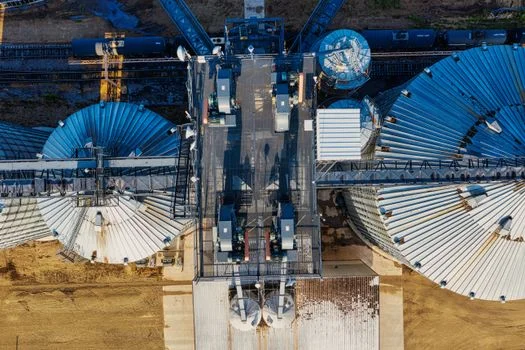
Choosing the optimal wastewater treatment technology for an industrial facility in Bangkok involves evaluating multiple parameters beyond just effluent quality. Procurement teams and engineers must consider CAPEX, OPEX, footprint constraints, and long-term compliance risk. The following comparison provides a detailed breakdown of MBR, DAF, and hybrid (DAF + MBR) systems.
| Parameter | MBR System | DAF System | Hybrid System (DAF + MBR) |
|---|---|---|---|
| CAPEX (฿) | ฿5M–฿50M (e.g., ฿15M for 20 m³/h) | ฿3M–฿20M (e.g., ฿5M for 20 m³/h) | ฿7M–฿70M (e.g., ฿20M for 20 m³/h) |
| OPEX (฿/m³) | ฿1.2–฿2.5 (e.g., ฿1.5/m³) | ฿0.8–฿1.5 (e.g., ฿0.8/m³) | ฿1.0–฿2.0 (e.g., ฿1.2/m³) |
| Footprint | 60% smaller than conventional AS | Moderate (depends on flow rate) | Moderate to small (DAF reduces MBR size) |
| TSS Removal | > 99% | 92–97% | > 99% |
| COD Removal | 95–98% | 50–70% (primary only) | 95–99% |
| FOG Removal | 50–70% (requires pretreatment for high FOG) | 90% | 90% (initial DAF stage) |
| Sludge Disposal Cost (฿/ton) | ฿800–฿2,000 (lower volume, higher concentration) | ฿800–฿2,000 (higher volume, lower concentration) | ฿800–฿2,000 (40% lower volume than standalone MBR) |
| Energy Use (kWh/m³) | 1.0–1.5 | 0.8–1.2 | 1.0–1.3 |
| Maintenance Complexity | High (membrane cleaning/replacement) | Moderate (air diffuser cleaning) | High (multiple unit maintenance) |
| Compliance Risk | Low (consistent high quality) | Moderate (requires secondary for full compliance) | Very Low (highest effluent quality) |
MBR systems for industrial wastewater in Bangkok offer near-reuse-quality effluent, making them ideal for industries requiring stringent discharge standards or water recycling. Their primary drawback is the high membrane replacement cost, typically around ฿2 million every 5–7 years, which must be factored into the long-term operational budget.
DAF systems for FOG and TSS removal in Bangkok present a lower CAPEX, with a 10 m³/h unit costing approximately ฿3 million. They are highly efficient for removing suspended solids and FOG, making them a preferred choice for industries like food processing. However, DAF systems alone are limited in their ability to remove dissolved organic pollutants and typically require secondary biological treatment to meet BMA/PCB COD and BOD limits.
Hybrid DAF-MBR systems combine the strengths of both technologies. While they incur a CAPEX approximately 30% higher than standalone MBR systems, they offer significant advantages, including up to 40% lower sludge disposal costs due to enhanced pretreatment and sludge conditioning. these systems achieve approximately 95% water reuse potential, producing effluent that consistently meets Thailand’s TIS 2302-2553 reuse standard. In real-world Bangkok applications, MBR systems are often deployed in electronics manufacturing for ultra-pure water discharge, DAF systems are prevalent in food processing for FOG removal, and hybrid systems are increasingly adopted by textile dyeing facilities for comprehensive treatment and water recycling.
Zero-Risk Compliance Checklist: How to Meet BMA/PCB Standards Without Fines or Shutdowns
Achieving and maintaining BMA/PCB wastewater discharge compliance in Bangkok requires a systematic approach to system management and monitoring. Industrial facility managers can utilize this checklist to proactively identify and address potential compliance gaps, minimizing the risk of fines and operational shutdowns.
- Verify Effluent Limits with Third-Party Lab Testing: Regularly verify your facility's discharge against BMA/PCB limits (COD ≤ 120 mg/L, TSS ≤ 50 mg/L, BOD ≤ 20 mg/L, pH 5.5–9.0) using an ISO 17025 accredited laboratory. This provides unbiased data and serves as official documentation of compliance.
- Install Real-Time Monitoring Systems: Implement continuous, real-time monitoring for critical parameters such as pH, TSS, and flow rate at your discharge point. Integrating these sensors with PLC-controlled chemical dosing for Bangkok’s variable effluent allows for immediate alerts and automated adjustments, preventing excursions before they become violations.
- Implement Automated Chemical Dosing: Utilize automatic chemical dosing systems for coagulants, flocculants, and pH adjusters. HydropureWater’s automatic dosing systems are designed to handle variable influent quality, ensuring consistent treatment performance and maintaining pH within the required 5.5–9.0 range, a common challenge for industrial facilities.
- Document Sludge Disposal Procedures: Ensure all generated sludge is disposed of only at BMA-approved landfills or incinerators. Maintain meticulous records of sludge volume, composition, and disposal manifests. Illegal dumping can result in severe fines, often up to ฿500,000, and legal prosecution.
- Conduct Quarterly Maintenance and Calibration: Establish a strict schedule for quarterly maintenance of your wastewater treatment equipment. For MBR systems for industrial wastewater in Bangkok, this involves membrane cleaning and integrity checks. For DAF systems, it includes air diffuser inspection and cleaning. Regular maintenance, documented using HydropureWater’s maintenance logs, prevents performance degradation and ensures optimal system efficiency.
Adhering to this checklist significantly reduces your facility's compliance risk, safeguarding operations and financial stability in Bangkok’s evolving regulatory landscape.
Cost Breakdown: CAPEX and OPEX for Industrial Wastewater Treatment in Bangkok (2025)
Understanding the capital expenditure (CAPEX) and operational expenditure (OPEX) for industrial wastewater treatment systems in Bangkok is crucial for accurate budgeting and strategic investment decisions. The costs vary significantly based on the chosen technology, system capacity, and effluent characteristics. The table below provides benchmarks for MBR, DAF, and hybrid systems across different capacities.
| System Type | Capacity Range (m³/h) | Estimated CAPEX (฿ Million) | Estimated OPEX (฿/m³) |
|---|---|---|---|
| DAF System | 5–20 | ฿3–฿8 (e.g., ฿5M for 20 m³/h) | ฿0.8–฿1.2 |
| DAF System | 21–100 | ฿8–฿20 | ฿1.0–฿1.5 |
| MBR System | 5–20 | ฿10–฿25 (e.g., ฿15M for 20 m³/h) | ฿1.2–฿1.8 |
| MBR System | 21–100 | ฿25–฿50 | ฿1.5–฿2.5 |
| Hybrid System (DAF+MBR) | 5–20 | ฿15–฿35 (e.g., ฿20M for 20 m³/h) | ฿1.2–฿1.8 |
| Hybrid System (DAF+MBR) | 21–100 | ฿35–฿70 | ฿1.5–฿2.2 |
CAPEX for a DAF system designed for 20 m³/h might be around ฿5 million, while a comparable MBR system could be ฿15 million. A hybrid DAF+MBR system for the same capacity would typically fall around ฿20 million. These figures include equipment, installation, and initial commissioning but can fluctuate based on site-specific requirements and civil works.
OPEX, which includes energy consumption, chemical costs, labor, and maintenance, also varies significantly. For instance, an MBR system might incur an OPEX of ฿1.5/m³, while a DAF system could be as low as ฿0.8/m³. Hybrid systems generally have an OPEX around ฿1.2/m³. Beyond these direct costs, several hidden costs must be considered:
- Sludge Disposal: This is a substantial ongoing cost, ranging from ฿800–฿2,000 per ton in Thailand, depending on the sludge type and destination. Systems that minimize sludge volume, such as hybrid DAF-MBR, can offer long-term savings.
- Membrane Replacement: For MBR systems, membranes require replacement every 5–7 years, incurring a significant cost of approximately ฿2 million for a moderately sized plant.
- Energy Consumption: Energy usage typically ranges from 0.8–1.5 kWh/m³, a major component of OPEX, especially for aeration-intensive processes in MBRs.
An ROI calculation template for wastewater treatment should consider both avoided fines (up to ฿1 million per violation) and potential revenue from water reuse. For hybrid systems, the payback period can be significantly shortened by the value of recycled water, which reduces fresh water consumption and associated costs, mirroring successful strategies seen in Penang’s effluent standards and cost benchmarks for industrial WWTPs. This comprehensive cost analysis is essential for making informed, economically sound decisions for industrial wastewater treatment in Bangkok.
Frequently Asked Questions
What are the BMA/PCB effluent limits for industrial wastewater in Bangkok?
The primary BMA/PCB effluent limits for industrial wastewater in Bangkok are COD ≤ 120 mg/L, TSS ≤ 50 mg/L, BOD ≤ 20 mg/L, and pH 5.5–9.0. Additionally, specific limits apply to heavy metals, such as Chromium (Cr) ≤ 0.5 mg/L, and other pollutants depending on the industry.
How much does an industrial wastewater treatment system cost in Bangkok?
The capital expenditure (CAPEX) for an industrial wastewater treatment system in Bangkok typically ranges from ฿3 million for a basic DAF system (10 m³/h capacity) to ฿50 million or more for a sophisticated hybrid MBR-RO system (100 m³/h capacity). Operational expenditure (OPEX) generally falls between ฿0.8–฿2.5 per cubic meter (m³) of treated wastewater, depending on technology, energy costs, and chemical consumption.
Which technology is best for high-FOG wastewater (e.g., food processing)?
For industrial wastewater with high concentrations of fats, oils, and grease (FOG), such as from food processing facilities, Dissolved Air Flotation (DAF) systems are highly effective. DAF systems can remove up to 90% of FOG and 92–97% of TSS, making them an ideal primary treatment solution for these industries. They significantly reduce the organic load before subsequent biological treatment.
Can treated wastewater be reused in Bangkok?
Yes, treated industrial wastewater can be reused in Bangkok, provided it meets stringent quality standards. Advanced treatment technologies, particularly hybrid DAF-RO-MBR systems for high-strength industrial effluent, can produce effluent that consistently meets Thailand’s water reuse standard TIS 2302-2553. This standard typically requires turbidity ≤ 2 NTU and E. coli 0 CFU/100 mL, enabling the water to be used for non-potable applications like cooling towers, irrigation, or process water.
What are the penalties for non-compliance with BMA/PCB standards?
Non-compliance with BMA/PCB wastewater discharge standards in Bangkok can result in severe penalties. These include fines up to ฿1 million per violation, immediate facility shutdowns, and potential legal action for repeated or egregious violations. Additionally, companies face significant reputational damage and the long-term costs associated with remediation and stricter regulatory oversight.
Related Equipment
The following HydropureWater products are engineered for the wastewater challenges discussed above:
- DAF systems for FOG and TSS removal in Bangkok — view specifications, capacity range, and technical data
Need a customized solution? Request a free quote with your specific flow rate and pollutant parameters.