A package wastewater treatment plant in Nepal typically uses A/O biological contact oxidation to achieve 85–92% BOD and 80–90% COD removal for flows of 1–80 m³/h. These buried, fully automated systems meet Nepal’s growing demand for compact, compliant solutions in urban and remote areas.
Why Nepal Needs Packaged Wastewater Treatment Plants
Nepal's urban population surged to 6.7 million in 2023, according to the World Bank, placing immense pressure on existing wastewater infrastructure. This rapid urbanization has led to a critical imbalance: while the population grows, the development of proportional sewage treatment infrastructure lags significantly. For instance, the Department of Water Supply and Sewerage (2023) reports that only 35% of Kathmandu’s sewage currently receives treatment, with the vast majority discharging untreated into natural water bodies like the Bagmati River.
The Nepalese government recognizes this challenge, as evidenced by ongoing projects such as the expansion of the Guheswori Wastewater Treatment Plant. This focus on modernizing and expanding treatment capacity signals a clear market demand for efficient, scalable, and rapidly deployable wastewater treatment solutions. Centralized treatment plants, while effective for dense urban centers, often face significant hurdles in Nepal due to the country's diverse and challenging topography, characterized by remote terrain, seismic activity, and seasonal monsoon flooding. These conditions make the construction and maintenance of extensive pipeline networks and large-scale conventional plants logistically complex and costly.
In this context, prefabricated sewage treatment plants offer a compelling alternative. Their modular design allows for rapid deployment in areas where conventional construction is impractical, providing resilience against environmental challenges. For factories, hospitals, and housing projects located in both growing urban fringes and remote valleys, a compact underground package wastewater treatment plant in Nepal provides a decentralized solution that can be installed quickly, minimize land footprint, and operate effectively with minimal human intervention, aligning with the urgent need for sustainable wastewater management across the nation.
How Packaged STPs Work: A/O vs MBR Technologies
Packaged wastewater treatment plants primarily utilize two distinct biological treatment technologies: Anoxic/Aerobic (A/O) and Membrane Bioreactor (MBR) systems, each offering specific advantages for different applications in Nepal. The A/O process, commonly found in the WSZ series of integrated plants, relies on biological contact oxidation to achieve significant pollutant reduction. These systems typically deliver 85–92% Biological Oxygen Demand (BOD) removal and 80–90% Chemical Oxygen Demand (COD) reduction for flow rates ranging from 1 to 80 m³/h (HydropureWater field data, 2025). The A/O configuration is characterized by its robust nature, lower operational complexity, and suitability for a wide range of municipal and light industrial effluents.
In contrast, MBR systems integrate biological treatment with advanced membrane filtration, typically employing 0.1 μm PVDF membranes. This combination allows MBR systems to achieve superior effluent quality, with greater than 95% BOD and COD removal, often producing water suitable for reuse. However, this enhanced performance comes at a higher capital cost, with MBR systems costing approximately 30–40% more than comparable A/O systems. While a high-efficiency MBR system for space-constrained sites offers a smaller physical footprint, reducing land requirements by up to 40%, making them ideal for urban sites or hospitals in Kathmandu where space is at a premium.
Energy consumption also differentiates these two technologies. A/O systems are generally more energy-efficient, requiring approximately 60% less energy than MBR systems, which necessitate additional power for membrane air scouring and filtration. This makes A/O systems particularly well-suited for rural communities and small industries in Nepal that may have limited or unreliable access to grid power. The choice between an A/O wastewater system and an MBR system hinges on the specific effluent quality requirements, available space, budget, and operational energy considerations.
The table below provides a direct comparison of A/O and MBR technologies:
| Feature | A/O Biological Contact Oxidation (WSZ Series) | Membrane Bioreactor (MBR) |
|---|---|---|
| BOD Removal Efficiency | 85–92% | >95% |
| COD Removal Efficiency | 80–90% | >95% |
| Typical Flow Rate Range | 1–80 m³/h | 1–80 m³/h (standard) |
| Relative Capital Cost | Lower (Baseline) | 30–40% higher than A/O |
| Relative Energy Consumption | Lower (e.g., 0.3–0.6 kWh/m³) | Higher (e.g., 0.8–1.2 kWh/m³) |
| Footprint Requirement | Larger | 40% smaller than A/O |
| Effluent Quality | Good, meets NEQS | Superior, often suitable for reuse |
| Maintenance Complexity | Moderate | Higher (membrane cleaning/replacement) |
For more details on A/O systems, refer to our compact underground package wastewater treatment plant with A/O process. For advanced MBR solutions, explore our high-efficiency MBR system for space-constrained sites.
Key Technical Specifications for Nepal Deployments
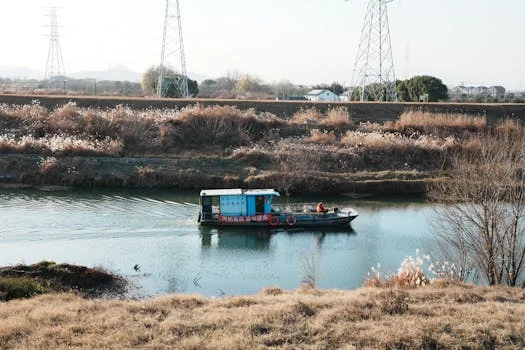
The selection of a package wastewater treatment plant for deployment in Nepal hinges on specific technical specifications that ensure operational reliability across diverse environmental conditions. Given Nepal's varied climate zones, from subtropical plains to temperate highlands, the operating temperature range of an STP is paramount. The WSZ series, for instance, is engineered to operate effectively between -5°C and 45°C, making it suitable for nearly all regions of Nepal. This robust temperature tolerance ensures consistent biological activity and treatment efficiency regardless of seasonal fluctuations or geographical location.
Automation and remote operability are critical features, especially for facilities in remote areas or those with limited access to skilled operators. Modern packaged systems, like the WSZ series, incorporate fully automated PLC (Programmable Logic Controller) control. This advanced automation minimizes the need for continuous onsite supervision, sending SMS alerts for operational anomalies or maintenance requirements. This functionality is invaluable for maintaining operational efficiency and compliance without requiring a dedicated onsite operator, which significantly reduces operational expenditure.
Installation logistics also play a crucial role in project planning. Many package wastewater treatment plants are designed for buried installation, which allows the treated area to be landscaped or even overlaid with roads or parking, preserving valuable surface space. This is particularly advantageous for hotels, housing projects, or factories where aesthetics and land utility are important considerations. Alternatively, above-ground versions are available on skid-mounted frames, offering flexibility for mobile applications or temporary sites. For specific MBR components, details can be found on our MBR membrane bioreactor module page.
Power consumption is another vital specification impacting long-term operational costs. For A/O systems, typical power consumption ranges from 0.3 to 0.6 kWh/m³ of treated wastewater. MBR systems, due to the energy required for membrane air scouring and filtration, generally consume more power, typically between 0.8 and 1.2 kWh/m³. This difference can be a significant factor in regions with high electricity costs or unreliable power supply. Understanding these technical nuances is essential for engineers and procurement leads to make informed decisions for a modular STP cost in Nepal.
The table below outlines key technical specifications for packaged STPs:
| Specification | A/O Systems (WSZ Series) | MBR Systems |
|---|---|---|
| Operating Temperature Range | -5°C to 45°C | -5°C to 45°C |
| Automation Level | Fully automated PLC with SMS alerts | Fully automated PLC with SMS alerts |
| Installation Type | Underground (standard), Above-ground (skid) | Underground (standard), Above-ground (skid) |
| Power Consumption (Operational) | 0.3–0.6 kWh/m³ | 0.8–1.2 kWh/m³ (incl. membrane air scouring) |
| Sludge Production Rate | Low to Moderate | Low |
| Effluent Turbidity | <10 NTU | <1 NTU |
For more information on compact underground STP installation, visit our Underground Package Sewage Treatment Plant (WSZ Series) product page.
Cost Comparison: 2025 Pricing for Packaged Plants in Nepal
Estimating the Capital Expenditure (CAPEX) for a package wastewater treatment plant in Nepal requires a detailed understanding of system capacity, technology choice, and logistics. For A/O-based WSZ systems, the pricing typically scales with capacity. Smaller units, ranging from 1 to 10 m³/h, generally cost between $8,000 and $12,000 per m³/h of capacity. Mid-range systems (10–50 m³/h) see a slight decrease in per-unit cost, falling between $6,500 and $9,000 per m³/h. Larger A/O systems, with capacities of 50–80 m³/h, offer further economies of scale, priced at $5,500–$7,500 per m³/h (HydropureWater field data, 2025).
MBR systems, offering superior effluent quality and a smaller footprint, command a higher price point. For the 10–50 m³/h range, MBR systems typically cost $14,000–$18,000 per m³/h. This higher cost is primarily attributable to the advanced membrane technology, specialized aeration components for membrane scouring, and more complex control systems. When evaluating a modular STP cost in Nepal, it's crucial to factor in these technological differences.
Beyond the direct equipment cost, logistics and import duties significantly impact the final project budget. Shipping a standard 20ft container from China to Kathmandu typically adds $1,200–$2,500. Additionally, customs duties for industrial wastewater treatment equipment in Nepal generally range from 10–15% of the declared value. These costs must be meticulously calculated to avoid budget overruns. While direct imports can offer competitive pricing, local suppliers often quote 15–20% higher, but this typically includes local installation, commissioning, and after-sales support, which can be valuable for projects requiring comprehensive turnkey solutions.
The table below provides an estimated cost comparison for packaged STPs in Nepal (2025 pricing):
| Component | A/O Systems (WSZ Series) | MBR Systems |
|---|---|---|
| Equipment Cost (1-10 m³/h) | $8,000–$12,000 per m³/h | N/A (typically higher capacities) |
| Equipment Cost (10-50 m³/h) | $6,500–$9,000 per m³/h | $14,000–$18,000 per m³/h |
| Equipment Cost (50-80 m³/h) | $5,500–$7,500 per m³/h | (Higher, capacity dependent) |
| Shipping (20ft container to Kathmandu) | $1,200–$2,500 | $1,200–$2,500 |
| Customs Duties (Industrial Equipment) | 10–15% of declared value | 10–15% of declared value |
| Local Supplier Premium (vs. direct import) | 15–20% higher (incl. installation) | 15–20% higher (incl. installation) |
Meeting Nepal’s Environmental Standards and NEQS
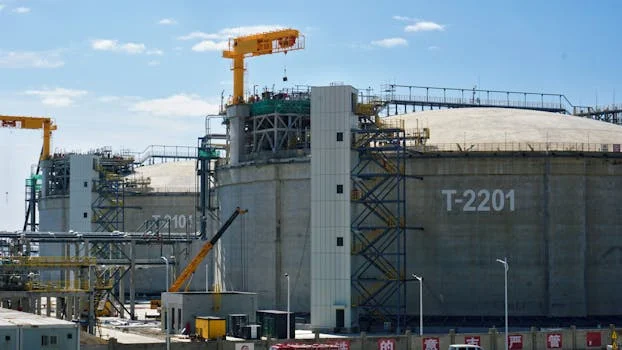
Compliance with Nepal’s National Environmental Quality Standards (NEQS) is a mandatory requirement for all industrial and commercial wastewater discharge, with specific limits for key pollutants. For industrial effluent, NEQS sets maximum permissible limits of 100 mg/L for Biological Oxygen Demand (BOD), 250 mg/L for Chemical Oxygen Demand (COD), and 100 mg/L for Total Suspended Solids (TSS). These standards are critical benchmarks that any package wastewater treatment plant in Nepal must consistently meet to avoid regulatory penalties and ensure environmental protection.
Standard A/O systems are highly effective in achieving these compliance levels for most sectors. They typically produce effluent with BOD levels of 20–30 mg/L and COD levels of 50–70 mg/L, comfortably within NEQS limits. This makes A/O wastewater systems a reliable and cost-effective choice for general industrial, commercial, and municipal applications. However, for specialized effluents, such as those from pharmaceutical manufacturing or hospitals, additional treatment steps may be necessary to meet stringent pathogen limits. In such cases, post-treatment disinfection using technologies like ozone or Chlorine Dioxide (ClO₂) generators is often required.
The Department of Environment (DoE) Nepal (2024) also specifies effluent testing frequencies based on plant capacity. For wastewater treatment plants with a capacity greater than 50 m³/day, monthly effluent testing is mandated. For plants treating less than 50 m³/day, quarterly testing is sufficient. Adhering to these monitoring requirements is crucial for demonstrating ongoing NEQS compliance Nepal. Engineers and facility managers must integrate these testing protocols into their operational plans to validate system performance and ensure continuous adherence to national environmental standards. For medical wastewater solutions, consider products like our medical wastewater treatment, and for disinfection, our chlorine dioxide generator.
Frequently Asked Questions
Understanding the fundamental aspects of packaged wastewater treatment plants is crucial for project planning and operational efficiency in Nepal.
- What is a packaged wastewater treatment plant? A packaged wastewater treatment plant is a factory-built, modular system that combines primary, secondary, and often disinfection processes into a single, compact unit. These systems are designed for rapid deployment and offer a decentralized solution for treating wastewater from residential, commercial, or industrial sources.
- How many sewage treatment plants are in Nepal? As of 2024, Nepal has 12 operational sewage treatment plants with a combined capacity of approximately 150,000 m³/day, and an additional 8 plants are currently under construction. This indicates a growing national effort to address wastewater management.
- Which technology is best for hotels in Pokhara? For hotels in Pokhara, an A/O-based WSZ series package wastewater treatment plant in Nepal with a capacity of 10–30 m³/h is often recommended. Its underground installation capability allows for landscaping or other uses of the surface area, which is ideal for maintaining hotel aesthetics and maximizing property utility.
- Can packaged plants handle industrial wastewater? Yes, packaged plants can effectively handle industrial wastewater, but often require specific pretreatment steps. For instance, industries with high fats, oils, and grease (FOG) content, such as food processing, may need a Dissolved Air Flotation (DAF) system as pretreatment before the packaged biological treatment unit. Textile effluent might require pH adjustment and color removal.
- What maintenance does a packaged STP require? Routine maintenance for a packaged STP includes monthly inspections of mechanical components (pumps, blowers), quarterly sludge removal from the clarification tank, and annual deep cleaning or replacement of filter media. MBR systems also require periodic membrane cleaning (e.g., chemical cleaning every 3-6 months) and eventual membrane replacement (typically every 5-10 years).
Further Reading
Explore these in-depth articles on related wastewater treatment topics: