Vermont’s Wastewater Treatment Landscape: Regulatory Pressures and Capacity Gaps
Vermont’s 91 municipal sewage treatment plants process over 15 billion gallons of wastewater annually, with effluent phosphorus limits now tightened under the EPA’s Lake Champlain Total Maximum Daily Load (TMDL). Facilities like Rutland (10 pumping stations, 6 neighboring communities) and Montpelier (1.1M gallons/day) must upgrade to tertiary treatment—using chemical dosing (e.g., sodium aluminate), dissolved air flotation (DAF), or membrane bioreactors (MBR)—to achieve <0.1 mg/L phosphorus discharge. Combined sewer overflows (CSOs) during snowmelt or heavy rain further complicate compliance, requiring real-time monitoring and capacity expansions.
The EPA’s 2023 Lake Champlain TMDL mandates a reduction in phosphorus loading, imposing stricter limits of <0.1 mg/L for discharges to Lake Champlain, a significant decrease from previous standards that allowed up to 0.8 mg/L (per Vermont Department of Environmental Conservation). This regulatory shift directly impacts numerous municipal sewage treatment plants in Vermont USA, compelling immediate investment in advanced phosphorus removal technologies. 12 Vermont municipalities currently operate combined sewers, which frequently lead to CSOs during intense precipitation events or rapid snowmelt, discharging untreated wastewater directly into receiving waters (as documented in the Vermont Department of Environmental Conservation's Recently Reported Sewer Overflows data). This dual challenge necessitates robust Vermont CSO mitigation strategies alongside enhanced nutrient removal.
Although Vermont's 91 municipal plants collectively process 15 billion gallons of wastewater annually, only approximately 30% currently employ tertiary treatment capable of meeting these new stringent phosphorus targets. Rutland’s facility, a regional hub, stands as an early adopter, utilizing a PLC-controlled chemical dosing system for phosphorus removal with sodium aluminate to achieve compliance. This benchmark demonstrates that effective tertiary treatment is achievable within the state. However, cold-weather wastewater treatment presents a unique challenge for biological processes in Vermont. Montpelier’s Water Resource Recovery Facility, treating approximately 1.1 million gallons of sewage daily (Montpelier, VT Water Resource Recovery Facility), successfully maintains over 85% BOD removal efficiency even when influent temperatures drop to 5°C, showcasing the need for resilient biological treatment designs tailored to the region's climate.
Engineering Specs for Vermont’s Key Municipal Plants: Influent, Effluent, and Process Parameters
Vermont’s largest municipal wastewater treatment plants demonstrate varied approaches to existing treatment and face distinct challenges in meeting new regulatory demands, providing critical benchmarks for other facilities across the state.
The City of Rutland operates the largest municipal sewage treatment plant in Vermont USA, serving 10 pumping stations and processing biosolids from six neighboring communities (City of Rutland Wastewater Treatment Facility). Its comprehensive process begins with physical treatment in grit chambers, followed by primary clarifiers to settle organic and inorganic solids. These settled solids are then pumped to anaerobic digesters for stabilization and pathogen reduction, producing methane gas utilized for heating. For phosphorus removal, Rutland employs sodium aluminate dosing for phosphorus removal, which binds with phosphorus, facilitating its removal prior to discharge. This tertiary chemical treatment is essential for achieving current phosphorus limits.
Montpelier’s Water Resource Recovery Facility processes approximately 1.1 million gallons per day (MGD) of sewage (Montpelier, VT Water Resource Recovery Facility). This facility is notable for its robust performance in cold conditions, achieving greater than 85% BOD removal even at influent temperatures as low as 5°C, demonstrating effective cold-weather wastewater treatment. Its effluent typically maintains TSS levels below 10 mg/L, meeting stringent discharge requirements. South Burlington’s Water Quality Division manages two wastewater treatment plants and 36 pump stations, collectively handling significant flows. During peak events, particularly snowmelt, these facilities can experience flows up to 12 MGD, necessitating advanced Vermont CSO mitigation strategies and robust primary/secondary treatment capacity to prevent overflows (South Burlington Wastewater Division).
The following table provides representative influent and target effluent parameters for these key Vermont wastewater facility capacity benchmarks, illustrating the challenges and compliance targets:
| Parameter | Typical Influent (Raw Sewage) | Rutland Effluent Target | Montpelier Effluent Target | South Burlington Effluent Target |
|---|---|---|---|---|
| BOD5 (mg/L) | 150-300 | <10 | <10 | <10 |
| TSS (mg/L) | 150-350 | <10 | <10 | <10 |
| Total Phosphorus (mg/L) | 4-8 | <0.1 | <0.1 | <0.1 |
| Total Nitrogen (mg/L) | 20-60 | 10-15 (typical, not TMDL) | 10-15 (typical, not TMDL) | 10-15 (typical, not TMDL) |
| Flow Rate (MGD) | Varies by system | Avg. 4.5 | Avg. 1.1 | Avg. 2.0 (peak 12) |
Note: Effluent targets for phosphorus reflect the new EPA Lake Champlain TMDL compliance requirements. Nitrogen limits are not yet universally as stringent as phosphorus but are often a future consideration.
Equipment Solutions for Vermont’s EPA TMDL Compliance: MBR vs. DAF vs. Chemical Dosing
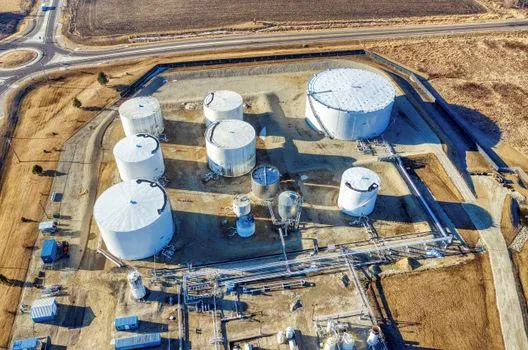
Vermont EPA phosphorus limits under the Lake Champlain TMDL necessitate advanced tertiary treatment, with municipalities evaluating a range of equipment solutions, each offering distinct advantages in performance, cost, and operational complexity.
Chemical Dosing Systems: For facilities like Rutland, PLC-controlled chemical dosing for Vermont’s phosphorus removal requirements, typically using coagulants such as sodium aluminate or ferric chloride, offers a proven method for achieving high phosphorus removal efficiency. These systems can achieve over 95% phosphorus removal, effectively bringing effluent concentrations below the <0.1 mg/L TMDL target. The capital expenditure (CapEx) for installing a robust chemical dosing system generally ranges from $200,000 to $1,000,000, depending on scale and automation. Operational expenditure (OPEX), primarily driven by chemical reagent costs, sludge handling, and energy for mixing, typically falls between $50,000 and $200,000 per year. While effective, chemical dosing increases sludge volume and requires careful chemical management.
Dissolved Air Flotation (DAF) Systems: DAF systems for Vermont’s CSO mitigation and phosphorus removal are highly effective for removing suspended solids (TSS) and associated particulate phosphorus, achieving typically over 90% TSS removal. DAF units are particularly well-suited for Vermont CSO mitigation strategies due to their ability to handle fluctuating flows and high solids loads, making them ideal for treating peak flows during snowmelt events. Their compact footprint also makes them attractive for plants with limited space. The CapEx for DAF systems ranges from $300,000 to $1,500,000, with OPEX between $30,000 and $100,000 per year, largely dependent on energy consumption for air compression and polymer usage. DAF systems can serve as a strong polishing step or as part of a comprehensive CSO treatment train.
Membrane Bioreactor (MBR) Systems: For the most stringent effluent quality and future-proofing, MBR systems for cold-weather biological treatment and EPA TMDL compliance offer superior performance, consistently producing effluent with <5 mg/L TSS and <10 mg/L BOD. MBRs integrate biological treatment with membrane filtration, eliminating the need for secondary clarifiers and tertiary filtration. Their enhanced biomass concentration and long sludge retention times contribute to excellent nutrient removal, including phosphorus, and robust performance in cold-weather wastewater treatment, maintaining high BOD removal even at low temperatures. CapEx for MBR systems is higher, typically $1,000,000 to $5,000,000, reflecting the advanced technology and membrane costs. However, OPEX, ranging from $80,000 to $300,000 per year, can be competitive due to reduced sludge volume, smaller footprint, and lower energy consumption compared to conventional systems requiring multiple clarification and filtration steps. MBRs provide the highest level of treatment quality, making them a strategic choice for Lake Champlain TMDL compliance and potential future nitrogen limits.
The following table provides a direct comparison of these key municipal sewage treatment equipment Vermont options:
| Feature | Chemical Dosing | Dissolved Air Flotation (DAF) | Membrane Bioreactor (MBR) |
|---|---|---|---|
| Primary Target | Phosphorus Removal | TSS Removal, Particulate P, CSO | High Quality Effluent (BOD, TSS, P, N) |
| Phosphorus Removal Efficiency | >95% (to <0.1 mg/L) | 60-90% (particulate P) | >95% (to <0.1 mg/L) |
| CapEx Benchmark | $200K – $1M | $300K – $1.5M | $1M – $5M |
| OPEX Benchmark (per year) | $50K – $200K | $30K – $100K | $80K – $300K |
| Cold-Weather Performance | Unaffected (chemical) | Good for solids separation | Excellent (stable biology, high HRT) |
| Footprint | Small to Medium | Medium (compact for flow) | Compact (replaces multiple units) |
| Maintenance Needs | Chemical pump calibration, sludge handling | Air saturator, pump, scraper, sludge handling | Membrane cleaning, aeration, biological monitoring |
| Sludge Volume Impact | Increases chemical sludge | Increases primary/secondary sludge | Reduces excess biological sludge |
Decision Framework: Choosing the Right System for Your Vermont Plant
Selecting the optimal wastewater treatment upgrade for a municipal sewage treatment plant in Vermont USA requires a structured approach that considers plant size, budget, specific compliance needs, and future scalability.
Step 1: Assess Plant Size and Current Treatment Level. Municipalities should first categorize their Vermont wastewater facility capacity: small (<1 MGD), medium (1–5 MGD), or large (>5 MGD). Small plants might find chemical dosing a more cost-effective immediate solution for phosphorus removal, while larger regional facilities like Rutland may opt for more robust, integrated systems. Understanding the existing primary and secondary treatment processes is crucial to determine how new tertiary systems will integrate.
Step 2: Evaluate Budget and Long-Term Financial Implications. A thorough CapEx vs. OPEX analysis is paramount. Chemical dosing systems typically have a lower initial capital investment but incur higher ongoing operational costs due to continuous chemical purchases and increased sludge disposal. Conversely, MBR systems represent a higher initial capital outlay but often offer lower long-term operational costs through reduced energy consumption, smaller footprint, and less frequent sludge hauling compared to conventional tertiary systems. This trade-off between upfront investment and recurring expenses must align with the municipality's financial planning and grant opportunities.
Step 3: Consider Cold-Weather Performance and Biological Stability. Given Vermont’s climate, the ability of a system to maintain performance during low temperatures is critical for cold-weather wastewater treatment. MBR systems, with their high biomass concentrations and extended sludge retention times, are known to maintain over 80% BOD removal efficiency at influent temperatures as low as 5°C, similar to the resilience observed at Montpelier’s plant. This makes MBR an advantageous choice for consistent biological treatment throughout the year, especially for facilities reliant on biological phosphorus removal.
Step 4: Factor in CSO Mitigation and Peak Flow Management. For the 12 Vermont municipalities with combined sewers, Vermont CSO mitigation strategies are as important as phosphorus removal. DAF systems excel at rapidly clarifying high-flow, high-solids wastewater during peak events like snowmelt, as experienced by South Burlington’s facilities. Integrating DAF can provide a crucial first line of defense for CSO treatment, preventing untreated discharges while also contributing to particulate phosphorus removal. This helps meet both solids and phosphorus targets during challenging conditions.
Step 5: Plan for Future Compliance and Scalability. The EPA’s regulatory landscape is dynamic. While Vermont EPA phosphorus limits are currently the primary driver, future TMDL updates may introduce stricter nitrogen limits. MBR systems inherently offer greater flexibility and scalability for enhanced nitrogen removal, making them a strategic investment for facilities anticipating future regulatory tightening. This forward-thinking approach ensures that today's upgrade can adapt to tomorrow's environmental mandates without requiring another complete overhaul.
Frequently Asked Questions
What are the new phosphorus limits for Vermont municipal plants discharging to Lake Champlain?
Under the EPA’s 2023 Lake Champlain TMDL, municipal sewage treatment plants discharging to the lake must now achieve effluent phosphorus concentrations of <0.1 mg/L. This is a significant tightening from previous limits, requiring advanced tertiary treatment upgrades for most facilities to ensure Lake Champlain TMDL compliance.
How do Vermont plants address combined sewer overflows (CSOs) during snowmelt?
Many Vermont municipalities utilize Vermont CSO mitigation strategies that include real-time monitoring, increased storage capacity, and high-rate treatment technologies like Dissolved Air Flotation (DAF). DAF systems, like the DAF systems, are effective at rapidly removing suspended solids and particulate phosphorus during peak flow events caused by snowmelt or heavy rain, preventing untreated discharges.
Is chemical dosing for phosphorus removal effective in cold weather?
Yes, chemical dosing for phosphorus removal, such as sodium aluminate dosing for phosphorus removal, is generally unaffected by cold temperatures, as it relies on chemical precipitation rather than biological activity. This makes it a reliable method for achieving Vermont EPA phosphorus limits year-round, regardless of influent temperature fluctuations.
What are the advantages of MBR systems for cold-weather wastewater treatment in Vermont?
MBR systems for cold-weather biological treatment offer enhanced biological stability and high biomass concentrations, allowing them to maintain efficient BOD and nutrient removal even at low influent temperatures (e.g., 5°C). This resilience is crucial for consistent performance in Vermont's climate, ensuring continuous compliance with discharge permits.
How do CapEx and OPEX compare for MBR vs. DAF for Vermont plants?
MBR systems typically have higher CapEx ($1M–$5M) but can offer competitive OPEX ($80K–$300K/year) due to superior effluent quality and reduced sludge volume. DAF systems have moderate CapEx ($300K–$1.5M) and lower OPEX ($30K–$100K/year), making them a cost-effective choice for solids removal and CSO mitigation, but not always achieving the lowest phosphorus levels on their own. For more on cost models in other regions, see Cold-weather wastewater treatment strategies from Kansas.