Why Guadalajara’s Industries Need Compliant Wastewater Treatment Equipment
Guadalajara’s industrial wastewater treatment market is governed by NOM-001-SEMARNAT-1996, which mandates effluent limits of ≤150 mg/L COD, ≤50 mg/L TSS, and ≤30 mg/L BOD₅ for most industries discharging into national water bodies. According to 2023 SEMARNAT enforcement data, authorities issued over 120 fines in the state of Jalisco during 2024 alone, targeting facilities that failed to meet these stringent parameters. For manufacturing hubs in El Salto and Zapopan, the stakes are not merely environmental but financial; non-compliance penalties can exceed $500,000 USD per violation, often accompanied by mandatory plant closures until remediation is proven.
The technical challenge for Guadalajara’s procurement managers lies in the high organic and inorganic loads characteristic of local production. Food processing facilities in the region typically generate influent with Chemical Oxygen Demand (COD) ranging from 2,000 to 5,000 mg/L and Total Suspended Solids (TSS) between 800 and 1,500 mg/L. In contrast, the electronics sector faces heavy metal concentrations of 2 to 10 mg/L, while automotive plants must manage Fats, Oils, and Grease (FOG) levels as high as 800 mg/L. Successfully bridging the gap between these raw influent levels and the legal discharge limits requires equipment capable of 90% to 98% removal efficiency.
A recent case study involving a Guadalajara-based dairy processor illustrates the risk-reward profile of modern equipment. After facing a $250,000 fine for NOM-001 violations in 2023, the facility replaced an aging sedimentation basin with a high-efficiency Dissolved Air Flotation (DAF) system. This upgrade achieved a 92% FOG removal rate and reduced effluent COD from 3,200 mg/L to 120 mg/L, effectively neutralizing the risk of future penalties while improving the facility's sustainability score for international audits.
| Industry Sector | Typical Influent COD (mg/L) | Typical Influent TSS (mg/L) | NOM-001-SEMARNAT Limit (mg/L) | Required Removal Efficiency |
|---|---|---|---|---|
| Food Processing | 2,000 – 5,000 | 800 – 1,500 | COD ≤ 150 / TSS ≤ 50 | 97% + |
| Electronics | 300 – 800 | 100 – 300 | Heavy Metals ≤ 0.5 | 95% + |
| Automotive | 500 – 1,200 | 200 – 600 | FOG ≤ 15 | 98% + |
| Slaughterhouses | 3,000 – 6,000 | 1,000 – 2,500 | BOD₅ ≤ 30 | 99% + |
Sewage Treatment Technologies Compared: MBR vs DAF vs A/O for Guadalajara’s Industries
Membrane Bioreactor (MBR) technology achieves the highest effluent quality by combining biological treatment with microfiltration using submerged PVDF membranes with a 0.1 μm pore size. For Guadalajara’s electronics fabs and medical device manufacturers, MBR systems for high-strength industrial wastewater in Guadalajara are often the preferred choice because they offer a footprint 60% smaller than conventional activated sludge systems. MBRs consistently deliver COD removal rates of 95–98% and TSS removal of 99%, producing effluent that is often suitable for onsite reuse in cooling towers or landscape irrigation, thereby reducing municipal water costs.
Dissolved Air Flotation (DAF) is the primary solution for industries dealing with high concentrations of suspended solids and emulsified oils. The process utilizes micro-bubbles to float contaminants to the surface for mechanical removal, with capacities ranging from 4 to 300 m³/h. In the context of the region's agricultural processing, DAF systems for FOG and TSS removal in Guadalajara’s slaughterhouses and dairies are essential for meeting the 15 mg/L oil and grease limit. These systems are highly effective at removing 90–95% of FOG and 85–92% of TSS, providing a robust primary or secondary treatment stage that protects downstream biological processes.
The Anoxic/Oxic (A/O) process remains the standard for municipal-strength waste and low-strength industrial effluent. This method utilizes biological contact oxidation followed by sedimentation to remove organic matter and nitrogen. For urban factories with severe surface space limitations, underground A/O systems for space-constrained Guadalajara factories provide a fully automated, low-noise solution. These WSZ series plants handle flows from 1 to 80 m³/h and achieve COD removal rates of 85–90%, making them ideal for employee facilities or light manufacturing discharge.
| Technology | COD Removal | TSS Removal | CAPEX (USD/m³/h) | Footprint | NOM-001 Compliance |
|---|---|---|---|---|---|
| MBR | 95–98% | 99% | $1,500 – $3,000 | Minimal | Excellent |
| DAF | 70–85%* | 85–92% | $1,000 – $2,000 | Moderate | Primary Only |
| A/O | 85–90% | 80–88% | $800 – $1,500 | Large (if above ground) | Good |
*Note: DAF COD removal depends heavily on the fraction of insoluble COD present in the influent.
How to Select a Sewage Treatment Equipment Supplier in Guadalajara: A Zero-Risk Framework
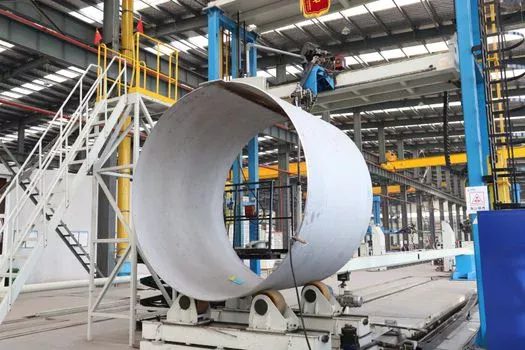
The selection of a wastewater equipment supplier in the Jalisco region must begin with a mandatory compliance verification of SEMARNAT-certified effluent testing. A zero-risk framework requires that the supplier provides a written guarantee that the proposed equipment will meet NOM-001-SEMARNAT-1996 limits based on your specific influent profile. This is critical because equipment that works for a municipal plant in Mexico City may fail when faced with the high-salinity or high-sugar wastewater common in Guadalajara’s industrial corridors.
Step two involves precise technology matching. Procurement teams should utilize a decision tree based on influent data: if COD exceeds 2,000 mg/L and space is limited, MBR is the logical choice; if FOG exceeds 500 mg/L, a DAF system must be integrated. Following technology selection, CAPEX and OPEX benchmarking is required to ensure the quote aligns with regional averages. In Guadalajara, CAPEX typically ranges from $80,000 to $2M depending on scale, while operational expenses (OPEX) should fall between $0.50 and $2.00 per cubic meter. Advanced suppliers now offer AI-driven monitoring that can reduce these operational costs by up to 15% through optimized chemical dosing and energy use.
Finally, prioritize suppliers with a localized support network. Given the high cost of production downtime, having access to technicians in Guadalajara or the surrounding Bajío region is more valuable than a lower initial purchase price from a distant vendor. ensure the system is modular. A well-engineered MBR or A/O system should allow for a 20–30% capacity increase through the addition of membrane modules or tank extensions, protecting your investment against future production expansions.
Guadalajara Wastewater Treatment Equipment Costs: CAPEX, OPEX, and ROI Breakdown
Capital expenditure (CAPEX) for wastewater treatment in Guadalajara is primarily driven by the complexity of the influent and the required automation level. For a standard 50 m³/h capacity, a DAF system typically requires an investment of $90,000 to $120,000, whereas an MBR system of the same capacity may range from $150,000 to $250,000 due to the cost of high-grade membranes and sophisticated control systems. These figures are comparable to CAPEX/OPEX benchmarks for Latin American wastewater projects in similar manufacturing hubs like Manaus.
Operational expenditure (OPEX) is the long-term driver of the Total Cost of Ownership (TCO). MBR systems have higher OPEX ($0.80–$1.50/m³) due to energy-intensive aeration and the eventual need for membrane replacement every 5 to 7 years. A/O systems offer the lowest OPEX ($0.30–$0.80/m³) but require a larger land area, which can be expensive in Guadalajara’s developed industrial zones. ROI is typically achieved within 24 to 36 months when accounting for the avoidance of SEMARNAT fines, water reuse savings (averaging $0.50–$1.00/m³), and federal tax credits. Under Mexican law, companies investing in "green" technologies can often claim a 30% tax credit on the total investment value.
| Cost Component | MBR (50 m³/h) | DAF (50 m³/h) | A/O (50 m³/h) |
|---|---|---|---|
| Estimated CAPEX | $175,000 | $105,000 | $85,000 |
| Annual OPEX | $45,000 | $32,000 | $22,000 |
| 10-Year TCO | $625,000 | $425,000 | $305,000 |
| Compliance Risk | Lowest | Moderate | Low/Moderate |
5 Mistakes to Avoid When Buying Sewage Treatment Equipment in Guadalajara
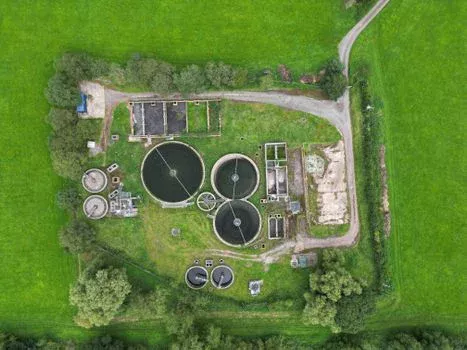
One of the most frequent errors made by Guadalajara’s food processors is ignoring seasonal influent variability. During peak harvest or production seasons, COD levels can spike by 100% compared to winter lows. Equipment sized for average flows often fails during these peaks, leading to permit violations. To mitigate this, buyers should insist on pilot testing or select modular MBR systems that can handle fluctuating organic loads without losing biological stability.
Underestimating the long-term cost of membrane or chemical replacement is another common pitfall. For a 50 m³/h MBR system, membrane replacement can cost between $15,000 and $30,000; failing to budget for this results in deferred maintenance and eventual system failure. Additionally, many buyers overlook the complexity of SEMARNAT permitting. While some suppliers provide full documentation and liaison services, others leave the legal burden entirely to the manufacturer. Always confirm in writing that the supplier will support the "Permiso de Descarga" process.
Finally, space constraints in Guadalajara’s urban industrial parks often lead to the purchase of systems that are too large for the available footprint. This results in cramped maintenance access, which increases labor costs and safety risks. In these scenarios, containerized or underground WSZ series plants are significantly more effective than traditional concrete-tank installations. Planning for scalability is the final hurdle; ensure that piping and electrical panels are oversized by at least 25% during the initial installation to avoid expensive retrofits when production lines expand.
Step-by-Step Procurement Checklist for Guadalajara Buyers
- Define Influent Characteristics: Conduct comprehensive wastewater testing for COD, TSS, FOG, pH, and heavy metals using a SEMARNAT-certified laboratory. Do not rely on "industry average" data.
- Select Technology: Use the decision framework to choose between MBR, DAF, or A/O based on your specific contaminants and space availability.
- Request Comparative Quotes: Contact at least three established suppliers. Ensure each quote includes a detailed breakdown of CAPEX, estimated OPEX, and a list of required consumables.
- Evaluate Compliance Guarantees: Review the supplier’s performance bond or written guarantee regarding NOM-001-SEMARNAT-1996 effluent limits.
- Audit Local Support: Verify the supplier's response time for technical support in Jalisco. Ask for references from other Guadalajara-based manufacturers.
- Review ROI and Financing: Compare the TCO over 10 years and explore leasing options or tax credits available for water-efficient systems.
- Execution and Commissioning: Schedule installation during low-production windows, such as the December holiday period, to minimize operational disruption.
Frequently Asked Questions
Q: What are the NOM-001-SEMARNAT-1996 effluent limits for Guadalajara’s food processing industry?
A: The standard limits are COD ≤150 mg/L, TSS ≤50 mg/L, BOD₅ ≤30 mg/L, and FOG ≤15 mg/L. It is important to note how Guadalajara’s compliance challenges compare to India’s OPCB standards or other international norms, as Mexican authorities are increasingly strict regarding the "color" and "temperature" parameters of discharged water.
Q: How much does a 100 m³/h MBR system cost in Guadalajara?
A: A 100 m³/h MBR system typically requires a CAPEX of $200,000 to $300,000, which covers equipment, installation, and initial permitting support. OPEX for a system of this size averages $0.80–$1.20 per cubic meter, with membrane replacement cycles occurring every 5 to 7 years.
Q: Can DAF systems handle Guadalajara’s high-FOG wastewater from slaughterhouses?
A: Yes, DAF systems for FOG and TSS removal in Guadalajara’s slaughterhouses and dairies are specifically designed for this. They typically remove 90–95% of FOG. For instance, local slaughterhouses have successfully reduced influent FOG from 800 mg/L to under 20 mg/L using DAF units.
Q: What financing options are available for wastewater equipment in Jalisco?
A: Many suppliers offer 5-year leasing programs with monthly payments ranging from $2,000 to $5,000 for mid-sized systems. Additionally, the Mexican government provides a 30% tax credit for investments in water-efficient and treatment technologies under environmental incentive programs.
Q: How long does it take to install a sewage treatment plant in Guadalajara?
A: The typical timeline is 3 to 6 months for engineering design and SEMARNAT permitting, followed by 2 to 4 months for equipment fabrication and onsite installation. Underground A/O systems for space-constrained Guadalajara factories often have shorter installation windows because they are delivered as pre-assembled, containerized units.