Why Industrial RO Desalination Systems Matter in 2025
The best RO desalination system for industrial use is a high-recovery reverse osmosis plant sized to source water, target permeate quality, and brine disposal rules. UN Water 2023 projections point to a 40% global freshwater shortfall by 2030, which is pushing semiconductor fabs and coastal power stations toward desalination as core infrastructure. Where groundwater and municipal supplies are unreliable or expensive, RO delivers a consistent stream regardless of feedwater variability.
Regulators are tightening discharge control. Earlier industry guidance often cited EPA industrial TDS limits below 500 mg/L; the EPA's May 2024 steam electric ELG revision (40 CFR Part 423, effective July 8, 2024) instead sets zero-discharge BAT for FGD wastewater, bottom ash transport water, and combustion residual leachate at covered plants. Other sectors still rely on category-specific ELGs and NPDES permits. The EU Industrial Emissions Directive 2010/75/EU requires BAT-based permits for large installations that handle process water at scale. A 2023 IWA case study documented a Saudi power plant that saved $2.3 million annually by switching from thermal desalination to high-efficiency reverse osmosis, primarily because energy and chemical use both dropped.
Process requirements are just as strict. Semiconductor fabs need ultrapure water with TDS below 1 mg/L; boiler feed for power generation must be free of scale-forming minerals; pharmaceutical systems must hit USP <645> conductivity; and food and beverage lines target permeate TDS of 0.5–5 mg/L for product consistency. For plants in these categories, integrating HydropureWater's industrial RO systems for pharmaceutical, semiconductor, and power generation applications can push recovery rates up to 95% and shrink the wastewater discharge stream.
How RO Desalination Works: Engineering Principles and Process Parameters
Reverse osmosis is governed by the van 't Hoff equation, where osmotic pressure Δπ equals iCRT: the molar concentration of solutes times absolute temperature. The system applies hydraulic pressure above that osmotic pressure to force water through a semi-permeable polyamide membrane while rejecting dissolved ions. Seawater at 35,000+ mg/L TDS sets the upper bound on the pressure the pumps must overcome, and the membrane's flux-versus-pressure curve sets the practical operating window.
Membrane flux is the first number an engineer uses to size the system. Industrial plants typically target 12–20 LMH on seawater and 20–30 LMH on brackish feed. Running above those numbers invites concentration polarization and fouling; running well below them inflates membrane area and capital cost. Feedwater Silt Density Index (SDI15) must stay below 3.0 to keep colloidal fouling in check.
Pretreatment decides membrane life. Industrial polyamide elements have zero free chlorine tolerance and need turbidity below 0.1 NTU going in. Post-treatment is equally important: WHO guidelines recommend remineralizing permeate to 60–120 mg/L as CaCO3 to prevent pipe corrosion in potable systems. The table below summarizes the operating envelope for each major feedwater class.
| Parameter | Seawater (SWRO) | Brackish Water (BWRO) | Industrial Wastewater (WWRO) |
|---|---|---|---|
| Feedwater TDS (mg/L) | 30,000 – 45,000 | 1,000 – 10,000 | 500 – 20,000 |
| Operating Pressure (bar) | 55 – 80 | 10 – 30 | 15 – 40 |
| Typical Recovery Rate (%) | 35 – 50% | 75 – 95% | 50 – 85% |
| Energy Consumption (kWh/m³) | 2.5 – 4.5 | 0.5 – 1.5 | 1.0 – 2.5 |
| Membrane Flux (LMH) | 12 – 18 | 20 – 30 | 15 – 25 |
RO Desalination System Types: Seawater vs. Brackish Water vs. Industrial Wastewater
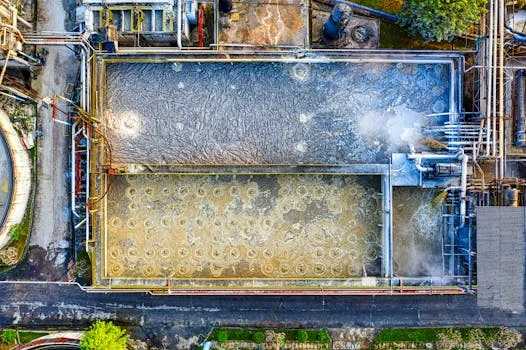
Seawater RO (SWRO) plants are engineered for osmotic pressures above 50 bar, while brackish RO (BWRO) plants usually run below 30 bar because the feed TDS is far lower. SWRO is the workhorse for coastal power and municipal plants, paired with high-pressure pumps and energy recovery devices (ERDs) to claw back some of the kWh. BWRO is the default for inland manufacturing and food-and-beverage facilities drawing groundwater, where higher recovery and lower OPEX matter more than absolute drought-proofing.
Industrial wastewater RO (WWRO) is the most demanding configuration. Variable TDS and high organic load require robust pretreatment, and most plants we size for textile or pharma effluent run at the lower end of the recovery range to keep cleaning intervals manageable. Pairing the RO train with DAF systems for high-efficiency pretreatment of industrial wastewater before RO desalination removes fats, oils, and grease that would otherwise foul the membranes irreversibly. For high-BOD streams, integrated MBR systems for advanced pretreatment of high-BOD industrial wastewater prior to RO desalination bring the feed SDI15 down to the RO limit.
The trade-off across the three is essentially CAPEX vs. OPEX vs. environmental load. SWRO costs more up front and more to run, but it gives a drought-proof supply. BWRO hits the fastest ROI when an aquifer is reliable. WWRO unlocks near-Zero Liquid Discharge (ZLD) configurations and reuse credits, at the price of heavier maintenance and chemical dosing.
| System Type | Primary Application | Membrane Lifespan | Pretreatment Complexity |
|---|---|---|---|
| SWRO | Coastal Power, Mining | 3 – 5 Years | Medium (Filtration + Antiscalant) |
| BWRO | Inland Manufacturing, Food & Bev | 5 – 7 Years | Low to Medium (Softening + Carbon) |
| WWRO | Textile, Pharma, Chemical | 2 – 4 Years | High (DAF, MBR, Ultrafiltration) |
Engineering Specs: Critical Parameters for Industrial RO System Selection
Industrial RO membranes use thin-film composite polyamide with a nominal pore size of 0.0001 microns and salt rejection above 99.5% on seawater. The spec sheet numbers that matter most are Specific Energy Consumption (SEC) and fouling resistance, not just nominal flow. Modern 2025 systems ship with 37–40 m² of active area per 8-inch element, which lets skid and containerized packages stay compact.
Operational flexibility matters in the field. Variable Frequency Drives (VFDs) on the high-pressure pumps let the system ride out feedwater temperature swings; water at 15°C is roughly 15–20% more viscous than at 25°C, so a fixed-speed pump loses permeate output in winter unless it can ramp pressure. Cleaning-in-place (CIP) tolerance of pH 2–11 is the practical range that lets operators strip both mineral scale and organic biofilm without damaging the membrane.
| Specification | Industrial Standard (2025) | Impact on Performance |
|---|---|---|
| Salt Rejection Rate | >99.5% (SWRO), >98.5% (BWRO) | Determines final permeate TDS and purity. |
| Max Operating Temperature | 45°C (113°F) | Higher temps increase flux but risk membrane compaction. |
| Feedwater SDI₁₅ | < 3.0 | Directly correlates to membrane cleaning frequency. |
| Energy Recovery Efficiency | Up to 98% (Pressure Exchangers) | Reduces total OPEX by 30–50% in SWRO. |
| Element Configuration | 8040 (8-inch diameter, 40-inch length) | Standard for industrial scalability and replacement. |
Energy recovery has reshaped the OPEX curve. Isobaric pressure exchangers on seawater trains now hit around 2.5 kWh/m³, a benchmark noted in the WHO 2024 desalination reports. On brackish feeds, low-pressure membranes operating at 10–15 bar keep SEC under 1.0 kWh/m³.
Cost Breakdown: CAPEX, OPEX, and ROI for Industrial RO Desalination Systems
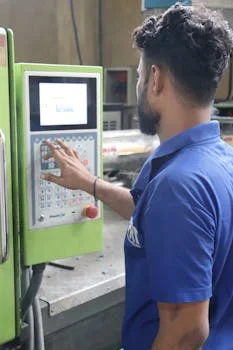
CAPEX for industrial RO typically falls between $0.50 and $2.50 per m³/day of installed capacity, driven by feedwater salinity and pretreatment scope. A standard 1,000 m³/day SWRO plant runs around $1.2 million: 50–60% on the RO skid itself, 15–20% on pretreatment (multimedia filters, DAF, or both), and the rest on civil and installation. BWRO plants land 30–40% below SWRO because pressures are lower and metallurgy is simpler.
OPEX is dominated by electricity, which represents 40–60% of the per-cubic-meter cost. Membrane replacement is the second line item at 10–15% of OPEX, assuming a 3-to-5-year replacement cycle. Operators who learn how PAC dosing systems optimize RO pretreatment and reduce membrane fouling extend element life and stretch the interval between expensive CIP cycles.
| Cost Component | SWRO ($/m³) | BWRO ($/m³) | WWRO ($/m³) |
|---|---|---|---|
| Energy (Electricity) | $0.30 – $0.60 | $0.05 – $0.15 | $0.15 – $0.30 |
| Membrane Replacement | $0.08 – $0.12 | $0.03 – $0.06 | $0.10 – $0.20 |
| Chemicals (Antiscalants/CIP) | $0.05 – $0.10 | $0.02 – $0.05 | $0.08 – $0.15 |
| Labor & Maintenance | $0.10 – $0.20 | $0.05 – $0.10 | $0.15 – $0.25 |
| Total OPEX | $0.53 – $1.02 | $0.15 – $0.36 | $0.48 – $0.90 |
ROI is the gap between purchased water (or avoided fines) and RO permeate cost. In industrial zones where municipal water tops $1.50/m³, a BWRO plant producing water for under $0.40/m³ can pay back in under 24 months. Plants that also discover how DAF systems improve RO efficiency by removing FOG and suspended solids cut unplanned downtime, which is usually the largest hidden cost in a treatment train.
Compliance and Standards: Meeting Global and Regional Requirements
Earlier industry copy often cited EPA 2024 industrial discharge TDS limits below 500 mg/L. The EPA May 2024 steam electric ELG (40 CFR Part 423, effective July 8, 2024) instead sets zero-discharge BAT for FGD wastewater, bottom ash transport water, and combustion residual leachate at covered plants, which forces RO into both intake treatment and effluent reuse on many power sites. Other industrial sectors still face category-specific ELGs and site NPDES limits. Compliance covers more than permeate quality: the brine stream must also be handled responsibly. In water-stressed regions like California and the Middle East, Zero Liquid Discharge (ZLD) rules are pushing operators to add evaporators or crystallizers after the RO train so nothing leaves the site as liquid.
Sector-specific standards are tight. Pharmaceuticals follow USP <643> for TOC and USP <645> for conductivity. Semiconductors reference SEMI F63-0701 for ultrapure water, which targets conductivity near the theoretical 0.055 µS/cm limit of pure water. Food and beverage plants must satisfy FDA 21 CFR Part 110, backed by WHO Drinking-water Guidelines that rate TDS above about 600 mg/L as less palatable; RO permeate is normally far below that.
Brine disposal falls under the EPA NPDES permit system in the US and the EU Urban Waste Water Directive 91/271/EEC, both of which limit the temperature, pH, and salinity of the concentrate stream. Industrial plants need a brine management plan that fits local permits: deep-well injection, evaporation ponds, or diffuser outfalls tuned to protect marine life.
Step-by-Step Decision Framework: How to Select the Best RO Desalination System for Your Industry
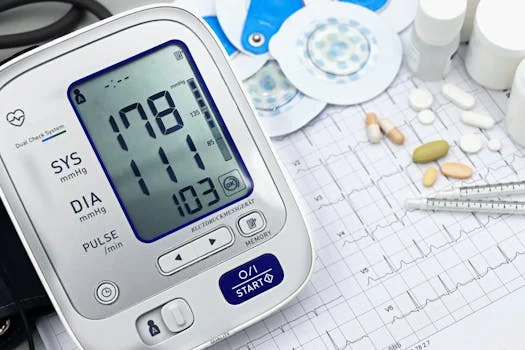
Picking the right industrial RO system runs through a seven-step engineering review anchored to feedwater SDI limits, Specific Energy Consumption, and membrane flux benchmarks. The point is to lock in a system that meets today's production target while staying resilient against feedwater swings and tightening discharge rules.
- Step 1: Characterize Feedwater: Run a full water analysis: TDS, turbidity, SDI15, TOC, and scaling ions (silica, barium, strontium). The numbers set osmotic pressure and scaling risk.
- Step 2: Define Permeate Requirements: Pin down required TDS, conductivity, and microbial limits against the applicable industry standard (USP, SEMI, FDA).
- Step 3: Determine System Capacity: Calculate peak and average daily flow. Add a 10–20% redundancy factor for maintenance and future expansion.
- Step 4: Select Pretreatment Modules: Match pretreatment to Step 1 data. Use DAF systems for high-efficiency pretreatment of industrial wastewater before RO desalination when FOG exceeds 5 mg/L.
- Step 5: Evaluate Energy Recovery: For feedwater TDS above 10,000 mg/L, model the ROI of pressure exchangers or Pelton turbines.
- Step 6: Assess Compliance and Brine Management: Confirm the brine stream can be discharged under local permits, or budget for a ZLD module.
- Step 7: Pilot Testing: For wastewater reuse, run a 3–6 month pilot to validate flux stability and CIP frequency before committing to full-scale design.
On tough feeds, integrating integrated MBR systems for advanced pretreatment of high-BOD industrial wastewater prior to RO desalination is usually the difference between a membrane set that lasts its design life and one that fouls in months. Pulling organics out at the biological stage is what protects the RO train from biofouling, which is the leading cause of premature failure on industrial sites.
Who This Is For and Next Step
This guide fits plant engineers, EPC contractors, and procurement managers selecting an RO desalination train for industrial duty in the 500–10,000 m³/day range. It assumes the reader needs to defend CAPEX and OPEX numbers to finance and satisfy an environmental permit. If your scope is a small commercial point-of-use unit under 50 m³/day, a lighter brackish RO datasheet will serve you better.
Send your feedwater analysis and target permeate specs to request a sized RO quotation with pretreatment, ERD, and brine management recommendations.
Frequently Asked Questions
What is the biggest problem with desalination?
Membrane fouling and scaling is the leading operational problem, often cutting flux by 20–30% and lifting energy consumption by 15–25%. It is controlled with rigorous pretreatment (for example, DAF for solids removal) and antiscalant dosing per ASTM D4194-03.
Which RO is best for commercial use?
Brackish Water RO (BWRO) is usually the right pick for commercial sites like hotels or small food plants, handling TDS of 1,000–5,000 mg/L at far lower cost than SWRO. A 50 m³/day BWRO package typically runs $80,000–$120,000, while SWRO is over-spec for that salinity range.
How much does industrial desalination cost?
Industrial desalination CAPEX spans $0.50–$2.50 per m³/day of installed capacity. A 1,000 m³/day SWRO plant sits near $1.2M CAPEX and $0.50–$1.00/m³ OPEX; a comparable BWRO plant lands near $0.8M CAPEX and $0.20–$0.40/m³ OPEX.
What is the highest rated reverse osmosis system?
Configurations pairing high-rejection membranes with isobaric energy recovery devices lead the field on efficiency. The combination can reach Specific Energy Consumption below 2.5 kWh/m³ on seawater feed.
Can RO desalination systems handle industrial wastewater?
Yes, with pretreatment. A 2023 IWA case study on a textile plant found that an MBR + RO configuration cut membrane fouling by 40% versus a conventional sand filter + RO train, which made wastewater reuse pay off.