Why Punjab’s Sewage Treatment Equipment Market is Unique in 2026
Punjab’s 2025 effluent standards for BOD (≤30 mg/L) and TSS (≤100 mg/L) require 20–30% higher treatment efficiency than standard CPCB norms, forcing a shift toward advanced filtration and biological processes. The state’s industrial landscape is heavily concentrated in Ludhiana, Amritsar, and Jalandhar, where the textile sector (35%), food processing (25%), and pharmaceuticals (15%) generate high-strength wastewater. These industries produce influent with TSS levels ranging from 1,000 to 3,000 mg/L and COD concentrations between 2,000 and 5,000 mg/L, which standard sewage treatment equipment cannot process without specialized pretreatment.
Urban land scarcity in Punjab’s industrial hubs has made footprint a primary procurement metric. In Ludhiana, where industrial land costs have surged, demand for MBR systems for Punjab’s strict PPCB effluent standards (COD ≤50 mg/L) has increased because they offer a 60% smaller footprint compared to traditional civil-based plants. Similarly, the hospitality and residential sectors in Chandigarh and Mohali are increasingly adopting compact underground FRP STP for Punjab’s space-constrained projects, which provide up to 70% land savings by utilizing subsurface space.
Environmental variables also dictate equipment specifications in the region. Punjab’s monsoon season (July–September) typically increases influent volumes by 40–60% due to stormwater ingress into aging sewer lines. Suppliers must now provide modular systems, such as the WSZ series (1–80 m³/h), that can handle these hydraulic surges without washing out the biological biomass. A recent case study from a Ludhiana textile factory illustrates the stakes: the facility avoided PPCB penalties and a potential "Red Category" closure by upgrading to a DAF-MBR hybrid system (₹1.2Cr CAPEX), achieving 98% TSS removal even during peak production cycles.
Punjab Sewage Treatment Equipment: Technology Comparison & Use-Case Matching
Selecting the right technology in Punjab depends on balancing the high CAPEX of advanced systems against the massive footprint and operational complexity of conventional activated sludge (CAS). While CAS remains the lowest CAPEX option (₹5L–₹25L/m³/day), it requires between 200 and 500 m² of land for a 500 m³/day plant. This makes it suitable only for rural municipal projects where land availability is not a constraint. For industrial buyers, the focus has shifted to MBR and FRP technologies that ensure PPCB compliance within tight physical boundaries.
MBR (Membrane Bioreactor) systems represent the high-performance tier, with CAPEX ranging from ₹15L to ₹80L/m³/day. These systems achieve 95%+ COD removal, making them the standard for pharmaceutical and hospital applications where effluent quality is non-negotiable. For the textile and food processing sectors, DAF pretreatment for Punjab’s high-TSS textile and food processing wastewater is a critical addition. The DAF units remove 92–97% of suspended solids at a CAPEX of ₹2L–₹10L/m³/day, protecting downstream biological membranes from fouling and reducing overall OPEX.
| Technology | CAPEX (₹/m³/day) | Footprint (m²/500 m³/day) | COD Removal (%) | PPCB Compliance | Best For |
|---|---|---|---|---|---|
| CAS (Conventional) | ₹5L – ₹25L | 200 – 500 | 80 – 85% | Moderate (requires tertiary) | Rural Municipalities |
| MBR (Membrane) | ₹15L – ₹80L | 40 – 80 | 95 – 99% | High (Direct Reuse) | Pharma, Hospitals |
| Underground FRP | ₹8L – ₹40L | 30 – 50 | 85 – 92% | High (Odor-free) | Hotels, Residential |
| DAF (Pretreatment) | ₹2L – ₹10L | 15 – 30 | N/A (95% TSS) | Essential for Industrial | Textile, Food Processing |
Underground FRP STPs occupy the mid-range market (₹8L–₹40L/m³/day). These systems are corrosion-resistant and odor-free, which is essential for the hospitality sector in Amritsar. Because they are pre-engineered and modular, they can be installed in under 15 days, significantly reducing the "time-to-compliance" for new projects (HydropureWater field data, 2025).
Punjab Pollution Control Board (PPCB) Compliance: Effluent Standards & Equipment Requirements
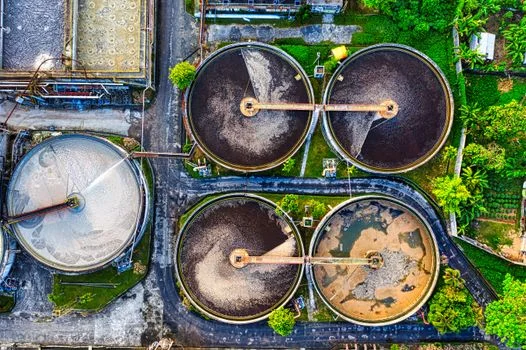
The Punjab Pollution Control Board (PPCB) mandates online continuous emission monitoring systems (OCEMS) for all STPs exceeding 500 m³/day capacity to ensure real-time compliance with 2025 General Standards. These standards are strictly enforced, with BOD limits capped at 30 mg/L and COD at 250 mg/L for general discharge. However, industry-specific standards are even more rigorous; for instance, the textile industry must maintain COD levels below 150 mg/L, while food processing units are often pushed toward a BOD of 20 mg/L to prevent groundwater contamination in the Malwa region.
To meet these mandates, equipment must include automated dosing and disinfection stages. For hospital wastewater, PPCB requires 99%+ pathogen kill rates, necessitating the use of PPCB-compliant disinfection for hospital wastewater in Punjab. Chlorine dioxide (ClO₂) generators are preferred over traditional chlorination because they do not produce harmful trihalomethanes (THMs) and remain effective across a wider pH range. automatic chemical dosing systems are now a requirement for plants over 500 m³/day to eliminate human error in pH adjustment and coagulant addition.
| Parameter | PPCB General (2025) | Textile Standard | Food Processing | Pharmaceuticals |
|---|---|---|---|---|
| BOD (mg/L) | ≤ 30 | ≤ 30 | ≤ 20 | ≤ 30 |
| TSS (mg/L) | ≤ 100 | ≤ 100 | ≤ 50 | ≤ 100 |
| COD (mg/L) | ≤ 250 | ≤ 150 | ≤ 200 | ≤ 250 |
| Fecal Coliform | ≤ 1,000 MPN | N/A | ≤ 1,000 MPN | ≤ 1,000 MPN |
| Heavy Metals | Standard | Standard | N/A | ≤ 0.1 mg/L (specifics) |
Common compliance failures in Punjab often stem from inadequate sludge handling and a lack of equalization tanks. PPCB audits in 2025 revealed that 30% of show-cause notices were issued due to improper sludge disposal, while 25% of failures occurred because plants could not handle peak flow variations. When evaluating suppliers, procurement managers must demand PPCB compliance certificates and third-party lab reports from existing Punjab-based installations to verify that the equipment performs under local environmental conditions.
Cost Benchmarks for Punjab: CAPEX, OPEX & ROI by Technology & Sector
Industrial STPs in Punjab’s textile belt achieve an average ROI within 3.5 years through water recovery and the avoidance of environmental compensation cess. In 2026, CAPEX for a 500 m³/day facility varies significantly: a conventional system costs between ₹25L and ₹1.25Cr, while a high-efficiency MBR plant can range from ₹75L to ₹4Cr. While the initial investment for MBR is higher, the ability to reuse treated water for industrial cooling or dyeing processes can save textile factories between ₹5L and ₹15L per month in freshwater procurement costs.
OPEX considerations are equally vital for Punjab's finance teams. Energy costs represent the largest share of OPEX, with Punjab’s industrial grid tariffs ranging from ₹8 to ₹12/kWh. MBR systems have the highest energy demand due to membrane aeration, costing approximately ₹4L annually for a 500 m³/day plant. However, underground FRP systems offer the lowest maintenance and energy costs, making them the preferred choice for municipal and residential projects where long-term budget stability is prioritized.
| Sector | Primary Technology | CAPEX (500 m³/day) | Annual OPEX | Payback Period |
|---|---|---|---|---|
| Textile | DAF + MBR | ₹1.2Cr – ₹2.5Cr | ₹5L – ₹8L | 3 – 4 Years |
| Food Processing | CAS + Tertiary | ₹60L – ₹1.5Cr | ₹3L – ₹5L | 4 – 5 Years |
| Pharmaceutical | MBR + Ozone/ClO₂ | ₹1.8Cr – ₹4Cr | ₹6L – ₹10L | 5 – 6 Years |
| Municipal | Conventional/FRP | ₹40L – ₹1.2Cr | ₹1.5L – ₹3L | 7+ Years (Subsidized) |
ROI for municipal projects is often driven by government subsidies under the Namami Gange or Swachh Bharat missions, which can cover between ₹10L and ₹50L of the project cost for rural STPs. For the private sector, the ROI is increasingly calculated based on "risk mitigation"—avoiding PPCB violations which can result in fines ranging from ₹50,000 to ₹2,00,000 per day of non-compliance.
How to Evaluate Sewage Treatment Equipment Suppliers in Punjab: A Zero-Risk Framework
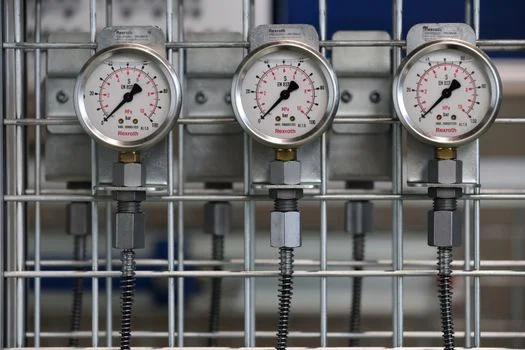
A zero-risk supplier selection process in Punjab requires verifying that the equipment manufacturer has at least three operational references within the state that have passed PPCB audits in the last 24 months. Given the complexity of the 2026 regulatory environment, relying on a supplier’s brochure is insufficient. Procurement managers should follow a structured five-step framework to ensure the selected equipment meets both technical and financial goals.
- Step 1: Local Reference Verification: Ask for 3+ references in Punjab within your specific industry (e.g., a textile mill in Ludhiana if you are a textile buyer). Visit these sites to inspect the sludge output and the clarity of the treated water.
- Step 2: Compliance Documentation: Request recent PPCB-approved lab reports. A reliable supplier should show consistent BOD < 10 mg/L and TSS < 10 mg/L for MBR systems.
- Step 3: After-Sales Infrastructure: Ensure the supplier has a service network in Ludhiana, Chandigarh, or Amritsar. Ask for a guaranteed response time (e.g., 24 hours) for critical equipment failures.
- Step 4: Customization Capabilities: Evaluate if the supplier can integrate DAF for high-TSS loads or ozone/ClO₂ for disinfection. Generic "one-size-fits-all" systems often fail in Punjab's diverse industrial sectors.
- Step 5: Financial Stability & Guarantees: Review the supplier's ISO 9001 certifications and financial standing. For large projects (₹1Cr+), demand bank guarantees and process performance guarantees (e.g., "Full refund if COD removal stays below 90%").
Red flags to watch for include a lack of a physical office in Punjab, vague claims about "meeting all standards" without providing specific data, and the absence of an automated sludge dewatering solution in the proposal. High-quality suppliers will always prioritize an equalization tank and a robust sludge management plan, as these are the two most common points of failure in Punjab’s STPs.
Top 5 Sewage Treatment Equipment Suppliers in Punjab: 2026 Shortlist with Strengths & Weaknesses
The 2026 Punjab supplier market is characterized by a mix of local service-heavy providers and global technology manufacturers specializing in high-efficiency MBR and FRP systems. Each supplier has a distinct niche, ranging from large-scale municipal infrastructure to specialized industrial ZLD (Zero Liquid Discharge) systems. The following shortlist provides a head-to-head comparison based on technical focus and regional project history.
| Supplier | Technology Focus | Punjab Projects | CAPEX Range | After-Sales Support |
|---|---|---|---|---|
| Soma Utilities | FRP & Civil STPs | Residential/Institutional | Mid-Range | Strong (State-wide) |
| Sagar Technochem | Industrial ZLD/ETP | Textile & Pharma | High (Premium) | Excellent (Ludhiana) |
| Clearline (Ludhiana) | Package STPs | Small Industrial/Hotels | Competitive | Local Focus |
| Waves (Global Aquatech) | Disinfection & Hospitals | Healthcare Sector | Mid-Range | Specialized |
| HydropureWater | MBR & DAF Hybrids | Industrial/Large Municipal | High (Value-based) | 24/7 Global/Local |
Soma Utilities is recognized for its FRP expertise and a strong track record of PPCB compliance in the residential sector, though they have limited experience with high-COD industrial MBR systems. Sagar Technochem leads the market in ZLD systems for the pharmaceutical sector but carries a higher CAPEX that may not suit smaller municipal budgets. Clearline offers the most competitive pricing for small-scale package plants (≤500 m³/day) but lacks the capacity for large-scale municipal infrastructure. HydropureWater specializes in high-efficiency MBR/DAF hybrids that achieve 95%+ COD removal, offering significant OPEX savings that offset higher initial costs.
Frequently Asked Questions
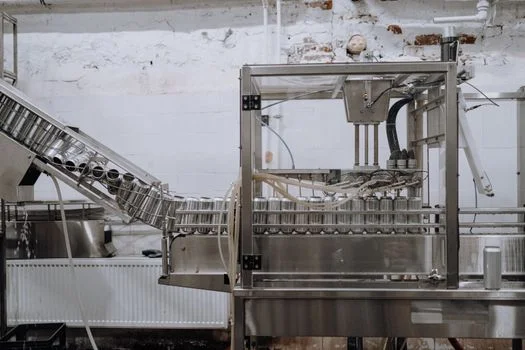
Q: What is the most cost-effective sewage treatment technology for Punjab’s textile industry?A: A hybrid approach using DAF pretreatment (₹2L–₹10L/m³/day) followed by MBR (₹15L–₹40L/m³/day) is the most effective. This combination achieves 95%+ COD removal and meets PPCB’s specific textile standard of COD ≤150 mg/L. For example, a Ludhiana plant recently reduced its total CAPEX by 20% by utilizing this modular hybrid design rather than a massive civil-based CAS plant.
Q: How do I ensure my STP complies with PPCB’s 2025 standards?A: You must select equipment with built-in online monitoring (pH, TSS, and flow meters) and ensure the supplier provides PPCB-specific compliance certificates. It is also critical to include equalization tanks with 40–60% surge capacity to handle monsoon volume spikes. You can find more on regional compliance in our guides on Gujarat’s industrial STP suppliers: compliance and cost insights.
Q: What is the typical payback period for an industrial STP in Punjab?A: The payback period typically ranges from 3 to 7 years. Textile and food processing plants see the fastest ROI (3–4 years) due to water reuse savings (₹5L–₹15L/month). Municipal projects have a longer payback period but are often supported by government subsidies of ₹10L–₹50L. Compare this to other regions in our analysis of Goa’s sewage treatment equipment market: cost benchmarks and supplier selection.
Q: Can underground FRP STPs handle Punjab’s monsoon season?A: Yes, provided they are designed with adequate hydraulic retention time (HRT) and surge capacity. A Chandigarh hotel successfully used a WSZ series FRP STP (80 m³/day) to handle 120 m³/day during the 2025 monsoon with no overflow or PPCB violations, thanks to its modular buffer tank design.
Q: What are the hidden costs of sewage treatment equipment in Punjab?A: The primary hidden costs include sludge disposal (₹2K–₹5K/ton), annual membrane replacement for MBR systems (₹5L–₹15L depending on capacity), and energy surcharges during peak summer months when Punjab’s grid tariffs are highest.