Algeria’s Wastewater Crisis: Why Supplier Selection is Mission-Critical in 2026
Algeria’s 2026 wastewater treatment market demands suppliers that meet strict Ministry of Water Resources discharge limits (<50 mg/L COD for industrial effluent) while navigating logistical constraints at ports like Algiers and Oran. Top suppliers—including HydropureWater, Algérienne des Technologies de l'Eau (ATE), and EcoTech Industries—offer MBR, DAF, and integrated systems with 92-97% TSS removal, but CAPEX varies from €200K for municipal package plants to €5M+ for industrial ZLD systems. This guide provides engineering specs, cost models, and a zero-risk selection framework to align equipment choices with Algeria’s compliance and budget realities.
Approximately 60% of Algeria’s urban areas currently lack adequate wastewater treatment access, with major hubs like Algiers and Oran generating over 1.2 million m³/day of untreated effluent (Ministry of Water Resources 2025). This infrastructure gap is rapidly closing due to aggressive 2026 regulatory mandates. Industrial sectors are the primary drivers of this demand, led by food processing (35% of new projects), textiles (22%), chemicals (18%), and mining (12%), according to the Algerian Chamber of Commerce. These industries face the highest risk of non-compliance as the Ministry of Water Resources moves to align with the EU Urban Waste Water Directive 91/271/EEC. The new 2026 discharge limits—COD <50 mg/L, BOD <30 mg/L, and TSS <35 mg/L—are coupled with strict local restrictions on heavy metals, such as chromium limits below 0.5 mg/L.
Logistical hurdles further complicate procurement. Port of Algiers congestion frequently adds 12–16 weeks to equipment delivery timelines. For many facility operators, containerized sewage treatment systems in Algeria have become the preferred solution, as they reduce on-site installation time by up to 40%. The stakes of selecting an unverified supplier are high: in 2025, a food processing plant in Oran faced a total shutdown due to non-compliant effluent, resulting in €1.2M in fines and lost production. This scenario is increasingly common for operators who prioritize low upfront CAPEX over technical compliance. Understanding how Algeria’s wastewater challenges compare to Nairobi’s 2026 standards can provide valuable regional context for procurement managers evaluating multi-national suppliers.
Engineering Specs: How to Match Equipment to Algeria’s Wastewater Challenges
The selection of suitable wastewater treatment equipment is critical to meeting Algeria’s stringent discharge limits.MBR systems achieve 95% COD removal and 99% bacteria reduction, making them the standard for meeting Algeria’s 2026 industrial discharge limits in space-constrained urban zones. For industrial facility operators, selecting a sewage treatment equipment supplier in Algeria requires matching specific equipment archetypes to local environmental variables, such as high coastal salinity and extreme Saharan temperatures. Coastal cities like Algiers and Annaba often deal with TDS levels up to 3,000 mg/L, necessitating the use of 316L stainless steel and corrosion-resistant coatings for all wetted parts.
For high-strength organic loads, MBR systems for high-strength industrial effluent in Algeria utilize 0.1 μm pore size membranes to ensure the final effluent remains below 30 mg/L COD. These systems offer a 60% smaller footprint compared to conventional activated sludge, which is critical for factories in Algiers' industrial zones where land is at a premium. Conversely, DAF systems for food processing and textile wastewater in Algeria are better suited for removing fats, oils, and grease (FOG). These systems use micro-bubble technology to achieve 92-97% TSS removal at flow rates ranging from 4 to 300 m³/h. In southern regions like Tamanrasset, where temperatures exceed 50°C, biological systems require insulated tanks and specialized chillers to maintain biomass viability.
Hydraulic loading must also account for Algeria’s seasonal rainfall, which ranges from 50–150 mm/month in northern regions. Suppliers must size equalization tanks to handle peak flows during storm events to prevent bypass of untreated sewage. For smaller rural communities or hospitality projects, the underground WSZ series for municipal and rural sewage treatment provides a "set-and-forget" solution that handles 1–80 m³/h without requiring a full-time operator.
| Equipment Type | Key Spec (Removal Rate) | Ideal Use Case (Algeria) | Footprint Requirement | Material Spec |
|---|---|---|---|---|
| MBR (DF Series) | 95% COD, 99% Bacteria | Algiers Industrial Zones (Space-limited) | Ultra-Compact | 316L SS / PVDF |
| DAF | 92-97% TSS / FOG | Oran Food Processing (High Grease) | Medium | Carbon Steel / SS |
| WSZ (Underground) | 85% BOD, 90% TSS | Saharan Rural Communities / Hotels | None (Buried) | FRP / Coated Steel |
| ZLD Systems | 99% Water Recovery | Mining & Chemical (Sahara Region) | Large | Alloy 20 / Titanium |
Supplier Comparison Matrix: Top 5 Algeria Sewage Treatment Equipment Providers
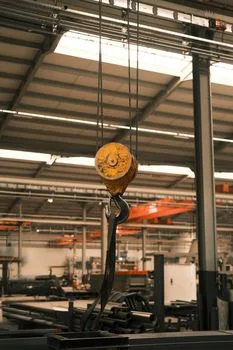
HydropureWater offers the highest COD removal efficiency (≤30 mg/L) among top suppliers, specifically targeting the 2026 regulatory shift for industrial operators. When evaluating a sewage treatment equipment supplier in Algeria, procurement managers must look beyond the quote to assess compliance support and local logistics. Many international firms lack the local partnerships required to navigate the Port of Algiers or the Bureau d'Audit et de Conseil en Environnement (BACE) certification process.
HydropureWater provides MBR and DAF systems with a focus on specialized wastewater treatment for Algeria’s food processing industry. Their local installation partners in Algiers ensure that systems are commissioned according to Algerian electrical standards (220V/50Hz). Algérienne des Technologies de l'Eau (ATE) remains a strong contender for municipal WSZ series projects, with a 20-year track record, though their industrial industrial effluent experience is more limited compared to EcoTech Industries, who specialize in rapid-deployment containerized systems with lead times of 8–12 weeks. ForeverPure and WaterWorks Global provide high-end RO and ZLD systems, though these come with significantly higher OPEX due to energy demands.
| Supplier | Core Technology | Avg. Lead Time | Compliance Support | CAPEX Range |
|---|---|---|---|---|
| HydropureWater | MBR / DAF / WSZ | 16-24 Weeks | Algeria/EU Standards | €200K – €5M |
| ATE (Local) | Conventional / WSZ | 20-30 Weeks | Local Municipal | €150K – €1M |
| EcoTech Industries | Containerized MBR | 8-12 Weeks | Industrial Focus | €300K – €2M |
| ForeverPure | Containerized RO/DAF | 12-16 Weeks | International | €250K – €3M |
| WaterWorks Global | Industrial ZLD | 24-36 Weeks | Mining Standards | €1M – €10M |
Cost Models: CAPEX, OPEX, and ROI for Algeria’s Sewage Treatment Projects
Industrial DAF systems in Algeria typically require a CAPEX investment of €200K to €1.5M.OPEX is primarily driven by energy consumption and chemical dosing. In Algeria, electricity costs approximately €0.08/kWh. MBR systems consume between 0.8 and 1.2 kWh/m³, while DAF systems are more energy-efficient at 0.3–0.5 kWh/m³. Chemical costs for coagulants and flocculants range from €0.10 to €0.30/m³, though sourcing these from local suppliers can reduce costs by 20% compared to imported specialty chemicals. ROI for these systems is often realized through the avoidance of heavy environmental fines (up to €50,000/year for major industrial violators) and the potential for water reuse in irrigation or cooling towers, which saves approximately €0.80/m³ in municipal water costs.
| Cost Category | Municipal WSZ | Industrial DAF | MBR System | ZLD System |
|---|---|---|---|---|
| CAPEX Range | €150K – €800K | €200K – €1.5M | €500K – €5M | €1M – €10M |
| Energy (kWh/m³) | 0.4 – 0.6 | 0.3 – 0.5 | 0.8 – 1.2 | 2.5 – 5.0 |
| OPEX (€/m³) | €0.20 – €0.40 | €0.30 – €0.80 | €0.50 – €1.20 | €0.80 – €1.50 |
| ROI (Years) | 5 – 7 Years | 3 – 5 Years | 4 – 6 Years | 7 – 10 Years |
Zero-Risk Selection Framework: A Step-by-Step Checklist for Buyers
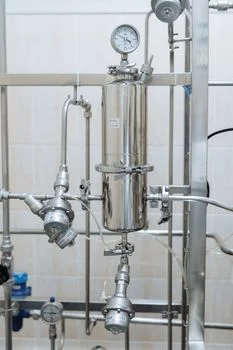
The most critical step in a zero-risk procurement strategy is verifying a supplier's ability to meet Algeria’s 2026 discharge limits through certified pilot testing or documented local case studies. This framework ensures that procurement managers and engineers mitigate risks related to compliance, logistics, and long-term reliability.
- Step 1: Define Project Scope: Clearly state flow rates and target effluent quality. Example: "Food processing plant in Oran, 100 m³/h, COD <50 mg/L, TSS <35 mg/L."
- Step 2: Verify Regulatory Compliance: Request independent test reports for the proposed equipment from the Ministry of Water Resources or EU-accredited labs.
- Step 3: Assess Logistical Capability: Confirm the supplier’s