What Does Nairobi Industrial Wastewater Treatment NEMA Compliance Require in 2026?
Nairobi industrial wastewater treatment NEMA compliance now requires effluent at COD ≤50 mg/L, BOD ≤30 mg/L, and TSS ≤30 mg/L for discharge. Most factories treat on site because municipal sewer coverage stays near 30% of industrial zones, so treatment CAPEX runs $20,000 to over $1,000,000.
Industrial wastewater treatment in Nairobi is a regulatory requirement rather than a discretionary upgrade. The National Environment Management Authority (NEMA) enforces demanding effluent standards, with 2026-era enforcement poised to affect operations directly. The Environmental Management and Co-ordination (Water Quality) Regulations, 2006 set the baseline working limits that Nairobi permits still cite: COD ≤50 mg/L, BOD ≤30 mg/L, and TSS ≤30 mg/L for discharge into sewers or the environment, a milestone regulators tied to December 2025 readiness.
Nairobi's infrastructure compounds the load on each factory. According to the Nairobi City Water and Sewerage Company's 2025 report, only about 30% of industrial zones, including the Industrial Area and Athi River, connect to municipal sewers. That leaves most factories with no practical option except on-site treatment systems.
The consequences of non-compliance are severe. A Nairobi food processing plant faced KES 8.5 million in fines in 2024 for discharging effluent at a COD of 1,200 mg/L, far above permissible limits (NEMA public records). Untreated industrial discharge also remains a primary contamination source for the Nairobi River, a key water source for peri-urban communities (UNEP, 2023).
Published utility data puts the treatment backbone in context. Only two main plants exist—Dandora stabilization ponds at 80,000 m³/day design capacity and the Kariobangi trickling-filter plant at 32,000 m³/day—and the latter has a record of bypassing flows untreated into the Nairobi River.
NEMA Effluent Standards for Nairobi Industries: Limits, Licensing, and Monitoring
NEMA's effluent standards apply to every industrial facility discharging to sewers or the environment in Nairobi. The standards protect water bodies and public health by capping key pollutants, with penalties including fines up to KES 10 million, production halts, or facility closure under NEMA's 2025 enforcement guidelines. NEMA itself monitors effluent discharges before they reach the environment and issues environmental licences through its online licensing portal under EMCA (Cap 387) (NEMA, current).
Specific requirements vary by industry. Food processing plants typically contend with high Fats, Oils, and Grease (FOG) and Biochemical Oxygen Demand (BOD); textile industries face dye toxicity and chemical oxygen demand (COD); metalworking facilities must address heavy metals and oils in effluent.
Monitoring cadence follows risk class. High-risk industries such as tanneries and chemical plants need weekly composite sampling to track pollutant levels accurately. Lower-risk operations may hold less frequent schedules, but the goal stays identical: stipulated effluent quality before discharge.
| Pollutant | NEMA 2026 Effluent Limit (mg/L) | Typical Industry Challenges |
|---|---|---|
| COD (Chemical Oxygen Demand) | ≤50 | Food processing, textiles, chemical manufacturing |
| BOD (Biochemical Oxygen Demand) | ≤30 | Food processing, organic chemical industries |
| TSS (Total Suspended Solids) | ≤30 | Food processing, metalworking, construction |
| FOG (Fats, Oils, Grease) | ≤10 | Food processing, dairy, rendering plants |
| pH | 6-9 | Metal plating, chemical industries, battery manufacturing |
| Chromium (Cr) | ≤0.1 | Metal finishing, plating |
| Lead (Pb) | ≤0.05 | Battery manufacturing, metal processing |
Read the table as the working limit set most Nairobi permit packages apply, then confirm the current schedule edition with NEMA during licensing. Buyers benchmarking against municipal-side regimes elsewhere can compare deadlines in the EU Urban Wastewater Treatment Directive: Compliance, Deadlines & Tech overview. Hot-climate industrial parallels appear in the Ajman Industrial Effluent Guide: 2026 Specs and Compliance.
How Industrial Wastewater Treatment Systems Work: A Nairobi-Specific Breakdown
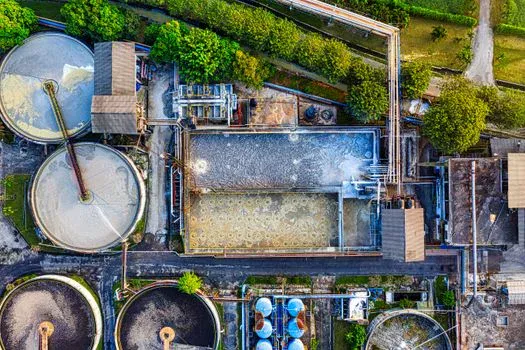
Industrial wastewater treatment is a multi-stage process that removes contaminants before discharge or reuse. The sequence begins with screening, where coarse materials like rags, grit, and plastics are removed using equipment such as a rotary bar screen. Primary sedimentation follows: heavier solids settle while oil and grease float for skimming.
Biological treatment forms the heart of many systems. Technologies like Activated Sludge or Oxidation Ponds use microorganisms to break down organic pollutants. Facilities requiring higher effluent quality move to Membrane Bioreactors (MBRs) for advanced biological treatment.
Tertiary treatment stages add filtration and disinfection to polish water for reuse or safe discharge. Dissolved Air Flotation (DAF) systems excel at FOG and TSS removal in Nairobi's industrial mix. DAF injects micro-bubbles that attach to suspended solids and grease, floating them for skimming at 90-95% TSS removal.
MBR systems push quality further for reuse duty. Submerged membranes filter effluent below 0.1 μm and can hold COD below 10 mg/L, fitting textile water recycling or cooling tower makeup. Chemical dosing then handles pH adjustment, coagulation of fine particles, and flocculation for dissolved pollutants, heavy metals, and dyes—typically with Polyaluminum Chloride (PAC) as coagulant and polyacrylamide as flocculant.
HydropureWater supplies the three core equipment blocks for these trains: advanced DAF systems for Nairobi industrial wastewater treatment and high-quality MBR systems for high-quality effluent in Nairobi. Precise chemical dosing systems for pH adjustment and heavy metal removal complete the chain.
DAF vs. MBR vs. Chemical Dosing: Which System Fits Your Nairobi Facility?
Technology selection drives both compliance outcomes and cost for Nairobi industries. The choice among DAF, MBR, and chemical dosing depends on wastewater characteristics, target effluent quality, and budget.
DAF systems are particularly effective for FOG and TSS removal, making them a strong fit for food processing plants and metalworking facilities. CAPEX typically runs $50,000 to $300,000 for 10-100 m³/h capacities, with 90-95% removal rates for TSS and FOG. Their limit is dissolved organics: COD and BOD reduction stays well below biological systems.
MBR systems deliver effluent of near-reuse quality with COD below 10 mg/L, suiting stringent discharge standards or water recycling in textile manufacturing. MBR CAPEX ranges from $200,000 to over $1,000,000 at similar flow rates, and OPEX runs higher on membrane aeration and pumping energy. The footprint stays small for the capacity delivered.
Chemical dosing systems offer a modular, lower-CAPEX path ($20,000–$100,000) for smaller operations or pretreatment duty. They handle pH adjustment, coagulation, and flocculation well, including heavy metal precipitation. They need continuous chemical replenishment and generate sludge for disposal.
Practical pairings by sector: food processing usually starts with DAF for FOG and TSS; textile plants favor MBR for advanced removal and reuse; metalworking sites often combine DAF for oil and solids with chemical dosing for heavy metal precipitation.
| Technology | Best For | COD Removal (%) | TSS Removal (%) | FOG Removal (%) | CAPEX Range (USD) (10-100 m³/h) | OPEX (USD/m³) | Footprint | Maintenance Complexity |
|---|---|---|---|---|---|---|---|---|
| DAF | Food processing, Metalworking (FOG/TSS) | 30-60 | 90-95 | 90-95 | $50,000 - $300,000 | $2 - $7 | Medium | Moderate |
| MBR | Textiles, High-quality reuse, Strict discharge | 95-99+ | 99+ | 90-95 | $200,000 - $1,000,000+ | $5 - $15 | Small | High |
| Chemical Dosing | pH adjustment, Heavy metals, Coagulation/Flocculation | Variable (depends on chemicals) | 50-80 | 50-80 | $20,000 - $100,000 | $1 - $5 (chemical cost) | Small | Moderate (chemical management) |
What Does an Industrial Wastewater Treatment System Cost in Kenya? CAPEX and OPEX
Industrial wastewater treatment system cost in Kenya splits into CAPEX, OPEX, and a set of hidden compliance costs. DAF systems for 10 to 100 m³/h typically fall within $50,000 to $300,000. MBR systems command $200,000 to $1,000,000 or more at the same capacities, while chemical dosing systems range from $20,000 to $100,000.
OPEX structure matters as much as the purchase price. Energy consumption can account for 30-50% of total OPEX, followed by chemicals (20-40%), maintenance and repairs (10-20%), and sludge disposal (5-15%). A 50 m³/h DAF system with $150,000 CAPEX and $30,000 annual OPEX reaches payback near three years if it prevents $50,000 in annual fines.
Hidden costs move real budgets. NEMA permitting fees range from KES 50,000 to KES 200,000 depending on project scope and EIA requirements. Sludge disposal often runs KES 2,000 to KES 5,000 per ton, and operator training costs between KES 100,000 and KES 300,000. Budgets that ignore these lines routinely overrun.
| Cost Component | Typical Range (USD) for 10-100 m³/h | Notes |
|---|---|---|
| CAPEX | ||
| DAF System | $50,000 - $300,000 | Varies with size, materials, and automation |
| MBR System | $200,000 - $1,000,000+ | Higher initial investment for advanced treatment |
| Chemical Dosing System | $20,000 - $100,000 | Modular, cost-effective for specific applications |
| OPEX (Annual) | ||
| Energy | 30-50% of OPEX | Pumps, blowers, control systems |
| Chemicals | 20-40% of OPEX | Coagulants, flocculants, disinfectants (for DAF/Chemical Dosing) |
| Maintenance & Repairs | 10-20% of OPEX | Spare parts, servicing, labor |
| Sludge Disposal | 5-15% of OPEX | Transportation and disposal fees |
| Hidden Costs | ||
| NEMA Permitting & EIA | KES 50,000 - 200,000 | Application fees, consultant fees |
| Sludge Disposal (per ton) | KES 2,000 - 5,000 | Highly variable based on volume and location |
| Operator Training | KES 100,000 - 300,000 | Essential for efficient operation |
Compliance-Ready Checklist for Nairobi Industrial Facilities
Achieving Nairobi industrial wastewater treatment NEMA compliance takes a systematic six-step path, from first audit to ongoing monitoring. Each step below carries its own cost and schedule, so plan them as one program rather than separate chores.
Step 1: Conduct a comprehensive wastewater audit. Detailed laboratory analysis identifies pollutant loads including COD, BOD, TSS, FOG, and heavy metals. NEMA-approved laboratories for this step typically cost KES 20,000 to KES 50,000.
Step 2: Select the appropriate treatment technology based on the identified pollutant profiles and desired effluent quality. The technology comparison table above anchors this decision.
Step 3: Submit a NEMA Environmental Impact Assessment (EIA) for larger projects or those with significant impact potential. Review and approval can take 3 to 6 months.
Step 4: Install and commission the treatment system. NEMA mandates a 30-day performance test period post-installation, with effluent quality documented daily to demonstrate consistent compliance.
Step 5: Implement a robust monitoring plan. High-risk industries run weekly composite sampling; lower-risk facilities may hold monthly schedules per NEMA guidelines.
Step 6: Train your operators on maintenance, safe chemical handling, and emergency response. HydropureWater delivers on-site training programs so teams can run the system day one, supporting a compliance-ready operating posture through the monitoring years.
Commissioning and Startup Sequence
Start the plant on water, not effluent. Flush the screen, equalisation, and dosing lines with clean water first, proving every pump, valve, and instrument loop before process flow enters. Then introduce effluent at partial load, bringing coagulant and flocculant dosing up in small steps while watching clarity and sludge character. Hold each step until results repeat, and record the settings that produced them — those become your baseline duty points.
For biological stages, seed deliberately and ramp slowly. Introduce seed sludge from a working plant, hold at low load until biology establishes, then step the feed upward with effluent checks between every move. Bring tertiary and disinfection stages online only after the upstream train is stable. Confirm alarms, interlocks, and emergency dosing shutdowns during commissioning, not after the first upset.
Monitoring Cadence and Operator Log Guidance
Set the monitoring plan to match your risk class, then hold to it. High-risk operations such as tanneries and chemical plants run weekly composite sampling, and daily checks of pH, flow, and dosing residuals belong on the shift sheet regardless of class. Keep one bound or digital log per plant, with time, reading, dose, and operator initials on every line. A complete log is the first thing an inspector asks for and the cheapest defence a factory can hold.
Review the log monthly, not just at inspection time. Compare chemical consumption and sludge volumes against the commissioning baseline, and investigate drift before it becomes an exceedance. Feed every deviation, however small, back into the record with its cause and the corrective action taken. That habit converts the log from paperwork into the plant's operating memory.
Troubleshooting Decisions
When effluent quality slips, work the train from the front. Check screening and grit removal first, because rags and grit travelling downstream cause most cascade failures. Verify dosing pumps and reagent strength next, then float and sludge withdrawal rates on the DAF, then membrane pressures on the MBR. Use the operator log to find what changed most recently before the slip began.
Escalate in stages, not leaps. Adjust one variable at a time and give the train a full response cycle before judging the result. If the problem persists after dosing and hydraulics check out, commission a fresh laboratory audit of the influent, because a silent change in the factory's process often hides there. Only then consider equipment changes or a redesigned stage.
The main cost drivers, ranked, are technology selection, energy, chemicals, and sludge disposal. Technology fixes the purchase price and most of the running profile that follows. Energy and chemicals then compound daily, and disposal quietly grows with any dosing increase. Optimising dose control and dewatering early is the fastest way to hold the operating line down.
Choosing among the three routes follows the pollutant profile. Take DAF where fats, grease, and suspended solids set the problem, and MBR where reuse-grade effluent or strict discharge justifies the spend. Chemical dosing alone suits a duty limited to pH correction or metal precipitation on a modest flow. Food processors usually start with DAF, textile plants with MBR, and metalworking sites with the DAF-plus-dosing pairing.
Where budgets bind, stage the build. Front-end stages covering screening, equalisation, and DAF or dosing deliver the largest compliance gain per shilling spent, so let them land first. Biological and membrane polishing can follow once the loads are understood. Staged builds also spread operator training across a manageable learning curve.
Who This Guide Covers and the Next Step
This guide serves plant engineers, EPC contractors, and procurement managers sizing effluent plants for Nairobi food processing, textile, and metalworking sites at 10-100 m³/h class flows. Facilities already connected to the municipal sewer with compliant pre-treatment may only need dosing upgrades. If you have a pollutant profile or even a single lab report, send it through our request a quote form for a scoped DAF, MBR, or dosing layout with CAPEX and OPEX estimates.
Frequently Asked Questions
What Are NEMA's 2026 Effluent Limits for Nairobi Factories?
NEMA's 2026 effluent limits for Nairobi factories are COD ≤50 mg/L, BOD ≤30 mg/L, TSS ≤30 mg/L, FOG ≤10 mg/L, pH 6-9, plus parameter-specific heavy metal caps such as Cr ≤0.1 mg/L. Exceeding these limits can trigger fines of up to KES 10 million under NEMA's 2025 enforcement guidelines. Weekly composite sampling applies to high-risk industries such as tanneries and chemical plants.
What Does a DAF System for Nairobi Food Processing Wastewater Cost?
A DAF system for Nairobi food processing wastewater costs approximately $50,000 at 10 m³/h capacity up to $300,000 at 100 m³/h. OPEX typically falls between $2 and $7 per cubic meter treated, covering energy and maintenance. MBR systems cost 3-5 times more but deliver higher effluent quality suitable for reuse.
Can I Discharge Treated Wastewater into Nairobi's Sewer System?
You can discharge into Nairobi's sewer system only if your facility connects to the municipal network and your effluent meets NEMA's pre-treatment standards for sewer discharge. These standards are generally less stringent than direct environmental discharge, often allowing higher COD levels up to about 500 mg/L, but confirm current NEMA and Nairobi City Water and Sewerage Company rules. Unconnected facilities must treat on site.
What Are the Penalties for Non-Compliance with NEMA's Wastewater Regulations?
Penalties include fines of up to KES 10 million, mandatory production halts, and facility closure. NEMA conducts unannounced inspections, and its 2024 enforcement report indicated 42 facilities were fined for violations. One Nairobi food plant paid KES 8.5 million in 2024 for effluent at 1,200 mg/L COD (NEMA public records), which exceeds the ≤50 mg/L working limit many times over.
What Is the MBR System Cost for Kenya's Textile Industry?
An MBR system for Kenya's textile industry typically costs $200,000 to over $1,000,000 for 10-100 m³/h flows, with OPEX near $5-15 per cubic meter on aeration and pumping. The return is effluent with COD consistently below 10 mg/L, fit for dye-house recycling. If your target is mainly FOG and TSS rather than reuse, a DAF system at 90-95% removal usually wins on CAPEX.