Third-Generation Semiconductor Wastewater Treatment Supplier: 2027 Engineering Specs, Zero-Fouling ZLD Design & $5M–$50M CAPEX Benchmarks
Third-generation semiconductor fabs (SiC/GaN) generate wastewater with fluoride concentrations up to 2,000 mg/L, TOC >5,000 ppb, and heavy metals (e.g., copper, arsenic) from CMP processes—far exceeding discharge limits like China’s GB 31573-2015 (<10 mg/L fluoride) or the U.S. EPA’s 40 CFR Part 469. Leading suppliers now offer zero-liquid discharge (ZLD) systems combining MBR (99% TSS removal), advanced oxidation (95% TOC reduction), and RO (90% water recovery) to meet these demands. CAPEX ranges from $5M for modular pre-treatment to $50M for full-scale ZLD plants, with OPEX driven by chemical costs ($0.50–$2.00/m³) and membrane replacement ($100K–$500K/year).
Why Third-Generation Semiconductor Wastewater Is Harder to Treat Than Silicon
Fluoride concentrations in SiC/GaN etching processes frequently reach 1,500–2,000 mg/L, representing a 10- to 50-fold increase over traditional silicon-based fabrication, which typically ranges from 50–200 mg/L. This extreme loading necessitates a two-stage chemical precipitation process rather than the single-stage systems used in legacy fabs. In a two-stage configuration, calcium hydroxide (Ca(OH)₂) is utilized in the first reactor to reduce fluoride to approximately 20–30 mg/L, followed by a polishing stage using aluminum sulfate (Al₂(SO₄)₃) or specialized ion exchange resins to meet the <10 mg/L threshold required by GB 31573-2015.
Total Organic Carbon (TOC) levels in third-generation fabs are also significantly higher, often measuring between 3,000 and 5,000 ppb. This is driven by the intensive use of photoresist residues and organic solvents required for wide-bandgap material processing. These levels exceed the influent tolerances of standard ultrapure water (UPW) systems, which target <50 ppb for reuse. Consequently, wastewater suppliers must integrate high-intensity advanced oxidation processes (AOP) to break down complex organics before the water reaches membrane stages.
Heavy metal contamination presents a third layer of complexity. Gallium Nitride (GaN) doping and Copper Chemical Mechanical Planarization (CMP) introduce arsenic and copper ions into the waste stream. Meeting EPA 40 CFR Part 469 standards requires electrocoagulation or specialized chelating precipitants that can operate effectively in the presence of high fluoride backgrounds. Variable flow rates—surging from 30 m³/h to 100 m³/h during tool cleaning cycles—demand large equalization buffer tanks and high-speed automated chemical dosing for fluoride precipitation to prevent system shock and effluent non-compliance. Without robust automation, these spikes can overwhelm the biological or membrane stages, leading to catastrophic fouling.
Technology Comparison: MBR vs. Advanced Oxidation vs. ECD for Third-Gen Fabs
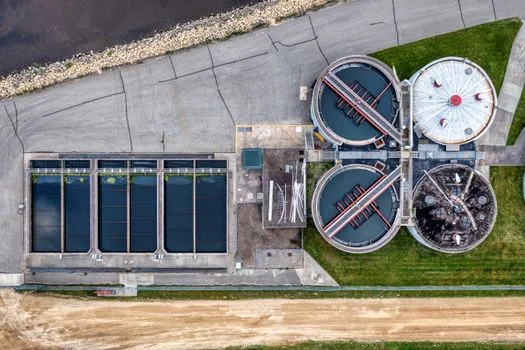
Membrane Bioreactors (MBR) have become the baseline for MBR systems for semiconductor wastewater reuse, achieving 99% Total Suspended Solids (TSS) removal and 90% Chemical Oxygen Demand (COD) reduction. In the context of SiC/GaN fabs, MBRs serve as the critical bridge between chemical pre-treatment and Reverse Osmosis (RO). By removing fine precipitates and organic fragments, MBRs protect downstream RO membranes from biofouling, though they require rigorous pre-treatment to keep influent fluoride below 20 mg/L to prevent microbial inhibition.
Advanced Oxidation Processes (AOP), utilizing H₂O₂/UV or ozone, are essential for CMP wastewater where TOC reduction is the primary goal. While AOP can achieve 95% TOC reduction and 99% copper removal, the operational expenditure (OPEX) is high, ranging from $1.50 to $3.00/m³. Engineers often deploy DAF pre-treatment for fluoride and TSS removal ahead of AOP to reduce the oxidant demand and improve UV transmittance, thereby optimizing the energy-to-removal ratio.
Electrochemical Deposition (ECD) is gaining traction for concentrated metal streams, particularly in GaN lines where arsenic recovery or removal is required. ECD can reduce hazardous waste volumes by 30–50% by recovering metals in solid form, though it does not address fluoride or TOC. For fabs with limited space, ECD offers a compact footprint (approximately 10 m² for a 50 m³/h stream) compared to massive clarifiers.
| Technology | Primary Target | Removal Efficiency | Typical OPEX ($/m³) | Footprint Requirement |
|---|---|---|---|---|
| MBR | TSS, COD, Bacteria | 99% TSS, 90% COD | $0.30 – $0.80 | Medium (Modular) |
| Advanced Oxidation (AOP) | TOC, Complex Organics | 95% TOC | $1.50 – $3.00 | Small |
| ECD | Heavy Metals (Cu, As) | 99% Metals | $0.50 – $1.20 | Very Small |
| Chemical Precipitation + DAF | Fluoride, Large Solids | 80-90% Fluoride | $0.40 – $0.90 | Large |
For facility engineers, the choice often involves a hybrid approach. A standard supplier selection criteria for IC wastewater treatment prioritizes systems that combine chemical precipitation for fluoride with MBR and RO for water reclamation.
2027 CAPEX Benchmarks: From Modular Pre-Treatment to Full-Scale ZLD
Capital expenditures for third-generation semiconductor wastewater treatment systems vary widely.Tier 1: Modular Pre-Treatment ($5M–$10M). These systems focus on discharge compliance rather than reuse. They typically include a DAF unit, a two-stage chemical dosing skid, and a sludge dewatering system. A 100 m³/h system in this tier is designed to handle 2,000 mg/L fluoride, reducing it to <10 mg/L. The automation is limited to dosing control and pH monitoring.
Tier 2: Water Reuse Systems ($15M–$30M). Designed for fabs aiming for 90-95% water recovery, these plants integrate MBR and RO systems for semiconductor water reuse. A 300 m³/h facility will include advanced PLC/SCADA integration to manage the balance between the biological stage and the membrane pressure requirements. This tier significantly reduces potable water purchase costs, often providing a return on investment within 3 years.
Tier 3: Zero-Liquid Discharge (ZLD) ($30M–$50M). ZLD represents the peak of ZLD design considerations for wafer fabs. These systems add mechanical vapor recompression (MVR) or crystallizers to the Tier 2 setup to eliminate liquid waste entirely. While CAPEX is high, ZLD is increasingly mandated in water-scarce regions or industrial zones with strictly prohibited discharge permits.
| System Tier | Capacity (m³/h) | CAPEX Range | Key Components | Water Recovery % |
|---|---|---|---|---|
| Modular Pre-Treatment | 50 – 150 | $5M – $10M | DAF, Chemical Skids, Filter Press | 0% (Discharge Only) |
| Water Reuse Plant | 200 – 400 | $15M – $30M | MBR, RO, UV, Carbon Filters | 85% – 95% |
| Full-Scale ZLD | 400 – 600+ | $30M – $50M | MBR, RO, MVR Crystallizer | 98% – 100% |
OPEX is primarily driven by chemical consumption for fluoride precipitation (typically $0.50–$2.00/m³) and the periodic replacement of RO and MBR membranes. Energy intensity for RO stages usually falls between 0.8 and 1.5 kWh/m³, depending on the osmotic pressure of the feed water.
Fab-Ready Design: 5 Non-Negotiable Features for Third-Gen Wastewater Systems
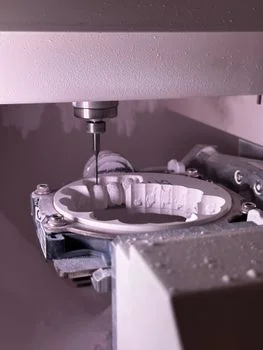
To ensure 24/7 operation in a high-stakes semiconductor environment, wastewater systems must incorporate specific engineering specs for microelectronics wastewater treatment that go beyond standard industrial water treatment.
- 1. Automation for Variable Loads: The system must utilize PLC/SCADA systems with real-time fluoride and TOC analyzers. When fluoride spikes are detected from CMP tool cleaning, the automation should trigger increased dosing of Ca(OH)₂ and divert the stream to a high-concentration buffer tank to prevent downstream membrane damage.
- 2. Redundancy for 24/7 Operation: Critical systems must follow N+1 redundancy. This includes dual feed pumps, parallel MBR trains, and bypass valves that allow for membrane cleaning (CIP) without shutting down the entire fab's drainage.
- 3. Compact Footprint: Modern fabs are often space-constrained. Suppliers should offer modular skids, such as high-flux MBR membrane modules that can be stacked to minimize the footprint of the biological stage.
- 4. Compliance Reporting: The control system must provide automated data logging for regulatory audits. This includes 24-hour composite sampling data for fluoride, copper, and arsenic, formatted to meet China’s GB 31573-2015 or EPA 40 CFR Part 469 requirements.
- 5. Zero-Fouling Membranes: Given the high calcium and fluoride content, membranes must be made of PVDF or ceramic materials with specialized anti-scaling coatings. Automatic Cleaning-In-Place (CIP) cycles should be programmed based on trans-membrane pressure (TMP) triggers rather than simple timers.
Supplier Selection Checklist: 10 Questions to Ask Before Signing a Contract
When evaluating suppliers, several key questions must be addressed.- What is your guaranteed fluoride removal efficiency at 1,500 mg/L influent? (Target: <10 mg/L effluent; demand pilot data for SiC wastewater).
- How does your system handle variable flows (e.g., 30 to 100 m³/h)? (Ensure buffer tanks are sized for at least 4 hours of peak retention).
- What is the verified water recovery rate for your reuse systems? (Target: 90–95% for MBR + RO; ask for existing fab case studies).
- Can you provide a detailed OPEX breakdown for chemicals and energy? (Target: $0.50–$2.00/m³ total; ask for consumption