Bordeaux’s industrial and municipal facilities face strict EU wastewater discharge limits (e.g., COD <125 mg/L, TSS <35 mg/L per Directive 91/271/EEC), making supplier selection critical. Top suppliers offer modular, containerized, and MBR systems with CAPEX ranging from €50K for compact units to €5M+ for large-scale plants. This guide compares 2026 engineering specs, cost models, and compliance risks to help buyers avoid costly retrofits or fines.
Bordeaux, a hub of diverse industrial activity and a significant metropolitan area, presents unique challenges and opportunities for effective sewage treatment equipment suppliers. The region's specific environmental conditions and regulatory landscape significantly influence equipment selection and operational efficiency.
Why Bordeaux’s Wastewater Treatment Needs Are Unique
Bordeaux’s humid subtropical climate (Köppen Cfa) increases biological load in wastewater, requiring 15–20% higher aeration capacity than northern France, according to Météo-France 2024 data. This elevated biological activity directly impacts the design and energy consumption of aerobic treatment systems. Bordeaux Metropole’s 2026 ‘Plan Climat’ mandates 30% water reuse for industrial facilities, pushing demand for advanced MBR systems and tertiary treatment solutions, as outlined in a Bordeaux Metropole 2025 report. Key industries in the region, such as wine production, aerospace manufacturing, and chemical processing, contribute to high-COD (Chemical Oxygen Demand) effluent. For instance, wineries typically generate wastewater with COD levels ranging from 5,000–10,000 mg/L, necessitating robust pre-treatment methods like DAF systems for Bordeaux’s high-FOG industrial effluent (e.g., wineries, food processing) or anaerobic digestion, per specifications from leading equipment providers. Bordeaux's older sewer network often features combined stormwater and wastewater overflows, which can lead to discharge events during heavy rainfall, increasing the risk of non-compliance. Decentralized treatment solutions, such as modular underground sewage treatment systems for Bordeaux’s space-constrained sites or containerized plants, effectively mitigate these risks by treating wastewater at the source, reducing strain on the central municipal system and enhancing local resilience. Understanding these local factors is paramount for any industrial facility manager or municipal procurement officer evaluating sewage treatment equipment suppliers in Bordeaux.
| Bordeaux-Specific Wastewater Challenge | Impact on Equipment Selection | Recommended Solution |
|---|---|---|
| Humid Subtropical Climate (Köppen Cfa) | Increased biological load, requiring 15-20% higher aeration capacity. | Aerobic systems with optimized aeration and energy-efficient blowers. |
| Bordeaux Metropole’s 2026 ‘Plan Climat’ (30% water reuse) | Mandates advanced treatment for water reclamation. | MBR systems or tertiary filtration (e.g., UF/RO) for high-quality permeate. |
| High-COD Effluent (e.g., Wineries: 5,000–10,000 mg/L COD) | Requires robust pre-treatment to reduce organic load. | DAF systems, anaerobic digestion, or specialized biological reactors. |
| Sewer Network Limitations (Combined Overflows) | Risk of non-compliance during peak flows; need for localized treatment. | Decentralized modular or containerized plants at source. |
How to Choose a Sewage Treatment Equipment Supplier in Bordeaux: A 5-Step Decision Framework
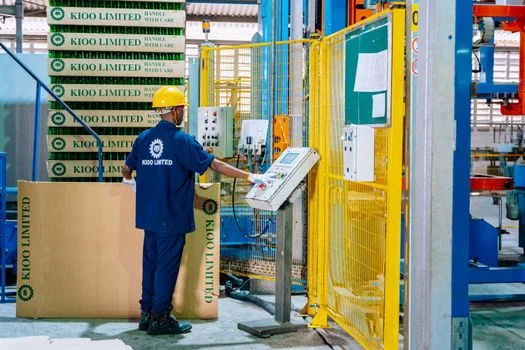
Selecting a sewage treatment equipment supplier in Bordeaux requires a systematic approach to ensure technical performance, cost-effectiveness, and stringent compliance with French and EU regulations. This decision framework provides a structured process for evaluating wastewater treatment suppliers in Bordeaux.
- Step 1: Define Effluent Quality Targets. Facilities must define precise effluent quality targets, such as COD <125 mg/L and TSS <35 mg/L, as stipulated by EU Directive 91/271/EEC and further detailed in Bordeaux Metropole’s ‘Arrêté du 2 février 2016’. Matching these targets to the appropriate equipment type is critical; for instance, MBR systems for Bordeaux’s water reuse and high-efficiency treatment needs are essential for achieving stringent reuse standards, while DAF systems are highly effective for FOG (fats, oils, and grease) removal in industrial applications like food processing or wineries.
- Step 2: Assess Footprint Constraints. Space is often a premium in Bordeaux’s dense industrial zones. Modular underground systems, such as the WSZ Series, can save up to 40% of space compared to conventional above-ground plants, according to data from leading suppliers. This compact design is a significant advantage for facilities with limited land availability, reducing the need for extensive civil works.
- Step 3: Evaluate Supplier Support and Service Level Agreements (SLAs). Post-installation support is crucial for long-term operational reliability. Suppliers offer varying levels of service, from 24/7 on-site support with 2-hour response time benchmarks to remote monitoring coupled with 24-hour on-site SLAs. Assessing the availability of local technical expertise and spare parts inventory is vital to minimize downtime and ensure continuous compliance.
- Step 4: Compare CAPEX and OPEX. A thorough financial evaluation involves comparing both Capital Expenditure (CAPEX) and Operational Expenditure (OPEX). Containerized plants, for example, often have 30% lower CAPEX due to their pre-fabricated nature but can incur 20% higher OPEX due to energy consumption for climate control, particularly during Bordeaux’s warm summers, as highlighted in a 2025 case study. Conversely, more advanced systems might have higher initial costs but lower long-term operational expenses due to higher efficiency and reduced chemical usage.
- Step 5: Verify Compliance and Certification. Suppliers must provide clear evidence of compliance with all relevant French and EU regulations. This includes CE marking, demonstrating conformity with European health, safety, and environmental protection standards, and proof of adherence to EU Directive 91/271/EEC and REACH regulations for chemical management. A comprehensive compliance checklist, including local Bordeaux Metropole requirements, should be used to vet potential partners and ensure a zero-risk project.
| Compliance Requirement | Key Standard / Regulation | Supplier Verification Checklist |
|---|---|---|
| Effluent Discharge Limits | EU Directive 91/271/EEC, Arrêté du 2 février 2016 (Bordeaux Metropole) | ✓ Guaranteed discharge parameters below limits ✓ Performance data from similar projects |
| Chemical Management | REACH (Registration, Evaluation, Authorisation and Restriction of Chemicals) | ✓ Safety Data Sheets (SDS) for all chemicals used ✓ Proof of compliant chemical sourcing |
| Equipment Safety & Quality | CE Marking | ✓ CE certificate for all equipment components ✓ Compliance with relevant EN standards |
| Water Reuse Mandates | Bordeaux Metropole’s 2026 ‘Plan Climat’ | ✓ Capability of system to meet reuse quality (e.g., MBR) ✓ Experience with water recycling projects |
| Disinfection Standards | Arrêté du 21 juillet 2015 (French) | ✓ Chemical-free disinfection options (e.g., UV, Ozone) ✓ Avoidance of non-compliant chlorine systems |
Modular vs. Containerized vs. MBR Systems: Bordeaux-Specific Comparison
Bordeaux’s diverse industrial and municipal needs demand a nuanced understanding of different sewage treatment equipment types. Each system offers distinct advantages in terms of capacity, footprint, and treatment efficiency, making the choice dependent on specific project requirements.
Modular Systems, such as the WSZ Series, are highly adaptable, typically handling flows from 1–80 m³/h and achieving approximately 90% COD removal. With a CAPEX ranging from €100K–€1M, they are ideal for mid-sized facilities like wineries, hospitals, or small industrial parks in Bordeaux. These systems can be installed either above-ground or, crucially for Bordeaux’s space-constrained sites, buried underground, which minimizes visual impact and noise. The flexibility of modular design allows for easy expansion as capacity needs grow.
Containerized Plants offer quick deployment and mobility, processing 5–300 m³/h with around 85% COD removal. Their CAPEX typically ranges from €50K–€2M, making them a cost-effective choice for temporary sites, construction camps, or rural areas in Bordeaux where rapid installation is paramount. However, due to Bordeaux’s warm summers, containerized units require adequate climate control and insulation to maintain optimal biological activity and prevent equipment overheating, potentially increasing OPEX. Their "plug-and-play" nature minimizes on-site construction time and complexity.
MBR (Membrane Bioreactor) Systems represent the forefront of wastewater treatment technology, delivering exceptional effluent quality suitable for water reuse. With capacities ranging from 10–2,000 m³/day, MBR systems consistently achieve TSS (Total Suspended Solids) levels below 10 mg/L and high removal rates for COD and nutrients. Their CAPEX, typically between €300K–€5M, reflects their advanced capabilities, which are essential for meeting Bordeaux Metropole’s 2026 water reuse targets. While MBR systems offer a significantly smaller footprint than conventional activated sludge plants, managing membrane fouling risks and ensuring regular maintenance are critical for sustained performance. HydropureWater offers advanced MBR systems for Bordeaux’s water reuse and high-efficiency treatment needs, designed for reliability and compliance. For facilities prioritizing space efficiency without requiring full water reuse, modular underground sewage treatment systems for Bordeaux’s space-constrained sites provide a robust and compliant solution.
| Equipment Type | Capacity Range | COD/TSS Removal | CAPEX (€) | OPEX (€/year) | Footprint | Compliance (EU/French) | Bordeaux Use Cases |
|---|---|---|---|---|---|---|---|
| Modular Systems (e.g., WSZ Series) | 1–80 m³/h | ~90% COD, <35 mg/L TSS | €100K–€1M | €10K–€100K | Small, can be buried (40% space savings) | High (EU 91/271/EEC) | Wineries, Hospitals, Small Industrial Facilities |
| Containerized Plants | 5–300 m³/h | ~85% COD, <50 mg/L TSS | €50K–€2M | €8K–€150K (20% higher energy for climate control) | Medium, mobile, quick deployment | Medium (EU 91/271/EEC) | Construction Camps, Rural Municipalities, Temporary Sites |
| MBR Systems | 10–2,000 m³/day | >95% COD, <10 mg/L TSS | €300K–€5M | €30K–€400K | Compact (up to 70% smaller than conventional) | Very High (EU 91/271/EEC, Water Reuse) | Industrial Water Reuse, Large Municipalities, Sensitive Discharge Zones |
Bordeaux-Specific Cost Benchmarks: CAPEX, OPEX, and ROI by Equipment Type
Understanding the financial implications of sewage treatment equipment in Bordeaux is crucial for effective budgeting and investment justification. Capital Expenditure (CAPEX) for sewage treatment plants in Bordeaux varies significantly by type and capacity. Modular systems typically range from €100K to €1M, containerized plants from €50K to €2M, and advanced MBR systems from €300K to €5M. These figures represent comprehensive costs including equipment, installation, and initial commissioning. Bordeaux Metropole’s 2026 subsidy programs offer attractive incentives, including up to 30% grants for water reuse systems, significantly offsetting the CAPEX for facilities aligning with sustainability goals. Operating Expenditure (OPEX) is a critical long-term consideration, typically ranging from 10–20% of the initial CAPEX annually. A breakdown of OPEX reveals that energy costs constitute 40–60% of the total, chemicals account for 20–30%, and maintenance makes up the remaining 10–20%. Notably, containerized plants often incur 20% higher energy costs due to the necessity of climate control systems to maintain optimal biological conditions during Bordeaux’s seasonal temperature fluctuations, as observed in 2025 Veolia data. Return on Investment (ROI) for these systems can be substantial. MBR systems, for example, typically achieve payback within 5–7 years, primarily driven by significant water reuse savings (e.g., €0.50/m³ saved compared to municipal water supply costs). Modular systems, focused on industrial discharge compliance, often provide a quicker ROI of 3–5 years by avoiding hefty fines and operational disruptions associated with non-compliance. These benchmarks provide a clear financial roadmap for industrial facility managers and municipal procurement officers in Bordeaux.
| Equipment Type | CAPEX Range (€) | OPEX Range (€/year) | ROI (Years) | Example Project (Bordeaux) |
|---|---|---|---|---|
| Modular System (e.g., WSZ Series) | €100K–€1M | €10K–€100K | 3–5 years (compliance focus) | Winery: 50 m³/h modular system, €500K CAPEX |
| Containerized Plant | €50K–€2M | €8K–€150K | 4–6 years (rapid deployment, temporary use) | Construction Site: 20 m³/h containerized unit, €150K CAPEX |
| MBR System | €300K–€5M | €30K–€400K | 5–7 years (water reuse savings) | Aerospace Facility: 200 m³/day MBR for reuse, €1.5M CAPEX |
Compliance Checklist: How to Ensure Your Bordeaux Project Meets EU and French Standards
Ensuring full compliance with EU and French wastewater regulations is paramount for any sewage treatment project in Bordeaux, preventing costly fines and operational interruptions. EU Directive 91/271/EEC sets stringent discharge limits, mandating COD <125 mg/L, TSS <35 mg/L, and, for sensitive areas like the Gironde Estuary, nutrient removal to N <10 mg/L and P <1 mg/L. These specific limits for Bordeaux’s ‘zones sensibles’ require advanced treatment technologies to protect delicate aquatic ecosystems. French ‘Arrêté du 21 juillet 2015’ specifically mandates chemical-free disinfection methods, such as UV disinfection systems for Bordeaux’s chemical-free compliance needs or ozone, for industrial effluent before discharge; chlorine-based systems are generally non-compliant and should be avoided. suppliers must demonstrate REACH compliance, providing Safety Data Sheets (SDS) for all chemicals used in the treatment process (e.g., coagulants, flocculants) to ensure safe handling and environmental protection. Bordeaux Metropole’s 2026 ‘Plan Climat’ reinforces the region’s commitment to sustainability by mandating 30% water reuse for industrial facilities, making MBR systems the only compliant option for achieving the necessary water quality for reuse, according to leading equipment provider specifications. The permitting process in Bordeaux requires a comprehensive ‘Dossier de Demande d’Autorisation’ to be submitted to local authorities, typically involving a timeline of 6–12 months for approval, underscoring the need for early planning and thorough documentation. Understanding how Bordeaux’s compliance challenges compare to other EU-adjacent markets can also provide valuable context.
| Regulatory Body/Standard | Key Compliance Requirement | Actionable Verification Step |
|---|---|---|
| EU Directive 91/271/EEC | COD <125 mg/L, TSS <35 mg/L, N <10 mg/L, P <1 mg/L (sensitive areas) | Request performance guarantees and effluent test reports from supplier. |
| French ‘Arrêté du 21 juillet 2015’ | Mandates chemical-free disinfection (e.g., UV, ozone); chlorine non-compliant. | Confirm disinfection method is non-chemical; request system design details. |
| REACH Regulation | Suppliers must provide SDS for all chemicals used (coagulants, flocculants). | Obtain SDS for all proposed chemicals; verify supplier's REACH registration. |
| Bordeaux Metropole’s 2026 ‘Plan Climat’ | 30% water reuse for industrial facilities. | Ensure selected system (e.g., MBR) can achieve reuse quality; seek expert consultation. |
| Local Permitting Process | Submission of ‘Dossier de Demande d’Autorisation’. | Consult with local environmental agencies; confirm supplier assistance with documentation. |
Frequently Asked Questions
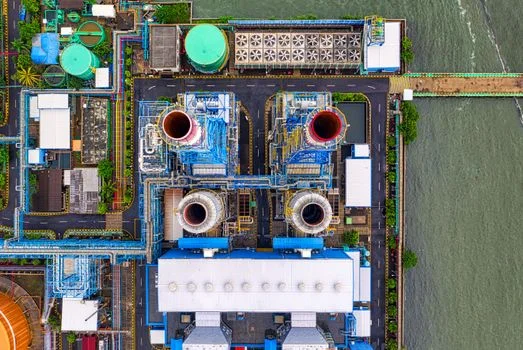
Navigating the complexities of sewage treatment equipment selection in Bordeaux often leads to common questions from industrial facility managers and municipal procurement officers.
What are the discharge limits for industrial wastewater in Bordeaux?
Industrial wastewater discharge limits in Bordeaux are primarily governed by EU Directive 91/271/EEC and Bordeaux Metropole’s ‘Arrêté du 2 février 2016’. Key parameters typically include COD <125 mg/L, TSS <35 mg/L, N <10 mg/L, and P <1 mg/L, especially for discharges into sensitive areas like the Gironde Estuary.
How much does a sewage treatment plant cost in Bordeaux?
The Capital Expenditure (CAPEX) for a sewage treatment plant in Bordeaux varies significantly based on type and capacity. Costs range from €50K for compact containerized units to €5M for large-scale MBR systems, based on 2026 benchmarks. Operational Expenditure (OPEX) typically represents 10–20% of the CAPEX annually, covering energy, chemicals, and maintenance.
Can I install a sewage treatment plant underground in Bordeaux?
Yes, modular systems like the WSZ Series are specifically designed for underground installation in Bordeaux. This design saves valuable space, minimizes visual impact, and reduces noise pollution, making it an ideal solution for facilities in densely populated or aesthetically sensitive areas, as per specifications from leading suppliers.
What are the best sewage treatment systems for Bordeaux’s wineries?
For Bordeaux’s wineries, which typically produce high-COD effluent (5,000–10,000 mg/L), modular SBR (Sequencing Batch Reactor) systems, often integrated into WSZ Series units, are highly effective. These systems handle fluctuating loads, require a minimal footprint, and can achieve the necessary discharge quality. CAPEX for such systems typically ranges from €200K–€800K, depending on capacity.
How do I ensure my sewage treatment equipment complies with EU REACH?
To ensure compliance with EU REACH regulations, your supplier must provide comprehensive Safety Data Sheets (SDS) for all chemicals used in the treatment process, including coagulants and flocculants. Additionally, it is crucial to avoid chlorine-based disinfection systems, as they are generally non-compliant with the French ‘Arrêté du 21 juillet 2015’ for industrial effluent.