Why Santo Domingo’s Wastewater Challenges Demand Specialized Equipment
Dominican Republic’s industrial growth, particularly in textiles, food processing, and tourism, has increased wastewater volumes by 40% since 2018, according to an INDOCAL 2023 report. In Santo Domingo, this surge is compounded by a tropical climate that accelerates biological growth within treatment systems, necessitating equipment designed with higher aeration capacities and corrosion resistance. When selecting a sewage treatment equipment supplier in santo domingo, engineers must account for ambient temperatures that often exceed 30°C, which reduces oxygen transfer efficiency in standard aeration tanks. This physical reality requires a 20-25% increase in blower capacity compared to temperate climate designs to maintain the dissolved oxygen (DO) levels necessary for biological nutrient removal.
Local discharge standards are governed by INDOCAL NORDOM 43:2016, which mandates Total Suspended Solids (TSS) levels below 30 mg/L and Biochemical Oxygen Demand (BOD) below 25 mg/L for most municipal and industrial discharges. The regulatory pressure is significant; for example, a textile factory in the Haina industrial zone was fined $120,000 in 2023 by the Ministerio de Medio Ambiente y Recursos Naturales for non-compliance with these discharge limits. the Ayuntamiento del Distrito Nacional enforces specific municipal permits that require separate handling of industrial and domestic wastewater, adding a layer of complexity to urban installations where space is at a premium.
The primary challenge for facility operators in Santo Domingo is balancing the small footprint required for urban sites, such as hotels in the Gazcue area or hospitals in Naco, with the high organic loads typical of local effluents. Industrial wastewater in the region often presents BOD levels up to 800 mg/L, requiring robust pretreatment or high-efficiency secondary treatment like Membrane Bioreactors (MBR) to ensure that the final effluent meets reuse standards for irrigation or cooling towers, effectively reducing municipal water demand.
Sewage Treatment Equipment Types for Santo Domingo: Technical Specs and Use Cases
Technical selection for Santo Domingo projects is dictated by the specific influent characteristics of the Haina and Herrera industrial zones and the stringent requirements of industrial wastewater treatment requirements and equipment. Engineers typically choose between four primary technologies based on the desired effluent quality and available footprint.
Integrated Sewage Treatment Plants (WSZ Series) are the standard for residential communities and small-scale industrial sites. These systems offer flow rates ranging from 1 to 80 m³/h with a BOD removal efficiency of 85-95%. A WSZ Series integrated sewage treatment plant for residential and industrial use is often deployed underground to save surface space, utilizing a footprint of just 4 to 20 m² for smaller units. This is particularly advantageous for Santo Domingo’s high-density urban areas where land costs are prohibitive.
MBR Systems represent the peak of filtration technology, utilizing PVDF membranes with a pore size of 0.1 μm. These systems achieve over 99% pathogen removal and produce an effluent with turbidity below 1 NTU. For projects focused on water reuse, MBR systems for water reuse and high-efficiency pathogen removal are preferred despite an energy consumption profile of 0.4–0.8 kWh/m³. They allow facilities to bypass traditional secondary clarifiers, reducing the total system footprint by up to 50%.
DAF Systems are essential for pretreatment in industries with high Fats, Oils, and Grease (FOG) or high TSS, such as food processing or textile dyeing. The DAF system for industrial pretreatment and FOG removal uses micro-bubbles (30–50 μm) to float solids to the surface. It typically achieves 92–97% TSS reduction and 95% FOG removal, making it a critical first step before biological treatment to prevent membrane fouling or biomass inhibition.
Medical Wastewater Systems are specialized units for clinics and hospitals. Utilizing ozone disinfection, the medical wastewater system with ozone disinfection ensures a 99% kill rate for pathogens without the need for chemical dosing. This aligns with hospital wastewater treatment standards and equipment selection protocols, addressing pharmaceutical residues and high Chemical Oxygen Demand (COD) common in clinical effluents.
| Equipment Type | Primary Use Case | TSS Removal | BOD Removal | Footprint (per 10m³/h) |
|---|---|---|---|---|
| WSZ Integrated | Hotels, Small Factories | 85-90% | 85-95% | 12-15 m² |
| MBR System | Water Reuse, Textiles | >99% | >98% | 6-8 m² |
| DAF | Food Processing, FOG | 92-97% | 40-60% (Pre-treat) | 10-12 m² |
| Medical | Clinics, Hospitals | 80-90% | 80-90% | 0.5-2 m² |
Sludge management is the final technical hurdle. Options include plate and frame filter presses, which yield 25–35% cake solids, or screw presses, which are more energy-efficient but yield 18–22% solids. Choosing the right sludge dewatering options and cost benchmarks is vital, as sludge disposal in Santo Domingo can cost between $100 and $300 per ton (HydropureWater field data, 2025).
Local Compliance and Permitting: Santo Domingo’s Regulatory Landscape for 2025
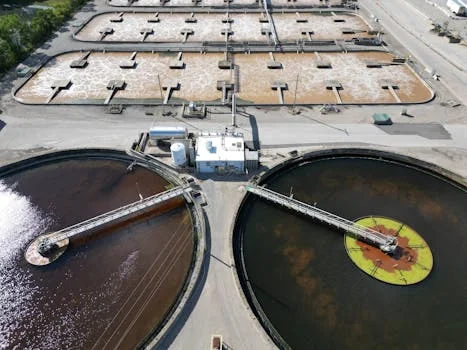
Compliance with INDOCAL NORDOM 43:2016 is the primary legal requirement for all wastewater discharge in the Dominican Republic. This standard categorizes discharge limits based on the receiving environment, with the most stringent limits applied to discharges into surface waters or for reuse. For 2025, facility operators must ensure their equipment can consistently meet a pH range of 6–9 and a COD limit of <125 mg/L for industrial effluents.
The permitting process in Santo Domingo involves the Ayuntamiento del Distrito Nacional and the Ministerio de Medio Ambiente. For any system with a capacity greater than 50 m³/h, an Environmental Impact Assessment (EIA) is mandatory under Ley 64-00. This process typically requires site plans, detailed engineering drawings of the treatment train, and expected effluent quality reports. The application fees range from $500 to $5,000, and the approval timeline can span 3 to 6 months, making early engagement with a knowledgeable supplier critical.
| Parameter | NORDOM 43:2016 (Surface) | NORDOM 43:2016 (Sewage) | WHO Reuse Guidelines |
|---|---|---|---|
| BOD (mg/L) | <25 | <250 | <10 |
| TSS (mg/L) | <30 | <300 | <5 |
| COD (mg/L) | <125 | <500 | N/A |
| E. coli (CFU/100mL) | <1,000 | N/A | <10 |
Common compliance pitfalls in Santo Domingo include the failure to implement adequate pretreatment for industrial effluents, leading to biological system shock, and the lack of automated pH monitoring. Fines for significant violations range from $10,000 to $50,000 per occurrence. For reuse projects, such as those in the tourism sector, the WHO Guidelines for Drinking-water Quality (4th ed.) are often used as a benchmark for pathogen safety, requiring E. coli levels below 10 CFU/100 mL.
Cost Benchmarks for Sewage Treatment Equipment in Santo Domingo (2025)
Capital expenditure for sewage treatment in Santo Domingo typically ranges from $5,000 to $12,000 per cubic meter of daily capacity depending on the technology. For a standard WSZ Series Integrated System (1–20 m³/h), costs range from $50,000 to $200,000. This figure generally includes the equipment (60%), civil works (20%), permitting (10%), and commissioning (10%).
MBR systems carry a higher initial investment, ranging from $150,000 to $1.2M for capacities between 10 and 200 m³/h. Operators must also budget for membrane replacement, which occurs every 5 to 8 years at a cost of $20–$50 per square meter of membrane area. However, the ROI is often realized through the elimination of water purchase costs when the effluent is reused for non-potable applications.
DAF systems are more economical for high-flow industrial pretreatment, costing between $80,000 and $300,000 for units handling up to 300 m³/h. Operational costs for DAF are dominated by chemical consumption (coagulants and flocculants), which typically averages $0.50–$1.50 per cubic meter of treated water. In the textile sector, a DAF system can provide a 2.5-year payback period by avoiding environmental fines that average $80,000 per year for non-compliant factories.
| System Type | Estimated CAPEX | OPEX (per m³) | Typical Payback (Years) |
|---|---|---|---|
| WSZ Integrated | $50k - $200k | $0.30 - $0.50 | 3.0 - 4.5 |
| MBR System | $150k - $1.2M | $0.60 - $1.10 | 4.0 - 6.0 |
| DAF | $80k - $300k | $0.50 - $1.50 | 2.0 - 3.5 |
| Medical | $30k - $100k | $0.20 - $0.40 | 2.5 - 4.0 |
Hidden costs often overlooked by procurement managers include sludge disposal fees and energy consumption. In Santo Domingo, electricity rates for industrial users can fluctuate, making energy-efficient blowers and pumps a priority. A system consuming 1.2 kWh/m³ will cost significantly more over a 10-year lifecycle than a high-efficiency MBR unit operating at 0.4 kWh/m³.
Supplier Checklist: How to Evaluate Sewage Treatment Equipment Providers in Santo Domingo
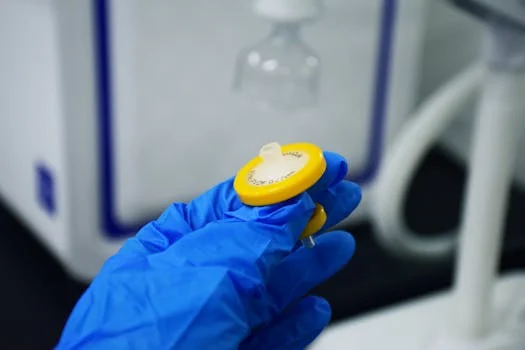
Effective supplier evaluation requires verification of local project history and technical capacity to meet Ministry of Environment standards. When searching for a sewage treatment equipment supplier in santo domingo, use the following framework to ensure long-term operational success:
- Technical Expertise: Does the supplier have documented experience with high-load industrial effluents in the Dominican Republic? Request pre- and post-treatment data for TSS, BOD, and COD from a local reference site.
- Local Compliance Support: Can the supplier provide the necessary documentation for INDOCAL NORDOM 43:2016 testing? Avoid suppliers who do not offer assistance with the Ayuntamiento del Distrito Nacional permitting process.
- After-Sales Service: In a tropical climate, equipment downtime leads to rapid odor issues and regulatory fines. Ensure the supplier guarantees a response time of less than 24 hours and maintains a local stock of critical spare parts like membranes and submersible pumps.
- Tropical Customization: Standard carbon steel tanks will corrode rapidly in Santo Domingo's humidity. Verify that the supplier uses Stainless Steel 316 or Fiber Reinforced Plastic (FRP) for all wetted components and provides high-ambient-temperature rated blowers.
- Warranty and Performance Guarantees: Seek a minimum 2-year warranty on mechanical equipment and 5 years on membranes. Crucially, the contract should include a performance guarantee stating the equipment will meet NORDOM 43:2016 limits under specified influent conditions.
- Cost Transparency: Request an itemized quote that separates equipment costs from installation, shipping, and training. Payment terms should be structured around milestones, such as 30% down, 40% upon delivery, and 30% after successful commissioning and compliance testing.
Frequently Asked Questions
What are the most common sewage treatment equipment failures in Santo Domingo’s climate?
High humidity and salt spray in coastal areas cause rapid corrosion of control panels and pump housings. Additionally, high organic loads in tropical heat can lead to rapid sludge bulking. Mitigation requires the use of NEMA 4X rated enclosures, stainless steel 316 materials, and automated aeration control to maintain DO levels.
How do I choose between MBR and DAF for my textile factory?
The choice depends on your goal. MBR is required if you intend to reuse water for process needs, as it provides an effluent turbidity <1 NTU. However, it costs 30–50% more than DAF. DAF is the superior choice for pretreatment to remove dyes and suspended solids before discharge to the municipal sewer, operating at a lower energy cost (0.3–0.6 kWh/m³).
What permits do I need for a 50 m³/h sewage treatment plant in Santo Domingo?
You must obtain: (1) A municipal permit from the Ayuntamiento del Distrito Nacional ($2,000–$5,000), (2) An Environmental Impact Assessment (EIA) for the Ministry of Environment, and (3) A discharge authorization following INDOCAL NORDOM 43:2016 testing. The total process takes 3–6 months.
How much does it cost to maintain a DAF system in Santo Domingo?
Annual maintenance typically ranges from $5,000 to $15,000. This includes chemical costs ($0.50–$1.50/m³), routine pump service, and labor. Energy consumption is usually between 0.3 and 0.6 kWh/m³.
Can I install an underground sewage treatment plant in a residential area?
Yes, the WSZ Series is designed for this purpose. However, you must include noise mitigation for blowers (soundproof enclosures) and odor control (biofilters or activated carbon) to meet municipal "buen vecino" (good neighbor) standards. The footprint for a 20 m³/h system is approximately 20 m².