Chlorine dioxide generator troubleshooting: seven field fixes
Chlorine dioxide generator troubleshooting usually starts with chemical feed imbalance, vacuum loss on the eductor, weak acid, or reactor deposits. A structured 30-minute check of power, reagent strength, dilution water, vacuum, pump stroke, chamber condition, and amperometric output isolates the root cause before spare parts are ordered.
Industrial and municipal ClO₂ skids fail most often when stoichiometric feed or motive-water vacuum drifts. The acid-chlorite path written for many units is NaClO₂ + HCl → ClO₂ + NaCl + H₂O when the molar feed stays near 1:1 and mixing is adequate. Drift from that ratio raises chlorate, cuts gas yield, and accelerates corrosion.
Field crews see the same five symptom clusters again and again:
- Chemical feed imbalance – Worn diaphragms, clogged suction strainers, or aged NaClO₂ cut conversion efficiency below 80% under normal load.
- Air-intake leaks or backflow – Seal wear or a misaligned venturi drops suction below –5 kPa and starves reagent draw.
- No gas output despite power – HCl below about 8% w/w or reactor temperature under 15 °C slows kinetics, especially in winterized plants.
- Safety-valve activation – Blocked gas lines or a stuck solenoid create over-pressure; the valve trip is a symptom, not the root cause.
- Reactor clogging – Sodium chlorate crystals or metal oxides coat chamber walls, impede flow, and raise internal temperature.
Ambient swings change HCl vapor pressure and reaction rate. Dust or oil mist at the suction inlet shortens seal life. Most plants we size for run dosing pumps at the lower end of the stroke band so operators still have headroom when demand spikes.
Step-by-step ClO₂ generator diagnostic protocol
A repeatable 30-minute workflow isolates most ClO₂ generator faults before a service call. Work the steps in order and re-check later steps after any repair.
- Power and control panel – Confirm the main breaker is on and the PLC indicator is green. Note codes such as E01 (low suction) or E03 (pump timeout).
- Chemical tank verification – Titrate NaClO₂ to 10–15% w/w and HCl to 8–9% w/w with field titration kits. Record both values.
- Dilution water flow – Measure with a calibrated turbine meter. Keep flow at least 1.5× generator gas output (for example, 7.5 L min⁻¹ on a 5 kg day⁻¹ unit).
- Air intake and vacuum – Connect a digital manometer on the suction line; target –5 to –10 kPa. Listen for hissing leaks.
- Dosing pump performance – Confirm stroke frequency matches the PLC setpoint within ±5%. Irregular pulsation often means a failed dampener.
- Reactor chamber inspection – Shut down, open the sight glass, and look for yellow-brown crusts that signal side reactions.
- ClO₂ output verification – After 10 minutes of stable run, the amperometric reading must stay within ±10% of setpoint.
Write every reading on a waterproof log. If vacuum sits near –4 kPa, clear the venturi before blaming the pump. When you replace a diaphragm, rotate the pump head 90° so wear lands on a fresh sealing face. Wear chemical-resistant gloves and eye protection around NaClO₂ and HCl.
| Step | Action | Typical Error Code / Indicator |
|---|---|---|
| 1 | Confirm power, PLC green status | E‑00 (no error) or E‑xx codes |
| 2 | Test NaClO₂ & HCl concentrations | Out‑of‑range concentration alarm |
| 3 | Measure dilution water flow | Low‑flow warning (flow < 1.5× output) |
| 4 | Check vacuum level | E01 – low suction |
| 5 | Validate pump stroke frequency | E03 – pump timeout |
| 6 | Inspect reactor for deposits | Visual cue; no code |
| 7 | Read ClO₂ concentration | Output deviation >10 % |
What is the formula for chlorine dioxide generator yield?
Generator yield for acid-chlorite units is the measured ClO₂ mass divided by the theoretical ClO₂ from chlorite consumed, expressed as a percent under stated temperature and feed strength. Keep the NaClO₂:HCl molar feed near 1:1 (about 1.26 kg NaClO₂ per kg HCl on a pure-basis ratio used on many skids) so conversion stays above 95% and chlorate stays low.
Engineers sizing a Chlorine Dioxide (ClO₂) Generator for Water Disinfection should log feed mass, dilution flow, and amperometric output on the same shift. That triad shows whether a yield drop is chemistry, hydraulics, or sensor drift.
Critical parameters and tolerances for reliable ClO₂ generation
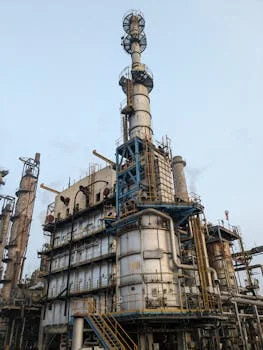
Reliable ClO₂ generation depends on tight control of feed ratio, motive water, pump delivery, vacuum, and residence time. Hold the setpoints below and alarm before a soft fault becomes a shutdown.
| Parameter | Target Value | Acceptable Tolerance | Impact of Deviation |
|---|---|---|---|
| Chemical feed ratio (NaClO₂ : HCl, molar) | 1 : 1 (1.26 kg NaClO₂ per kg HCl) | ±0.05 mol ratio | Conversion drops <95 % → higher chlorate |
| Dilution water flow | ≥ 1.5 × ClO₂ output | ±10 % | Overheating, reactor fouling |
| Pump output | Setpoint flow rate | ±5 % | Under‑dosing → low gas, over‑dosing → excess waste |
| Vacuum level | –5 to –10 kPa | ±1 kPa | Air lock, reduced reagent draw |
| Reaction time | 10–15 min full conversion | ±2 min | Incomplete reaction → chlorate buildup |
Temperature-compensated pressure transducers help when ambient temperature moves more than ±5 °C. A slow 0.2 kPa vacuum drift over 48 hours is enough reason to schedule seal work. Set soft alarms near 80% of the minimum acceptable value (for example, –4 kPa on vacuum) so operators still have time to act.
Which chlorine dioxide generator parts need periodic maintenance?
Periodic maintenance for chlorine dioxide generators must cover dosing pumps, suction filters, concentration probes, vacuum seals, check valves, and the reactor chamber on a fixed calendar. Skipping any one of those parts recreates the same downtime the seven-step protocol is meant to prevent.
- Weekly dosing-pump and suction-filter cleaning – Tear down the diaphragm pump and clear particulate; clogged filters drive a large share of suction failures.
- Monthly sensor calibration – Recalibrate NaClO₂ and HCl probes with NIST-traceable standard solutions.
- Bi-annual vacuum-seal and check-valve replacement – Seal aging alone can shift pressure 5–8 kPa even without a visible leak.
- Quarterly reactor flush – Circulate 5% citric-acid solution for 30 min to dissolve crystalline deposits.
- Weekly output logging – A drop greater than 15% over three days flags early pump wear or reagent decay.
Log every task in the plant CMMS. Trend the weekly output file; a steady 0.3% per day decline has predicted pump failure about 10 days ahead on units we support. For a parallel view of how structured maintenance cuts downtime on other water-treatment assets, see the industrial sand filter troubleshooting guide.
Plants that treat preventive work as optional often see unplanned downtime climb; disciplined schedules have cut unplanned downtime by up to 45% on ClO₂ skids in industrial service when the checklist above is followed.
When chlorine dioxide generator engineers should call OEM support
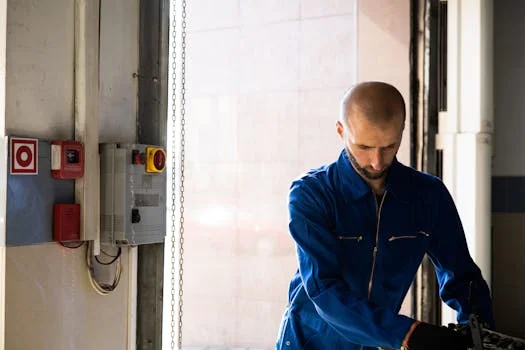
Chlorine dioxide generator engineers should stop field improvisation when fault codes persist after a full diagnostic cycle or when vessel integrity is in doubt. Those patterns need OEM tools, firmware, or pressure-vessel work.
- Persistent E01/E03 codes after the full protocol often mean PLC firmware corruption or a failed sensor board.
- Chronic low ClO₂ output below 80% of rated capacity with verified chemicals and flows points to reactor-wall degradation that needs internal refurbishment.
- Visible corrosion or leaks on the generator housing are safety hazards; only the OEM should open pressure vessels.
- Regulatory non-compliance – Earlier plant notes sometimes treated 0.2 mg/L free chlorine as an action trigger. For chlorine dioxide itself, 40 CFR 141.65 sets the MRDL at 0.8 mg/L as ClO₂, and 40 CFR 141.64 sets the chlorite MCL at 1.0 mg/L; exceedances need a certified audit and recalibration.
Have PLC logs, calibration certificates, and the maintenance book ready before the visit. That package shortens on-site diagnosis and often lets the technician swap a module on the first trip. Confirm warranty serial data before the truck rolls.
Who this is for / next step
This guide is for plant engineers, EPC commissioning teams, and procurement leads who own acid-chlorite ClO₂ skids and need a decision path, not a brochure. Look elsewhere if you need medical or consumer uses of chlorine dioxide; those applications sit outside industrial water disinfection.
Selection checklist before you change hardware:
- Confirm NaClO₂ 10–15% w/w and HCl 8–9% w/w on the day of the fault.
- Prove dilution water ≥1.5× gas output with a calibrated meter.
- Hold vacuum between –5 and –10 kPa with no audible leak.
- Keep pump stroke within ±5% of the PLC setpoint.
- Verify amperometric output within ±10% after a 10-minute stabilize.
- Flush the reactor if deposits are visible in the sight glass.
- Escalate to OEM when codes repeat or the vessel shows corrosion.
If your skid still cannot hold yield after the checklist, review the ClO₂ generator with automated dosing and safety controls. Send duty data through our request a quote form so sizing and service can be compared on one sheet.
Frequently Asked Questions
What are the common faults in chlorine dioxide generators?
The common faults are failed dosing pumps, chemical concentration drift, air-intake leaks, clogged reactors, control-system errors, low suction, and safety-valve trips from over-pressure. Start with feed strength and vacuum before replacing electronics. Most plants we support clear more than half of call-outs at the pump or strainer without opening the PLC cabinet.
Why is my chlorine dioxide generator not producing gas?
No gas usually means an off-ratio NaClO₂:HCl feed, dilution flow below 1.5× output, vacuum weaker than –5 kPa, or a blocked reactor outlet. Verify concentrations, motive-water flow, and suction pressure first. Only then inspect solenoids and the amperometric sensor for false zero readings.
How do I calibrate a ClO₂ generator?
Calibrate by measuring output with a portable amperometric analyzer, then adjusting pump stroke length or frequency until the reading matches setpoint within ±10%. Recalibrate chemical concentration sensors monthly with standard solutions. Record the before-and-after values in the CMMS so the next shift can see sensor drift.
Which parts belong on a periodic maintenance schedule?
Include dosing pumps, suction filters, concentration probes, vacuum seals, check valves, and the reactor chamber. Clean pumps and filters weekly, calibrate probes monthly, replace seals twice a year, and flush the reactor quarterly with 5% citric acid for 30 min. Weekly output logs catch wear before a full stoppage.
Is a chlorine dioxide generator safe to operate on site?
A chlorine dioxide generator is safe when run inside manufacturer limits with active dilution water, working ventilation, and leak detection. Keep HazCom labeling and SDS access current under OSHA 29 CFR 1910.1200. Never bypass interlocks that stop acid and chlorite pumps when motive water fails.