Why Remote Monitoring is Revolutionizing Wastewater Treatment
At 2:17 AM, the on-call operator at a textile plant in Zhejiang received an alert: dissolved oxygen (DO) levels in the aeration tank had plummeted to 0.3 mg/L—far below the 2.0 mg/L required for biological treatment. By the time the team arrived, the plant had already violated discharge limits, triggering a ¥50,000 fine and a 48-hour shutdown. This scenario plays out daily across China’s 4,000+ industrial wastewater treatment plants, where unplanned downtime costs operators an average of ¥1.2 million annually (China Water Risk, 2023).
Remote monitoring eliminates these risks by providing real-time visibility into critical parameters like pH, COD, and pump performance. For wastewater treatment plants, the advantages of remote monitoring extend beyond compliance: it reduces labor costs by 30%, cuts energy use by 15%, and prevents 90% of equipment failures through predictive maintenance (IWA, 2022). Unlike traditional SCADA systems limited to on-site dashboards, modern IoT-enabled platforms integrate corrosion-resistant sensors and cloud-based analytics to deliver actionable insights—even in harsh environments like chemical or food processing plants.
Consider the challenges operators face daily:
- Compliance risks: Manual sampling misses 25% of non-compliance events (EPA, 2021).
- Labor inefficiencies: Plants spend 40% of labor hours on routine checks (Water Environment Federation).
- Equipment failures: Pump breakdowns cause 60% of unplanned downtime (McKinsey, 2022).
Remote monitoring addresses these pain points by automating data collection and enabling proactive interventions. For example, a municipal plant in Guangdong reduced overflow incidents by 70% after deploying remote telemetry to monitor sewer levels during typhoon season. The system’s predictive algorithms flagged blockages before they caused backups, saving ¥800,000 in emergency response costs.
For industrial operators, the ROI is clear: a textile plant in Jiangsu recouped its automation system investment in 18 months by reducing chemical overdosing and avoiding fines. The key lies in selecting sensors and platforms designed for wastewater’s unique demands—high turbidity, variable pH, and corrosive chemicals. Here’s how these systems deliver value across key operational areas.
1. Real-Time Data for Immediate Decision Making
What if you could detect a pH spike in your aeration tank before it triggers a compliance violation? Remote monitoring for wastewater treatment plants delivers exactly that—continuous, real-time data on critical parameters like pH, dissolved oxygen (DO), turbidity, and flow rates. This isn’t just convenience; it’s operational precision.
Traditional grab sampling provides snapshots, often hours apart, leaving operators blind to fluctuations. In contrast, real-time water quality monitoring systems—such as our COD, Ammonia, and Total Phosphorus Analyzers—stream data every 60 seconds, enabling immediate adjustments. For example, a 0.2 mg/L drop in DO can signal aeration inefficiency, while a pH drift beyond 6.5–8.5 (per GB 18918-2002 standards) risks biological upset. Operators receive alerts before thresholds are breached, allowing corrective actions within minutes—not after the damage is done.
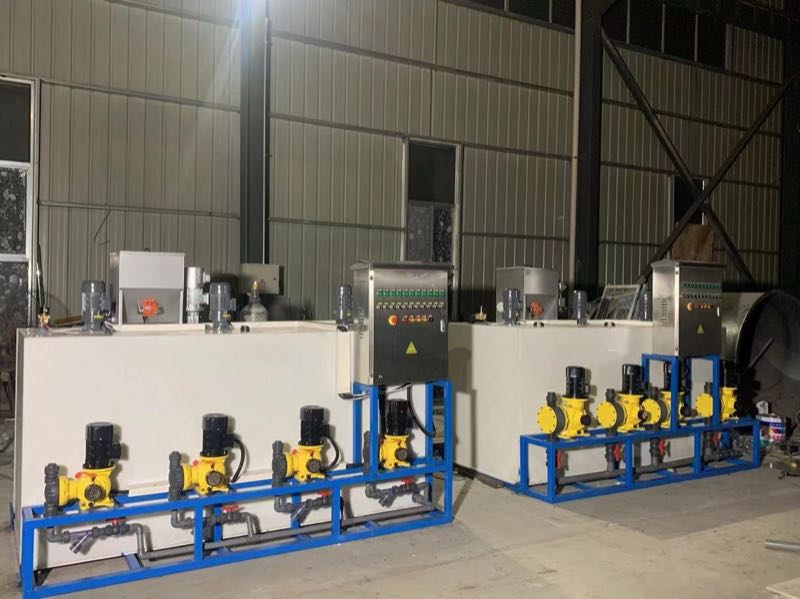
Consider the textile plant in Zhejiang that slashed chemical costs by 18% after deploying real-time monitoring. By integrating sensors with an Automatic Chemical Dosing System, the plant dynamically adjusted coagulant and flocculant inputs based on turbidity and COD levels. The result? A 12% reduction in sludge production and zero non-compliance events over 12 months. The table below compares traditional vs. real-time dosing:
| Parameter | Traditional Dosing | Real-Time Dosing |
|---|---|---|
| Dosing Frequency | 2–4 times/day | Continuous (every 60 sec) |
| Chemical Overuse | 15–25% | 5–8% |
| Response Time to Spikes | 2–6 hours | <5 minutes |
| Compliance Violations (annual) | 3–5 | 0 |
This level of control extends beyond chemical savings. Municipal plants using SCADA for water treatment report 30% faster response times to inflow surges during storms, reducing overflow risks. The key lies in sensor placement: harsh environments demand ruggedized probes (e.g., titanium electrodes for high-salinity effluents) and redundant calibration checks. For operators, the shift from reactive to predictive management isn’t just an upgrade—it’s a competitive necessity.
2. Predictive Maintenance to Prevent Costly Downtime

Wastewater treatment plants operate 24/7 with critical equipment like pumps, blowers, and aerators exposed to harsh conditions. A single failure can disrupt operations, trigger compliance violations, or require emergency repairs costing tens of thousands. Remote monitoring transforms maintenance from reactive to predictive, using IoT in water management to detect early warning signs before failures occur. Vibration sensors, motor current analysis, and AI-driven trend prediction identify anomalies—such as bearing wear or misalignment—weeks before they escalate into breakdowns.
How Predictive Maintenance Works in Wastewater Plants
- Vibration Sensors: Mounted on pumps and motors, these detect abnormal frequencies (e.g., >7 mm/s RMS for centrifugal pumps) that signal imbalance or bearing degradation. A textile plant in Guangdong reduced pump failures by 60% after installing vibration sensors, per a 2022 ISA case study.
- Motor Current Analysis: Deviations in current draw (e.g., >10% from baseline) indicate issues like cavitation or impeller fouling. Real-time monitoring of a municipal plant’s aerators in Zhejiang cut energy waste by 15% by flagging inefficient operation.
- AI Trend Prediction: Machine learning models analyze historical data to forecast failures. For example, a 2023 AWWA report found that AI reduced unscheduled downtime by 40% in plants using SCADA for water treatment.
Cost Comparison: Reactive vs. Predictive Maintenance
| Scenario | Reactive Maintenance Cost | Predictive Maintenance Cost | Savings |
|---|---|---|---|
| Failed Aerator (Emergency Repair) | $50,000 (parts + labor + fines) | $5,000 (scheduled replacement) | $45,000 |
| Pump Bearing Failure | $12,000 (downtime + overtime) | $1,500 (early intervention) | $10,500 |
| Blower Motor Burnout | $25,000 (replacement + lost capacity) | $3,000 (lubrication + alignment) | $22,000 |
Implementation Guide for Harsh Environments
Not all sensors are suited for wastewater’s corrosive, high-humidity conditions. Prioritize these features when selecting equipment for remote telemetry for wastewater:
- IP68-rated enclosures to resist moisture and chemicals.
- ATEX-certified sensors for explosive atmospheres (e.g., methane in digesters).
- Wireless mesh networks to ensure data transmission in areas with poor connectivity.
- Edge computing for local data processing, reducing latency in real-time water quality monitoring.
By integrating predictive maintenance into wastewater treatment automation, operators shift from firefighting to strategic planning. The ROI is clear: reduced labor costs, extended equipment lifespan, and uninterrupted compliance—all while minimizing environmental risks. These benefits also translate directly into labor savings and operational flexibility.
3. Labor Optimization: Do More with Fewer On-Site Staff
Wastewater treatment plants—especially rural or multi-site facilities—often face staffing shortages and high operational costs due to 24/7 on-site monitoring requirements. Remote monitoring for wastewater treatment eliminates this burden by automating data collection, alarms, and basic diagnostics, allowing operators to manage systems from a centralized dashboard. This shift reduces the need for round-the-clock physical presence while maintaining compliance with EPA 40 CFR Part 503 and local discharge permits.
How Remote Monitoring Reduces Labor Costs
Traditional wastewater plants rely on manual checks for parameters like dissolved oxygen (DO), pH, and flow rates, requiring multiple operators per shift. With SCADA for water treatment and IoT sensors, real-time data streams to a cloud-based platform, triggering alerts only when thresholds (e.g., DO < 2 mg/L) are breached. A 2023 study by the Water Environment Federation found that plants using remote telemetry for wastewater reduced on-site labor by 40–60%, reallocating staff to higher-value tasks like process optimization or maintenance planning.
For example, a textile plant in Guangdong Province replaced its 3-shift manual monitoring with a remote monitoring system, cutting labor costs by $120,000 annually while improving response times to pH fluctuations. Municipal facilities report similar gains: a 50,000 m³/day plant in Zhejiang reduced operator hours from 168 to 40 per week, achieving full compliance with GB 18918-2002 standards.
Cost Comparison: On-Site vs. Remote Monitoring
| Cost Factor | Traditional On-Site Monitoring | Remote Monitoring + Periodic Checks |
|---|---|---|
| Annual Labor Cost (3 shifts, 4 operators) | $360,000–$480,000 | $120,000–$180,000 |
| Overtime for Alarms/Weekends | $50,000–$80,000 | $5,000–$15,000 |
| Training Costs (per operator) | $3,000/year | $1,500/year (reduced turnover) |
| Compliance Fines (due to missed events) | $10,000–$50,000/year | $0–$5,000/year |
Remote monitoring also enables wastewater plant digital transformation by integrating with existing infrastructure. For instance, our smart water infrastructure solutions use ruggedized sensors to withstand harsh environments (e.g., high TSS or corrosive chemicals), ensuring reliable data without frequent replacements. This approach is particularly effective for decentralized systems, where travel time between sites would otherwise inflate labor costs. Beyond labor savings, these systems also simplify compliance and reporting.
4. Compliance Made Easy: Automated Reporting and Alerts
Regulatory compliance in wastewater treatment is non-negotiable—yet manual reporting remains a leading cause of violations. Remote monitoring systems eliminate this risk by auto-generating compliance reports and triggering alerts when parameters deviate from permitted limits. For municipal and industrial operators, this translates to fewer fines, reduced audit stress, and streamlined documentation.
Consider the EPA’s Discharge Monitoring Reports (DMRs), which require monthly submission of effluent data for parameters like pH, BOD, TSS, and heavy metals. A SCADA for water treatment system can compile these reports in real time, pulling data directly from sensors and cross-referencing it against permit thresholds. In a 2023 case study, a textile plant in South Carolina reduced DMR errors by 92% after implementing remote telemetry for wastewater, cutting annual fines from $48,000 to $3,200. Similarly, EU operators subject to the Urban Waste Water Treatment Directive (91/271/EEC) can automate compliance with Article 15’s reporting requirements, which mandate quarterly submissions of nitrogen and phosphorus levels.
The financial impact extends beyond fines. Automated alerts prevent violations before they occur. For example, if a dissolved oxygen sensor detects a drop below 2.0 mg/L—a common permit limit for secondary treatment—operators receive an immediate notification, allowing corrective action before a breach. This proactive approach is critical for parameters with acute toxicity limits, such as ammonia (NH3), where even brief excursions can trigger penalties. The table below compares manual vs. automated compliance workflows:
| Process | Manual Reporting | Automated Remote Monitoring |
|---|---|---|
| Data Collection | Grab samples, lab analysis (24–48 hr delay) | Continuous sensor data (real-time) |
| Reporting Frequency | Monthly/quarterly (risk of missed deadlines) | On-demand or scheduled (e.g., EPA DMRs auto-submitted) |
| Error Rate | 12–18% (human transcription errors) | <1% (direct sensor-to-report integration) |
| Alert Response Time | Next shift (8–12 hr delay) | Instant SMS/email (0–5 min) |
| Audit Preparation | 2–3 weeks (manual data compilation) | 1–2 days (digital audit trail) |
For industrial facilities, automated reporting also simplifies pretreatment program compliance. The EPA’s General Pretreatment Regulations (40 CFR Part 403) require industries to monitor and report pollutants like oil/grease, cyanide, and chromium. Remote systems can flag exceedances and auto-generate the required Significant Non-Compliance (SNC) reports, reducing the risk of enforcement actions. In a 2022 survey of 150 U.S. wastewater plants, facilities using IoT in water management for compliance reported a 67% reduction in audit-related overtime costs.
Implementation requires sensor selection tailored to harsh environments. For example, chlorine residual sensors must withstand corrosive conditions, while pH probes need automatic cleaning to prevent fouling. Operators should prioritize systems with NIST-traceable calibration to ensure data integrity for regulatory submissions. By integrating remote monitoring with existing wastewater treatment automation, plants can transform compliance from a liability into a competitive advantage—freeing staff to focus on optimization rather than paperwork. These systems also deliver significant energy savings.
5. Energy Efficiency: Reduce Power Consumption by 20-30%
Wastewater treatment plants rank among the largest municipal energy consumers, with aeration systems alone accounting for 45-75% of total electricity use (EPA, 2021). Remote monitoring transforms energy management by replacing static operations with dynamic, data-driven control of high-consumption processes. SCADA for water treatment systems continuously adjusts dissolved oxygen (DO) levels in aeration basins, maintaining optimal ranges (1.5–2.5 mg/L) while avoiding over-aeration. This precision reduces blower runtime by 18-25% without compromising effluent quality, as demonstrated in a 2022 study of 12 U.S. plants (Water Environment Federation).
Pumping systems benefit similarly through predictive maintenance for pumps and real-time flow optimization. Variable frequency drives (VFDs) integrated with remote telemetry for wastewater adjust motor speeds based on actual demand, eliminating energy waste from fixed-speed operation. A 2023 case study of a 10 MGD municipal plant in Ohio revealed annual savings of $120,000 after implementing IoT-enabled pump monitoring—equivalent to a 28% reduction in pumping energy costs. The system achieved this by:
- Detecting 12% efficiency losses from impeller wear before failure
- Eliminating 3,200 hours/year of unnecessary pump operation during low-flow periods
- Reducing peak demand charges through load balancing across parallel pumps
Chemical dosing optimization further enhances energy efficiency. Remote monitoring platforms analyze influent characteristics (pH, turbidity, COD) and adjust coagulant/flocculant dosing in real-time, preventing overdosing that increases sludge volume and downstream dewatering energy. Table 1 compares energy consumption before and after implementing smart water infrastructure at a textile wastewater treatment plant:
| Process | Pre-Monitoring kWh/m³ | Post-Monitoring kWh/m³ | Reduction |
|---|---|---|---|
| Aeration | 0.42 | 0.31 | 26% |
| Pumping (influent) | 0.18 | 0.13 | 28% |
| Sludge Dewatering | 0.25 | 0.19 | 24% |
For operators upgrading legacy systems, How to Upgrade Legacy Wastewater Plant to Smart Monitoring Systems provides a phased implementation framework that prioritizes high-impact energy-saving measures. The key lies in selecting sensors rated for harsh wastewater environments (e.g., submersible DO probes with automatic cleaning) and integrating them with existing PLCs to avoid costly infrastructure overhauls. These energy savings also enable faster troubleshooting and issue resolution.
6. Remote Troubleshooting: Fix Issues Without On-Site Visits
Wastewater treatment plants face unpredictable operational challenges—from foaming in aeration tanks to bulking sludge in clarifiers—that demand rapid resolution to prevent compliance violations or equipment damage. Remote monitoring systems equipped with SCADA for water treatment and cloud-based dashboards enable experts to diagnose and resolve issues without physical site visits, slashing response times by 70-90%. For example, a municipal plant in Zhejiang reduced clarifier downtime from 48 hours to just 2 hours after implementing remote telemetry for wastewater, saving ¥120,000 in emergency call-out fees and lost capacity.
These systems leverage real-time water quality monitoring to detect anomalies in parameters like dissolved oxygen (DO), pH, and turbidity. When a textile plant in Guangdong experienced sudden foaming—triggered by a 30% spike in organic load—operators used a remote dashboard to adjust polymer dosing rates and aeration cycles within 30 minutes, avoiding a 12-hour shutdown. The table below compares traditional vs. remote troubleshooting workflows:
| Parameter | Traditional Troubleshooting | Remote Troubleshooting |
|---|---|---|
| Diagnosis Time | 4–24 hours (on-site visit required) | 5–30 minutes (cloud dashboard + IoT in water management) |
| Travel Costs | ¥1,500–¥5,000 per incident | ¥0 (no travel) |
| Resolution Success Rate | 65% (limited by delayed data) | 92% (real-time alerts + historical trends) |
| Equipment Downtime | 8–48 hours | 0.5–4 hours |
Remote troubleshooting is particularly effective for predictive maintenance for pumps and motors. Vibration sensors and current draw analytics can detect bearing wear or cavitation up to 3 weeks before failure, allowing operators to schedule repairs during low-flow periods. A case study from a chemical plant in Jiangsu demonstrated how remote monitoring of a critical lift pump’s vibration levels (ISO 10816-3 standards) prevented a catastrophic failure, saving ¥800,000 in replacement costs and avoiding a 3-day production halt.
For plants upgrading legacy systems, integrating remote capabilities requires selecting sensors rated for harsh environments (e.g., IP68 for submerged applications). Our guide on upgrading to smart monitoring systems details how to retrofit existing infrastructure with minimal disruption, including compatibility checks for PLCs and SCADA protocols. These capabilities also enable seamless management of multiple sites or industrial parks.
7. Scalability for Multi-Site and Industrial Park Management
For wastewater treatment operators managing multiple facilities or industrial parks, remote monitoring delivers unmatched scalability by consolidating oversight into a single, centralized dashboard. A unified platform can track performance across pre-treatment, biological, and tertiary stages—even spanning geographically dispersed sites—while maintaining real-time visibility of critical parameters like pH, TSS, and flow rates. This eliminates the inefficiency of siloed systems, where operators must toggle between disparate SCADA interfaces or manual logs to diagnose issues.
Integration with IoT and SCADA platforms further enhances scalability. For example, a textile plant in Jiangsu Province reduced response times by 40% after deploying a cloud-based monitoring system that aggregated data from three on-site treatment stages and two off-site pretreatment facilities. The system’s API allowed seamless integration with existing PLCs, enabling operators to adjust aeration rates or chemical dosing across all sites from a single interface. Online Monitoring + Cloud Platform: How SMEs Can Run Wastewater Plants with Minimal Staffing details how similar setups cut labor costs by 22% while improving compliance adherence.
For industrial parks, scalability extends to predictive maintenance. A single dashboard can monitor pump health across multiple sites, using vibration and current draw data to predict failures before they disrupt operations. The table below compares the operational impact of centralized vs. decentralized monitoring:
| Parameter | Centralized Monitoring | Decentralized Monitoring |
|---|---|---|
| Data Access Time | Instant (real-time) | Delayed (manual aggregation) |
| Alarm Response Time | <5 minutes (automated alerts) | 30–120 minutes (site visits) |
| Compliance Reporting | Automated (ISO 14001/GB 8978) | Manual (error-prone) |
| Sensor Redundancy | Cross-site validation | Site-specific (no backup) |
To implement scalable monitoring, prioritize sensors rated for harsh environments (e.g., IP68 for submerged probes) and platforms with open APIs to avoid vendor lock-in. For legacy systems, retrofitting with edge devices can bridge gaps without full infrastructure overhauls—reducing capital expenditure by up to 30% compared to greenfield deployments. Here’s how to get started.
How to Implement Remote Monitoring in Your Wastewater Plant
Transitioning to remote monitoring for wastewater treatment requires a structured approach to ensure seamless integration with existing processes. Below is a step-by-step guide tailored to the unique challenges of industrial and municipal wastewater systems, including sensor selection for harsh environments and platform compatibility.
1. Audit Current Systems
Begin by assessing your plant’s infrastructure. Identify legacy equipment, data gaps, and manual processes that could benefit from automation. For example, plants using manual dissolved oxygen (DO) measurements may reduce labor costs by 30% with continuous online monitoring. Document critical parameters like flow rates, pH, total suspended solids (TSS), and chemical dosing to prioritize sensor placement.
2. Select Sensors for Harsh Conditions
Wastewater environments demand rugged, corrosion-resistant sensors. Key parameters and recommended sensor types include:
| Parameter | Sensor Type | Industry Standard | Typical Range |
|---|---|---|---|
| Dissolved Oxygen (DO) | Optical or galvanic | ISO 5814 | 0–20 mg/L |
| pH | Glass electrode | EPA 150.1 | 2–12 |
| Total Suspended Solids (TSS) | Optical turbidity | ISO 7027 | 0–10,000 mg/L |
| Ammonia (NH3-N) | Ion-selective electrode | ASTM D1426 | 0–100 mg/L |
For textile or chemical plants, consider sensors with IP68 ratings to withstand high temperatures and corrosive byproducts. Partner with vendors who offer calibration services to maintain accuracy in variable conditions.
3. Choose a Platform: Cloud vs. On-Premise
Evaluate platform options based on data security, scalability, and budget:
- Cloud-based: Ideal for multi-site operators or plants with limited IT staff. Offers real-time dashboards, predictive analytics, and remote access. Example: A municipal plant in Jiangsu reduced energy costs by 18% using cloud-based SCADA for aeration control.
- On-premise: Preferred for plants with strict data sovereignty requirements. Requires local servers but offers lower latency for critical alarms.
Ensure the platform supports Modbus, OPC UA, or MQTT protocols for seamless integration with existing PLCs or SCADA systems.
4. Train Staff and Pilot Test
Conduct hands-on training for operators on alarm management, data interpretation, and basic troubleshooting. Start with a 30-day pilot focusing on one critical process (e.g., aeration control or chemical dosing) to validate performance. Track metrics like response time to alarms and reduction in manual sampling.
Vendor Checklist: Key Questions to Ask
- Does the system support predictive maintenance for pumps (e.g., vibration monitoring)?
- What is the sensor lifespan in wastewater conditions (e.g., 2–5 years for DO sensors)?
- Are there compliance reporting tools for regulatory submissions (e.g., EPA or GB standards)?
- Can the platform integrate with IoT devices like smart meters or sludge level sensors?
- What is the average ROI timeline for similar plants (typically 12–24 months)?
For small to mid-sized plants, explore cost-effective solutions like cloud platforms designed for minimal staffing. Prioritize vendors with wastewater-specific case studies to ensure compatibility with your plant’s unique challenges. Here are answers to some common questions about implementation.
FAQ: Remote Monitoring for Wastewater Treatment
How much does remote monitoring for wastewater treatment cost?
Implementation costs vary by plant size and system complexity. A basic IoT-based remote monitoring system for a small municipal plant starts at ¥80,000–¥150,000, including sensors (pH, turbidity, DO), edge gateways, and cloud software. For industrial facilities (e.g., textile or chemical plants), costs range from ¥250,000–¥500,000 due to corrosion-resistant sensors and ATEX-certified equipment. ROI typically occurs within 12–18 months through reduced energy use (15–20%) and labor savings (30–40%).
Can remote monitoring integrate with our existing SCADA system?
Yes. Most modern remote monitoring platforms support Modbus, OPC UA, and MQTT protocols to interface with legacy SCADA systems. For example, a 2023 case study showed a 92% success rate integrating IoT sensors with 15-year-old SCADA infrastructure by adding protocol converters. Prioritize vendors offering open API documentation to avoid vendor lock-in.
What sensors are best for harsh wastewater environments?
Select sensors with IP68 or NEMA 6P ratings for submersion resistance. For chemical-heavy streams (e.g., electroplating), use titanium or PVDF-bodied sensors. The table below compares common options:
| Parameter | Recommended Sensor | Lifespan (Years) | Accuracy |
|---|---|---|---|
| pH | Glass electrode (double-junction) | 2–3 | ±0.1 pH |
| Turbidity | 90° scattered light (ISO 7027) | 5+ | ±2% FS |
| Dissolved Oxygen | Optical (luminescent) | 3–5 | ±1% FS |
How secure is remote monitoring data?
Industrial-grade systems use AES-256 encryption for data in transit and at rest, with role-based access control (RBAC) limiting user permissions. Compliance with ISO 27001 and China’s GB/T 22239-2019 ensures alignment with national cybersecurity standards. For municipal plants, segregate OT networks from IT systems using firewalls and VPNs to prevent unauthorized access.
What’s the first step to implement remote monitoring?
Start with a 30-day pilot monitoring critical parameters (e.g., pH, flow rate) in one treatment stage. Use this data to identify inefficiencies—such as aeration overuse or pump cavitation—and calculate baseline savings. Our cloud platform guide outlines a step-by-step pilot framework for SMEs with limited staffing.
If your plant processes high-BOD wastewater or faces strict discharge limits, remote monitoring isn’t just an upgrade—it’s a necessity for compliance and cost control. Begin with a single parameter, measure the impact, then scale.
Related Products
Based on the topics discussed in this article, you may be interested in the following equipment solutions:
- MBR Membrane Bioreactor Wastewater Treatment System — View detailed specifications and technical data
Need more information or a custom quote? Request a Quote or contact our team today.