Pokhara’s 2026 Wastewater Crisis: Why Equipment Selection Can’t Wait
Pokhara’s industrial buyers face a critical 2026 compliance deadline, mandated by Nepal’s Environmental Protection Act (2019). The Gandaki Province has set stringent effluent standards of BOD <50 mg/L and COD <250 mg/L, aligning with Nepal EPA 2025 standards. This regulatory pressure is amplified by the ecological state of the Seti River basin, where industrial discharge zones exhibit alarming BOD levels of 120 mg/L and TSS exceeding 300 mg/L, according to 2024 water quality tests. For the 808 factories in Gandaki Province—representing 9% of Nepal’s industrial base—failure to upgrade wastewater treatment plants (STPs) by 2026 risks substantial fines, up to NPR 500,000, and potential operational suspensions, as outlined in Nepal EPA 2024 enforcement guidelines. Pokhara’s tourism-driven economy introduces significant operational challenges. Peak tourist seasons can increase wastewater volumes by up to 30%, necessitating equipment capable of flexible hydraulic loading. Unlike fixed-capacity systems, modular solutions like those offered by MBR technology can effectively manage these seasonal flow variations, ensuring continuous compliance.
Pokhara’s Top 3 Sewage Treatment Technologies: Engineering Specs Compared
Selecting the appropriate sewage treatment technology is paramount for Pokhara’s industrial facilities to meet the 2026 effluent standards while managing specific operational constraints. Three leading technologies offer distinct advantages:
MBR (Membrane Bioreactor) systems are distinguished by their ability to produce near-reuse-quality effluent, consistently achieving <10 mg/L BOD, <5 mg/L TSS, and 99% fecal coliform removal. This makes them ideal for applications requiring water reclamation, such as in Pokhara’s hotels for landscaping. MBRs boast a significantly smaller footprint, occupying approximately 60% less space than conventional treatment systems. However, their energy consumption is higher, ranging from 0.6–1.2 kWh/m³, compared to 0.3–0.5 kWh/m³ for DAF systems. MBRs also require effective pre-treatment for effluents with high concentrations of fats, oils, and grease (FOG).
DAF (Dissolved Air Flotation) systems are highly effective for effluents with high suspended solids, commonly found in textile and food processing industries. They achieve 92–97% TSS removal and are available for flow rates from 4 to 300 m³/h. DAF systems typically require chemical dosing of 50–150 ppm coagulants like Polyaluminium Chloride (PAC) or alum. The sludge production from DAF units is generally between 0.5–1.5% of the influent volume. While cost-effective for TSS removal, DAF struggles with dissolved contaminants.
A/O (Anoxic/Oxic) technology integrates biological treatment with sedimentation, offering a balance between performance and cost for meeting BOD <50 mg/L and COD <250 mg/L. Systems typically range from $80,000 to $500,000 for capacities of 10–100 m³/h. A significant limitation of A/O systems is their larger land requirement, typically 1.5–2.5 m²/m³, and they can be less resilient to shock loads compared to MBRs.
For Pokhara, specific use cases include MBRs for hotels and hospitals seeking water reuse, DAF for textile factories to manage dye and TSS, and A/O for food processing plants requiring efficient organic load management. For those with extreme land scarcity, HydropureWater offers innovative underground sewage treatment plants for Pokhara’s land-scarce industrial zones, which can significantly reduce the surface footprint.
| Technology | Typical Effluent Quality (BOD/TSS) | Flow Rate Range | Footprint Efficiency | Energy Consumption (kWh/m³) | Pokhara Use Case Examples |
|---|---|---|---|---|---|
| MBR | <10 mg/L / <5 mg/L | 10–2,000 m³/day | High (60% smaller) | 0.6–1.2 | Hotels (water reuse), Hospitals |
| DAF | 70-90% BOD removal / 92-97% TSS removal | 4–300 m³/h | Moderate | 0.3–0.5 | Textile Factories, Food Processing |
| A/O | <50 mg/L / <100 mg/L | 10–100 m³/h | Low (requires more land) | 0.4–0.7 | Small-scale Manufacturing, Food Processing |
Pokhara Technology Match Matrix: Which System Fits Your Factory?
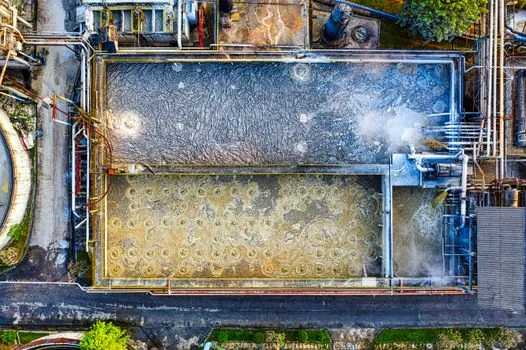
To navigate the selection process effectively, understanding how each technology aligns with your factory’s specific parameters is crucial. This matrix provides a comparative framework for Pokhara’s industrial buyers.
| Technology | Contaminant Suitability | Flow Rate Range | Pokhara-Specific Pros/Cons | Pokhara Risk Score (1-5) | Recommended For |
|---|---|---|---|---|---|
| MBR | Dissolved organics, pathogens, high-quality effluent | 10 m³/day – 2,000 m³/day | Pros: Excellent water reuse potential, compact footprint ideal for land-scarce areas. Cons: Higher CAPEX, potential for membrane fouling with high FOG or specific industrial chemicals. Requires reliable power supply. | 2 (Low risk for compliance, moderate for CAPEX) | Hotels, Hospitals, High-end Resorts |
| DAF | High suspended solids, FOG, color removal | 4 m³/h – 300 m³/h | Pros: Cost-effective for TSS removal, rapid installation. Cons: Limited effectiveness on dissolved pollutants, requires significant chemical input, higher sludge generation. | 3 (Moderate risk for dissolved contaminants, low for TSS) | Textile Factories, Food & Beverage Processing, Tanneries |
| A/O | Organic loads (BOD/COD) | 10 m³/h – 100 m³/h | Pros: Good biological treatment for organic removal, lower energy use than MBR. Cons: Requires larger land area, sensitive to shock loads and industrial chemical discharges, effluent quality may not meet reuse standards. | 4 (Higher risk for land constraints and shock loads) | Small to Medium-Scale Manufacturing, General Food Processing |
| Hybrid (e.g., DAF + MBR) | Comprehensive treatment for diverse industrial effluents | Scalable | Pros: Combines the strengths of both technologies, achieving high-quality effluent and effective solids removal. Cons: Highest CAPEX and complexity, requires skilled operation. | 1 (Lowest risk for compliance assurance) | Complex Industrial Effluents, Facilities aiming for Zero Liquid Discharge (ZLD) |
The Pokhara Risk Score assesses suitability based on factors like seasonal flow variability, land scarcity, local utility reliability, and the typical contaminant profile of local industries. For facilities prioritizing water reuse and minimal land footprint, MBR systems, such as HydropureWater's MBR systems for Pokhara’s water reuse and land constraints, offer a low-risk compliance pathway. Conversely, textile and food processing plants with high TSS loads might find DAF systems, like the DAF systems for Pokhara’s textile and food processing factories, a more cost-effective solution, though they carry a moderate risk for dissolved pollutant compliance.
Cost Breakdown: CAPEX, OPEX, and ROI for Pokhara Factories
Understanding the financial implications of sewage treatment equipment is critical for procurement decisions in Pokhara. Capital Expenditure (CAPEX) can range significantly, from approximately $50,000 for a 10 m³/h package plant to over $2 million for a 200 m³/h MBR or ETP hybrid system. Modular systems can offer a CAPEX advantage, potentially reducing upfront costs by 20–30% by allowing phased implementation.
Operating Expenditure (OPEX) benchmarks for treated wastewater in Nepal typically fall between $0.15–$0.40 per cubic meter. Key cost drivers include energy consumption (approximately 40% of OPEX), chemicals (25%), labor (20%), and maintenance (15%).
The Return on Investment (ROI) for sewage treatment equipment in Pokhara is driven by several factors: savings from water reuse, which can range from $0.50 to $1.20 per cubic meter, and the avoidance of significant fines—up to NPR 500,000 annually for non-compliance. For instance, a 50 m³/h MBR system, while having a higher initial CAPEX, can achieve a payback period of 3–5 years, primarily through water reuse savings and avoided penalties. Pokhara-specific cost considerations include potentially higher chemical costs due to import tariffs, which can be mitigated by exploring local sourcing of coagulants like PAC and alum. Labor costs in Pokhara are also approximately 30% lower than in Kathmandu, according to the Nepal Labor Force Survey 2023, which can positively impact OPEX.
| Parameter | Typical Range (Pokhara Context) | Key Influencing Factors |
|---|---|---|
| CAPEX (10 m³/h Package Plant) | $50,000 - $150,000 | Technology type (MBR vs. DAF vs. A/O), level of automation, material quality |
| CAPEX (200 m³/h Industrial ETP) | $1,000,000 - $2,000,000+ | Treatment complexity, MBR membrane cost, integrated systems |
| OPEX per m³ Treated | $0.15 - $0.40 | Energy prices, chemical consumption rates, labor costs, maintenance schedules |
| Water Reuse Value (per m³) | $0.50 - $1.20 | Local water tariffs, demand for non-potable water, irrigation needs |
| Potential Fines Avoided (Annual) | Up to NPR 500,000 | Non-compliance duration, EPA enforcement severity |
To further reduce operating costs, consider implementing the strategies to cut OPEX for Pokhara’s sewage treatment systems discussed in comprehensive guides.
Zero-Risk Supplier Selection: 7 Pokhara-Specific Criteria
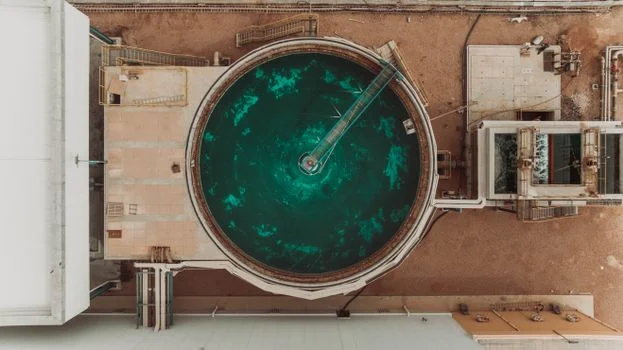
Procuring sewage treatment equipment involves significant investment and potential risks. To ensure a zero-risk decision for Pokhara’s industrial buyers, a rigorous supplier selection process focusing on local applicability is essential. HydropureWater outlines seven critical criteria:
- Local Service Network: Suppliers must demonstrate a robust Pokhara-based or readily accessible service team for rapid emergency repairs and routine maintenance. Verify this by requesting service contracts with existing local factories.
- Effluent Testing Certifications: Insist on performance data validated by ISO 17025-accredited laboratories, confirming compliance with Nepal’s 2026 standards. Generic performance claims are insufficient; verifiable test results are paramount.
- Seasonal Flow Adaptability: Equipment must reliably handle Pokhara’s seasonal flow variability, typically ranging from 30–50%. This requires systems with flexible operational parameters, such as variable aeration in MBRs or adjustable recycle rates in DAF units.
- Land Efficiency: Given Pokhara’s land scarcity, prioritize suppliers offering compact or underground designs. Solutions like HydropureWater’s underground sewage treatment plants for Pokhara’s land-scarce industrial zones can significantly optimize space utilization.
- Chemical Supply Chain: Confirm the local availability and consistent supply of essential treatment chemicals, including coagulants (PAC, alum) and disinfectants (e.g., chlorine dioxide from systems like HydropureWater’s chlorine dioxide generator). Supply chain disruptions can lead to costly downtime.
- Case Study Validation: Request specific Pokhara-based case studies with measurable effluent results. For example, details of how a local hotel’s MBR system achieved BOD reduction from 120 mg/L to <10 mg/L are far more valuable than generalized performance data.
- Regulatory Compliance Support: Suppliers should proactively offer assistance with EPA submission templates, on-site compliance training for your staff, and guidance on navigating Nepal’s environmental regulations.
Adhering to these criteria, alongside general municipal sewage treatment benchmarks for Nepal’s regulatory context, will significantly de-risk your procurement and ensure long-term operational success.
Frequently Asked Questions
Q1: What is the typical cost range for MBR sewage treatment equipment in Pokhara for a 50 m³/h capacity?
A1: For a 50 m³/h capacity MBR system in Pokhara, expect CAPEX to range from $350,000 to $1.2 million. However, these systems can reduce OPEX by up to 40% compared to DAF systems due to higher treatment efficiency and water reuse potential.
Q2: How do DAF systems perform against Pokhara’s 2026 effluent standards for BOD?
A2: DAF systems excel at TSS removal (92–97%) but are less effective for dissolved pollutants like BOD. While they can reduce BOD, achieving the <50 mg/L standard may require pre- or post-treatment, making them more suitable for effluents with high suspended solids.
Q3: What are the primary land-use considerations for sewage treatment plants in Pokhara?
A3: Pokhara’s land scarcity makes footprint efficiency critical. MBR systems offer a 60% smaller footprint than conventional plants. For extreme space constraints, consider underground sewage treatment plants for Pokhara’s land-scarce industrial zones, minimizing surface impact.
Q4: How can hotels in Pokhara best comply with fecal coliform limits using sewage treatment?
A4: For hotels, MBR systems combined with advanced disinfection, such as ozone or UV, are highly recommended. This combination can effectively meet Nepal’s <1,000 MPN/100mL fecal coliform limit and enable water reuse for landscaping, crucial for Pokhara’s tourism sector.
Q5: What is the projected ROI for investing in a sewage treatment system for a medium-sized factory in Pokhara?
A5: For a medium-sized factory, the ROI is typically realized within 3–5 years, driven by avoided fines (up to NPR 500,000 annually) and potential savings from water reuse ($0.50–$1.20/m³). The specific payback period depends on the chosen technology and operational efficiency.