Why Hospital Wastewater in The Hague Needs Specialized Treatment
Hospital wastewater in The Hague requires advanced treatment to comply with the Dutch Water Act and EU Urban Waste Water Directive 91/271/EEC, targeting COD ≤125 mg/L, BOD ≤25 mg/L, and antibiotic resistance gene (ARG) reduction. On-site systems like MBR (membrane bioreactors) achieve 99%+ ARG removal (e.g., blaKPC, vanA) and 95% COD reduction, while centralized treatment plants may require pre-treatment to avoid downstream contamination. Local water authorities (Dunea, Hoogheemraadschap Delfland) mandate discharge permits with strict monitoring for pharmaceutical residues.
Under the 2025 Hoogheemraadschap Delfland guidelines, hospital effluent must meet stringent discharge limits: COD ≤125 mg/L, BOD ≤25 mg/L, TSS ≤35 mg/L, and <10 CFU/100 mL fecal coliforms. These standards are significantly more rigorous than standard municipal requirements due to the high-risk nature of hospital waste streams. A 2019 PubMed study revealed that hospital wastewater in Dutch urban areas contains 25% higher antibiotic concentrations and significantly higher loads of antibiotic resistance genes (ARGs) such as blaKPC and vanA compared to standard municipal sewage. Without specialized on-site intervention, these pharmaceutical residues—including cytostatics and antibiotics—persist through conventional municipal treatment, leading to environmental bioaccumulation in the North Sea and local canal systems.
The Hague’s local water authorities, Dunea and Hoogheemraadschap Delfland, now require hospitals to secure specific discharge permits that include mandatory monitoring for "Watch List" substances. These substances include pharmaceutical residues like diclofenac, erythromycin, and ciprofloxacin. Failure to mitigate these pollutants at the source places a heavy burden on the Houtrust Wastewater Treatment Plant (WWTP), increasing the risk of permit violations and environmental fines for the healthcare facility. Consequently, facility managers must transition from passive disposal to active on-site treatment to ensure long-term regulatory alignment.
On-Site vs. Centralized Treatment: Which is Right for Your Hospital?
On-site treatment processes, specifically those utilizing MBR system for hospital wastewater treatment in The Hague, reduce ARG loads by 99% or more before the effluent ever reaches the municipal sewer system. This proactive approach eliminates the risk of hospital-related genes, such as the carbapenemase-producing blaKPC, entering the communal water cycle. Data from the Sneek demo site in the Netherlands demonstrates that combining on-site MBR with ozonation achieves a 95% COD removal rate and reduces downstream ARG loads by 1.8-fold compared to hospitals that discharge untreated effluent directly to centralized facilities.
Centralized treatment at plants like Houtrust WWTP often lacks the specific tertiary stages required to neutralize pharmaceutical residues effectively. While discharging to the municipal sewer may seem simpler, it carries significant compliance risks as Dutch regulations tighten. By 2026, sewer fees in The Hague are projected to range between €0.50 and €1.50 per m³, whereas the operational cost of a high-efficiency on-site system often falls below the upper end of these municipal tariffs. For a hospital producing 10 m³/h of wastewater, the CAPEX for an on-site MBR system typically ranges from €250,000 to €400,000, which can be offset by the reduction in discharge levies and the avoidance of non-compliance penalties.
Hospitals must also consider the physical footprint and the complexity of pre-treatment. A DAF system for pre-treatment of hospital wastewater is often necessary to remove fats, oils, and grease (FOG) and total suspended solids (TSS) before the biological treatment stage, ensuring the longevity of downstream membranes and oxidation units.
| Parameter | On-Site Treatment (MBR + Ozonation) | Centralized Discharge (Municipal Sewer) |
|---|---|---|
| ARG Removal Efficiency | 99% - 99.9% (blaKPC, vanA) | Variable (often <40% for ARGs) |
| COD Removal | >95% | Dependent on WWTP capacity |
| Pharmaceutical Neutralization | High (via Ozonation/GAC) | Low to Moderate |
| Compliance Risk | Low (Hospital controls effluent quality) | High (Subject to changing municipal limits) |
| Estimated OPEX (2026) | €0.80 – €1.20/m³ | €0.50 – €1.50/m³ (Sewer fees) |
Key Treatment Technologies for Hospital Wastewater in The Hague
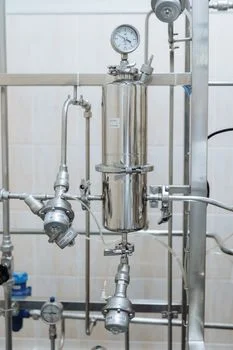
Engineering hospital wastewater systems for the Dutch market requires a multi-stage approach to address both organic loads and specialized pathogens. The Membrane Bioreactor (MBR) serves as the core biological process. Utilizing PVDF flat-sheet membranes with a 0.1 μm pore size, these systems achieve 99% TSS removal. For hospital applications in The Hague, engineering specifications should target a hydraulic retention time (HRT) of 6 to 12 hours and a membrane flux of 15 to 25 L/m²/h. This ensures high-quality permeate that meets the strict Dutch Water Act standards for water reuse or safe discharge.
To address the high concentrations of suspended solids and lipids often found in hospital kitchen and laundry waste, a DAF system for pre-treatment of hospital wastewater is recommended. Technical benchmarks for the DAF include a micro-bubble size of 30–50 μm and a hydraulic loading rate of 5–10 m/h, which facilitates the removal of 95%+ FOG and 90% TSS. This stage is critical to prevent membrane fouling in the subsequent MBR stage.
Tertiary treatment via ozonation is the gold standard for pharmaceutical residue destruction. Based on Pharmafilter case studies in the Netherlands, an ozone dose of 5–10 mg/L with a contact time of 10–20 minutes destroys 99% of ARGs. Final disinfection is typically achieved using a chlorine dioxide generator for hospital wastewater disinfection. Chlorine dioxide (ClO₂) is preferred over traditional chlorine due to its superior efficacy against viruses and antibiotic-resistant bacteria at lower dosages (2–5 mg/L), ensuring fecal coliform levels remain below the <10 CFU/100 mL mandate.
| Technology | Key Engineering Parameter | 2026 Performance Benchmark |
|---|---|---|
| MBR (DF Series) | Membrane Flux / Pore Size | 15–25 L/m²/h / 0.1 μm PVDF |
| DAF | Hydraulic Loading Rate | 5–10 m/h (95% FOG removal) |
| Ozonation | Ozone Dosage / Contact Time | 5–10 mg/L / 10–20 minutes |
| ClO₂ Generator | Disinfection Dosage | 2–5 mg/L (<10 CFU/100 mL coliforms) |
| Energy Consumption | Specific Power Demand | 0.6 – 1.2 kWh/m³ (Integrated system) |
Compliance Checklist: Meeting The Hague’s Hospital Wastewater Standards
Navigating the regulatory landscape in The Hague requires a structured approach to permit acquisition and operational monitoring. Facility managers must first apply for a discharge permit via Hoogheemraadschap Delfland or Dunea, ensuring the application includes a comprehensive list of pharmaceutical residues that the hospital expects to discharge. This is in direct alignment with the EU Watch List substances. Compliance is not a one-time event but a continuous process of sampling and verification.
The following checklist outlines the mandatory steps for Dutch compliance:
- Permit Application: Submit detailed process flow diagrams and expected effluent quality to the local water board.
- Monitoring Frequency: Conduct weekly tests for COD, BOD, and TSS. Implement quarterly ARG monitoring using qPCR for markers like blaKPC and vanA.
- Disinfection Standards: Ensure the disinfection system (UV or ClO₂) is calibrated to achieve <10 CFU/100 mL fecal coliforms, as per Dutch Water Act §4.2.
- Sludge Management: All generated sludge must be dewatered to ≤20% moisture. A plate and frame filter press is often used to achieve this density, facilitating safe transport for incineration or landfilling per EU Directive 2018/850.
- Emergency Protocols: Establish automated shut-off valves and bypass storage in the event of system failure to prevent untreated discharge.
Non-compliance in the Netherlands carries heavy penalties. Administrative fines can reach €100,000, and persistent violations may lead to the revocation of the facility's discharge permit, effectively halting hospital operations. For further context on international standards, facility managers may compare these requirements with hospital wastewater treatment compliance in Halifax, which shares similar EU-derived foundations.
Cost Breakdown: CAPEX and OPEX for Hospital Wastewater Treatment in The Hague
Budgeting for a hospital wastewater treatment plant in 2026 requires a clear understanding of both initial capital expenditure and ongoing operational costs. For a mid-sized hospital in The Hague requiring a capacity of 10 m³/h, an integrated MBR system represents a CAPEX of €250,000 to €400,000. This figure includes civil works, membrane modules, high-degree automation, and commissioning. While the initial investment is significant, the long-term savings on municipal sewer fees and the mitigation of regulatory risk provide a compelling financial case.
Operational expenses (OPEX) for MBR systems typically range from €0.80 to €1.20 per cubic meter of treated water. This includes energy consumption (approximately 0.6–1.0 kWh/m³), membrane replacement every 5–7 years, chemical cleaning agents, and labor. In comparison, a DAF system has a lower CAPEX of €80,000 to €150,000 and a significantly lower OPEX of €0.30 to €0.60/m³, primarily because it targets physical rather than biological or chemical pollutants. For a detailed analysis of global pricing trends, see the CAPEX and OPEX benchmarks for wastewater treatment plants.
Return on investment (ROI) for on-site treatment is typically realized within 5 to 7 years for hospitals with more than 50 beds. This calculation accounts for the reduction in municipal surcharges, which are increasingly tiered based on the pollutant load (the "polluter pays" principle). By treating wastewater to a level where it meets "clean water" discharge standards, hospitals can often negotiate lower rates with local authorities or even reuse treated water for non-potable applications like cooling towers or landscape irrigation.
| System Component (10 m³/h) | Estimated CAPEX (2026) | Estimated OPEX (per m³) |
|---|---|---|
| Integrated MBR System | €250,000 – €400,000 | €0.80 – €1.20 |
| DAF Pre-treatment Unit | €80,000 – €
Get a Free Quote — Tell Us About Your Project
Contact Us
|