Why Arusha’s Industrial Wastewater Treatment Needs Are Unique
Arusha’s industrial wastewater treatment market is governed by stringent regulations and unique operational challenges. Compliance with the National Environment Management Council (NEMA) 2024 discharge limits is paramount, mandating BOD levels below 30 mg/L and Total Suspended Solids (TSS) below 50 mg/L, with a pH range of 6–9. Specific industrial pollutants, such as chromium (Cr³⁺) at less than 0.5 mg/L for tanneries and oil/grease (FOG) at less than 10 mg/L for food processing plants, further complicate treatment strategies. all equipment must meet Tanzania Bureau of Standards (TBS) certification, a process that can typically take 3–6 months and requires comprehensive documentation. Suppliers with pre-certified systems, like those utilized in ENVSOL’s Banana Investment project, can significantly expedite this timeline.
The influent characteristics across Arusha’s key industrial sectors present distinct treatment hurdles. Tanneries frequently discharge wastewater with high concentrations of Cr³⁺, ranging from 50–150 mg/L. Abattoirs generate effluent with exceptionally high TSS loads, often between 1,200–3,000 mg/L, alongside significant organic matter. Food processing industries are characterized by high FOG levels, typically 300–800 mg/L. These sector-specific challenges necessitate tailored pretreatment stages. For instance, Dissolved Air Flotation (DAF) is highly effective for FOG removal in food processing, while chemical precipitation is crucial for reducing heavy metals like chromium in tannery effluent before subsequent biological treatment.
Arusha also faces increasing water scarcity, a trend highlighted by the AUWSA 2025 report, which indicates that approximately 70% of industrial plants are exploring or implementing treated effluent reuse for irrigation or cooling purposes. This drives the need for advanced treatment systems capable of producing high-quality effluent. Compounding these issues, infrastructure constraints are significant; data from the Dutch Iv-Water project reveals that around 60% of industrial zones in Arusha lack direct sewer connections, making robust on-site wastewater treatment systems indispensable.
| Parameter | NEMA 2024 Discharge Limit | Tannery Influent Range | Abattoir Influent Range | Food Processing Influent Range |
|---|---|---|---|---|
| BOD | < 30 mg/L | 1,000–5,000 mg/L | 800–3,500 mg/L | 500–2,000 mg/L |
| TSS | < 50 mg/L | 500–2,500 mg/L | 1,200–3,000 mg/L | 200–1,500 mg/L |
| pH | 6–9 | 7–10 | 6–8 | 5–9 |
| Chromium (Cr³⁺) | < 0.5 mg/L | 50–150 mg/L | ND | ND |
| Oil/Grease (FOG) | < 10 mg/L | 50–200 mg/L | 100–500 mg/L | 300–800 mg/L |
Engineering Specs for Arusha’s Top 4 Industrial Sectors
Effective industrial wastewater treatment in Arusha hinges on understanding and engineering solutions for sector-specific influent characteristics. For tanneries, a multi-stage approach is vital. Initial treatment typically involves chemical precipitation using reagents like Sodium Hydroxide (NaOH) and lime to reduce Cr³⁺ from influent levels of 100 mg/L down to the NEMA-compliant <0.5 mg/L. This is followed by sedimentation to remove precipitated solids. Subsequent biological treatment, such as an MBR system or activated sludge process, is then employed to achieve the required BOD and TSS removal. Case studies like ENVSOL’s Modjo tannery project demonstrate the efficacy of such integrated systems, achieving over 92% COD removal.
Abattoir wastewater demands robust primary treatment to handle high TSS and FOG. Rotary screens, such as the GX Series, are highly effective in removing up to 80% of coarse solids. Dissolved Air Flotation (DAF) systems are then deployed to reduce FOG concentrations to below 10 mg/L. For significant organic load reduction and potential energy recovery, anaerobic digestion can be integrated to produce biogas, as seen in ENVSOL’s Mwanza abattoir project, which yielded approximately 300 m³ of biogas daily. Post-anaerobic treatment, aerobic processes or tertiary polishing may be required to meet final discharge standards.
Food processing effluent, characterized by high FOG content, benefits immensely from DAF pretreatment, capable of removing 95% of FOG. Following FOG removal, MBR systems or Sequencing Batch Reactors (SBRs) are commonly employed for efficient BOD and TSS reduction. The Banana Investment Ltd. case study exemplifies this, reporting a 97% BOD removal rate with an MBR system. These technologies offer high effluent quality, suitable for potential reuse applications.
Textile industry wastewater presents challenges related to color, suspended solids, and chemical oxygen demand (COD). A typical treatment train involves coagulation-flocculation using chemicals like Polyaluminium Chloride (PAC) and polyacrylamide to remove up to 90% of color and suspended solids. For achieving high-quality effluent suitable for reuse, as recommended by AUWSA 2025 reuse guidelines, advanced membrane filtration systems, such as those in the JY Series, are often integrated to polish the water to meet strict standards for turbidity and microbial load.
| Sector | Primary Treatment | Secondary Treatment | Tertiary/Polishing | Key Pollutants Addressed | Example Technologies |
|---|---|---|---|---|---|
| Tannery | Chemical Precipitation (Cr³⁺ reduction) | Activated Sludge or MBR | Disinfection | Cr³⁺, BOD, TSS, Sulfides | Chemical Precipitation, MBR, Activated Sludge |
| Abattoir | Screening, DAF (FOG removal) | Anaerobic Digestion or Activated Sludge | Disinfection | TSS, FOG, BOD, Ammonia | Rotary Screens, DAF, Anaerobic Digesters |
| Food Processing | DAF (FOG removal) | MBR or SBR | Disinfection | FOG, BOD, TSS, Nutrients | DAF, MBR, SBR |
| Textile | Coagulation-Flocculation | Activated Sludge or Membrane Filtration | Disinfection | Color, TSS, COD, BOD | PAC/Polyacrylamide, MBR, Membrane Filtration |
Technology Comparison: MBR vs DAF vs Electrocoagulation for Arusha Plants
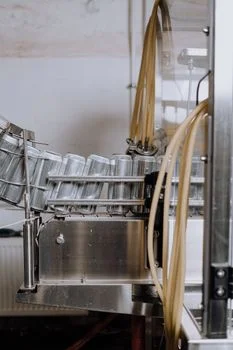
Selecting the optimal wastewater treatment technology for Arusha’s industrial facilities requires a careful evaluation of performance, footprint, and cost. Membrane Bioreactors (MBRs) offer superior effluent quality, consistently achieving COD levels below 50 mg/L and TSS below 5 mg/L, making them ideal for water reuse applications. However, MBRs demand a larger footprint compared to DAF systems and come with a higher capital expenditure; a 200 m³/day MBR system can cost approximately $180,000, whereas a comparable DAF and activated sludge combination might be around $60,000.
Dissolved Air Flotation (DAF) systems excel in removing FOG and suspended solids, achieving up to 95% efficiency. While DAF is highly effective as a primary or pre-treatment step, it is generally not sufficient on its own to meet stringent final discharge limits for BOD or COD. For a 50 m³/day capacity, a DAF system typically has a capital cost of around $40,000. Activated sludge processes, on the other hand, offer the lowest capital expenditure for biological treatment, with a 50 m³/day system costing approximately $30,000, but they require a larger footprint due to the need for a secondary clarifier, often demanding around 150 m² compared to the 50 m² typically needed for an MBR of similar capacity.
Electrocoagulation (EC) presents a powerful solution for challenging industrial wastewaters, particularly those with high concentrations of heavy metals like chromium or arsenic, achieving removal efficiencies of up to 99%. This makes it a strong candidate for abattoir and tannery applications. However, EC is associated with higher operational expenditure (OPEX) – around $0.80/m³ – compared to traditional chemical precipitation methods ($0.20/m³). For facilities prioritizing heavy metal removal and willing to invest in higher operational costs, EC offers a compelling, albeit more expensive, alternative. The choice between these technologies significantly impacts both initial investment and ongoing operational efficiency, crucial factors for long-term sustainability in Arusha’s industrial landscape.
| Technology | Typical Removal Efficiency (COD/TSS/Metals) | Footprint (Relative) | CapEx (Est. 50 m³/day) | OPEX ($/m³) | Best For |
|---|---|---|---|---|---|
| MBR | 95-99% COD/TSS, Good for dissolved organics | Compact | $150,000 - $200,000 | $0.30 - $0.50 | High-quality effluent, water reuse, food processing, textile |
| DAF | 90-95% FOG/TSS, limited COD | Medium | $40,000 - $60,000 | $0.15 - $0.30 | FOG & SS removal, pretreatment for food processing, abattoirs |
| Electrocoagulation | 99% Heavy Metals, Variable COD/TSS | Medium | $100,000 - $150,000 | $0.80 - $1.20 | Heavy metal removal (tanneries, abattoirs) |
| Activated Sludge | 85-95% BOD/COD, 80-90% TSS | Large | $30,000 - $50,000 | $0.20 - $0.40 | General organic load reduction, cost-sensitive projects |
Cost Breakdown: CapEx, OPEX, and ROI by Technology and Capacity
Understanding the financial implications of industrial wastewater treatment systems is critical for procurement decisions in Arusha. Capital expenditure (CapEx) varies significantly by technology and capacity. For a 50 m³/day plant, MBR systems typically range from $900–$1,200 per m³/day of capacity, while DAF systems fall between $500–$800 per m³/day. Activated sludge systems offer the lowest CapEx at $400–$600 per m³/day, whereas electrocoagulation systems, due to their specialized nature and electrode consumption, can range from $1,000–$1,500 per m³/day.
Operational expenditure (OPEX) is also a key differentiator. MBR systems generally have OPEX of $0.30–$0.50 per m³, influenced by membrane cleaning and energy consumption. DAF systems are relatively cost-effective to operate, with OPEX ranging from $0.15–$0.30 per m³. Activated sludge processes typically have OPEX between $0.20–$0.40 per m³, largely driven by aeration energy. Electrocoagulation, as noted, has a higher OPEX of $0.80–$1.20 per m³ due to electricity and electrode replacement costs. Considering the AUWSA 2025 water tariff of $2.50/m³, water reuse systems, particularly MBRs, can offer a compelling Return on Investment (ROI), with payback periods often ranging from 3–5 years for food processing plants.
Beyond the core equipment costs, several other expenses must be factored into the total project budget. These include TBS certification fees, which can range from $5,000–$15,000 depending on system complexity and documentation. NEMA permitting processes can add $3,000–$8,000. Operator training, essential for efficient and compliant operation, typically costs $2,000–$5,000. These ancillary costs, combined with the chosen technology’s CapEx and OPEX, determine the overall financial viability of the wastewater treatment solution.
| Capacity (m³/day) | MBR CapEx ($) | DAF CapEx ($) | Activated Sludge CapEx ($) | Electrocoagulation CapEx ($) | 5-Year OPEX (Est. for 50 m³/day, $) |
|---|---|---|---|---|---|
| 50 | 45,000 - 60,000 | 25,000 - 40,000 | 20,000 - 30,000 | 50,000 - 75,000 | 7,500 - 15,000 (MBR) |
| 100 | 90,000 - 120,000 | 50,000 - 80,000 | 40,000 - 60,000 | 100,000 - 150,000 | 15,000 - 30,000 (MBR) |
| 200 | 180,000 - 240,000 | 100,000 - 160,000 | 80,000 - 120,000 | 200,000 - 300,000 | 30,000 - 60,000 (MBR) |
Supplier Selection Checklist for Arusha Industrial Plants
Choosing the right wastewater treatment equipment supplier in Arusha requires a systematic approach that considers local context, technical capability, and long-term support. When evaluating suppliers, a key distinction lies between local and international providers. Local companies like ENVSOL and Chemtrade often offer faster integration with local permitting processes, typically expediting the 3–6 month TBS certification timeline. However, their technological offerings might be more limited. International suppliers, such as HydropureWater, provide access to a broader range of advanced technologies like MBR and DAF, but may have longer lead times, often between 9–12 months, for delivery and installation.
Another critical factor is the choice between pre-certified and custom-designed systems. Pre-certified systems (TBS/NEMA approved) can significantly de-risk the compliance process, potentially reducing compliance issues by up to 40%. However, they may not always be optimally tailored to the highly specific influent characteristics of certain industries, like tannery wastewater with high chromium loads. Custom systems offer bespoke solutions but require more time and expertise for design and certification. Similarly, consider whether a turnkey solution, where the supplier manages the entire project from design to commissioning, or a modular approach, allowing for phased installation and scalability (like HydropureWater's WSZ Series), best fits your project’s phasing and budget.
Long-term operational support is equally important. Local suppliers typically offer standard 1-year warranties, while international suppliers may provide extended warranties of 3–5 years, often coupled with remote diagnostics capabilities. A comprehensive supplier selection checklist should include questions designed to verify their understanding of Arusha’s specific regulatory environment and their track record with similar industrial clients. This ensures you select a partner capable of delivering reliable, compliant, and cost-effective wastewater treatment solutions.
- Does the supplier have proven experience with NEMA and TBS compliance in Tanzania?
- Can they provide NEMA compliance test reports for wastewater similar to your industry’s effluent (e.g., tannery chromium levels)?
- What is the estimated lead time for TBS certification for their proposed system?
- Do they offer pre-certified packages, and how do they align with your specific sector needs?
- What is the warranty period for the equipment, and what after-sales support is provided?
- Can they demonstrate successful case studies in Arusha or similar industrial environments?
- What is the estimated CapEx and OPEX for a system sized for your plant’s daily flow?
- Do they offer training for your operational staff?
- What is the expected lifespan of critical components (e.g., membranes in MBR systems)?
- Are financing or leasing options available?
Frequently Asked Questions
What are the NEMA fines for non-compliance in Arusha?
According to NEMA 2024 regulations, fines for non-compliance with wastewater discharge limits in Arusha can range from TZS 5 million to TZS 50 million (approximately $2,000–$20,000) per violation. Repeat offenses or severe non-compliance can lead to temporary or permanent plant shutdowns.
How long does TBS certification take for a new wastewater treatment plant?
The timeline for TBS certification in Arusha typically varies. For pre-certified systems and suppliers with established relationships, it can take around 3–6 months. For custom-designed systems or new suppliers, the process can extend to 9–12 months, as detailed by AUWSA 2025 guidelines.
Can treated industrial wastewater be reused in Arusha?
Yes, treated industrial wastewater can be reused in Arusha, but only if the effluent quality meets the specific reuse standards set by the Arusha Urban Water Supply and Sanitation Authority (AUWSA). These standards generally require parameters like turbidity to be below 5 NTU and E. coli counts to be less than 10 CFU/100mL for non-potable uses such as irrigation or industrial cooling.
What’s the most cost-effective technology for a 100 m³/day tannery plant?
For a 100 m³/day tannery plant, a combination of chemical precipitation followed by an activated sludge process is often the most cost-effective approach. This configuration typically involves a CapEx of around $80,000 and OPEX of approximately $0.30/m³. In contrast, an MBR system for the same capacity would have a higher CapEx of roughly $150,000 and OPEX around $0.50/m³, making it a more expensive, albeit higher-performing, option. The choice depends on the acceptable effluent quality and the criticality of heavy metal removal.
Do local suppliers in Arusha offer financing or leasing options?
Some local suppliers in Arusha do offer financing or leasing options. For instance, ENVSOL has been known to provide 24-month leasing agreements for package wastewater treatment plants. Other local suppliers, like Chemtrade, may require a significant down payment, such as 30%, for equipment purchases, indicating varied financial service offerings across the market.
Related Equipment
The following HydropureWater products are engineered for the wastewater challenges discussed above:
- chemical dosing for chromium precipitation in Arusha tanneries — view specifications, capacity range, and technical data
Need a customized solution? Request a free quote with your specific flow rate and pollutant parameters.