Hospital Wastewater Treatment in Mashhad: 2026 Engineering Specs, Compliance & Zero-Risk System Selection
Mashhad hospitals discharge wastewater with mean BOD (348 mg/L), COD (527 mg/L), and TSS (291 mg/L) levels exceeding Iranian DOE standards by 3–5×, risking fines and environmental contamination (per 2023 Iranian hospital study). Zero-risk compliance requires systems achieving effluent BOD ≤30 mg/L, COD ≤60 mg/L, and TSS ≤30 mg/L—benchmarks met by MBR (95%+ removal) or DAF + chemical dosing (85–92% removal) with disinfection. This guide provides 2026 engineering specs, cost models, and a compliance roadmap for Mashhad facilities.Why Mashhad Hospitals Fail Wastewater Compliance: Data from 70 Iranian Facilities
Iranian hospital wastewater compliance remains a significant challenge, with a 2023 study revealing that 52% of hospitals nationwide operate without any treatment systems. A substantial portion of Mashhad's 15 major hospitals likely lack adequate wastewater infrastructure, contributing to local environmental burdens. The mean influent BOD, COD, and TSS levels for Iranian hospitals are 348 mg/L, 527 mg/L, and 291 mg/L, respectively (per the 2023 study). These high pollutant loads, coupled with the known pollution of Mashhad's Kashafrud River, suggest similar or even worse discharge levels from Mashhad facilities. Current effluent averages from hospitals with existing but often inefficient treatment systems are 113 mg/L BOD, 188 mg/L COD, and 99 mg/L TSS. These figures miss the Iranian Department of Environment (DOE) Class A discharge limits—BOD ≤30 mg/L, COD ≤60 mg/L, and TSS ≤30 mg/L—by factors of 3 to 5. The regulatory landscape in Mashhad is becoming increasingly stringent. DOE fines can reach up to 2 billion IRR per month for non-compliance, alongside potential MoH infection control audits that can result in license suspension. With 2025 deadlines approaching for enhanced digital reporting and stricter enforcement, Mashhad hospitals face escalating pressure to upgrade their wastewater treatment infrastructure. The table below illustrates the compliance gap:| Parameter | Mean Influent (mg/L) | Mean Effluent (mg/L) | Iranian DOE Class A Limit (mg/L) | Compliance Gap (Effluent vs. Limit) |
|---|---|---|---|---|
| BOD | 348 | 113 | ≤30 | 3.77× Exceeded |
| COD | 527 | 188 | ≤60 | 3.13× Exceeded |
| TSS | 291 | 99 | ≤30 | 3.30× Exceeded |
Hospital Wastewater in Mashhad: Pollutant Profile and Treatment Challenges
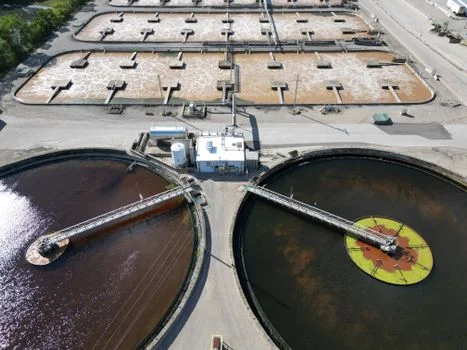
Treatment Technology Comparison: MBR vs. DAF vs. Chemical Dosing for Mashhad Hospitals
The optimal wastewater treatment technology for Mashhad hospitals requires a detailed evaluation of performance, footprint, and cost against specific compliance targets. Membrane Bioreactor (MBR) systems for hospital wastewater in Mashhad, such as HydropureWater DF Series units, consistently achieve the highest effluent quality, with BOD ≤10 mg/L, COD ≤50 mg/L, and TSS ≤5 mg/L. DAF systems for high-FOG hospital wastewater, like HydropureWater's, provide an effective solution, particularly for facilities with significant fat, oil, and grease (FOG) content from kitchens or laundries. Chemical dosing followed by sedimentation offers the lowest initial investment but with more variable effluent quality. Disinfection is a mandatory final step for all hospital wastewater.| Technology | Target Effluent Quality (BOD/COD/TSS mg/L) | Primary Advantages | CAPEX (2026 Mashhad, USD) | OPEX (per m³ treated, USD) |
|---|---|---|---|---|
| MBR (HydropureWater DF Series) | ≤10 / ≤50 / ≤5 | Highest effluent quality, smallest footprint, high ARG removal | $300,000 – $450,000 | $0.40 – $0.50 |
| DAF (HydropureWater) | ≤50 / ≤120 / ≤30 | Effective for high FOG/metals, robust pre-treatment, moderate footprint | $120,000 – $200,000 | $0.25 – $0.35 |
| Chemical Dosing + Sedimentation (HydropureWater) | ≤80 / ≤150 / ≤50 | Lowest initial CAPEX, simple operation for basic removal | $80,000 – $150,000 | $0.30 – $0.45 |
Iranian Compliance Roadmap: DOE, MoH, and Local Mashhad Standards
Cost-Optimized System Selection: CAPEX, OPEX, and ROI for Mashhad Hospitals
A cost-optimized approach to hospital wastewater treatment in Mashhad balances initial capital expenditure (CAPEX) with ongoing operational expenditure (OPEX) and regulatory compliance risks. For 2026, CAPEX benchmarks for a typical 100-200 bed hospital wastewater treatment system in Mashhad are estimated as follows: MBR systems range from $300,000 to $450,000, DAF systems from $120,000 to $200,000, and chemical dosing systems from $80,000 to $150,000. The Return on Investment (ROI) for these systems extends beyond direct cost savings to include significant risk mitigation. Avoiding DOE fines, which can reach 2 billion IRR per month, represents a substantial financial benefit. Financing options are available to ease the upfront investment. The Iranian Green Fund offers grants covering up to 50% of CAPEX for environmentally beneficial projects.| Treatment Technology | Estimated CAPEX (2026 Mashhad, USD) | Estimated OPEX (per m³ treated, USD) | Typical Payback Period (Years) | Compliance Risk Reduction |
|---|---|---|---|---|
| MBR System | $300,000 – $450,000 | $0.40 – $0.50 | 5 – 7 | High (30% lower risk) |
| DAF System | $120,000 – $200,000 | $0.25 – $0.35 | 3 – 4 | Moderate |
| Chemical Dosing + Sedimentation | $80,000 – $150,000 | $0.30 – $0.45 | N/A (often requires further treatment for full compliance) | Low (requires additional steps for full compliance) |
Frequently Asked Questions
Q: What are the primary pollutants in Mashhad hospital wastewater?
A: Mashhad hospital wastewater contains high levels of BOD (348 mg/L), COD (527 mg/L), TSS (291 mg/L), antibiotic resistance genes (10^3–10^5 copies/mL), pathogens like E. coli (10^6–10^8 CFU/100mL), and heavy metals (0.5–5 mg/L Cr, Ni, Cu) from labs and medical departments.
Q: What are the Iranian DOE discharge limits for hospital wastewater in Mashhad?
A: For Mashhad hospitals discharging to the Kashafrud River, the Iranian DOE Class A limits mandate effluent quality of BOD ≤30 mg/L, COD ≤60 mg/L, and TSS ≤30 mg/L.
Q: Which treatment technology is most effective for removing antibiotic resistance genes (ARGs)?
A: MBR (Membrane Bioreactor) systems are highly effective for ARG removal, achieving over 90% reduction.
Q: How much does a hospital wastewater treatment system cost in Mashhad?
A: CAPEX for hospital wastewater treatment in Mashhad ranges from $80,000 for basic chemical dosing to $450,000 for advanced MBR systems.
Q: What disinfection methods are required for Mashhad hospital effluent?
A: Iranian MoH guidelines require 99% pathogen kill, making chlorine dioxide (ClO₂) or ozone mandatory for infectious waste streams.
Related Equipment
- MBR systems for hospital wastewater in Mashhad — view specifications, capacity range, and technical data
- DAF systems for high-FOG hospital wastewater — view specifications, capacity range, and technical data
- ClO₂ disinfection for Mashhad hospital effluent — view specifications, capacity range, and technical data
Need a customized solution? Request a free quote with