São Paulo industrial wastewater plants treating 50–500 m³/day of high-strength effluent (COD 1,000–10,000 mg/L) must meet CONAMA 430/2011 and State Decree 8468/1976. Non-compliance penalties can reach BRL 50M. DAF typically removes 92–97% TSS and 95%+ FOG; MBR can deliver COD ≤50 mg/L for reuse polishing. Project CAPEX for these trains commonly ranges from BRL 5M (DAF) to BRL 50M (MBR with reverse osmosis), with payback often in 3–7 years via reuse savings or avoided fines.
Why Compliance Pressure Is Rising for São Paulo Plants
São Paulo plants discharging industrial effluent must meet CONAMA 430/2011 and State Decree 8468/1976 at the same time. CETESB audits most often flag TSS above 100 mg/L, FOG above 50 mg/L, and pH outside 5–9. Facilities treating 50–500 m³/day that miss those limits face fines, shutdown risk, and higher monitoring costs as drought pressure increases reuse demand.
In 2023, Petrobras paid BRL 12M in fines for exceeding COD discharge limits at its Paulínia refinery, highlighting the financial risk for large emitters. The Metropolitan Region of São Paulo (MRSP) withdraws approximately 70 m³/s of water but faces critical 20% supply deficits during recurring droughts, as reported by DAEE 2024 data. That scarcity pushes industries to treat for discharge and for reuse, not discharge alone.
Petrochemical hubs near Aquapolo, food processors such as JBS and BRF, the Americana textile cluster, and Campinas-corridor pharmaceutical plants generate the hardest loads: high COD, FOG, color, and metals. Common CETESB findings in 2023 enforcement data include TSS above 100 mg/L, FOG above 50 mg/L, and pH outside 5–9. Most plants we size for FOG-heavy food effluent start with DAF as primary clarification before biological polishing.
What Discharge Limits Apply Under CONAMA 430?
CONAMA 430/2011 sets the federal floor for industrial effluent to surface waters, while São Paulo State Decree 8468/1976, enforced by CETESB, often tightens the same parameters for local receiving waters. Designers must size to the stricter of the two when they conflict. Reading both documents before equipment selection avoids redesign during licensing.
The comparison table below shows where state practice diverges from federal wording on COD and selected metals. São Paulo’s COD limit for direct discharge is ≤200 mg/L, which is more restrictive than the federal CONAMA 430 limit of ≤250 mg/L often cited in project briefs. Chromium and lead limits are also tighter at the state level for many industrial licenses.
Facilities discharging less than 10 m³/day may qualify for a simplified license. Flows of 10–100 m³/day typically need a standard environmental license. Flows above 100 m³/day usually trigger a full Environmental Impact Assessment (EIA). CETESB’s 2023 compliance report indicated that 12% of audited industrial facilities failed TSS and FOG limits. Many FOG-heavy sites therefore specify DAF systems for São Paulo’s FOG-heavy industrial effluent as the first unit process. Law 17.389/2020 also offers 30% tax rebates for facilities that reuse 30% or more of treated effluent.
| Parameter | CONAMA 430/2011 (Federal) | São Paulo State Decree 8468/1976 (CETESB) | Notes for Industrial Facilities |
|---|---|---|---|
| pH | 5.0 – 9.0 | 5.0 – 9.0 | Common violation for chemical and food industries. |
| BOD5 at 20°C | ≤60 mg/L (max) | ≤60 mg/L (max) | Stricter for specific receiving bodies. |
| COD | ≤250 mg/L (max) | ≤200 mg/L (max) | São Paulo's limit is more stringent. |
| TSS | ≤100 mg/L (max) | ≤100 mg/L (max) | Frequent violation for food processing, textiles. |
| FOG (Fats, Oils, Grease) | ≤50 mg/L (max) | ≤50 mg/L (max) | Critical for food processing, petrochemicals. |
| Chromium (total) | ≤1.0 mg/L | ≤0.5 mg/L | Tighter local limit, relevant for metal finishing. |
| Lead | ≤0.5 mg/L | ≤0.2 mg/L | Tighter local limit, relevant for battery, electronics. |
| Total Nitrogen | ≤20 mg/L (if >2,000 kg N/day) | ≤20 mg/L (if >2,000 kg N/day) | Context-dependent, less common for small industries. |
DAF vs MBR vs UASB for High-Strength Industrial Effluent
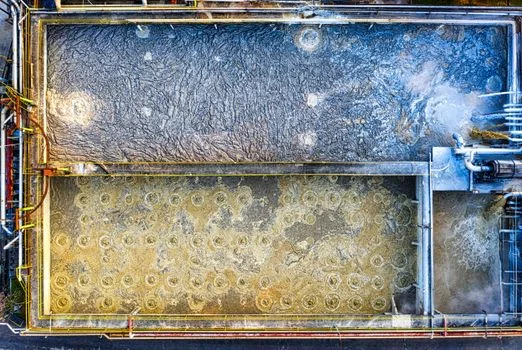
Technology choice for São Paulo plants hinges on influent COD, FOG fraction, reuse targets, and available footprint. Dissolved Air Flotation (DAF), Membrane Bioreactor (MBR), and Upflow Anaerobic Sludge Blanket (UASB) cover most industrial cases when combined correctly. No single unit meets every CETESB license alone.
Dissolved Air Flotation removes FOG, TSS, and a share of BOD from food, petrochemical, and metalworking wastewater. HydropureWater DAF trains typically achieve 92–97% TSS reduction and over 95% FOG removal under design load. COD reduction stays modest at about 30–50%, so DAF is usually primary treatment before biology or oxidation.
Membrane Bioreactor systems combine activated sludge with membrane separation and can produce near-reuse water at COD ≤50 mg/L. Compact footprints suit constrained sites in pharmaceuticals, semiconductors, and specialty chemicals. CAPEX for a 500 m³/day MBR can reach BRL 30–50M, and membrane cleaning drives higher OPEX. MBR systems for near-reuse-quality effluent in São Paulo’s pharmaceutical and semiconductor industries fit plants chasing water circularity rather than discharge-only compliance.
UASB reactors remain common in Brazil for high-COD organics from breweries, distilleries, and some food plants. Typical OPEX sits around BRL 0.10–0.30/m³, with biogas often offsetting energy. Influent COD of 1,000–10,000 mg/L is workable, yet UASB effluent usually needs aerobic polishing to hit São Paulo discharge limits.
Aquapolo, serving the ABC petrochemical hub, is the regional reference for large-scale reuse. Earlier summaries cited 100M m³/year; the plant’s published design capacity is 1,000 L/s of industrial reuse water, and cumulative delivery has exceeded 100 million m³ since startup (GS Inima). The train uses advanced membrane and RO polishing rather than a single process block.
| Technology | Influent COD Range (mg/L) | Removal Efficiency (%) (BOD/COD/TSS) |
Footprint (m²/100 m³/day) | CAPEX (BRL/m³/day) | OPEX (BRL/m³) | Maintenance Complexity | Best for São Paulo Sectors |
|---|---|---|---|---|---|---|---|
| DAF (Dissolved Air Flotation) | 200 – 2,000 | 30-50% COD, 80-90% BOD, 92-97% TSS, 95%+ FOG | 50-70 | 10,000 – 30,000 | 0.80 – 1.50 | Medium | Food Processing, Petrochemical (pre-treatment), Metalworking |
| MBR (Membrane Bioreactor) | 500 – 5,000 | 95%+ COD, 98%+ BOD, 99%+ TSS (to <5 mg/L) | 30-50 | 60,000 – 100,000 | 1.50 – 3.00 | High (membrane cleaning/replacement) | Pharmaceuticals, Semiconductors, High-tech Manufacturing (for reuse) |
| UASB (Upflow Anaerobic Sludge Blanket) | 1,000 – 10,000 | 60-80% COD, 70-90% BOD, 50-70% TSS | 80-120 | 15,000 – 40,000 | 0.10 – 0.30 (plus biogas credit) | Low to Medium | Breweries, Distilleries, Some Food Processing (requires post-treatment) |
What Do São Paulo Industrial Wastewater Projects Cost?
Project CAPEX for 50–500 m³/day industrial trains in São Paulo typically spans BRL 5M–50M, depending on whether the train stops at DAF, adds UASB, or finishes with MBR and RO. Brazil has seen construction of about 900 new wastewater plants since 2009, so local civil and permit costs are well documented. Budget owners should separate equipment, civil works, commissioning, and CETESB fees early.
A 100 m³/day DAF package often lands near BRL 5M–7M for equipment and BRL 8–12M total CAPEX once civil works and installation are included. The cost table below keeps the same banded ranges used for DAF, MBR, and UASB scoping in São Paulo. Use it for screening, then replace bands with vendor quotes and sludge haul contracts.
| Cost Category | DAF System (50–500 m³/day) | MBR System (50–500 m³/day) | UASB System (50–500 m³/day) |
|---|---|---|---|
| CAPEX (Total Project Cost) | BRL 5M – 15M | BRL 20M – 50M | BRL 8M – 25M |
| Equipment Cost | BRL 3M – 10M | BRL 12M – 35M | BRL 5M – 15M |
| Civil Works & Infrastructure | BRL 1M – 3M | BRL 4M – 10M | BRL 2M – 7M |
| Installation & Commissioning | BRL 0.5M – 1.5M | BRL 2M – 5M | BRL 1M – 3M |
| Permits & Engineering Studies | BRL 0.5M – 1.0M | BRL 1M – 2M | BRL 0.5M – 1.5M |
| OPEX (Annual, per m³) | BRL 0.80 – 1.50 | BRL 1.50 – 3.00 | BRL 0.10 – 0.50 |
| Energy Consumption | BRL 0.30 – 0.60 | BRL 0.60 – 1.20 | BRL 0.05 – 0.15 (offset by biogas) |
| Chemicals (coagulants, flocculants) | BRL 0.20 – 0.40 | BRL 0.10 – 0.30 | BRL 0.02 – 0.05 |
| Labor & Maintenance | BRL 0.20 – 0.30 | BRL 0.50 – 1.00 | BRL 0.03 – 0.10 |
| Sludge Disposal | BRL 0.10 – 0.20 | BRL 0.30 – 0.50 | BRL 0.01 – 0.05 |
ROI usually comes from reuse tariffs of about BRL 5–15/m³ and from avoiding fines that can reach BRL 100–500/m³ for severe or repeated violations. Law 17.389/2020’s 30% tax rebate for ≥30% reuse improves the cash case when polishing is already planned. Hidden costs still matter: EIA studies at BRL 50,000–200,000, CETESB monitoring fees of BRL 5,000–50,000 per year, and sludge disposal at BRL 200–500/ton. Efficient sludge dewatering solutions for São Paulo’s industrial wastewater treatment plants cut haul volume. BNDES loans at roughly 6–8% p.a. and PROCOP subsidies up to 50% for qualifying SMEs remain the main financing routes.
Step-by-Step Permitting Guide for Industrial Wastewater Treatment in São Paulo
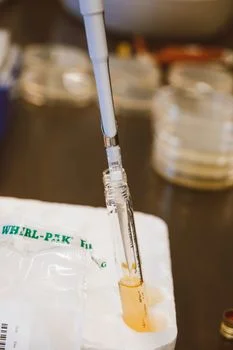
CETESB licensing for a new or upgraded industrial treatment train in São Paulo usually takes 6–12 months from first consultant engagement to operating license. Incomplete sludge plans and missing redundancy details are the most common rejection causes we see. Build the monitoring plan while the P&IDs are still flexible.
- Step 1: Preliminary Assessment (1–2 months)
Hire an environmental consultant to audit effluent, processes, and discharge points, then draft the treatment plan and expected quality. Typical costs for this stage range from BRL 20,000–100,000, depending on the complexity of the facility. - Step 2: Submit to CETESB (2–4 months)
File the application with EIA documents when discharge exceeds 100 m³/day, plus process flow diagrams, mass balance, equipment datasheets, and an effluent monitoring plan. Application fees for CETESB permits vary significantly, ranging from BRL 5,000–200,000, scaled according to the facility's flow rate and potential environmental impact. - Step 3: CETESB Inspection (1–2 months)
CETESB inspects treatment units, discharge points, sludge handling, and emergency response. Common rejection causes include inadequate sludge disposal plans, missing redundancy on critical equipment, or mismatches between drawings and site conditions. - Step 4: License Issuance (1 month)
After inspection and document approval, CETESB issues the operating license, typically valid for four years. Renewal needs updated studies where required and a continuous compliance record.
Pre-application meetings with CETESB clarify site-specific limits early. Specifying mature DAF or MBR packages with clear sludge handling often shortens review cycles. Keep laboratory records complete for the full license period.
Selection Checklist and Next Step
Plant engineers and EPC teams selecting São Paulo industrial wastewater trains should confirm five items before freezing the process design:
- Stricter of CONAMA 430/2011 vs Decree 8468/1976 limits for each parameter
- Peak FOG and TSS loads, not only average COD
- Whether the license target is discharge only or ≥30% reuse under Law 17.389/2020
- Sludge cake destination and dewatering OPEX at BRL 200–500/ton haul rates
- CETESB tier by flow (<10, 10–100, or >100 m³/day) and EIA trigger
- CAPEX band for 50–500 m³/day (DAF BRL 5–15M; MBR BRL 20–50M; UASB BRL 8–25M)
- Financing path (BNDES 6–8% p.a. and/or PROCOP for SMEs)
Who this is for: food, petrochemical, textile, brewery, and pharmaceutical plants in São Paulo State that must meet CETESB discharge limits or build reuse. Who should look elsewhere: sites needing only sanitary sewage package plants with no industrial COD or FOG load. Next step: share influent data and license targets via the request a treatment quote form so sizing can start from real COD, FOG, and flow peaks.
Frequently Asked Questions
What are the most common industrial wastewater violations in São Paulo?
CETESB’s 2023 enforcement data shows TSS above 100 mg/L as about 38% of violations, FOG above 50 mg/L as about 22%, and pH outside 5–9 as about 15%. Petrochemical and food plants appear most often because their effluent carries high solids and grease. Correcting FOG and TSS at the headworks usually removes the largest share of findings before biological stages are resized.
How much does a 100 m³/day DAF system cost in São Paulo?
CAPEX for a 100 m³/day DAF system typically ranges from BRL 8–12M. That band usually includes equipment at BRL 5–7M, civil works at BRL 2–3M, and installation at BRL 1–2M. OPEX is about BRL 0.80–1.50/m³ for energy, coagulants, labor, and sludge handling under normal food or petrochemical FOG loads.
Can treated industrial wastewater be reused in São Paulo?
Yes, reuse needs polishing beyond discharge quality, commonly MBR followed by reverse osmosis for non-potable industrial uses. A separate DAEE water-reuse authorization is required in addition to the CETESB discharge license. Law 17.389/2020 offers a 30% tax rebate when facilities reuse at least 30% of treated effluent under the stated conditions.
What is the typical lead time for a São Paulo treatment project?
Total lead time usually spans 11–22 months from first studies to commissioning. CETESB permitting takes about 6–12 months, equipment procurement 3–6 months, and installation plus commissioning 2–4 months. Delays cluster around incomplete EIA packages and inspection findings on sludge handling or equipment redundancy.
Are subsidies available for industrial wastewater projects in São Paulo?
BNDES offers low-interest loans, typically around 6–8% p.a., for industrial water infrastructure that meets program rules. São Paulo’s PROCOP program can subsidize up to 50% of qualifying environmental upgrades for small and medium facilities. Large reuse schemes have also used state funding; Aquapolo’s MBR and RO system is the best-known regional example of scaled industrial reuse financing.
Further Reading
Explore these in-depth articles on related wastewater treatment topics: