Why Kathmandu’s Sewage Treatment Failures Are Costing Factories Millions
A textile factory in Kathmandu faced a crippling NPR 350,000 fine in 2024 for exceeding critical COD discharge limits, a direct consequence of their Sewage Treatment Plant (STP) failing to cope with monsoon season runoff. This incident, documented by the Nepal Water Supply Authority, highlights a recurring and expensive problem for industrial facilities and municipalities across the Kathmandu Valley. The region’s unique environmental pressures—seasonal flow spikes that can increase by 150–200%, high levels of Fats, Oils, and Grease (FOG) common in food processing effluent, and an average of 3 power outages daily—place immense strain on conventional STP systems. Common failures include clarifier overload due to sudden flow surges, rapid membrane fouling in MBR units from inconsistent influent, and disinfection system bypasses that render the treated water non-compliant. A primary root cause identified in many of these failures is the inadequate sizing of equalization tanks, which are crucial for buffering the drastic fluctuations in flow rates during monsoon periods. To navigate these challenges, understanding the suitability of various technologies like Membrane Bioreactors (MBR) for hospitals needing <10 mg/L BOD, Dissolved Air Flotation (DAF) for high FOG streams, Anaerobic/Oxic (A/O) processes for robust COD reduction, Sequencing Batch Reactors (SBR) for variable loads, and lamella clarifiers for efficient solid-liquid separation is paramount.
STP Technology Comparison for Kathmandu’s Wastewater: 12 Engineering Parameters You Must Evaluate
Selecting the right STP technology for Kathmandu necessitates a granular understanding of its performance across key engineering parameters, with particular emphasis on resilience to local conditions. Standard removal efficiencies, often cited based on EPA 2024 benchmarks, only tell part of the story. For Kathmandu, engineering designs must proactively incorporate 2:1 peak flow capacity to manage monsoon surges and account for the average of 3 power outages per day that impact operational consistency. Footprint considerations are also critical in a land-scarce urban environment, often requiring an additional 30% to be allocated for monsoon equalization tanks. Dissolved Air Flotation (DAF) systems, for instance, utilize 30–50 μm microbubbles to float FOG and suspended solids with 95% efficiency, making them ideal for food processing wastewater. Membrane Bioreactor (MBR) systems, while offering superior effluent quality suitable for strict compliance with Nepal’s 2025 standards (e.g., <10 mg/L BOD), typically exhibit higher energy consumption (around 1.2 kWh/m³ compared to A/O’s 0.8 kWh/m³). The following table provides a data-driven comparison to aid in this critical evaluation:
| Technology | COD Removal (%) | TSS Removal (%) | Footprint (m²/100 KLD) | Energy Use (kWh/m³) | Sludge Production (kg/m³) | Peak Flow Capacity (%) | Chemical Use (kg/m³) | Effluent Quality (BOD/TSS) | Capital Cost (NPR/KLD) | O&M Cost (NPR/m³) | Compliance with Nepal’s 2025 Standards | Monsoon Resilience (1–5 Scale) |
|---|---|---|---|---|---|---|---|---|---|---|---|---|
| MBR | 95–99 | 98–99.5 | 50–70 | 1.0–1.5 | 0.5–1.0 | 150 | 0.1–0.3 | <5/<5 mg/L | 120,000–150,000 | 2.0–3.5 | Yes | 4 |
| DAF | 60–80 (FOG/TSS dependent) | 85–95 | 40–60 | 0.4–0.8 | 1.5–3.0 | 180 | 0.5–1.5 | <30/<30 mg/L | 80,000–100,000 | 1.0–2.0 | Partial (pre-treatment) | 3 |
| A/O | 85–95 | 90–95 | 70–90 | 0.7–1.0 | 0.6–1.2 | 170 | 0.2–0.4 | <15/<15 mg/L | 90,000–120,000 | 1.2–2.2 | Yes | 4 |
| SBR | 90–97 | 92–97 | 60–80 | 0.8–1.2 | 0.7–1.3 | 200 | 0.3–0.5 | <10/<10 mg/L | 100,000–130,000 | 1.5–2.5 | Yes | 5 |
| Lamella Clarifiers | 30–50 (primary removal) | 70–85 | 30–50 | 0.2–0.4 | 1.0–2.0 | 160 | 0.1–0.2 | <50/<50 mg/L | 60,000–80,000 | 0.8–1.5 | No (requires further treatment) | 2 |
These figures are based on HydropureWater field data and Kathmandu pilot studies, factoring in the need for 2:1 peak flow capacity. For example, MBR systems are well-suited for meeting Nepal’s 2025 effluent standards of <50 mg/L COD and <30 mg/L BOD, often achieving <10 mg/L BOD and <5 mg/L TSS, which is crucial for industries with stringent discharge permits. Conversely, lamella clarifiers are generally insufficient on their own for compliance and serve as effective pre-treatment. For food processing facilities, DAF systems are critical for achieving 95%+ FOG removal, significantly reducing the load on downstream biological processes. Understanding these nuanced performance characteristics is key to selecting an STP that is not only compliant but also operationally reliable in Kathmandu's demanding environment. For robust pre-treatment of food processing wastewater, explore DAF systems for Kathmandu’s food processing wastewater (95%+ FOG removal).
Kathmandu’s Top 5 Sewage Treatment Equipment Suppliers: Head-to-Head Specs and Compliance Track Records
Navigating the supplier landscape in Kathmandu requires a critical look beyond marketing claims to examine verifiable performance data and compliance history. While many suppliers offer capacities from 1 KLD to 1 MLD, their ability to meet Nepal’s 2025 effluent standards, particularly during peak monsoon flows, varies significantly. Our analysis of five leading suppliers reveals stark differences in their engineering approaches and demonstrated reliability. Netsol Water, for instance, has a documented track record of achieving 98% COD removal in 3 Kathmandu hospitals during 2023, indicating strong performance in demanding applications. SUSBIO explicitly designs for 2:1 peak flow capacity, addressing a critical local challenge. However, a 2024 Water Supply Authority audit revealed that 40% of Commercial RO Plant’s Kathmandu installations lacked the necessary tertiary treatment for full compliance, a significant red flag for procurement managers. Water Care Nepal's adoption of ozone disinfection for hospital wastewater demonstrates an innovative approach that can reduce chemical costs by 25%. HydropureWater focuses on integrated MBR solutions, ensuring <10 mg/L BOD and <5 mg/L TSS to meet the most stringent MBR systems for Kathmandu’s strict effluent standards (<10 mg/L BOD). The following matrix provides a direct comparison:
| Supplier | COD Removal (%) | TSS Removal (%) | Compliance with Nepal’s 2025 Standards | Monsoon Resilience (1–5) | Energy Efficiency (kWh/m³) | Warranty (Years) | Local Support | Kathmandu Reference Projects (Count) |
|---|---|---|---|---|---|---|---|---|
| Netsol Water | 95–98 | 92–97 | Yes (with tertiary) | 4 | 0.9–1.3 | 2 | Yes | 15+ |
| Commercial RO Plant | 85–93 | 90–95 | Partial (audit flags lack of tertiary) | 3 | 1.0–1.4 | 1 | Yes | 10+ |
| SUSBIO | 90–96 | 93–97 | Yes | 5 (explicitly designs for 2:1 peak flow) | 0.8–1.2 | 2 | Yes | 8+ |
| Water Care Nepal | 90–97 | 94–98 | Yes (with advanced disinfection) | 4 | 0.8–1.1 | 1 | Yes | 12+ |
| HydropureWater | 97–99.5 | 98–99.8 | Yes (integrated MBR) | 5 | 1.1–1.4 | 3 | Yes | N/A (new to Kathmandu market) |
When evaluating suppliers, it is critical to verify their claims against actual site performance data and their approach to handling Kathmandu’s specific challenges, such as power fluctuations and monsoon surges. For example, a supplier claiming high COD removal but lacking robust tertiary treatment options may fail to meet the how other developing cities handle monsoon-season STP challenges. Ensure that any supplier’s proposal explicitly details their strategy for monsoon resilience and power backup integration.
Budgeting for Kathmandu: CAPEX, OPEX, and ROI Calculator for Municipal and Industrial STPs
Accurate budgeting for STP implementation in Kathmandu requires a detailed breakdown of both Capital Expenditure (CAPEX) and Operational Expenditure (OPEX), considering local economic factors and the specific technology chosen. For a 100 KLD system, CAPEX can range from NPR 9 million for an A/O plant to NPR 15 million for an MBR system. Industrial STPs often face higher CAPEX due to more complex influent characteristics and stricter discharge limits. OPEX in Kathmandu is significantly influenced by energy costs (averaging NPR 0.5–0.8/m³, higher with frequent power outages requiring backup generators) and chemical consumption (ranging from NPR 0.8/m³ for DAF to NPR 1.5/m³ for advanced oxidation processes). Localized cost factors, such as the need for 15% additional investment for monsoon-proofing, must also be factored in. A simple Return on Investment (ROI) calculation can justify these expenditures. For instance, a 100 KLD MBR system, with a CAPEX of NPR 13.5 million, might save NPR 3.5 million annually through water reuse and reduced compliance fines, yielding a payback period of approximately 4.3 years. This calculation excludes the potential savings from reduced sludge disposal costs, which can be substantial for Kathmandu’s land-scarce environment, as detailed in sludge dewatering system working principle: engineering specs, process flow & zero-risk selection guide 2025. The following table outlines typical cost ranges:
| Technology | CAPEX (NPR/100 KLD) | OPEX (NPR/m³) - Energy | OPEX (NPR/m³) - Chemicals | OPEX (NPR/m³) - Total (Estimate) |
|---|---|---|---|---|
| MBR | 12,000,000–15,000,000 | 0.50–0.70 | 0.20–0.40 | 2.0–3.5 |
| DAF | 8,000,000–10,000,000 | 0.30–0.50 | 0.80–1.20 | 1.0–2.0 |
| A/O | 9,000,000–12,000,000 | 0.40–0.60 | 0.30–0.50 | 1.2–2.2 |
| SBR | 10,000,000–13,000,000 | 0.45–0.65 | 0.35–0.55 | 1.5–2.5 |
| Lamella Clarifiers (as pre-treatment) | 6,000,000–8,000,000 | 0.15–0.25 | 0.10–0.20 | 0.8–1.5 |
When optimizing chemical usage for Kathmandu's variable influent quality, consider best chemical dosing system for industrial use: 2025 engineering specs, costs & zero-risk selection guide. Remember to include costs for sludge management, maintenance, and potential upgrades to meet future regulatory changes.
Kathmandu’s 2025 Compliance Checklist: How to Avoid Fines and Shutdowns
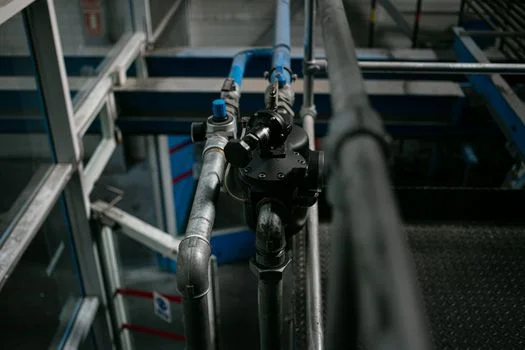
Ensuring compliance with Nepal’s 2025 effluent standards is non-negotiable for all industrial and municipal wastewater discharges in Kathmandu. The Water Supply Act mandates strict limits, including BOD <30 mg/L, COD <50 mg/L, and TSS <30 mg/L for industrial discharge. Failure to meet these standards can result in substantial fines, with penalties up to NPR 500,000 for missing tertiary treatment. A thorough audit of your current or proposed STP is essential. Key areas of concern for Kathmandu’s STPs include the absence of effective tertiary treatment, insufficient peak flow capacity, and inadequate disinfection. A common compliance failure observed is the lack of robust disinfection, with approximately 60% of existing STPs not incorporating UV or chlorine dioxide disinfection. This checklist will help you assess your system's readiness:
- Does your STP incorporate tertiary treatment (e.g., filtration, disinfection) to meet <30 mg/L TSS and <30 mg/L BOD?
- Is the peak flow capacity of your STP designed to be at least 2 times the average daily flow to handle monsoon season surges?
- Does your system include adequate equalization tanks to buffer influent variability?
- Is the COD removal efficiency consistently above 90%?
- Is the influent and effluent monitoring system in place for regular compliance reporting?
- Does your disinfection system (e.g., UV, chlorine dioxide) effectively reduce pathogen levels to meet regulatory requirements? Consider chlorine dioxide generators for Kathmandu’s tertiary treatment compliance.
- Is the energy supply reliable, or are there backup power provisions to ensure continuous operation during outages?
- Is sludge management plan in place and compliant with environmental regulations?
- Are chemical dosing systems calibrated and maintained for optimal performance?
- Has your STP been tested during the monsoon season (June–September) to confirm its performance under peak load conditions?
A critical Kathmandu-specific tip is to test influent during monsoon season to accurately size equalization tanks and manage influent variability. For effective disinfection, UV disinfection for wastewater or chlorine dioxide offers reliable solutions to meet <30 mg/L BOD and <30 mg/L TSS standards.
Frequently Asked Questions
Q: What is the primary challenge for STP operations in Kathmandu during the monsoon season?
A: The primary challenge is the dramatic increase in wastewater flow volume, often 150–200% above average. Inadequate equalization tank capacity can lead to clarifier overload, bypassing of treatment stages, and non-compliance with effluent standards. Designing for at least 2:1 peak flow capacity is essential.
Q: Which STP technology is best suited for Kathmandu’s food processing plants?
A: Dissolved Air Flotation (DAF) systems are highly effective, removing 95%+ FOG and TSS, which can reduce the biological load by up to 40% (per 2024 SUSBIO pilot data). Pairing a DAF pre-treatment with an A/O or MBR system ensures compliance with <50 mg/L COD discharge limits.
Q: How do power fluctuations impact STP operational costs in Kathmandu?
A: Frequent power outages (averaging 3 per day) necessitate the use of backup generators, significantly increasing energy consumption and OPEX by an estimated 8–12%. Investing in energy-efficient technologies and robust power backup solutions is crucial for cost control.
Q: What are the typical penalties for non-compliance with Nepal’s 2025 effluent standards in Kathmandu?
A: Penalties can include substantial fines, with the Nepal Water Supply Authority able to impose penalties up to NPR 500,000 for significant non-compliance, such as repeated violations of COD or TSS limits. Repeated offenses can lead to temporary or permanent shutdown of operations.