Display panel organic wastewater from photoresist strip, developer, and CMP loops typically carries 500–5,000 mg/L COD and 100–1,200 mg/L TOC. Plants that reuse rinse water toward ultrapure quality combine physical–chemical pretreatment, biological TOC destruction, and membrane polishing. A common train is dissolved air flotation (DAF) for solids, membrane bioreactor (MBR) for organics, reverse osmosis (RO) for final TOC cut, and brine concentration when zero liquid discharge (ZLD) is required.
Why display panel organic wastewater needs a multi-stage train
Flat-panel high-COD organic drains need multi-stage treatment because no single unit meets both discharge and recycle goals. At 500–5,000 mg/L COD, DAF typically removes 92–97% TSS and 40–60% COD in 15–30 min HRT. MBR then cuts 95–99% TOC at 4–8 h HRT and 8,000–12,000 mg/L MLSS. RO polishes toward <50 ppb TOC when SDI stays <1 at 75–90% recovery.
Pollutant load comes from four main sources: TMAH photoresist strippers, alkaline developer organics, CMP slurry with abrasives and binders, and surfactant-rich cleaners. These streams hold recalcitrant molecules that municipal activated-sludge plants do not finish. Recycled water for high-definition glass must stay very low in TOC so organic films do not form on substrates and cut yield.
Seasonal organic spikes of 30–50% in surface-water makeup require spare flux and live TOC control. Earlier summaries sometimes cited SEMI F47-0706 as the UPW TOC limit. That document is a voltage-sag immunity specification for semiconductor process equipment, not a water-quality standard (SEMI F47-0706). Buyers instead set rinse-loop TOC targets from their UPW specs—commonly below 50 ppb for flat-panel substrate loops. For developer-focused chemistry, see TMAH removal in display panel developer wastewater.
Organic pollutant characteristics and treatment challenges
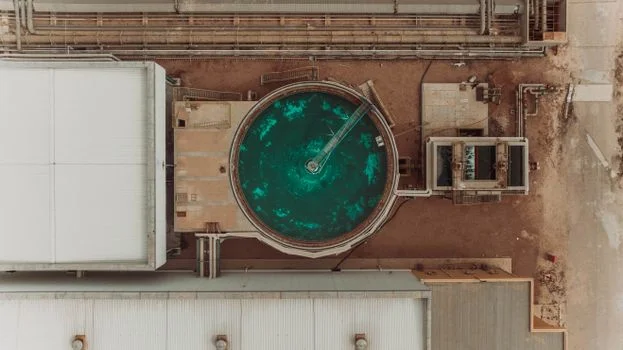
Organic pollutants in flat-panel wastewater split by molecular weight, which drives treatment choice. Low-molecular solvents such as NMP and VOCs behave differently from mid-weight surfactants and TMAH, while photoresist polymers and CMP binders resist biodegradation and foul membranes.
Biodegradability is the first design gate. TMAH is about 30–50% biodegradable under acclimated aerobic conditions, while CMP organics often stay below 10% BOD/COD. Conventional clarifier plants therefore leave high residual TOC. CMP slurry also raises membrane fouling rates 2–3 times above typical municipal feed (HydropureWater field data, 2025). TMAH aquatic LC50 values of 10–50 mg/L keep complete removal on the compliance checklist for most plants we size.
| Pollutant Category | Source Process | Biodegradability (BOD/COD) | Primary Treatment Challenge |
|---|---|---|---|
| TMAH (Quaternary Ammonium) | Photoresist Stripping | 30% - 50% | High aquatic toxicity; requires specialized acclimated bacteria. |
| CMP Slurry Organics | Glass/Film Polishing | <10% | Extreme membrane fouling; high abrasive particle content. |
| Surfactants/Cleaning Agents | Substrate Cleaning | 40% - 60% | Foaming in bioreactors; reduces oxygen transfer efficiency. |
| Photoresist Polymers | Photolithography | <15% | High molecular weight; requires advanced oxidation or MBR. |
Physical–chemical pretreatment before biology protects membranes from abrasives. Pair that step with CMP wastewater treatment and metal recovery strategies when slurry metals and particles dominate the solids load.
Treatment technology comparison: DAF vs. MBR vs. RO
Technology choice follows influent strength and the effluent TOC target. A Dissolved Air Flotation (DAF) System is the usual front end for suspended solids and emulsified organics. High-efficiency DAF on panel wastewater pretreatment typically reaches 92–97% TSS removal and 40–60% COD removal at 15–30 min HRT, which cuts solids shock to the MBR.
MBR systems for 95–99% TOC removal use 0.1–0.4 μm membranes to retain biomass and high-molecular organics. MLSS of 8,000–12,000 mg/L supports 4–8 h HRT in about 60% less footprint than clarifier trains. Final polishing RO for <50 ppb TOC usually runs 12–18 LMH flux and 75–90% recovery, but feed SDI must stay <1 or salt passage and organic fouling rise quickly.
| Technology | TOC/COD Removal Efficiency | HRT / Flux Rate | Estimated CapEx (per m³/day) | Key Advantage |
|---|---|---|---|---|
| DAF | 40–60% COD | 15–30 min HRT | $50 – $150 | Removes 97% TSS; protects membranes from CMP solids. |
| MBR | 95–99% TOC | 4–8 hours HRT | $200 – $400 | Small footprint; handles high-strength organic shocks. |
| RO | 98–99.9% TOC | 12–18 LMH Flux | $300 – $600 | Essential for meeting SEMI UPW standards (<50 ppb). |
What PAC dose removes organics before RO?
PAC dose for organic matter removal is set by jar tests on the actual strip and CMP cocktail, not by a fixed plant-wide recipe. Most plants we commission dose PAC to a residual turbidity and dissolved-TOC target ahead of DAF or media filters, then confirm SDI <1 before RO. Overdose raises sludge volume without proportional TOC gain; underdose leaves surfactants that foam the MBR and foul RO.
When nutrient limits also apply, combine the organic train with phosphorus removal strategies for display panel wastewater so chemical sludge and membrane flux stay balanced.
How do you design a panel-plant organic ZLD process?
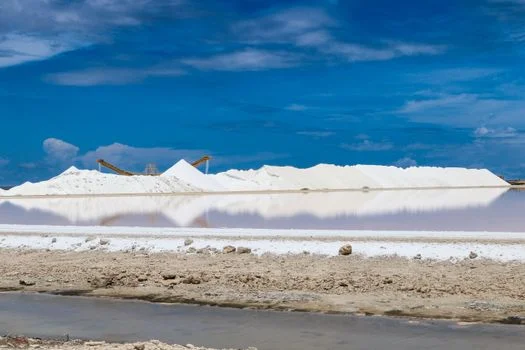
Organic ZLD process design for flat-panel plants starts with segregated collection, then DAF pretreatment, MBR biological destruction, high-recovery RO/NF, and thermal evaporation or crystallization of the residual brine. Water recovery of 85–95% is a typical engineering target when membranes stay clean and brine solids leave as cake. Fluoride-bearing etch streams should stay segregated from the organic line so recovery chemistry does not collide with TOC polishing.
CapEx for a 100–500 m³/day ZLD block in 2025 still ranges about $1.2M–$4.5M, driven by organic complexity and evaporator duty. OPEX usually sits at $0.80–$2.50 per m³ treated, split roughly as energy 40%, chemicals 25%, membrane replacement 20%, and labor 15%. Fresh-water intake cuts of up to 90% and avoided discharge permits often repay capital in 3–5 years when local water prices and permit risk are high.
| ZLD Component | Engineering Specification | Operational Role | OPEX Contribution |
|---|---|---|---|
| Pre-treatment (DAF) | <10 mg/L TSS Effluent | Removal of oils and particulates | Low (Chemicals) |
| Biological (MBR) | MLSS 8,000-12,000 mg/L | 99% biodegradation of TMAH/Solvents | Medium (Aeration Energy) |
| Polishing (RO) | <1 SDI; >99% Salt Rejection | TOC reduction to <50 ppb | Medium (Membrane/Power) |
| Evaporation | Forced Circulation / MVR | Brine concentration to solids | High (Thermal Energy) |
Selection checklist for organic ZLD on display lines covers seven items. Confirm peak COD/TOC with seasonality, TMAH and surfactant share, CMP solids and metals, buyer UPW TOC limit, brine cake disposal, MVR power cost, and spare RO trains for CIP.
How does high-recovery RO cut TOC for semiconductor rinse water?
High-recovery RO cuts TOC for semiconductor and display rinse water by rejecting residual organics after biological treatment when feed SDI stays <1 and flux is held near 12–18 LMH. Permeate TOC targets below 50 ppb are reachable at 75–90% recovery only if MBR effluent organics are already low and antiscalant/CIP programs match the salt matrix. A sudden 30% TOC rise post-RO usually flags membrane integrity loss or about 10% higher salt passage and should trigger isolation, not higher recovery.
Place TOC analyzers at raw intake, post-DAF, post-MBR, post-RO, and in the final UPW loop. Instruments in the 0–1,000 ppb range with sub-30-second response (for example 5000TOCe-class sensors) let operators catch spikes before they reach glass. A PLC-controlled chemical dosing system for TOC optimization can trim coagulant and oxidant use by 15–20% when dose follows live TOC trends instead of fixed timers, which also reduces organic fouling shocks on RO.
Who this is for and next step
This train fits flat-panel and related electronics plants with high-TOC organic drains that must meet tight discharge limits or internal UPW reuse. Municipal-only plants, or fabs whose main load is fluoride etch without organics, should size a different front end. If you are scoping a 100–500 m³/day organic line, send influent COD/TOC, peak factors, and the buyer TOC limit through our request-quote form. We will check the DAF–MBR–RO–ZLD balance against your power and sludge constraints.
Frequently Asked Questions

What TMAH removal can an MBR reach on display wastewater?
Acclimated MBR biomass typically destroys most biodegradable TMAH when MLSS stays near 8,000–12,000 mg/L and HRT is 4–8 h. Overall TOC removal of 95–99% is the design band when stripper peaks are equalized. Residual quaternary amine after biology still needs RO if rinse water must fall below 50 ppb TOC.
What CapEx should I budget for display plant ZLD?
CapEx for a 100–500 m³/day organic ZLD block commonly falls between $1.2M and $4.5M at 2025 scope, excluding major civil works. Cost swings with evaporator type, RO recovery, and whether CMP metals need separate recovery. OPEX of $0.80–$2.50 per m³ is a practical planning band when energy is the largest share.
Why is DAF required before MBR and RO?
DAF is required because CMP abrasives and emulsified organics foul membranes 2–3 times faster than municipal feed when solids are not cut first. At 15–30 min HRT, DAF can remove 92–97% TSS and 40–60% COD, protecting MBR flux and RO SDI. Skipping DAF usually shortens membrane life and raises CIP chemical use.
Which TOC limit should recycled display rinse water meet?
Buyer UPW specs—not SEMI F47—set the recycle TOC limit for glass rinse loops. Many flat-panel lines still target below 50 ppb TOC after polishing RO to limit organic films on substrates. Confirm the exact ppb limit in the fab water specification before freezing RO recovery and polishing unit size.
How should PAC be dosed for organic removal ahead of RO?
PAC should be dosed from jar tests on the real wastewater blend until residual turbidity and dissolved TOC meet the RO feed target and SDI stays <1. Fixed mg/L recipes fail when stripper or CMP recipes change between product generations. Verify dose after each chemistry change and after rainy-season organic spikes of 30–50%.