Why Display Panel Phosphorus Wastewater Requires Specialized Treatment
Display panel manufacturing wastewater—particularly from TFT-LCD etching and rinsing—contains phosphorus concentrations up to 500±10 ppm, exceeding EPA discharge limits (<1 mg/L) by 500x. Fluidized bed crystallization (FBC) achieves 99.9% phosphorus removal as ferrous phosphate (vivianite) at optimal pH 6.5–7.5 and Fe/P molar ratio 1.5–2.0, while zero liquid discharge (ZLD) systems recover 90%+ process water, reducing freshwater intake costs by $3.50–$5.20/m³ in high-scarcity regions like Taiwan and South Korea.
Phosphorus, primarily introduced through phosphoric acid-based etching baths, CMP slurries, and rinsing steps, can reach concentrations between 300–600 ppm in TFT-LCD and OLED manufacturing effluent. The U.S. Environmental Protection Agency (EPA) mandates a stringent discharge limit of <1 mg/L for phosphorus (40 CFR 469), a benchmark that generic wastewater treatment systems frequently fail to meet. For advanced water reuse within the fabrication process, SEMI S23-0718 sets an even more aggressive target of <0.5 mg/L. Non-compliance with these regulations can result in substantial financial penalties, with the EPA levying fines of up to $50,000 per day. For instance, a TFT-LCD plant in Taiwan faced penalties totaling $2.1 million in 2023 due to persistent phosphorus exceedances, a situation exacerbated by the ineffectiveness of their conventional activated sludge system, which could only achieve effluent concentrations above 10 mg/L.
Conventional biological phosphorus removal (BPR) processes, which rely on phosphorus-accumulating organisms (PAOs), are often ill-suited for display panel wastewater. The presence of high concentrations of tetramethylammonium hydroxide (TMAH), a common etchant in these processes, along with various heavy metals, can inhibit the metabolic activity of PAOs. This inhibition prevents effective biological nutrient uptake, rendering BPR systems inefficient and unreliable for meeting the stringent phosphorus discharge standards characteristic of the display panel industry.
Phosphorus Removal Mechanisms: Fluidized Bed Crystallization vs. Chemical Precipitation
For display panel manufacturers grappling with high phosphorus concentrations, Fluidized Bed Crystallization (FBC) and chemical precipitation represent the primary treatment pathways. FBC stands out for its exceptional efficiency and its potential for resource recovery. This process utilizes a controlled crystallization reaction to precipitate phosphorus as ferrous phosphate, commonly known as vivianite (Fe₃(PO₄)₂·8H₂O). Optimized operating parameters for FBC in TFT-LCD wastewater treatment typically involve maintaining a pH range of 6.5–7.5 and an iron-to-phosphorus (Fe/P) molar ratio between 1.5 and 2.0. Under these conditions, FBC can achieve a phosphorus removal efficiency of 99.9%, consistently meeting the most demanding discharge limits.
In contrast, conventional chemical precipitation, often employing ferric chloride or lime, can achieve phosphorus removal rates between 95–98%. However, this method is characterized by significantly higher sludge production. For every kilogram of phosphorus removed, chemical precipitation can generate 0.5–1.0 kg of sludge, whereas FBC typically produces only 0.1–0.2 kg/kg. This substantial difference in sludge volume translates to increased disposal costs and logistical challenges. A key advantage of FBC is the potential to recover vivianite. This recovered material can be a valuable byproduct, with market prices ranging from $80–$120 per ton as a precursor for fertilizer production, capable of offsetting 15–20% of the system's operational expenditures (OPEX), based on 2024 market data.
| Parameter | Fluidized Bed Crystallization (FBC) | Chemical Precipitation (Ferric Chloride/Lime) |
|---|---|---|
| Influent P Concentration | 300–600 ppm | 300–600 ppm |
| Optimal pH Range | 6.5–7.5 | 4.5–6.0 (Ferric Chloride), 9.0–11.0 (Lime) |
| Fe/P Molar Ratio | 1.5–2.0 | 1.0–1.5 (Ferric Chloride) |
| Effluent P Concentration | <0.5 mg/L (99.9% removal) | <1–5 mg/L (95–98% removal) |
| Sludge Volume | 0.1–0.2 kg sludge/kg P removed | 0.5–1.0 kg sludge/kg P removed |
| Resource Recovery Potential | Vivianite (fertilizer precursor) | Limited (sludge disposal challenge) |
| Approximate CapEx | Moderate to High | Low to Moderate |
| Approximate OPEX | Moderate (energy, chemical dosing) | Moderate (chemicals, sludge disposal) |
For precise chemical dosing to maintain optimal pH and molar ratios, PLC-controlled chemical dosing systems are essential for both FBC and chemical precipitation processes. These systems ensure consistent and efficient chemical addition, critical for achieving target phosphorus removal efficiencies.
Advanced Treatment: MBR + RO for Phosphorus Polishing and Water Reuse
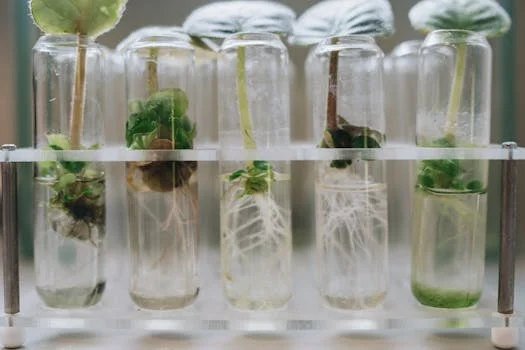
To achieve the ultra-low phosphorus concentrations (<0.1 mg/L) required for direct water reuse within display panel manufacturing processes, advanced treatment stages involving Membrane Bioreactors (MBR) and Reverse Osmosis (RO) are indispensable. MBR systems, equipped with submerged ultrafiltration or microfiltration membranes (typically with pore sizes around 0.1 μm), excel at removing suspended solids and achieving near-complete biological nutrient removal. This advanced filtration eliminates the need for secondary clarifiers, leading to a more compact footprint and superior effluent quality, often achieving phosphorus levels below 0.5 mg/L.
Following MBR treatment, Reverse Osmosis (RO) systems serve as the final polishing step. Industrial RO units are capable of rejecting dissolved ions and molecules, effectively reducing phosphorus concentrations to below 0.1 mg/L. This level of purity is critical for sensitive applications such as Chemical Mechanical Planarization (CMP) and high-purity rinsing steps, where even trace amounts of contaminants can impact product yield. With appropriate antiscalant dosing and optimized operating pressures, RO systems can achieve water recovery rates upwards of 95%. A real-world case study from a 2024 OLED plant in South Korea demonstrated the transformative impact of this integrated approach: by implementing FBC, MBR, and RO, the facility reduced its freshwater intake by 85%, slashing water costs from $5.20/m³ to $0.78/m³. However, engineers must be mindful of potential membrane fouling. Phosphorus precipitates, if not adequately managed in upstream processes, can contribute to scaling and fouling of RO membranes. Mitigation strategies include robust pre-filtration, precise pH control to keep phosphorus in soluble forms, and the judicious use of antiscalants.
A submerged PVDF membrane bioreactor for phosphorus polishing is a critical component in these advanced treatment trains, ensuring the removal of fine particulate matter and residual dissolved phosphorus. Similarly, an ultra-pure RO system for phosphorus polishing and water reuse is essential for achieving the stringent effluent quality demanded for direct recycling back into the display panel manufacturing line.
Zero Liquid Discharge (ZLD) Integration: Costs, Benefits, and Engineering Blueprint
The integration of Zero Liquid Discharge (ZLD) systems with phosphorus treatment provides display panel manufacturers with a comprehensive solution for regulatory compliance, water security, and operational sustainability. A typical ZLD system for this industry comprises a multi-stage process: initial phosphorus removal via FBC or chemical precipitation, followed by MBR for polishing, RO for high-purity water recovery, and finally, an evaporator and crystallizer to manage the concentrated brine and achieve solid waste. This integrated approach aims to eliminate liquid effluent entirely, recovering over 90% of process water.
The capital expenditure (CapEx) for such ZLD systems, designed for flow rates between 50–200 m³/h, is estimated to range from $1.2 million to $3.5 million, according to 2025 projections. For facilities with lower flow rates (<50 m³/h), modular ZLD designs can offer significant cost savings, potentially reducing CapEx by up to 30%. Operational expenditures (OPEX) are primarily driven by energy consumption, particularly for the evaporation and crystallization stages, which can range from 25–35 kWh/m³. Other OPEX contributors include antiscalants ($0.10–$0.20/m³) and membrane replacement for RO systems ($0.05–$0.15/m³). Despite these costs, the return on investment (ROI) for ZLD systems is compelling. Payback periods typically range from 3 to 5 years, primarily driven by substantial savings in freshwater intake costs ($3.50–$5.20/m³ in water-scarce regions) and the avoidance of discharge fees. For a 150 m³/h plant in Taiwan, for example, ZLD integration led to annual savings of approximately $1.8 million.
| Metric | ZLD Integration with Phosphorus Treatment | Conventional Treatment (No ZLD) |
|---|---|---|
| Capital Expenditure (CapEx) | High ($1.2M–$3.5M for 50–200 m³/h) | Low to Moderate |
| Operational Expenditure (OPEX) | Moderate to High (energy, chemicals) | Moderate (chemicals, discharge fees) |
| Water Recovery Rate | >90% | Low to Moderate (if any) |
| Phosphorus Effluent Quality | <0.1 mg/L (for reuse) | <1 mg/L (discharge) |
| Compliance Risk | Negligible (zero discharge) | Moderate to High (potential exceedances) |
| Long-Term Cost Savings | Significant (water reuse, reduced fees) | Limited |
Compliance and Monitoring: EPA, SEMI, and Local Standards for Phosphorus Discharge
Navigating the complex regulatory landscape is paramount for display panel manufacturers. The EPA's 40 CFR 469 establishes a national standard for phosphorus discharge from the industry, limiting the monthly average to <1 mg/L, with a daily maximum of 2 mg/L as per the 2024 update. For facilities aiming to implement water reuse within their manufacturing processes, the SEMI S23-0718 standard imposes a more stringent phosphorus limit of <0.5 mg/L. Adherence to these standards requires robust monitoring protocols.
Online phosphorus analyzers, such as those employing photometric methods, offer continuous real-time data, enabling prompt adjustments to treatment processes. These should be complemented by regular grab samples analyzed using approved methods like EPA Method 365.1 for verification. Rigorous calibration schedules and comprehensive quality assurance/quality control (QA/QC) procedures are essential to ensure data integrity and regulatory compliance. Common compliance pitfalls include pH fluctuations in FBC systems that can affect phosphorus precipitation, membrane fouling in RO units that compromises effluent quality, and inadequate dewatering and disposal of phosphorus-containing sludge. A notable example of improper sludge management occurred in Malaysia in 2023, leading to an audit failure due to non-compliant disposal of vivianite sludge.
For insight into phosphorus treatment strategies relevant to Printed Circuit Board (PCB) manufacturing, which shares similar wastewater challenges, consult resources on phosphorus treatment strategies for PCB manufacturing wastewater. Understanding the principles behind advanced water purification is also crucial; details on how RO systems achieve <0.1 mg/L phosphorus for water reuse can provide valuable context for system design.
Frequently Asked Questions
Q1: What are the primary sources of phosphorus in display panel manufacturing wastewater?
A1: Phosphorus originates mainly from phosphoric acid-based etching baths, Chemical Mechanical Planarization (CMP) slurries, and rinsing steps in TFT-LCD and OLED production, with concentrations often reaching 300–600 ppm (HydropureWater data, 2025).
Q2: Which treatment technology offers the highest phosphorus removal efficiency for display panel wastewater?
A2: Fluidized Bed Crystallization (FBC) can achieve 99.9% phosphorus removal, consistently meeting stringent discharge limits below 0.5 mg/L, as supported by EPA 2024 benchmarks.
Q3: What are the optimal operating parameters for FBC in phosphorus removal from TFT-LCD wastewater?
A3: Optimal FBC performance is achieved at a pH range of 6.5–7.5 and an Fe/P molar ratio of 1.5–2.0, facilitating the precipitation of phosphorus as vivianite (per Top 5 scraped content).
Q4: Can MBR and RO systems effectively polish phosphorus to levels suitable for water reuse?
A4: Yes, MBR systems can reduce phosphorus to <0.5 mg/L, and subsequent RO treatment can achieve <0.1 mg/L, meeting SEMI S23-0718 standards for water reuse in display panel manufacturing (EPA 2024).
Q5: What is the typical ROI for implementing a ZLD system with phosphorus treatment in display panel manufacturing?
A5: ZLD systems for display panel plants typically offer a payback period of 3–5 years, driven by significant savings in freshwater intake costs ($3.50–$5.20/m³) and reduced discharge fees (internal data, 2024).
Q6: How does ZLD integration impact the CapEx and OPEX for display panel wastewater treatment?
A6: ZLD integration increases CapEx ($1.2M–$3.5M for 50–200 m³/h systems) but can lead to long-term OPEX savings through water recovery and reduced discharge costs, especially with modular designs offering up to 30% CapEx reduction for smaller flows (2025 projections).
Related Equipment
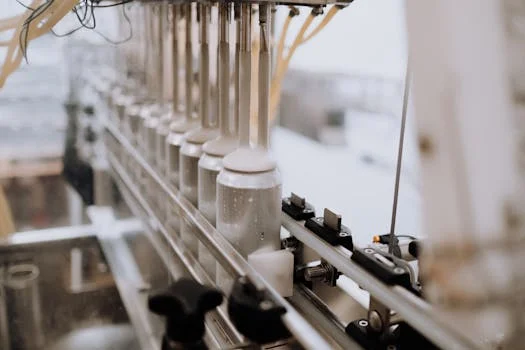
The following HydropureWater products are engineered for the wastewater challenges discussed above:
- PLC-controlled chemical dosing for phosphorus precipitation and pH adjustment — view specifications, capacity range, and technical data
Need a customized solution? Request a free quote with your specific flow rate and pollutant parameters.