Sacramento’s Industrial Wastewater Compliance: EchoWater, EPA, and Local Standards
Sacramento’s industrial wastewater treatment is defined by the $1.7B EchoWater Project, which sets tertiary treatment benchmarks of 99% ammonia removal and 89% nitrogen reduction for discharges to the Sacramento River.
Local manufacturers must comply with EPA Region 9 limits (e.g., 10 mg/L TSS, 15 mg/L BOD₅) and Sacramento County’s stricter pre-treatment standards for heavy metals (e.g., 0.1 mg/L copper for metal finishing). Cost-optimized solutions—such as dissolved air flotation (DAF) for FOG removal or MBR systems for space-constrained sites—can achieve compliance while reducing OPEX by 20–30% compared to conventional activated sludge.
The completion of the EchoWater Project in 2023 transformed the Sacramento Regional Wastewater Treatment Plant into the nation's second-largest tertiary treatment facility. For industrial facilities, this means the "bar" for discharge quality has shifted; municipal systems now require stricter pre-treatment to protect the biological processes of the new tertiary membranes. Sacramento County (Regional San) manages pre-treatment permits for over 12 Standard Industrial Classification (SIC) codes, including food processing, semiconductors, and pharmaceuticals. These permits require rigorous annual monitoring, with a critical March 1 deadline for reporting. Facilities failing to meet these benchmarks face EPA Region 9 enforcement, with 2024 data showing fines reaching $50,000 per day for persistent non-compliance.
Compliance requirements vary significantly between Sacramento County and West Sacramento. While both adhere to California Title 22 recycled water standards, West Sacramento often requires 2 NTU turbidity for agricultural irrigation, whereas Sacramento County may mandate 0.5 NTU for specific industrial reuse applications. Understanding these nuances is critical when comparing how Massachusetts’ wastewater regulations compare to Sacramento’s, as California’s focus on drought-resilient reuse drives stricter local filtration specs.
| Parameter | Sacramento County (Regional San) Limit | EPA Region 9 (Industrial Baseline) | EchoWater Tertiary Benchmark |
|---|---|---|---|
| Total Suspended Solids (TSS) | < 10 mg/L | 10 mg/L | < 2 mg/L |
| Biochemical Oxygen Demand (BOD₅) | < 15 mg/L | 15 mg/L | < 5 mg/L |
| Copper (Cu) - Metal Finishing | 0.1 mg/L | 0.5 mg/L | 0.05 mg/L (Recycled Water) |
| Ammonia (NH₃-N) | Case-by-case | N/A | 99% Removal |
| Fats, Oils, and Grease (FOG) | 50 mg/L | 100 mg/L | < 5 mg/L |
Industrial Wastewater Treatment Technologies: Matching Your Facility’s Needs to Sacramento’s Standards
Effective treatment requires selecting the right technology. Dissolved Air Flotation (DAF) systems achieve 95% removal efficiency for Fats, Oils, and Grease (FOG) at influent concentrations ranging from 50 to 500 mg/L, making them suitable for Sacramento food processing facilities.
For facilities in the fruit and vegetable processing sector, DAF systems for FOG and TSS removal in Sacramento’s food processing plants offer a compact footprint compared to large clarifiers. These systems utilize micro-bubbles to float solids to the surface, where they are mechanically skimmed, effectively reducing BOD load before the wastewater hits the municipal sewer.
For high-strength wastewater typical of the semiconductor and pharmaceutical industries, Membrane Bioreactor (MBR) technology is the preferred engineering choice. MBR systems for high-strength industrial wastewater in Sacramento’s semiconductor and pharmaceutical plants combine biological treatment with ultrafiltration, producing effluent with less than 1 mg/L TSS and 99% pathogen removal. This high-quality permeate often exceeds Sacramento’s recycled water standards, allowing for onsite reuse in cooling towers or landscape irrigation.
When dealing with specialized manufacturing, engineers should reference engineering specs for PCB heavy metal treatment in Sacramento’s electronics industry to ensure specific membrane compatibility with complex chemistries.
| Technology | Target Contaminants | Removal Efficiency | Sacramento Industry Fit |
|---|---|---|---|
| DAF | FOG, TSS, insoluble BOD | 90–95% | Food Processing, Pulp/Paper |
| MBR (Integrated) | Soluble BOD, Ammonia, Bacteria | 98–99% | Semiconductor, Pharma, Hospitals |
| Chemical Dosing | Heavy Metals, Phosphorus | 99.9% | Metal Finishing, PCB Mfg |
| Filter Press | Sludge Solids | 70–80% volume reduction | All heavy industrial sites |
Cost Breakdown: CAPEX, OPEX, and ROI for Industrial Wastewater Treatment in Sacramento
Industrial wastewater treatment CAPEX in Sacramento ranges from $500,000 for basic DAF systems to over $2.5 million for Membrane Bioreactor (MBR) systems with Zero Liquid Discharge (ZLD) capabilities. The initial investment is heavily influenced by the required effluent quality; systems designed to meet EchoWater-comparable tertiary standards typically start at $1.2 million for a 100,000 GPD flow rate.
OPEX drivers in the Sacramento region include energy (30–40%), chemicals (20–30%), and sludge disposal (15–25%). Energy costs are a particular concern for MBR systems due to aeration requirements; however, the Sacramento Municipal Utility District (SMUD) offers rebates for energy-efficient equipment, often providing up to $0.10/kWh saved.
Financing wastewater upgrades in California is supported by the State Water Resources Control Board (SWRCB) Clean Water State Revolving Fund, which offers low-interest loans for projects that improve water quality or increase reuse. For Sacramento manufacturers, combining these loans with SMUD rebates and recycled water credits (ranging from $0.50 to $1.20 per cubic meter) creates a robust financial framework for upgrading legacy systems.
| System Type | Typical CAPEX Range | Avg. OPEX ($/m³) | Payback Period |
|---|---|---|---|
| DAF + Chemical Dosing | $500K – $850K | $0.45 – $0.75 | 1.5 – 2.5 Years |
| MBR (Secondary) | $1.2M – $1.8M | $0.80 – $1.20 | 3.0 – 4.5 Years |
| MBR + ZLD (Tertiary) | $2.0M – $3.5M | $1.50 – $2.50 | 5.0+ Years |
Case Study: How a Sacramento Food Processor Achieved 95% FOG Removal with DAF + Chemical Dosing
A mid-sized Sacramento food processor faced a compliance crisis in 2023 when their effluent FOG levels reached 300 mg/L. The implemented solution featured a DAF-100 system integrated with an GX series bar screen for primary solids removal.
The results were immediate: effluent FOG dropped to 12 mg/L, well below the Sacramento County limit. By adding a plate-and-frame filter press, the facility was able to dewater the DAF skimmings on-site, reducing sludge disposal volume by 75% and saving $120,000 annually in hauling fees.
Step-by-Step Guide: Selecting the Right Wastewater Treatment System for Your Sacramento Facility
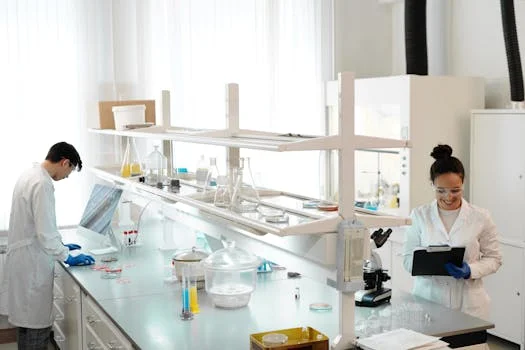
Characterizing the influent stream is the critical first step in selecting a wastewater system, requiring 24-hour composite sampling following EPA Method 160.2 for TSS.
- Map to Discharge Limits: Compare your influent data against Sacramento County’s pre-treatment permit limits. If reuse is a goal, map against EchoWater’s 0.5–2.0 NTU turbidity standards.
- Evaluate Technology Suitability: Use the technology matrix to select the core process.
- Assess Spatial and Operational Constraints: For urban Sacramento sites with limited space, underground WSZ series units or MBRs are ideal.
- Calculate Total Cost of Ownership (TCO): Factor in CAPEX, projected energy use, chemical consumption, and sludge disposal.
- Execute Pilot Testing: Conduct a 3-month pilot trial of the selected technology to validate performance under real-world Sacramento conditions.
Frequently Asked Questions
What are Sacramento’s industrial wastewater discharge limits for heavy metals?
Sacramento County enforces EPA Region 9 limits under 40 CFR Part 433.
How much does an industrial wastewater treatment system cost in Sacramento?
Typical CAPEX ranges from $500,000 for a DAF-based system to over $2.5 million for an MBR system with ZLD capabilities.
What are the penalties for non-compliance with Sacramento’s wastewater regulations?
Under 2024 EPA enforcement guidelines, fines can reach $50,000 per day per violation.
Can industrial wastewater be reused in Sacramento?
Yes, Sacramento encourages industrial reuse under Title 22 standards.
What financing options are available for wastewater treatment upgrades in Sacramento?
Manufacturers can access the SWRCB Clean Water State Revolving Fund for 0% to low-interest loans.