Gold Coast industrial facilities must treat wastewater to meet Queensland EPA discharge limits (e.g., pH 6.5–8.5, TSS ≤30 mg/L, COD ≤250 mg/L) and City of Gold Coast trade waste agreements. For high-strength effluents (e.g., food processing, metalworking), dissolved air flotation (DAF) systems achieve 90–95% TSS removal at 4–300 m³/h, while MBR systems deliver near-reuse-quality effluent (<10 mg/L BOD) for water recycling. Local compliance requires pretreatment permits, with CapEx ranging from AUD 150,000–500,000 for turnkey systems. These systems are essential for maintaining the environmental integrity of the region's waterways and ensuring long-term industrial sustainability.
Gold Coast Industrial Wastewater: Key Challenges and Regulatory Hurdles
Gold Coast’s industrial sectors, including food processing, metalworking, and tourism-related services, generate high-strength effluents with fluctuating Total Suspended Solids (TSS) of 500–3,000 mg/L and Chemical Oxygen Demand (COD) ranging from 1,000 to 10,000 mg/L. Unlike municipal waste, industrial effluent in the region often contains high concentrations of Fats, Oils, and Grease (FOG), reaching levels of 200–1,500 mg/L, which can lead to immediate trade waste agreement violations and infrastructure damage. (Source: Tanafloc and local EPA reports). Furthermore, the Gold Coast’s subtropical climate means that effluent temperatures can fluctuate between 18°C in winter and 28°C in summer, significantly affecting the kinetics of biological treatment processes and requiring temperature-compensated dosing algorithms to maintain stability.
The regulatory landscape is governed by the Queensland Environmental Protection Act 1994 and the City of Gold Coast’s Trade Waste Plan. Facilities discharging more than 50 m³/day or those carrying high pollutant loads, such as heavy metals or pathogens, are classified as high-risk and require stringent pretreatment permits. Common compliance violations in the Gold Coast region include pH excursions, which account for 40% of local fines, and FOG exceedances, representing 30% of enforcement actions (City of Gold Coast 2023 data). During seasonal tourism peaks, TSS spikes also pose a significant risk to facilities with undersized treatment infrastructure. Additionally, the region's high annual rainfall can lead to stormwater ingress in older facilities, diluting effluent but increasing total volume, which requires advanced flow balancing tanks to manage hydraulic surges and prevent system bypass events.
| Parameter | QLD EPA Discharge Limits (2024) | Typical Industrial Influent (Gold Coast) | Compliance Risk Level |
|---|---|---|---|
| pH Value | 6.5 – 8.5 | 2.0 – 12.0 | High (40% of fines) |
| TSS (mg/L) | ≤ 30 | 500 – 3,000 | Medium (Seasonal spikes) |
| COD (mg/L) | ≤ 250 | 1,000 – 10,000 | High (Process dependent) |
| BOD (mg/L) | ≤ 20 | 500 – 2,000 | Medium |
| FOG (mg/L) | ≤ 10 | 200 – 1,500 | High (30% of fines) |
Engineering Specs for Gold Coast Industrial Wastewater Treatment Systems
Engineering design for Gold Coast industrial wastewater must account for specific influent benchmarks, such as food processing effluent which typically exhibits COD levels of 3,000–8,000 mg/L and TSS of 1,000–2,500 mg/L. Metalworking facilities in the region often face heavy metal concentrations of 5–50 mg/L and extreme pH fluctuations, necessitating robust engineering specs for pH adjustment systems in industrial wastewater to prevent permit revocation. Modern systems also integrate SCADA-based monitoring to track real-time turbidity and conductivity, ensuring that any process deviation is corrected before discharge occurs.
For primary solids and FOG removal, Gold Coast-optimized DAF systems for high-TSS/FOG effluents achieve 90–95% TSS removal and 60–80% FOG removal. These systems operate at hydraulic loading rates (HLR) of 5–10 m³/m²/h. When high-purity effluent is required for water recycling—such as in cooling towers or irrigation—MBR systems for Gold Coast water reuse and compliance deliver BOD levels below 10 mg/L and TSS below 1 mg/L. For high-performance MBR systems, engineers must choose between hollow-fiber and flat-sheet membrane configurations; while hollow-fiber offers higher packing density, flat-sheet membranes are often preferred for Gold Coast industrial applications due to their lower fouling tendency and ease of manual cleaning. However, MBR systems require specific membrane scouring rates of 0.2–0.4 m³/m²/h to maintain flux and prevent biofouling (EPA 2024 MBR guidelines).
Chemical dosing is a critical component of these systems. Field data from Gold Coast treatment plants indicates that coagulants like Polyaluminum Chloride (PAC) are typically dosed at 50–300 mg/L, while flocculants such as polyacrylamide (PAM) require 1–5 mg/L for effective micro-floc formation. Sludge production rates also vary by technology: DAF systems produce 0.1–0.3 kg of dry solids per m³ of treated water, whereas MBR systems produce 0.05–0.15 kg/m³, requiring different dewatering strategies to manage disposal costs. Proper mixing energy, often measured as G-values of 700–1,000 s⁻¹ for flash mixing and 20–70 s⁻¹ for flocculation, is vital for optimizing chemical consumption.
| System Component | Engineering Specification | Expected Performance / Rate |
|---|---|---|
| DAF Hydraulic Loading | 5 – 10 m³/m²/h | 90–95% TSS Removal |
| MBR Membrane Flux | 15 – 25 L/m²/h | <1 mg/L TSS (Reuse Quality) |
| PAC Coagulant Dosing | 50 – 300 mg/L | Neutralizes particle charge |
| NaOH pH Adjustment | 0.1 – 1.0 kg/m³ | Maintains 6.5–8.5 range |
| Sludge Production (DAF) | 0.1 – 0.3 kg DS/m³ | Requires dewatering |
DAF vs. MBR vs. Chemical Dosing: Which System Fits Your Gold Coast Facility?
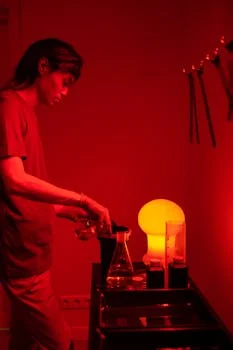
Selecting between DAF, MBR, and chemical dosing depends on the required effluent quality and available facility footprint, with DAF systems excelling in high-TSS environments like abattoirs and food processing plants. A DAF system provides a robust barrier against grease and suspended solids, with a CapEx range of AUD 150,000–300,000 for capacities between 50 and 200 m³/h. While effective, it requires consistent chemical consumption and a larger footprint than advanced biological alternatives. Facility managers should also consider that membrane replacement cycles for MBR systems typically occur every 5 to 8 years, representing a significant long-term maintenance cost compared to DAF hardware.
MBR systems represent the peak of treatment efficiency for facilities aiming for industrial water recycling. These systems have a 60% smaller footprint than conventional activated sludge plants because they replace secondary clarifiers with membrane filtration. Although the CapEx is higher—ranging from AUD 250,000–500,000—and energy costs are elevated (0.8–1.2 kWh/m³), the ability to reuse water for non-potable applications often justifies the investment. In coastal Gold Coast areas, MBR systems may require additional pretreatment if salinity exceeds 5,000 mg/L to protect membrane integrity. When choosing between these technologies, facilities must also evaluate the availability of specialized technicians in the South East Queensland region, as MBR systems require more sophisticated instrumentation support than standard DAF units.
For low-flow facilities or those with low-strength effluent, such as small-scale metalworking shops, PLC-controlled chemical dosing for Gold Coast trade waste compliance is the most cost-effective entry point. With a CapEx of AUD 50,000–150,000, these systems rely on precise chemical stoichiometry to precipitate pollutants. However, they require frequent jar testing and higher operator oversight compared to automated DAF or MBR units. Small operators should also note that manual dosing systems often lead to chemical wastage, which can increase Opex by up to 20% compared to automated alternatives.
| Feature | DAF System | MBR System | Chemical Dosing Only |
|---|---|---|---|
| Primary Use-Case | Food / FOG Removal | Water Reuse / Irrigation | Metalworking Rinse Water |
| Footprint | Moderate to Large | Compact (60% smaller) | Small |
| Effluent Quality | Trade Waste Compliant | Near-Potable / Reuse | Basic Compliance |
| Energy Demand | Low (0.2-0.4 kWh/m³) | High (0.8-1.2 kWh/m³) | Very Low |
| Resilience | High vs. Variability | Sensitive to Salinity/Toxins | Moderate |
CapEx, Opex, and ROI: Cost Breakdown for Gold Coast Industrial Wastewater Systems
Total cost of ownership for Gold Coast wastewater systems is driven by a CapEx range of AUD 150,000 to 500,000, but the long-term financial viability is determined by operational efficiencies and avoided regulatory penalties. When evaluating detailed CapEx/Opex breakdowns for industrial wastewater systems, Gold Coast managers must factor in local water utility rates, which average AUD 2.50–4.00/m³ for potable water and AUD 0.50–1.50/m³ for high-strength trade waste discharge fees. Labor costs for system operation in the Gold Coast region are estimated at 10-15% of the total annual Opex, depending on the level of automation and remote monitoring capabilities installed.
Operational expenditure (Opex) for a DAF system typically falls between AUD 0.80 and 1.50 per m³, primarily covering chemicals and sludge disposal. MBR systems have a higher Opex of AUD 1.20–2.00/m³ due to energy-intensive membrane aeration and periodic chemical cleaning (CIP). However, the ROI is accelerated by the reduction in trade waste surcharges and the potential to offset potable water purchases through recycling. For example, a Gold Coast food processor utilizing a 100 m³/h HydropureWater DAF system reported a 60% reduction in trade waste fees, saving AUD 80,000 annually and achieving a full ROI within 2.5 years (HydropureWater 2024 project data). Beyond direct costs, the ROI is bolstered by the "Gold Coast Water Strategy," which incentivizes industrial water efficiency. Facilities that demonstrate significant potable water savings through MBR recycling may be eligible for infrastructure grants or reduced utility levies from the council.
| Cost Category (2025) | DAF (50-200 m³/h) | MBR (50-200 m³/h) | Chemical Dosing (10-100 m³/h) |
|---|---|---|---|
| CapEx (AUD) | 150,000 – 300,000 | 250,000 – 500,000 | 50,000 – 150,000 |
| Opex (AUD/m³) | 0.80 – 1.50 | 1.20 – 2.00 | 0.50 – 2.00 |
| Maintenance Frequency | Monthly | Quarterly (Membrane Check) | Weekly (Dosing Calibration) |
| Typical ROI (Years) | 2.0 – 3.5 | 3.5 – 5.0 | 1.5 – 2.5 |
Local Compliance Checklist: How to Secure Gold Coast Trade Waste Approval
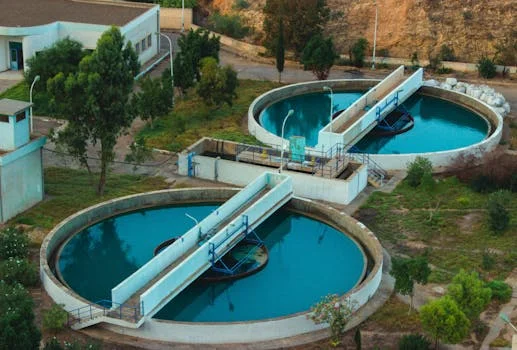
Securing trade waste approval from the City of Gold Coast requires a multi-step verification of treatment efficiency and sludge management to avoid the 30% rejection rate associated with incomplete audits. Following this structured checklist ensures that your facility meets the 2024–2025 regulatory standards and avoids fines of up to AUD 50,000 per violation.
- Step 1: Conduct a Comprehensive Wastewater Audit. Required for all discharges exceeding 50 m³/day. This must include lab-certified testing for pH, TSS, COD, BOD, FOG, and heavy metals. (City of Gold Coast 2024 guidelines).
- Step 2: Submit the Trade Waste Application. Your application must detail the engineering specs of the treatment system (e.g., DAF or MBR), hydraulic loading rates, chemical dosing protocols, and a certified sludge disposal plan.
- Step 3: Install Mandatory Monitoring Equipment. High-risk facilities must implement real-time flow meters, pH probes, and TSS sensors linked to a data logging system for Council inspection.
- Step 4: Schedule Pre-commissioning Inspection. Allow a lead time of 4–6 weeks for the City of Gold Coast to inspect the installation before full-scale operation begins.
- Step 5: Establish a Regular Maintenance and Calibration Schedule. Documentation of monthly probe calibration and quarterly system health checks is often a condition of permit renewal and must be available for audit by municipal inspectors.
Common pitfalls that lead to permit delays include missing chemical dosing data (25% of cases) and inadequate sludge disposal contracts (20% of cases). Proactive engagement with council engineers during the design phase can reduce approval times by up to 30%.
Frequently Asked Questions
What are the Queensland EPA discharge limits for industrial wastewater in Gold Coast?
The limits are pH 6.5–8.5, TSS ≤30 mg/L, COD ≤250 mg/L, BOD ≤20 mg/L, and FOG ≤10 mg/L, as per the EPA Queensland 2024 standards.
How much does a DAF system cost for a 100 m³/h Gold Coast food processing plant?
Typical CapEx ranges from AUD 200,000–250,000, with an Opex of AUD 1.00–1.50/m³ (HydropureWater 2024 pricing).
Can MBR systems handle high-salinity effluents from coastal Gold Coast facilities?
Yes, but if salinity exceeds 5,000 mg/L, pretreatment such as desalination or specialized membrane selection is required to prevent osmotic stress and fouling (EPA MBR guidelines 2024).
What are the penalties for non-compliance with Gold Coast trade waste agreements?
Fines can reach up to AUD 50,000 per violation, and persistent non-compliance may result in the revocation of discharge permits (City of Gold Coast 2023 data).
How long does it take to get trade waste approval in Gold Coast?
The process generally takes 4–12 weeks, depending on the completeness of the application and the facility's risk classification.
How does sludge management affect the overall cost of wastewater treatment in the Gold Coast?
Sludge disposal can account for 15-25% of annual Opex; utilizing dewatering equipment like screw presses can reduce sludge volume by up to 70%, drastically cutting transport and landfill fees.