How Fabric Filter Dust Collectors Capture Particulate Matter: The Engineering Process
A fabric filter dust collector, or baghouse, removes 99%+ of particulate matter from industrial gas streams by forcing contaminated air through cylindrical fabric bags, where dust forms a cake on the surface. The EPA confirms this efficiency is achieved through the combined effect of the fabric and accumulated dust layer, not the filter material alone. Key parameters include gas-to-cloth ratio (1.5–4.0 m/min), pressure drop (50–200 mm H₂O), and cleaning frequency, which varies by method (pulse jet: 0.1–0.3 Hz; reverse air: 1–2 cycles/hour).
The engineering process begins when contaminated gas enters the system, typically through a hopper or a side-inlet manifold. In a standard pulse jet configuration, the gas flows from the outside of the bag to the inside. As the gas passes through the fabric, the dust particles are trapped on the exterior surface. Conversely, in reverse air or shaker systems, the gas usually enters the inside of the bag and exits through the exterior, depositing the dust on the inner lining. This flow path is critical; the tube sheet acts as the primary structural divider and gas distributor, ensuring that the velocity remains uniform across the entire filter bank. For high-capacity systems, tube sheet hole spacing is typically optimized at 150–200 mm centers to prevent interstitial velocity spikes that can cause bag-to-bag abrasion.
Particulate capture occurs through four primary physical mechanisms defined by the EPA’s 2024 particulate capture guidelines. Particles larger than 0.5 µm are primarily collected via interception (the particle follows a gas streamline but comes within one particle radius of a fiber) and impaction (the particle's inertia causes it to leave the streamline and strike a fiber). For sub-micron particles (0.1–0.5 µm), diffusion becomes the dominant force as Brownian motion increases the likelihood of contact with the filter media. electrostatic forces can enhance capture efficiency if there is a charge differential between the dust and the fabric.
The operational lifecycle is defined by the pressure drop curve. A clean bag starts with a baseline resistance of 5–10 mm H₂O. As the dust cake builds, the resistance to flow increases. While the dust cake improves filtration efficiency, it also increases the energy required to move air through the system. Once the pressure drop reaches a predetermined setpoint—typically 100–200 mm H₂O—the cleaning cycle is triggered to dislodge the excess cake and return the system to an optimal operating range (per EPA’s 2023 baghouse design guidelines).
Fabric Filter Efficiency by Particle Size: 2025 EPA Benchmarks and Industry Data
Fabric filter efficiency for sub-micron particulate (0.1–1.0 µm) consistently exceeds 99.5% in properly maintained pulse jet systems, surpassing the performance of most electrostatic precipitators (ESPs). This high removal rate is essential for compliance with increasingly stringent PM2.5 and PM10 standards. Unlike cyclones, which rely on centrifugal force and lose effectiveness as particle mass decreases, fabric filters maintain high performance across a broad spectrum of particle sizes.
The following table outlines the expected removal efficiency based on particle size distribution (PSD), compared against the latest EPA 2025 benchmarks for industrial air quality control.
| Particle Size (µm) | Removal Efficiency (%) | EPA 2025 Benchmark (%) | Typical Industry Performance |
|---|---|---|---|
| > 10 µm (Coarse) | 99.9% + | 99.0% | Near-total capture; limited by seal integrity |
| 2.5 – 10 µm (Fine) | 99.8% | 98.5% | High efficiency via impaction/interception |
| 0.5 – 2.5 µm (Sub-micron) | 99.5% | 98.0% | Excellent performance on combustion soot |
| 0.1 – 0.5 µm (Ultrafine) | 99.0% - 99.4% | 97.5% | The "Efficiency Dip" due to diffusion transition |
The "efficiency dip" noted between 0.2 and 0.5 µm occurs because these particles are too small for effective impaction but too large for rapid diffusion. However, even at this critical size, fabric filters outperform alternative technologies. For instance, while an ESP might achieve 90–95% efficiency for 0.1–1 µm particles, a high-quality baghouse remains above 99% (per EPA’s 2024 Control Technology Center data). This makes fabric filters the preferred choice for industries requiring PCB electroplating wastewater treatment systems for 99.9% heavy metal removal where air emissions from drying processes must be tightly controlled.
Pulse Jet vs. Reverse Air vs. Shaker: Cleaning Method Comparison for Industrial Applications
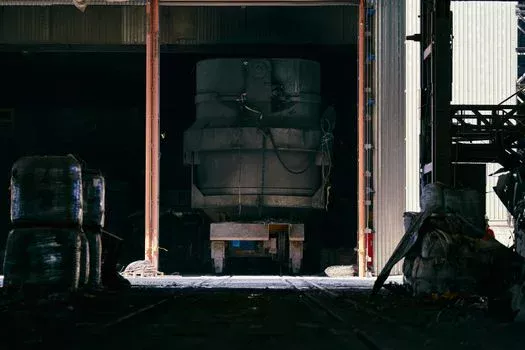
The selection of a cleaning mechanism—pulse jet, reverse air, or shaker—determines the system's maximum gas-to-cloth ratio and long-term operational expenditure (OPEX). Modern industrial facilities increasingly favor pulse jet systems due to their ability to operate continuously without the need for compartmented offline cleaning, though reverse air remains the gold standard for specific high-temperature or delicate fabric applications.
| Cleaning Method | Gas-to-Cloth Ratio (m/min) | Pressure Drop (mm H₂O) | Bag Life (Years) | Best For (Industries) |
|---|---|---|---|---|
| Pulse Jet | 3.0 – 4.0 | 50 – 150 | 2 – 4 | Cement, Steel, Chemical, Power |
| Reverse Air | 1.5 – 2.5 | 100 – 200 | 5 – 7 | Coal-fired Boilers, Incinerators |
| Shaker | 0.5 – 2.0 | 50 – 100 | 1 – 3 | Woodworking, Grain, Mining |
Pulse Jet Cleaning: In this method, a high-pressure burst of compressed air (6–7 bar) is injected into the top of the bag. This creates a shockwave that travels down the bag, causing it to expand rapidly and dislodge the dust cake. The Pulse Jet Baghouse for high-efficiency particulate removal in coal-fired boilers utilizes this technology to maintain low pressure drops even under heavy dust loads. Its primary advantage is a high gas-to-cloth ratio, which allows for a smaller physical footprint. However, the aggressive cleaning action can lead to higher bag wear if the pulse pressure is not carefully regulated.
Reverse Air Cleaning: This method uses a low-pressure fan to blow air in the opposite direction of the normal filtration flow. This causes the bags to partially collapse, cracking the dust cake so it falls into the hopper. Because it is a "gentle" cleaning method, it significantly extends bag life (up to 7 years) and is ideal for fragile materials like fiberglass. The downside is that it requires the system to be divided into compartments, with at least one compartment offline at all times for cleaning, reducing overall throughput for a given size (per EPA’s 2023 Baghouse Operation Manual).
Shaker Cleaning: This is the simplest and oldest technology, using a mechanical shaker bar to vibrate the bags. It is cost-effective for low-volume applications but is limited by its inability to clean while the system is online and the mechanical stress it places on the bag attachment points.
Fabric Material Selection: Engineering Specs for Temperature, Chemical Resistance, and Longevity
Filter media selection is governed by the gas stream's thermal and chemical profile, with materials like PTFE and PPS offering continuous operation at temperatures exceeding 190°C. Selecting the wrong material can lead to catastrophic failure through thermal degradation (melting), chemical hydrolysis (breakdown by moisture), or premature abrasion.
| Fabric Material | Max Temp (°C) | Acid Resistance | Alkali Resistance | Cost (Relative) |
|---|---|---|---|---|
| Polyester | 130°C | Fair | Poor | $ (Low) |
| Polypropylene | 90°C | Excellent | Excellent | $$ |
| PPS (Ryton) | 190°C | Excellent | Excellent | $$$ |
| PTFE (Teflon) | 260°C | Outstanding | Outstanding | $$$$$ |
| Fiberglass | 280°C | Fair-Good | Fair | $$$ |
Temperature Limits: Polyester is the industry standard for ambient or low-temperature applications (up to 130°C), such as woodworking or general manufacturing. However, for power generation or incineration, PPS or PTFE is required. PTFE is virtually inert and can withstand temperatures up to 260°C, making it the most durable but also the most expensive media ($50–$100/m²). Fiberglass is often used in high-heat environments but requires a chemical finish (like acid-resistant coating) to prevent the fibers from becoming brittle.
Chemical Resistance: In environments with high sulfur content or acidic flue gases, material choice is critical to prevent "blinding" or fiber degradation. For example, polyester degrades rapidly in alkaline environments (pH >9), whereas polypropylene remains stable. PPS is excellent for acidic conditions but is susceptible to oxidation if oxygen levels in the flue gas exceed 10% at high temperatures. For complex gas streams, an integrated FGD scrubber for combined SO₂ and particulate removal in power plants is often paired with PPS or PTFE bags to manage both chemical and particulate loads effectively.
Zero-Risk Selection Framework: How to Choose the Right Fabric Filter Dust Collector for Your Application
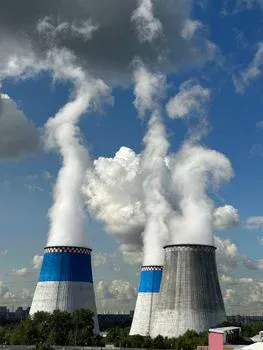
A zero-risk selection framework for industrial baghouses requires a quantitative assessment of dust characterization, gas volume, and local emission compliance thresholds. To ensure the system operates at peak efficiency with minimal downtime, engineers should follow this structured decision-making process.
- Define Dust Characteristics: Perform a laboratory analysis of the dust to determine Particle Size Distribution (PSD). Is the dust abrasive, sticky, or explosive? Use the EPA’s 2024 Dust Characterization Guide to classify the dust. For example, Group E dusts (aluminum, magnesium) require explosion-proof venting and grounded filter bags.
- Calculate Gas Volume and Temperature: Determine the Actual Cubic Feet per Minute (ACFM) at the operating temperature. Remember that gas expands with heat; a system sized for 10,000 CFM at 20°C will fail if the actual gas temperature is 150°C.
- Select Cleaning Method: Use the comparison data provided earlier. If you have high volumes of abrasive dust, a pulse jet system is likely the best choice. If you are handling delicate, sticky dust that requires long bag life, consider reverse air.
- Choose Fabric Media: Balance the CAPEX of high-end materials like PTFE against the OPEX of frequent bag changes with polyester. A common engineering rule of thumb is that PTFE adds 40% to initial costs but can reduce maintenance labor by 50% over a five-year period.
- Size the System (Gas-to-Cloth Ratio): Calculate the total filter area required: Filter Area = Gas Volume / Gas-to-Cloth Ratio. Oversizing the system by 10–15% is a standard "zero-risk" practice; it reduces the average pressure drop, lowers fan energy consumption, and provides a buffer for process upsets (per EPA’s 2023 Baghouse Sizing Guidelines).
- Verify Compliance: Cross-reference the design with local standards such as the EPA NSPS for boilers or the EU Industrial Emissions Directive 2010/75/EU. Ensure the system includes continuous emissions monitoring (CEMS) if required by your permit.
For facilities managing both liquid and air waste, understanding how DAF clarifiers remove 95%+ suspended solids using microbubble physics can provide a holistic view of plant-wide environmental compliance, as dust collection hoppers often discharge into wastewater treatment streams.
Common Failure Modes and Troubleshooting: How to Diagnose and Fix Baghouse Problems
Operational failure in fabric filters most frequently manifests as an excessive pressure drop exceeding 200 mm H₂O, often resulting from moisture-induced bag blinding or cleaning system mechanical failure. Identifying these symptoms early prevents emission spikes and costly unplanned downtime.
- Symptom: High Pressure Drop (>200 mm H₂O): This is usually caused by "blinding," where dust becomes embedded in the fabric pores. Solution: Check the compressed air supply for pulse jet systems (ensure 6–7 bar). If the dust is moist, check for leaks in the housing or insulation failure that allows the gas to drop below its dew point.
- Symptom: Visible Emissions or Opacity Spikes: This indicates a hole in a bag or a failed seal at the tube sheet. Solution: Perform a fluorescent powder leak test. Inject the powder into the inlet; the powder will accumulate around the leak point on the clean air side, visible under UV light (per EPA’s 2023 Baghouse Inspection Protocol).
- Symptom: Premature Bag Abrasion: Often seen as holes at the bottom or top of the bags. Solution: This is typically caused by high interstitial velocity. Reduce the gas-to-cloth ratio or install an inlet baffle to distribute gas more evenly and prevent direct dust impaction on the bags.
- Symptom: Condensation and Plugging: If the baghouse is not properly insulated, moisture can condense on the bags, turning dust into a "mud" that cannot be pulsed off. Solution: Increase the gas inlet temperature or improve the housing insulation. In extreme cases, use hydrophobic PTFE-coated bags to repel moisture.
Frequently Asked Questions
Q: What is the typical lifespan of fabric filter bags?
A: Bag lifespan ranges from 2–7 years. In low-temperature, non-corrosive environments, polyester bags typically last 2–3 years. In high-temperature applications like coal-fired boilers using PPS or PTFE, bags can last 5–7 years with proper cleaning cycles (per EPA’s 2024 Baghouse Maintenance Guide).
Q: How do fabric filters compare to electrostatic precipitators (ESPs)?
A: Fabric filters are more efficient at capturing fine particulate (PM2.5) and are less sensitive to changes in dust resistivity. While ESPs can handle higher temperatures (>400°C), fabric filters are generally preferred for strict compliance standards due to their 99.9% removal capability (per EPA’s 2023 Control Technology Comparison).
Q: What are the key compliance standards for fabric filter dust collectors?
A: Major standards include EPA 40 CFR Part 60 (NSPS) for boilers and OSHA’s 29 CFR 1910.1000 for workplace air quality. For explosive dust, NFPA 68 and 69 provide the mandatory design requirements for explosion venting and suppression.
Q: Can fabric filters handle explosive dusts?
A: Yes, but they must be equipped with explosion vents, spark detection/extinguishing systems, and anti-static filter media. Grounding the bags to the tube sheet is essential to prevent static discharge from igniting dust clouds.
Q: How do I calculate the gas-to-cloth ratio for my application?
A: Use the formula: Ratio = Gas Flow (m³/min) / Total Filter Area (m²). For pulse jet systems, aim for 3.0–4.0 m/min. For reverse air, aim for 1.5–2.5 m/min. Staying within these ranges ensures optimal pressure drop and bag longevity (per EPA’s 2023 Baghouse Sizing Guidelines).