In 2025, Dar es Salaam industrial buyers face a significant challenge: a 42% NEMA compliance failure rate, as reported by Q1 2024 data. This non-compliance leads to severe penalties, with fines reaching up to $120,000 for discharges containing untreated chromium or exceeding COD limits of 150 mg/L. Industrial sewage treatment equipment suppliers offer a range of solutions, from DAF units costing around $50,000 (achieving 95% TSS removal) to advanced MBR plants priced up to $2 million (delivering 99% pathogen kill). This comprehensive guide provides NEMA-aligned engineering specifications, detailed cost breakdowns by technology, and a zero-risk selection framework to precisely match sewage treatment equipment to your facility’s influent quality and budget.
Why Dar es Salaam’s Factories Are Failing NEMA Wastewater Compliance in 2025
42% of Dar es Salaam factories failed NEMA inspections in Q1 2024, according to NEMA reports, highlighting a critical compliance gap across the industrial sector. The top violations identified include Chemical Oxygen Demand (COD) exceeding 150 mg/L (38% of cases), Total Suspended Solids (TSS) above 80 mg/L (29%), and lead concentrations surpassing 0.1 mg/L (22%). This pervasive non-compliance stems from a combination of outdated infrastructure, inadequate treatment technologies, and insufficient operational oversight, placing businesses at significant financial and reputational risk.
A recent case study underscores the severe consequences of these failures: a textile factory in Ubungo was fined $120,000 and temporarily shut down for illegally discharging chromium into the Msimbazi River. Further environmental studies, such as the Kizinga River study, revealed cadmium bioaccumulation in fish at levels four times higher than WHO limits, demonstrating the broader ecological impact of untreated industrial wastewater. Such incidents highlight the urgent need for robust sewage treatment equipment supplier in Dar es Salaam to provide effective solutions.
Common technical gaps in existing facilities include a lack of effective pretreatment systems like Dissolved Air Flotation (DAF) units or bar screens, which are crucial for removing gross solids and oils. Many plants also suffer from inadequate biological treatment stages, failing to reduce COD and BOD sufficiently, whether through conventional activated sludge or advanced Membrane Bioreactor (MBR) systems. a critical omission is tertiary polishing, involving processes like chemical dosing for heavy metal precipitation or advanced filtration, which are essential for meeting stringent NEMA wastewater standards Tanzania 2025.
The financial impact of non-compliance is substantial. NEMA penalties range from $5,000 for minor administrative violations to over $120,000 for severe toxic metal discharges, often coupled with operational shutdowns that result in significant revenue losses. Investing in a compliant industrial sewage treatment system, while an initial capital expenditure, typically offers a payback period averaging 3–7 years through avoided fines, reduced environmental liabilities, and potential water reuse savings.
NEMA and TBS Effluent Standards: Engineering Specs for Dar es Salaam in 2025
NEMA 2025 effluent limits for industrial discharge mandate strict parameters, including COD below 100 mg/L, TSS under 50 mg/L, BOD less than 30 mg/L, and a pH range of 6–9. Heavy metal limits are particularly stringent, with lead capped at 0.1 mg/L and chromium at 0.5 mg/L. These limits serve as the fundamental engineering specifications for any industrial wastewater treatment plant design in Dar es Salaam, ensuring environmental protection and public health.
In addition to NEMA, the Tanzania Bureau of Standards (TBS) imposes further local requirements, particularly for treated effluent intended for discharge or reuse. These include a fecal coliform limit of less than 1,000 CFU/100mL, oil & grease concentrations below 10 mg/L, and a chlorine residual of less than 0.5 mg/L to prevent secondary pollution. Understanding these detailed engineering specs for Dar es Salaam’s compliance requirements is paramount for selecting appropriate technologies.
Sector-specific variations in influent quality dictate tailored treatment train designs. For instance, textile industries face unique challenges with color removal and high BOD, often requiring advanced oxidation or membrane filtration. Food processing facilities contend with high levels of Fats, Oils, and Greases (FOG) and organic loads, making DAF systems and robust biological treatment essential. Metalworking operations, conversely, must prioritize heavy metal precipitation and pH adjustment using precise chemical dosing systems to meet chromium and lead limits.
Compliance verification is rigorously enforced by NEMA, which conducts quarterly inspections utilizing on-site testing equipment such as portable spectrophotometers and TSS meters. Non-compliance triggers a structured escalation of penalties: a first offense typically results in a warning, a second offense incurs a substantial fine, and a third offense can lead to a fine combined with a temporary operational shutdown. Consistent monitoring and adherence to TBS effluent limits Dar es Salaam are non-negotiable for sustained industrial operations.
| Parameter | NEMA Limit (Industrial Discharge) | TBS Limit (Treated Effluent) | Relevance / Typical Industry |
|---|---|---|---|
| Chemical Oxygen Demand (COD) | <100 mg/L | <100 mg/L | Overall organic pollution; Textile, Food Processing |
| Total Suspended Solids (TSS) | <50 mg/L | <50 mg/L | Physical solids; All industries |
| Biochemical Oxygen Demand (BOD₅) | <30 mg/L | <30 mg/L | Biodegradable organic pollution; Food Processing, Pharmaceutical |
| pH | 6–9 | 6–9 | Acidity/Alkalinity; Metalworking, Chemical |
| Lead (Pb) | <0.1 mg/L | <0.1 mg/L | Heavy metal toxicity; Metal finishing, Battery manufacturing |
| Chromium (Cr) | <0.5 mg/L | <0.5 mg/L | Heavy metal toxicity; Textile dyeing, Metal plating |
| Fecal Coliform | N/A | <1,000 CFU/100mL | Pathogen indicator; All industries (if water reuse) |
| Oil & Grease | <10 mg/L | <10 mg/L | Hydrocarbon pollution; Food processing, Automotive |
| Chlorine Residual | N/A | <0.5 mg/L | Disinfection byproduct; Post-disinfection |
Sewage Treatment Equipment Options for Dar es Salaam: Technology Comparison Matrix
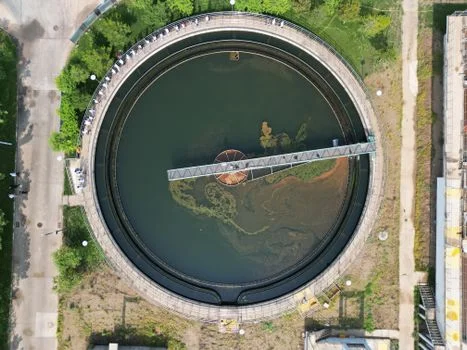
MBR systems for NEMA-compliant effluent (COD <50 mg/L) achieve near-reuse quality, but typically incur 30% higher CAPEX than conventional biological systems. Selecting the right industrial sewage treatment equipment supplier in Dar es Salaam requires a clear understanding of each technology's strengths, weaknesses, and ideal applications. The following comparison matrix details key wastewater treatment technologies relevant to Dar es Salaam's industrial sectors, providing critical data for informed decision-making.
| Technology | Key Removal Efficiency | CAPEX Range (USD) | OPEX Range (USD/m³) | Best Use Case |
|---|---|---|---|---|
| Membrane Bioreactor (MBR) | COD: 95–99%, TSS: <5 mg/L, Pathogen: >99.99% kill | $500K – $2M+ | $0.50 – $0.80 | Textile, Pharmaceutical, High-BOD wastewater, Water Reuse applications. MBR systems for NEMA-compliant effluent (COD <50 mg/L) are ideal where high-quality discharge or reuse is required. Learn how MBR systems achieve 99% pathogen removal and COD <50 mg/L. |
| Dissolved Air Flotation (DAF) | TSS: 90–95%, FOG: 80–90% | $50K – $300K | $0.20 – $0.40 | Food processing, Pulp & Paper, Pre-treatment for biological systems. DAF systems for 95% TSS and FOG removal are excellent for initial solids and oil separation. |
| WSZ Underground Package Plant | COD: 85–95%, TSS: 80–90% | $80K – $400K | $0.30 – $0.60 | Hotels, Hospitals, Factories with space constraints. WSZ series for space-constrained urban installations offer compact, automated solutions. |
| Chemical Dosing System | Heavy Metal: >95%, pH adjustment | $10K – $50K | $0.10 – $0.30 (chemical cost) | Metalworking, Specific industrial effluents requiring heavy metal precipitation (e.g., chromium, lead) or pH correction. Chemical dosing for heavy metal precipitation and pH adjustment is crucial for regulatory compliance. |
| Chlorine Dioxide Disinfection | Pathogen: >99.9% kill | $15K – $70K | $0.05 – $0.15 (chemical cost) | Final effluent polishing for discharge or reuse. ClO₂ generators for 99.9% pathogen kill in treated effluent provide effective and residual disinfection. |
MBR (Membrane Bioreactor) systems are recognized for producing exceptionally high-quality effluent, often suitable for direct water reuse in industrial facilities. They achieve COD levels typically below 50 mg/L and TSS below 10 mg/L, alongside near-complete pathogen removal. While their CAPEX can be 30% higher than conventional biological treatment, their compact footprint and superior effluent quality make them ideal for industries like textile and pharmaceutical, or any application with high-BOD wastewater and stringent discharge requirements.
DAF (Dissolved Air Flotation) units excel at removing suspended solids (90–95% efficiency) and Fats, Oils, and Greases (FOG) (80–90% efficiency). With CAPEX ranging from $50,000 to $300,000, DAF systems are a cost-effective pretreatment solution for food processing, pulp & paper industries, and as a primary clarification stage before biological treatment. Their robust design handles fluctuating influent loads effectively.
The WSZ (Underground Package Plant) series offers a highly compact solution with capacities typically ranging from 1 to 80 m³/h. These fully automated systems boast a 60% smaller footprint compared to conventional above-ground plants, making them perfect for hotels, hospitals, and industrial facilities in urban Dar es Salaam with limited land availability. They provide effective biological treatment and can be integrated with advanced polishing steps.
Chemical dosing systems are indispensable for specific industrial wastewater challenges, particularly heavy metal precipitation (e.g., chromium, lead) and precise pH adjustment. Modern chemical dosing for heavy metal precipitation and pH adjustment systems are PLC-controlled and often skid-mounted, ensuring accurate chemical addition (coagulants, flocculants, acids, bases) to meet NEMA and TBS effluent limits Dar es Salaam.
For final effluent quality, disinfection is critical. Chlorine dioxide (ClO₂) generators are a popular choice, achieving 99.9% pathogen kill with the added benefit of a residual effect that prevents regrowth in distribution. While UV disinfection offers a chemical-free alternative, ClO₂ generators often present a lower energy footprint, making them a cost-effective solution for ensuring safe discharge or reuse.
Cost Breakdown: CAPEX and OPEX for Sewage Treatment Equipment in Dar es Salaam (2025)
CAPEX for industrial sewage treatment equipment in Dar es Salaam can range from $50,000 for basic DAF units to over $2 million for advanced MBR plants, excluding civil works and permitting. Understanding the full cost implications, including both Capital Expenditure (CAPEX) and Operational Expenditure (OPEX), is crucial for procurement managers and plant engineers evaluating sewage treatment equipment supplier in Dar es Salaam. Transparent cost data enables accurate budgeting and a realistic assessment of return on investment.
| Technology | System Size (m³/h) | Estimated CAPEX Range (USD) | Estimated OPEX Range (USD/m³ Treated) | Key OPEX Drivers |
|---|---|---|---|---|
| DAF System | Small (10) | $50,000 – $100,000 | $0.20 – $0.30 | Energy (pump, compressor), Chemicals (coagulants, flocculants), Sludge disposal |
| Medium (50) | $150,000 – $250,000 | $0.25 – $0.35 | ||
| Large (200) | $250,000 – $350,000 | $0.30 – $0.40 | ||
| WSZ Underground Plant | Small (10) | $80,000 – $150,000 | $0.30 – $0.45 | Energy (aeration), Sludge disposal, Minor maintenance |
| Medium (50) | $250,000 – $400,000 | $0.40 – $0.55 | ||
| MBR System | Medium (50) | $700,000 – $1,200,000 | $0.60 – $0.75 | Energy (aeration, membrane scouring), Membrane replacement (5-7 years), Labor, Sludge disposal |
| Large (200) | $1,500,000 – $2,500,000 | $0.70 – $0.85 | ||
| Chemical Dosing (add-on) | All sizes | $10,000 – $50,000 | $0.10 – $0.30 (chemical cost) | Chemicals (e.g., NaOH, H₂SO₄, FeCl₃), Minor energy |
| ClO₂ Disinfection (add-on) | All sizes | $15,000 – $70,000 | $0.05 – $0.15 (chemical cost) | Chemicals (precursors), Energy |
CAPEX components extend beyond the equipment itself. They include civil works, such as the construction of concrete tanks, sumps, and underground installation for WSZ series plants, which can add 10-20% to the equipment cost. Electrical and instrumentation costs, including control panels and wiring, are also significant. NEMA and TBS permitting processes involve fees and compliance audits, which must be factored into the initial budget. These industrial sewage treatment costs are comparable to cost benchmarks for East African wastewater treatment projects.
OPEX components are recurring and impact long-term financial viability. Energy consumption (kWh/m³ treated) is a major factor, particularly for aeration-intensive biological systems like MBRs. Chemical costs for coagulants, flocculants, pH adjusters, and chlorine dioxide are continuous. Membrane replacement, a periodic but substantial expense for MBR systems (typically every 5–7 years), must be budgeted. Labor requirements vary; highly automated WSZ plants may require minimal operator intervention (e.g., 0 operators for routine tasks), while MBR systems usually need at least one operator per shift for monitoring and maintenance.
Hidden costs can significantly inflate the total expenditure. Annual NEMA compliance testing, including laboratory analysis and reporting, typically costs between $2,000 and $5,000. Sludge disposal, depending on its volume and hazardous nature, can range from $50 to $150 per ton. Emergency repairs, resulting from common failures like membrane fouling, pump clogging, or sensor malfunctions, can incur unexpected expenses and downtime.
Several cost-saving strategies can optimize both CAPEX and OPEX. Implementing water reuse in industrial facilities, for example, can lead to a 70% reduction in OPEX by significantly lowering freshwater consumption and discharge fees. Modular systems offer scalability, allowing facilities to expand treatment capacity as needed without large upfront investments. Partnering with local sewage treatment equipment supplier in Dar es Salaam can also result in 20–30% lower CAPEX compared to importing complex systems, due to reduced shipping, customs, and installation costs.
How to Select the Right Sewage Treatment Equipment for Your Dar es Salaam Facility
Selecting the optimal sewage treatment equipment for a Dar es Salaam facility requires a structured approach, beginning with a thorough characterization of influent wastewater quality. This systematic framework ensures that the chosen technology effectively meets NEMA wastewater standards Tanzania 2025 while optimizing both capital and operational expenditures.
Step 1: Characterize Influent Quality. Begin by conducting a comprehensive analysis of your facility's wastewater. This involves collecting representative samples and having them analyzed for key parameters such as COD, TSS, BOD, pH, heavy metals (e.g., chromium, lead), and FOG. Interpreting these lab results is critical; for instance, influent COD consistently above 1,000 mg/L typically indicates the need for advanced biological treatment like an MBR or a two-stage system combining DAF with robust biological processes.
Step 2: Match Technology to Compliance Needs. Develop a decision tree based on your influent quality and the target NEMA/TBS effluent limits. For example, if NEMA limits require COD below 100 mg/L and TSS below 50 mg/L, and your influent COD is in the range of 500–1,500 mg/L, a Membrane Bioreactor (MBR) or a combination of DAF followed by an extended aeration biological treatment system would be recommended. For heavy metal removal, dedicated chemical dosing for heavy metals is indispensable.
Step 3: Evaluate Site Constraints. Consider the physical limitations of your facility, including available footprint, power availability, and noise restrictions. For urban factories or sites with limited land, an underground sewage treatment plant like the WSZ series offers a compact solution. MBR systems also have a smaller footprint than conventional activated sludge plants, making them suitable for restricted spaces where high effluent quality is paramount. Ensure adequate power supply for energy-intensive components like aeration blowers and pumps.
Step 4: Compare Suppliers. Beyond equipment specifications, evaluate potential sewage treatment equipment supplier in Dar es Salaam based on their NEMA compliance track record, local support capabilities (e.g., 24/7 availability for emergencies), transparency in CAPEX and OPEX breakdowns, and comprehensive warranty terms (e.g., a 2-year membrane warranty for MBR systems). A reliable local partner can significantly reduce installation complexities and ensure ongoing operational efficiency.
Step 5: Calculate ROI. Quantify the financial benefits of your investment using an ROI formula: (Annual savings from avoided fines + annual savings from water reuse) / (Total CAPEX + annual OPEX). For example, avoiding a potential $120,000 fine for non-compliance and achieving $50,000 in water reuse savings annually, against a $500,000 CAPEX and $30,000 per year OPEX, results in an impressive 3.4-year payback period. This calculation provides a clear business case for investing in compliant and efficient wastewater treatment.
Frequently Asked Questions
Q: What’s the cheapest sewage treatment system that meets NEMA standards?
A: For basic compliance, DAF systems, with CAPEX ranging from $50,000 to $300,000, effectively meet TSS and FOG limits, making them suitable for food processing wastewater or as a pre-treatment stage. To meet stringent COD limits (e.g., <100 mg/L), a biological stage (like activated sludge) must be added, or consider a WSZ series underground sewage treatment plant, which costs $80,000–$400,000 and offers comprehensive treatment in a compact footprint.
Q: How much does it cost to install a sewage treatment plant in Dar es Salaam?
A: The CAPEX for a sewage treatment plant in Dar es Salaam typically ranges from $50,000 for a basic DAF unit to over $2 million for an advanced MBR system. This typically includes equipment, but an additional 10–20% should be budgeted for civil works (e.g., concrete tanks, installation) and NEMA/TBS permitting fees. OPEX averages between $0.20 and $0.80 per cubic meter of treated water, varying significantly based on the chosen technology, influent quality, and chemical requirements.
Q: Can I reuse treated sewage water in my factory?
A: Yes, water reuse in industrial facilities is increasingly viable and encouraged, provided the effluent meets specific TBS reuse standards (e.g., fecal coliform <1,000 CFU/100mL). Advanced MBR systems are particularly effective, achieving near-reuse quality with COD typically below 50 mg/L and TSS below 10 mg/L, making them suitable for non-potable applications like cooling tower makeup water, industrial process water, or irrigation.
Q: What are the penalties for non-compliance with NEMA wastewater standards?
A: Penalties for non-compliance with NEMA wastewater standards Tanzania 2025 escalate with repeated violations. A first offense usually results in a warning. A second offense typically incurs a fine ranging from $5,000 to $50,000. A third offense can lead to a substantial fine combined with a temporary operational shutdown of the facility. For severe breaches involving toxic metal discharges (e.g., chromium, lead), immediate fines up to $120,000 and legal action are common, alongside mandated remediation.
Q: Which local suppliers offer 24/7 support for sewage treatment equipment?
A: Several local partners in Dar es Salaam provide 24/7 technical support for industrial wastewater treatment equipment, including installation, commissioning, and maintenance services. HydropureWater also offers remote monitoring capabilities and collaborates with established local service providers to ensure prompt and effective support for our systems throughout Tanzania.
Further Reading
Explore these in-depth articles on related wastewater treatment topics: