What Are Aerobic and Anaerobic Wastewater Treatment?
Aerobic biological treatment relies on oxygen-transfer rates to sustain heterotrophic microorganisms that oxidize organic carbon into carbon dioxide, water, and new cellular biomass. This mechanism is the foundation of the activated sludge process, where mechanical aerators or diffusers maintain a dissolved oxygen (DO) level sufficient for rapid microbial metabolism. Because these microbes grow quickly in oxygen-rich environments, aerobic systems are highly effective at reducing biochemical oxygen demand (BOD) to very low levels, often meeting the most stringent environmental discharge standards.
Anaerobic treatment decomposes organic matter in the absence of free oxygen, utilizing a complex multi-stage process involving hydrolysis, acidogenesis, acetogenesis, and methanogenesis. Instead of producing large volumes of biomass, anaerobic digestion converts the majority of the organic load into biogas—a mixture of 60–70% methane and 30–40% carbon dioxide. This process occurs in sealed reactors, such as Upflow Anaerobic Sludge Blanket (UASB) or Expanded Granular Sludge Bed (EGSB) units, which are designed to retain slow-growing anaerobic bacteria while processing high-strength influent.
The key differentiator between the two lies in energy and byproduct management: aerobic treatment is an energy-consuming process due to the continuous need for aeration, whereas anaerobic treatment is an energy-recovering process that generates usable fuel. Additionally, aerobic systems produce a significant volume of secondary sludge that requires dewatering and disposal, whereas anaerobic systems produce minimal excess biomass, significantly lowering operational costs associated with solids handling.
How Aerobic Systems Work: Process and Performance
Aerobic biological systems typically achieve BOD removal efficiencies between 85% and 95% when treating influent with BOD concentrations in the 100–500 mg/L range, according to standard EPA benchmarks. To maintain this performance, the system must provide a stable environment where dissolved oxygen levels remain above 2.0 mg/L. This is achieved through blowers and diffusion systems that consume between 0.5 and 1.2 kWh of electricity per cubic meter of treated water, making aeration the single largest energy expense for most aerobic plants.
The sludge production rate in aerobic systems is a critical factor for procurement officers to consider. Aerobic microbes are highly efficient at converting organic matter into new cells, resulting in a yield of 0.3 to 0.6 kg of Total Suspended Solids (TSS) for every kilogram of BOD removed. This high yield necessitates robust downstream processing, often requiring a high-efficiency MBR system for advanced aerobic polishing and water reuse to separate the biomass from the treated effluent effectively. Engineers often compare MBR and conventional activated sludge systems for aerobic treatment to determine the best fit for their footprint constraints.
Aerobic treatment is the preferred choice for low- to medium-strength wastewater applications, including municipal sewage, hospital effluent, and food processing facilities that have already undergone primary clarification or anaerobic pretreatment. The process is particularly valued for its ability to facilitate nitrification—the biological conversion of ammonia to nitrate—which is a prerequisite for total nitrogen removal in sensitive watersheds.
How Anaerobic Systems Work: Efficiency and Biogas Recovery
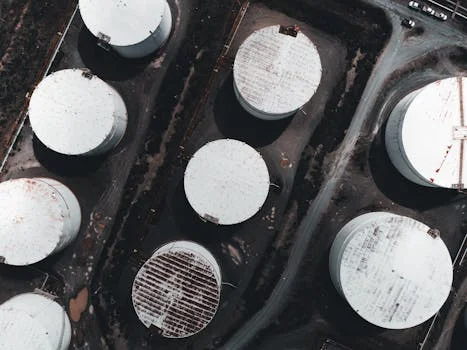
In sectors like brewing, distilling, and dairy processing, where influent COD can reach 5,000 to 30,000 mg/L, anaerobic systems achieve 70–90% COD removal with remarkably low overhead. Because the anaerobic microbes have a lower energy yield from the substrate, they produce only 0.05 to 0.1 kg of TSS per kilogram of COD removed—up to 80% less sludge than an equivalent aerobic process (HydropureWater field data, 2025).
The most significant advantage of anaerobic treatment is wastewater energy recovery. For every kilogram of COD removed, the system yields approximately 0.35 to 0.45 cubic meters of methane gas. This biogas can be scrubbed and burned in boilers for process heat or utilized in co-generation engines to produce electricity, often making the treatment plant a net energy producer. This recovery is vital for justifying the capital expenditure of high-rate reactors in energy-intensive industrial environments.
Operational stability in anaerobic systems is highly dependent on temperature and pH. Most industrial reactors operate in the mesophilic range (30–38°C), though thermophilic systems (50–55°C) are used for specific high-load applications. In colder climates, a portion of the recovered biogas is typically diverted to heat the influent, ensuring the methanogenic bacteria remain active. Because these systems are sensitive to pH fluctuations and toxic shocks, they require meticulous monitoring of volatile fatty acids (VFA) and alkalinity to prevent reactor "souring."
Head-to-Head: Aerobic vs Anaerobic Treatment Comparison
The primary operational trade-off between aerobic and anaerobic processes involves the balance of energy consumption versus sludge disposal costs.While aerobic systems offer superior effluent quality suitable for direct discharge, their operational expenditure (OPEX) is driven upward by electricity and sludge management. Conversely, anaerobic systems offer lower OPEX and energy recovery but usually require an aerobic "polishing" stage to meet strict environmental limits.
| Parameter | Aerobic Treatment | Anaerobic Treatment |
|---|---|---|
| Energy Use | 0.5 – 1.2 kWh/m³ (High) | 0.1 – 0.3 kWh/m³ (Net Positive) |
| Sludge Yield | 0.3 – 0.6 kg TSS/kg BOD | 0.05 – 0.1 kg TSS/kg COD |
| BOD/COD Removal | 90% – 95%+ | 70% – 90% |
| System Footprint | Large (unless using MBR) | Compact (High-rate reactors) |
| Startup Time | 2 – 4 Weeks | 6 – 12 Weeks |
| Nutrient Removal | Excellent (N and P) | Minimal |
| Odor Potential | Low (if aerated properly) | High (requires sealed system) |
For plants struggling with high solids volume, anaerobic systems can reduce disposal costs by up to 60% due to the lower volume and high stability of the biosolids produced. However, the slow growth rate of anaerobic archaea means that if a system is "killed" by a toxic event, recovery can take months. Aerobic systems are generally more resilient to load fluctuations and can be restarted much faster. To manage the residual solids from either process, plants often employ a plate and frame filter press to achieve high cake dryness and minimize hauling fees.
When to Choose Aerobic: Best Applications and Use Cases

If your facility is mandated to meet strict nitrogen or phosphorus limits, aerobic treatment is non-negotiable. The nitrification process—converting ammonia to nitrates—requires the oxygen-rich environment that only aerobic tanks can provide. This makes aerobic technology the cornerstone of compact A/O biological treatment system for hybrid aerobic-anaerobic processing, which is ideal for residential complexes, hotels, and small-scale industrial parks.
Choose an aerobic system when your site has a reliable power grid and limited specialized labor for managing biogas infrastructure. Aerobic processes like the activated sludge process are well-understood by most operators and are easier to automate. If the goal is water reuse for irrigation or cooling towers, an aerobic system integrated with membrane filtration (MBR) provides the necessary pathogen and turbidity reduction that anaerobic systems cannot achieve alone. Understanding how aerobic and anaerobic fit within secondary treatment stages ensures the final effluent meets the required reuse standards.
When to Choose Anaerobic: High-Strength Waste and Energy Recovery
Industrial plants in the food and beverage, pharmaceutical, and pulp and paper sectors often realize a return on investment (ROI) within 3 to 5 years by switching to anaerobic pretreatment for high-COD waste streams.When the influent COD exceeds 1,500 mg/L, the cost of the oxygen required for aerobic treatment becomes prohibitively expensive. In these scenarios, anaerobic digestion acts as a "workhorse," removing the bulk of the organic load while generating energy that can be fed back into the plant's utility grid.
Anaerobic treatment is also the logical choice for facilities where sludge disposal costs exceed $100 per ton. By reducing sludge volume by up to 80%, the system pays for itself through avoided tipping fees. However, successful anaerobic operation requires a consistent influent; therefore, these systems must integrate with chemical dosing systems to manage pH and provide essential micronutrients for the methanogenic bacteria. If your facility produces high-strength, warm wastewater, anaerobic treatment offers the most sustainable and cost-effective path to compliance.
Hybrid Systems: Combining Aerobic and Anaerobic for Optimal Results
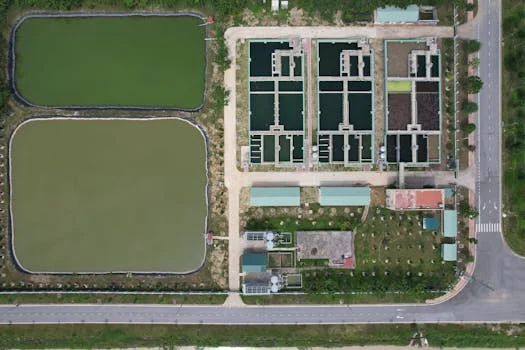
HydropureWater’s WSZ series utilizes an underground integrated design that leverages an anaerobic/anoxic zone for denitrification followed by an aerobic zone for carbon oxidation and nitrification. This hybrid approach reduces total energy consumption by up to 40% compared to a purely aerobic system by using the incoming carbon load to drive the removal of nitrates.
In high-load industrial applications, anaerobic pretreatment is frequently followed by an aerobic polishing stage. The anaerobic reactor removes 80% of the COD, and the subsequent aerobic tank—often a high-efficiency MBR system for advanced aerobic polishing and water reuse—cleans the remaining organics and nutrients to meet discharge limits. This configuration provides the best of both worlds: the energy recovery and sludge reduction of anaerobic treatment, combined with the high-quality effluent and reliability of aerobic MBR. This is the gold standard for facilities aiming for "Zero Liquid Discharge" (ZLD) or high-grade process water recycling.
Decision Framework: Which System Is Better for Your Wastewater?
Selecting the optimal biological process requires a tiered evaluation of influent characterization, discharge limits, and local utility costs.The following decision framework simplifies the selection process based on technical thresholds observed in successful industrial installations.
| If Your Condition Is... | Primary Goal | Recommended System |
|---|---|---|
| Influent COD > 1,500 mg/L | Reduce OPEX / Energy Recovery | Anaerobic Pretreatment |
| BOD < 500 mg/L (Municipal) | High Effluent Quality | Aerobic (Activated Sludge) |
| Strict Nitrogen/Ammonia Limits | Compliance | Hybrid A/O or A2O System |
| Sludge Disposal Cost > $100/ton | Minimize Waste Volume | Anaerobic |
| Limited Space / Water Reuse Target | Footprint & Clarity | MBR (Aerobic Polishing) |
| Variable "Peaky" Loads | Process Stability | Aerobic |
For most modern industrial applications, the question is not "aerobic vs anaerobic," but rather how to integrate them. A plant with high-strength waste