In 2025, Virginia wastewater treatment plant costs range from $85,000 for a 1,000 GPD package plant to $40M+ for a 5 MGD municipal facility, with DEQ permit fees adding $50K–$2M depending on project scope. Industrial buyers face $0.12/gallon sewer surcharges for high-BOD wastewater—equivalent to $876,000/year for a 20,000 GPD facility—making onsite treatment a financial imperative. This guide provides Virginia-specific cost benchmarks, effluent quality specs by technology, and a step-by-step ROI calculator to compare onsite treatment vs. sewer hookups.
Why Virginia Factories Are Ditching Sewer Hookups in 2025
Virginia’s industrial sewer surcharges for high-BOD wastewater increased by an average of 18% in 2023, reaching $0.12/gallon for influent exceeding 300 mg/L of Biochemical Oxygen Demand (BOD) (DEQ 2024 data). This escalation translates directly into substantial operational expenditures for manufacturers and processors. For a facility discharging 20,000 gallons per day of high-strength wastewater, these surcharges accumulate to an alarming $876,000 annually. This figure alone represents approximately 70% of the capital expenditure (CAPEX) for a typical $1.2 million package wastewater treatment plant, making onsite treatment a compelling financial alternative rather than a discretionary upgrade.
Beyond the direct financial burden of Virginia sewer surcharge rates 2025, infrastructure limitations further complicate reliance on municipal systems. Fairfax County, a rapidly growing region, reported in 2024 that new sewer hookup wait times can extend beyond 18 months (Fairfax County Utility Report). Such delays can halt commercial development and expansion projects, forcing businesses to seek immediate, self-sufficient wastewater solutions. Onsite wastewater treatment offers a direct pathway to operational independence and expedited project timelines.
package plants provide a significant advantage in terms of physical footprint. These compact, pre-engineered systems reduce the required land area by up to 60% compared to conventional activated sludge systems. For example, a 10,000 GPD package plant typically occupies only 240 square feet, whereas a traditional field-erected activated sludge system for the same capacity would demand at least 600 square feet. This efficiency in space utilization is critical for industrial facilities in Virginia with limited available land, allowing for greater flexibility in site planning and expansion.
Virginia DEQ Permit Costs: Fees, Timelines & Compliance Requirements
Navigating Virginia’s Department of Environmental Quality (DEQ) permitting process for new or modified wastewater treatment plants involves specific application fees ranging from $1,500 to $10,000, depending on project scope and discharge type. These fees are a foundational component of the overall project budget and are determined by factors such as flow rate, effluent quality targets, and the receiving water body classification. Beyond the application fees, comprehensive engineering studies are a mandatory requirement for new discharges exceeding 10,000 GPD, typically incurring costs between $15,000 and $50,000. These studies ensure the proposed system design meets all regulatory criteria and environmental protection standards.
To ensure long-term compliance and mitigate environmental risks, the Virginia DEQ often requires performance bonds for new wastewater treatment facilities. These bond requirements typically range from $20,000 to $100,000, serving as a financial guarantee that the facility will operate in accordance with its permit conditions. These bonds are generally refundable after two years of demonstrated consistent compliance, providing an incentive for robust system design and operation.
The approval timeline for new Virginia DEQ wastewater permit fees and associated permits can vary significantly, averaging 6 to 12 months for entirely new discharges. Modifications to existing permits generally take 3 to 6 months. This timeline includes several critical steps: a pre-application meeting with DEQ staff to discuss the project scope and preliminary requirements, submission of a detailed engineering report, a public comment period allowing community input, and finally, DEQ’s internal review and final approval. Understanding and planning for this multi-stage process is crucial for project scheduling and avoiding costly delays.
| Permit Component | Typical Cost Range (Virginia) | Notes |
|---|---|---|
| DEQ Application Fees | $1,500 – $10,000 | Varies by flow rate, discharge type, and complexity |
| Engineering Study (Design & Report) | $15,000 – $50,000 | Required for new discharges >10,000 GPD |
| Performance Bond | $20,000 – $100,000 | Refundable after 2 years of compliance |
| Legal & Consulting Fees | $5,000 – $25,000 | For permit review, public comment support |
| Total Estimated Permit Costs | $41,500 – $185,000 | Excludes potential land acquisition or major civil work |
Effluent Quality by Technology: Which System Meets Virginia’s Standards?
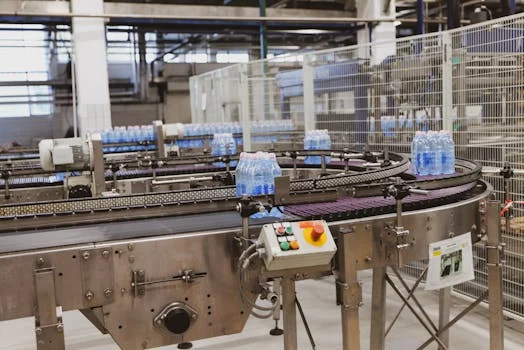
Virginia’s Department of Environmental Quality (DEQ) mandates stringent effluent discharge limits, including Total Nitrogen (TN) below 3 mg/L, Total Phosphorus (TP) below 0.3 mg/L, and Biochemical Oxygen Demand (BOD) below 10 mg/L for many industrial and municipal discharges (DEQ 2025 standards). Meeting these low nutrient limits, particularly for phosphorus, often requires advanced treatment technologies beyond conventional methods. Facilities must select systems capable of consistently achieving these benchmarks to avoid compliance violations and associated penalties.
Membrane Bioreactor (MBR) systems are highly effective at meeting Virginia’s strict TN/TP limits, consistently achieving effluent quality with TN below 2 mg/L and TP below 0.1 mg/L, with a 95% confidence level (per EPA 2024 benchmarks). MBR technology combines biological treatment with membrane filtration, providing superior solids separation and robust nutrient removal. These systems also offer a compact footprint and are ideal for water reuse applications due to their high-quality effluent. For facilities seeking to implement MBR systems for Virginia’s strict TN/TP limits, the advanced filtration ensures compliance and operational reliability.
Sequencing Batch Reactor (SBR) systems also provide effective biological treatment and can achieve TN levels below 5 mg/L and TP below 0.5 mg/L, with an 85% confidence level. While SBRs are a proven and flexible technology, they may require additional chemical polishing or specialized biological processes to consistently meet the most stringent Virginia DEQ limits for phosphorus. Conventional Activated Sludge (CAS) systems, while widely used, typically require tertiary filtration or chemical precipitation to meet the <0.3 mg/L TP limit, which can add substantial capital expenditure (CAPEX) ranging from $200,000 to $500,000 for additional equipment like sand filters or dissolved air flotation (DAF) units.
Beyond effluent quality, selecting a technology involves evaluating footprint, energy consumption, and operational and maintenance (O&M) costs. MBR systems, while providing the highest effluent quality, typically have higher energy consumption at approximately 1.2 kWh/m³ due to membrane aeration and permeate pumping. SBR systems generally operate at around 0.8 kWh/m³, offering a balance of performance and energy efficiency. Conventional Activated Sludge (CAS) systems, without tertiary filtration, have the lowest energy consumption at approximately 0.5 kWh/m³, but their inability to meet advanced nutrient limits without significant upgrades makes them less suitable for many new Virginia projects.
| Technology | Typical Effluent TN (mg/L) | Typical Effluent TP (mg/L) | Typical Effluent BOD (mg/L) | Relative Footprint | Energy Use (kWh/m³) |
|---|---|---|---|---|---|
| MBR (Membrane Bioreactor) | < 2.0 | < 0.1 | < 5.0 | Compact | 1.0 - 1.2 |
| SBR (Sequencing Batch Reactor) | < 5.0 | < 0.5 | < 10.0 | Medium | 0.7 - 0.8 |
| CAS (Conventional Activated Sludge) + Tertiary Filtration | < 10.0 | < 0.3 | < 10.0 | Large | 0.5 - 0.7 |
Virginia Wastewater Treatment Plant Costs: CAPEX, OPEX & Hidden Fees
For 2025, capital expenditures (CAPEX) for package wastewater treatment plants in Virginia range from $85,000 for a 1,000 GPD system to $2.1 million for a 50,000 GPD facility, including equipment, installation, and initial commissioning (HydropureWater 2025 data). These costs are influenced by flow rate, treatment technology, and site-specific conditions. Larger municipal wastewater treatment plant cost in Virginia USA projects, including extensive civil works and infrastructure, can range from $5 million for a 1 MGD facility to over $40 million for a 5 MGD plant, reflecting the scale and complexity of public utility construction.
Labor costs significantly impact the overall project budget in Virginia, with civil work rates typically 15% higher than the U.S. national average, estimated at $85/hour compared to $70/hour nationally. This regional differential must be factored into installation and construction budgets. Beyond initial CAPEX, understanding operational expenditures (OPEX) is crucial for long-term financial planning. A typical OPEX breakdown for wastewater treatment plants in Virginia allocates approximately 40% to energy consumption, 25% to chemical reagents, 20% to labor for operation and maintenance, and 15% to routine maintenance and spare parts.
Industrial and municipal buyers often overlook several hidden costs that can inflate the total project budget if not anticipated. Site preparation, which includes soil testing, grading, and excavation, can add $50,000 to $200,000 to the CAPEX. utility connections for power and water supply, as well as discharge piping, can incur an additional $20,000 to $100,000, depending on the distance to existing infrastructure. Accounting for these wastewater treatment hidden costs upfront is essential for accurate budgeting and avoiding unexpected expenses during project implementation.
| Cost Category | Description | Typical Range (Virginia, 2025) |
|---|---|---|
| CAPEX (Capital Expenditure) | ||
| Package Plant (1,000 GPD) | Equipment, installation, commissioning | $85,000 – $150,000 |
| Package Plant (50,000 GPD) | Equipment, installation, commissioning | $1,200,000 – $2,100,000 |
| Municipal Plant (1 MGD) | Full civil works, equipment, installation | $5,000,000 – $15,000,000 |
| Municipal Plant (5 MGD) | Full civil works, equipment, installation | $20,000,000 – $40,000,000+ |
| OPEX (Operational Expenditure) | ||
| Energy Costs | Electricity for pumps, blowers, controls | 40% of total OPEX |
| Chemical Costs | Nutrient removal, pH adjustment, disinfection | 25% of total OPEX |
| Labor Costs | Operator salaries, maintenance staff | 20% of total OPEX (Virginia labor 15% higher) |
| Maintenance & Spares | Routine servicing, parts replacement | 15% of total OPEX |
| Hidden/Ancillary Costs | ||
| Site Preparation | Soil testing, grading, excavation | $50,000 – $200,000 |
| Utility Connections | Power, water, discharge piping | $20,000 – $100,000 |
Onsite Treatment vs. Sewer Hookup: Virginia-Specific ROI Calculator
Comparing onsite wastewater treatment to municipal sewer hookups in Virginia demonstrates that annual operational savings from avoiding sewer surcharges can yield an ROI exceeding 100% within three years for many industrial facilities (HydropureWater ROI model, 2025). This financial analysis is critical for facility managers and procurement teams evaluating long-term infrastructure investments. Initial sewer hookup costs in Virginia can range from $250,000 to $1.1 million, encompassing tap fees, connection charges, and potential infrastructure upgrades required by municipal authorities.
Conversely, the capital expenditure for onsite wastewater treatment can vary significantly. Package plants designed for industrial applications typically fall between $85,000 and $2.1 million, depending on flow rate and technology. Larger municipal-scale onsite facilities can range from $5 million to over $40 million. While the initial CAPEX for onsite treatment might appear higher than a simple sewer connection, the long-term operational savings often justify the investment, especially when considering the escalating Virginia sewer surcharge rates 2025.
Annual operational expenses (OPEX) represent a key differentiator in the onsite wastewater treatment vs sewer hookup cost comparison. Onsite treatment systems typically incur annual OPEX of $50,000 to $200,000 for energy, chemicals, labor, and maintenance. In stark contrast, facilities relying on municipal sewer hookups, particularly those with high-strength wastewater, can face annual sewer surcharges ranging from $100,000 to $900,000. These surcharges are often tied to parameters like BOD, TSS, and nitrogen, which onsite treatment effectively mitigates.
The Return on Investment (ROI) for onsite wastewater treatment can be calculated using the formula: ROI = (Annual Savings × Years) / (CAPEX + Annual OPEX × Years) – 1. For instance, a facility realizing $800,000 in annual savings by avoiding sewer surcharges, with a $1.2 million CAPEX for an onsite package plant and $100,000 in annual OPEX, could achieve an ROI of approximately 120% within three years. This significant financial incentive underscores the strategic advantage of onsite solutions. To help readers input their specific data and conduct a precise analysis, we offer a downloadable Excel template for a wastewater treatment ROI calculator.
| Cost Category | Onsite Treatment (Package Plant) | Sewer Hookup (Industrial) | Notes |
|---|---|---|---|
| Initial CAPEX | $85,000 – $2.1M (for 1,000-50,000 GPD) | $250,000 – $1.1M (tap fees + upgrades) | Onsite CAPEX varies by technology and capacity |
| Annual OPEX / Surcharges | $50,000 – $200,000 (energy, chemicals, labor, maint.) | $100,000 – $900,000 (surcharges for high-BOD) | Surcharges based on flow & pollutant load |
| Example ROI (3 Years) | 120% (for $800K/yr savings, $1.2M CAPEX, $100K/yr OPEX) | N/A (no direct ROI, rather a continuous cost) | ROI calculation assumes avoided surcharge savings |
| Key Benefit | Compliance certainty, cost control, potential reuse | Simplicity, no direct O&M (for compliant discharge) | Long-term cost predictability favors onsite |
Supplier Selection Checklist: 10 Questions to Ask Before Buying
Selecting a wastewater treatment plant supplier in Virginia requires diligent evaluation of critical factors beyond initial purchase price, including DEQ design approvals, regional installation lead times, and comprehensive post-sale support. A thorough vetting process ensures the chosen system meets regulatory requirements, integrates seamlessly with existing operations, and provides reliable long-term performance. Facilities must confirm that prospective suppliers have a proven track record of successful installations within Virginia and understand the nuances of local environmental regulations.
Here are 10 essential questions to guide your supplier selection process:
- Virginia DEQ Approval: Does the supplier have pre-approved designs or a history of successful permit approvals from the Virginia DEQ for similar projects? Always request copies of past permit approval letters.
- Local Lead Times: What are the typical lead times for delivery and installation in Virginia? Local integrators often average 8–12 weeks, whereas national suppliers might require 16–24 weeks due to logistics.
- Effluent Quality Guarantees: Does the supplier guarantee compliance with Virginia’s specific discharge limits (e.g., TN < 3 mg/L, TP < 0.3 mg/L)? Ask for performance data from comparable installations.
- Disinfection Requirements: Does the system include UV disinfection or other appropriate disinfection methods? Virginia often requires 4-log virus removal for water reuse applications.
- Membrane Warranty (for MBR): What is the warranty on membrane modules for MBR systems? Reputable MBR systems should include 5-year pro-rated warranties.
- Energy Efficiency: Can the supplier provide energy consumption data (kWh/m³) for their proposed system under Virginia operating conditions?
- On-site Operator Training: Does the supplier offer comprehensive on-site operator training? Virginia DEQ requires certified operators for systems exceeding 10,000 GPD.
- Maintenance & Support: What level of ongoing maintenance and technical support is provided, and what are the response times for service calls in Virginia?
- Scalability & Flexibility: Can the system be easily expanded or modified to meet future flow rate or effluent quality changes?
- References: Can the supplier provide references from other Virginia industrial or municipal clients with similar wastewater treatment challenges?
For compact sites or specific aesthetic requirements, consider WSZ series underground package plants for Virginia’s compact sites. For facilities with stringent nutrient removal needs, exploring MBR systems for Virginia’s strict TN/TP limits is often the optimal choice.
Frequently Asked Questions
The following frequently asked questions address common concerns for Virginia buyers evaluating wastewater treatment solutions, providing direct answers optimized for clarity and search engine visibility.
Q: How much does a 50,000 GPD wastewater treatment plant cost in Virginia?
A: A 50,000 GPD package wastewater treatment plant in Virginia typically costs between $1.2 million and $2.1 million, including equipment, installation, and initial Virginia DEQ permit fees. MBR systems, offering superior effluent quality and compact footprints, are often at the higher end of this range (approximately 20% more) but consistently achieve stringent limits like TN < 2 mg/L.
Q: What are Virginia’s wastewater discharge limits for industrial facilities?
A: Virginia’s Department of Environmental Quality (DEQ) mandates specific wastewater discharge limits for industrial facilities. Key parameters include Total Nitrogen (TN) < 3 mg/L, Total Phosphorus (TP) < 0.3 mg/L, Biochemical Oxygen Demand (BOD) < 10 mg/L, and E. coli < 126 CFU/100mL (DEQ 2025 standards). These limits can vary based on the receiving water body and specific permit conditions.
Q: How long does it take to get a DEQ permit for a new wastewater treatment plant in Virginia?
A: Obtaining a new Virginia DEQ permit for a wastewater treatment plant typically takes 6 to 12 months. This timeline includes several stages, such as pre-application meetings, submission and review of detailed engineering studies, and a public comment period. Permit modifications for existing facilities generally require a shorter period, ranging from 3 to 6 months.
Q: Can I reuse treated wastewater in Virginia?
A: Yes, treated wastewater can be reused in Virginia for various non-potable applications, such as irrigation, industrial process water, or toilet flushing. However, reuse requires additional permitting from the Virginia DEQ and typically mandates advanced disinfection (e.g., UV or chlorine) to ensure public health protection. MBR systems are particularly well-suited for water reuse applications due to their ultrafiltration capabilities, producing effluent with <1 μm filtration that often exceeds reuse standards.
Q: What’s the cheapest way to treat wastewater in Virginia?
A: For wastewater flows below 10,000 GPD, a buried WSZ series package plant (with CAPEX ranging from $85,000 to $250,000) is generally the most cost-effective option in Virginia, offering a compact footprint and simplified operation. For higher flow rates, comparing Sequencing Batch Reactor (SBR) and Membrane Bioreactor (MBR) systems is crucial, balancing initial capital costs against long-term operational expenses and required effluent quality to determine the most economical solution.