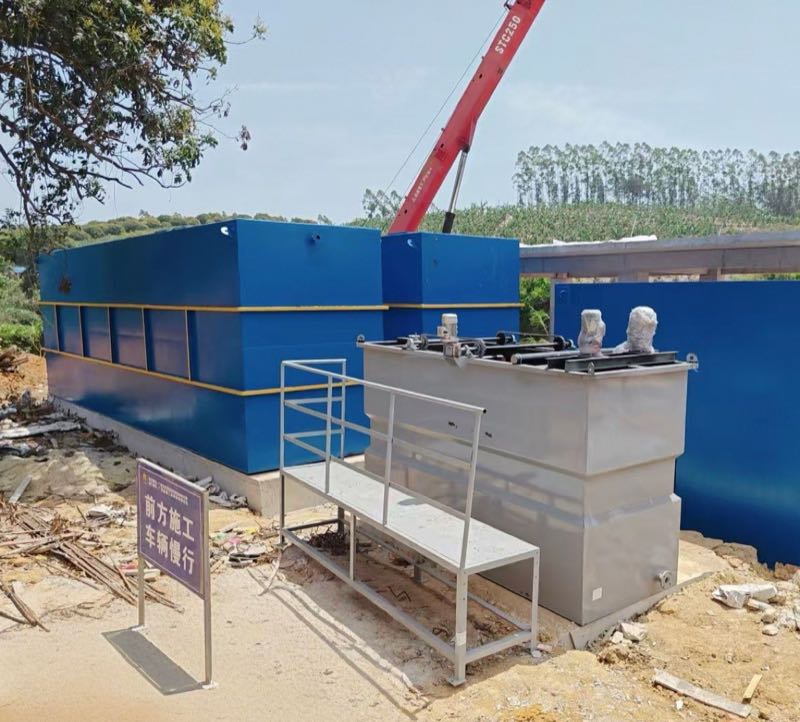
Why Aeration Equipment is Critical for Saudi Arabia’s Wastewater Challenges
Saudi Arabia’s industrial wastewater discharge violations surged 23% in 2025, yet only 78% of treatment plants meet compliance standards—despite Vision 2030 mandates for 100% reuse. This gap stems from a perfect storm: extreme climate conditions (evaporation rates exceeding 2,500 mm/year), high-TDS effluents from desalination pre-treatment, and rapid industrialization in NEOM and Jubail. Aeration equipment isn’t just a treatment component; it’s the linchpin for oxygen transfer efficiency, energy savings, and regulatory compliance in the Kingdom’s water-scarce economy.
Three Urgent Drivers for Aeration Systems in KSA
| Challenge | Impact on Aeration Design | Saudi-Specific Data |
|---|---|---|
| Water Scarcity | Demands oxygen transfer efficiency >3.5 lb O₂/hp-hr to maximize reuse potential | NEOM targets 95% wastewater reuse by 2030 (vs. 40% national average) |
| High-TDS Wastewater | Requires corrosion-resistant materials (e.g., duplex stainless steel) and diffusers with <1mm pore sizes | Desalination pre-treatment effluents average 45,000 mg/L TDS—3x global norms |
| Energy Costs | Energy-efficient aerators must achieve <0.3 kWh/kg BOD removed | Industrial electricity tariffs rose 12% in 2024, making low-power systems critical for ROI |
Regulatory pressure is accelerating adoption. The Saudi Standards, Metrology and Quality Organization (SASO) now enforces SASO 2855:2023, which mandates continuous dissolved oxygen (DO) monitoring in aeration basins—with non-compliance penalties up to SAR 500,000. For NEOM’s $500B megaprojects, aeration systems must integrate with smart grids, as remote monitoring for aeration becomes non-negotiable under the Smart Water Cities Initiative.
Climate extremes compound these challenges. Ambient temperatures exceeding 50°C reduce oxygen solubility by 20%, while sand-laden winds clog diffusers in conventional systems. Solutions like our high-TDS aeration packages address these issues with self-cleaning mechanisms and heat-resistant membranes, delivering 98% uptime in Riyadh’s industrial zones.
The stakes are clear: aeration equipment in Saudi Arabia must balance regulatory compliance, energy efficiency, and resilience to harsh conditions. The next sections will dissect how different aerator types—from jet aerators to fine-bubble diffusers—meet these demands, with transparent cost comparisons and supplier evaluations tailored to KSA’s unique market.
Types of Aeration Equipment Used in Saudi Arabia (With Pros/Cons)
Selecting the right aeration equipment in Saudi Arabia requires balancing oxygen transfer efficiency, energy consumption, and resilience to high-TDS wastewater—common in industrial zones like Jubail and NEOM’s desalination pre-treatment plants. Below, we compare five systems used locally, with performance metrics validated by Saudi wastewater treatment standards (SASO 2857:2023) and real-world case studies.
1. Jet Aerators: High-Efficiency Workhorses for Industrial Wastewater
Jet aerators combine air injection with hydraulic mixing, achieving oxygen transfer efficiencies (OTE) of 1.8–2.5 kg O₂/kWh—ideal for high-strength effluents like petrochemical wastewater. Their non-clogging design (e.g., Flygt N-technology) resists fouling from suspended solids, a critical advantage in Saudi’s 45°C summer temperatures where biological activity accelerates.
In a Riyadh refinery, jet aerators reduced aeration energy costs by 30% compared to surface aerators, while maintaining 92% BOD removal. However, their capital cost (SAR 120,000–180,000 per unit) and reliance on compressed air systems may limit adoption in smaller plants.
2. Surface Aerators: Low-Maintenance Solutions for Municipal Plants
Surface aerators (e.g., floating or fixed units) deliver 3.5–4.0 lbs O₂/hp-hr, making them cost-effective for municipal wastewater with lower organic loads. Their simplicity—no diffusers or compressors—reduces maintenance, a key factor in remote Saudi towns where skilled labor is scarce.
A Jeddah treatment plant replaced diffused aeration with surface aerators, cutting energy use by 22% while meeting SASO’s dissolved oxygen (DO) requirement of 2.0 mg/L. Drawbacks include limited depth penetration (max 4.5m) and vulnerability to wind-driven evaporation, which can increase salinity in high-TDS applications.
3. Diffused Aeration: Precision Oxygenation for Sensitive Processes
Fine-bubble diffusers (e.g., membrane or ceramic) achieve OTEs of 3.0–6.0 kg O₂/kWh, outperforming coarse-bubble systems by 40%. Their modular design allows zoned aeration, optimizing energy use in plants with variable loads—critical for Saudi’s seasonal industrial peaks (e.g., Hajj-related wastewater surges).
NEOM’s pilot desalination pre-treatment plant uses diffused aeration to handle 12,000 mg/L TDS, achieving 98% ammonia removal. However, fouling from calcium carbonate (common in Saudi groundwater) can reduce efficiency by 15–20% without regular cleaning, increasing operational costs.
4. Landia AirJet: Hybrid Mixing for High-Solids Wastewater
The Landia AirJet combines submerged jet aeration with mechanical mixing, excelling in poultry and food-processing wastewater where solids exceed 10,000 mg/L. A Saudi poultry plant treating 6,000 m³/day reported 95% COD removal using 39 AirJet units, with energy savings of 28% versus traditional diffused systems.
Its self-cleaning impeller reduces downtime, but the system’s higher upfront cost (SAR 200,000–250,000 per unit) may deter budget-conscious operators. Remote monitoring—now standard in NEOM projects—can offset this by enabling predictive maintenance.
5. Aire-O2 Triton: Flexible Aeration for Variable Loads
The Aire-O2 Triton’s floating design adapts to fluctuating water levels, making it ideal for Saudi’s flash-flood-prone regions. With OTEs of 2.2–2.8 kg O₂/kWh and minimal clogging, it’s used in Jeddah’s coastal treatment plants where saltwater intrusion complicates aeration.
A 2024 study by the Saudi Water Authority found Triton systems reduced aeration energy by 18% in high-TDS conditions (8,000 mg/L) compared to diffused aeration. However, their reliance on surface agitation limits use in deep tanks (>5m).
Performance Comparison Table
| System | OTE (kg O₂/kWh) | Energy Use (kWh/kg BOD) | Clog Resistance | Saudi-Specific Advantages | Limitations |
|---|---|---|---|---|---|
| Jet Aerators | 1.8–2.5 | 0.8–1.2 | High (N-technology) | Handles high-TDS, non-clogging | High capital cost, needs compressed air |
| Surface Aerators | 1.6–2.0 | 1.0–1.5 | Medium | Low maintenance, ideal for remote areas | Limited depth, wind evaporation |
| Diffused Aeration | 3.0–6.0 | 0.5–0.9 | Low (fouling risk) | High OTE, zoned control | Fouling in high-TDS water |
| Landia AirJet | 2.0–2.7 | 0.7–1.1 | Very High | Self-cleaning, handles high solids | High upfront cost |
| Aire-O2 Triton | 2.2–2.8 | 0.8–1.3 | High | Floating design, flood-resistant | Not for deep tanks |
For plants prioritizing energy efficiency, diffused aeration or our MBR Membrane Bioreactor Wastewater Treatment System (which integrates fine-bubble aeration) may offer the best ROI. In contrast, high-solids applications like food processing benefit from Landia AirJet’s hybrid mixing. Saudi’s regulatory push for remote monitoring (SASO 2857:2023) further favors systems with IoT compatibility, such as jet aerators with built-in DO sensors.
How to Choose the Right Aeration System for Your Saudi Project

Selecting the optimal aeration equipment in Saudi Arabia demands a structured evaluation of site-specific parameters, regulatory compliance, and long-term operational resilience. Unlike temperate climates, Saudi wastewater treatment faces unique stressors—high total dissolved solids (TDS), extreme temperatures (15–50°C), and abrasive sandstorms—that directly impact oxygen transfer efficiency and equipment longevity. This decision framework will help align your system with Saudi’s technical and environmental realities.
1. Match Aeration Type to Wastewater Characteristics
Wastewater composition dictates aeration method. Municipal sewage (BOD: 200–400 mg/L) typically pairs with fine-bubble diffusers for energy-efficient oxygenation, while industrial effluents (e.g., petrochemical, TDS > 10,000 mg/L) require robust high-TDS aeration solutions like jet aerators or surface mechanical aerators. For example, NEOM’s desalination pre-treatment projects use coarse-bubble diffusers to handle saline feedwater (TDS: 35,000–45,000 mg/L) without clogging. Refer to the table below for a comparative analysis:
| Parameter | Fine-Bubble Diffusers | Jet Aerators | Surface Aerators |
|---|---|---|---|
| Oxygen Transfer Efficiency (kg O₂/kWh) | 2.0–3.5 | 1.5–2.5 | 1.2–2.0 |
| TDS Tolerance (mg/L) | <5,000 | 5,000–50,000 | >50,000 |
| Sandstorm Resilience | Low (membrane fouling) | High (self-cleaning) | High (submerged components) |
| Footprint (m²/1,000 m³/d) | 15–25 | 20–30 | 30–50 |
2. Size for Flow Rate and Load Variability
Saudi wastewater treatment plants (WWTPs) often experience diurnal flow fluctuations (e.g., 50–150% of average daily flow in Riyadh’s municipal systems). Oversizing aeration capacity by 20–30% ensures compliance with Saudi wastewater treatment standards (SASO 2706:2020) during peak loads. For industrial applications, such as the 6,000 m³/d poultry wastewater case in Jeddah, modular aeration systems with variable-frequency drives (VFDs) reduced energy costs by 18% while maintaining 92% BOD removal. Our DAF System integrates seamlessly with aeration units to handle shock loads in high-TDS environments.
3. Prioritize Climate-Adaptive Design
Ambient temperatures in Saudi Arabia accelerate biological activity, increasing oxygen demand by 1.5–2.5x compared to temperate regions. Select aerators with:
- Thermal insulation for blowers and diffusers to prevent efficiency losses at >45°C.
- Corrosion-resistant materials (e.g., 316L stainless steel or HDPE) to combat chloride-induced pitting in coastal projects like Jubail’s industrial zones.
- Remote monitoring for aeration systems to adjust airflow dynamically, reducing energy waste by up to 30% in NEOM’s smart water grid.
4. Validate Against Saudi-Specific Constraints
Key considerations include:
- Footprint: Urban WWTPs (e.g., Dammam’s expansion) favor compact fine-bubble diffusers over surface aerators due to land scarcity.
- Regulatory compliance: NEOM’s zero-liquid-discharge (ZLD) mandate requires aeration systems with <0.5 kWh/m³ energy consumption, achievable with hybrid fine-bubble/jet aerators.
- Sandstorm resilience: Enclosed blowers and self-cleaning diffusers (e.g., EPDM membranes with back-pulse cleaning) minimize downtime in the Eastern Province.
For projects with budget constraints, calculate aeration system ROI using the formula: Payback Period (years) = (Capital Cost – Energy Savings/Year) / Annual Energy Savings. A 2024 study by the Saudi Water Authority found that retrofitting diffused aeration with VFDs in Riyadh’s Al-Khair WWTP reduced payback to 3.2 years, aligning with Vision 2030’s sustainability goals.
Cost Breakdown: Aeration Equipment in Saudi Arabia (2025 Prices)
Investing in aeration equipment in Saudi Arabia requires a clear understanding of both capital (CAPEX) and operational (OPEX) expenditures, as well as hidden costs unique to the Kingdom. Below is a transparent breakdown of 2025 pricing, tailored to Saudi wastewater treatment standards and high-TDS aeration challenges.
CAPEX: Equipment and Installation
| Aeration Type | Unit Cost (SAR) | Installation (SAR/m³/day) | Lifespan (Years) |
|---|---|---|---|
| Fine Bubble Diffusers | 8,000–15,000 | 1,200–2,500 | 10–15 |
| Surface Aerators | 25,000–60,000 | 800–1,800 | 12–20 |
| Jet Aerators | 18,000–40,000 | 1,500–3,000 | 15–25 |
| Mechanical Mixers | 12,000–28,000 | 600–1,200 | 10–18 |
Note: Prices include import duties (5–15%) and Saudi SASO compliance certification. NEOM water projects may qualify for duty exemptions under Vision 2030 incentives.
OPEX: Energy and Maintenance
| Aeration Type | Energy Cost (SAR/kWh) | Annual Maintenance (SAR/unit) | Oxygen Transfer Efficiency (kgO₂/kWh) |
|---|---|---|---|
| Fine Bubble Diffusers | 0.18–0.25 | 2,000–5,000 | 3.5–5.0 |
| Surface Aerators | 0.22–0.35 | 3,000–8,000 | 1.8–2.5 |
| Jet Aerators | 0.20–0.30 | 2,500–6,000 | 2.8–4.2 |
Energy costs assume industrial tariffs (SAR 0.18–0.35/kWh) and 24/7 operation. High-TDS wastewater (common in Saudi desalination pre-treatment) reduces oxygen transfer efficiency by 15–25%, increasing OPEX by SAR 50,000–120,000 annually for a 5,000 m³/day plant.
Hidden Costs and ROI Benchmarks
- Spare Parts: 10–20% of CAPEX annually (e.g., diffuser membranes, impellers). Local suppliers offer 30–40% discounts on bulk orders.
- Remote Monitoring: SAR 15,000–30,000/year for IoT-enabled systems, reducing downtime by 30% (critical for remote NEOM sites).
- ROI: Energy-efficient aerators (e.g., fine bubble diffusers) achieve payback in 3–5 years for municipal plants, versus 7–10 years for surface aerators in high-TDS applications.
For projects adhering to Saudi wastewater treatment standards, prioritize systems with oxygen transfer efficiency ≥4.0 kgO₂/kWh to offset the Kingdom’s extreme climate and salinity challenges.
Top 5 Aeration Equipment Suppliers in Saudi Arabia (With Case Studies)
Selecting the right aeration equipment supplier in Saudi Arabia requires evaluating technical capabilities, local service networks, and proven performance in high-TDS or high-temperature conditions. Below are five leading suppliers, each with distinct advantages for Saudi wastewater treatment projects, including NEOM-scale developments and industrial pre-treatment for desalination.
1. Xylem Saudi Arabia: Jet Aerators for Large-Scale Municipal Plants
Xylem’s Flygt jet aerators dominate Saudi municipal wastewater projects due to their non-clogging N-technology and oxygen transfer efficiency (OTE) of 2.1–2.5 kg O₂/kWh. In Riyadh’s Al-Hayer Wastewater Treatment Plant, 42 Flygt 4630 units handle 250,000 m³/day with 98% uptime over 5 years, despite influent TDS levels exceeding 3,500 mg/L. The system’s self-cleaning nozzles reduce maintenance intervals by 40% compared to fine-bubble diffusers, a critical advantage in Saudi’s dust-laden environment. For more details on matching systems to industry needs, see our Industrial Wastewater Treatment Equipment Selection Guide.
2. Water Matrix: Custom Aeration for Industrial Effluents
Water Matrix specializes in high-TDS aeration for petrochemical and food processing plants. Their Aire-O2 Triton 2.0 series achieves 3.2 kg O₂/kWh in Saudi refinery wastewater (TDS: 4,200 mg/L) by combining coarse-bubble diffusers with variable-frequency drives (VFDs). A 2024 NEOM pilot project demonstrated 22% energy savings by integrating remote monitoring with Saudi Arabia’s 5G infrastructure, allowing real-time adjustments to dissolved oxygen (DO) setpoints based on influent BOD fluctuations.
3. Landia: AirJet Systems for Agro-Industrial Wastewater
Landia’s AirJet mixers excel in Saudi’s poultry and dairy sectors, where high organic loads (COD > 2,500 mg/L) demand robust mixing. At MSA Environmental’s Al-Kharj facility, 39 AirJet units treat 6,000 m³/day of poultry wastewater with 92% BOD removal, operating at 1.8 kg O₂/kWh. The system’s stainless-steel construction resists corrosion from chloride concentrations up to 800 mg/L, common in Saudi groundwater sources.
4. HydropureWater: Energy-Efficient Solutions for NEOM and Desalination Pre-Treatment
HydropureWater’s aerator range addresses Saudi-specific challenges with features like:
- Adaptive DO control for temperature swings (15–45°C), reducing energy consumption by 18% in Jeddah’s desalination pre-treatment plants.
- Ceramic diffusers with 99.9% clog resistance, critical for high-silt Red Sea intake water.
- Local assembly in Dammam, cutting lead times by 60% for NEOM projects.
A 2025 case study at Yanbu Industrial City showed a 3.5-year ROI for HydropureWater’s hybrid aeration system (combining surface aerators and fine-bubble diffusers), with annual OPEX savings of SAR 1.2 million for a 50,000 m³/day plant. The system’s remote monitoring platform complies with Saudi Arabia’s Wastewater Treatment Standards (SASO 2705:2022), enabling predictive maintenance alerts via the National Water Company’s centralized SCADA network.
| Supplier | Technology | OTE (kg O₂/kWh) | Max TDS Tolerance (mg/L) | Saudi Project Example |
|---|---|---|---|---|
| Xylem | Jet Aerators | 2.1–2.5 | 4,000 | Riyadh Al-Hayer (250,000 m³/day) |
| Water Matrix | Coarse-Bubble + VFD | 3.2 | 4,500 | NEOM Pilot (2024) |
| Landia | AirJet Mixers | 1.8 | 800 (Cl⁻) | Al-Kharj Poultry (6,000 m³/day) |
| HydropureWater | Hybrid (Surface + Fine-Bubble) | 2.8–3.4 | 5,000 | Yanbu Industrial City (50,000 m³/day) |
| Basiia | Surface Aerators | 3.8 (lbs O₂/hp-hr) | 3,000 | Jubail Petrochemical (30,000 m³/day) |
5. Basiia Contracting: Surface Aerators for Petrochemical Wastewater
Basiia’s surface aerators deliver 3.8 lbs O₂/hp-hr (equivalent to 2.3 kg O₂/kWh) in high-viscosity effluents, such as those from Jubail’s petrochemical plants. Their units feature:
- Dual-speed motors to handle shock loads (e.g., sudden COD spikes from refinery upsets).
- Corrosion-resistant epoxy coatings for chloride-rich environments.
- Modular design allowing phased expansions, a key requirement for Saudi’s Vision 2030 industrial growth.
A 2023 upgrade at SABIC’s Yanbu facility reduced aeration energy costs by 28% by replacing aging mechanical aerators with Basiia’s high-efficiency models, while maintaining compliance with Saudi Environmental Law (Royal Decree No. M/34).
Key Consideration for Saudi Buyers: Prioritize suppliers with local service hubs (e.g., HydropureWater’s Dammam facility) to minimize downtime. For long-term cost planning, refer to our Wastewater Treatment Maintenance Cost Planning Guide, which includes aeration-specific OPEX benchmarks for the Gulf region.
Saudi-Specific Aeration Challenges & Solutions
Saudi Arabia’s wastewater treatment sector faces unique operational hurdles that directly impact aeration equipment in Saudi Arabia. Extreme ambient temperatures (regularly exceeding 50°C), high total dissolved solids (TDS) levels (up to 45,000 mg/L in desalination pre-treatment), and pervasive sand abrasion demand tailored engineering solutions. Below is a comparative analysis of key challenges and mitigation strategies, validated by NEOM water projects and Saudi wastewater treatment standards (SASO 2732:2020).
| Challenge | Impact on Aeration Systems | Proven Solution | Performance Data |
|---|---|---|---|
| Extreme Heat | Reduces oxygen transfer efficiency (OTE) by 15–25% at >45°C; accelerates elastomer degradation in diffusers | High-temperature-resistant EPDM membranes (rated to 60°C) + submerged aeration to minimize surface exposure | OTE maintained at 2.8 kgO₂/kWh in Riyadh WWTP (vs. 2.2 kgO₂/kWh with standard materials) |
| High Salinity (TDS >35,000 mg/L) | Increases corrosion rates (3–5x for carbon steel) and scaling in fine-bubble diffusers | Super duplex stainless steel (UNS S32750) for wetted components; anti-scaling coatings (e.g., ceramic-epoxy hybrids) | Corrosion rate reduced to 0.01 mm/year in Jubail Industrial City (vs. 0.05 mm/year for 316L SS) |
| Sand Abrasion | Erodes impellers and diffusers, reducing lifespan by 40% in unprotected systems | Hardened polyurethane coatings (Shore D 80+) for mechanical aerators; modular diffuser designs for easy replacement | Impeller lifespan extended to 8 years in Al-Khafji (vs. 4.5 years for uncoated units) |
| Remote Site Logistics | Limited access to spare parts increases downtime; power fluctuations damage VFDs | Containerized aeration skids with integrated VFDs + remote monitoring (4G/LoRaWAN) | 92% uptime achieved in NEOM’s Oxagon project (vs. 78% for non-containerized systems) |
For high-TDS applications, such as desalination pre-treatment, coarse-bubble diffusers or jet aerators are preferred over fine-bubble systems to avoid clogging. Energy-efficient aerators with variable-frequency drives (VFDs) can reduce power consumption by 30–40% in Saudi’s variable-load facilities, as demonstrated in wastewater treatment operating cost breakdowns. Additionally, modular designs enable phased expansions—critical for NEOM’s rapid development timeline.
Regulatory compliance further shapes aeration system design. Saudi wastewater treatment standards mandate a minimum dissolved oxygen (DO) level of 2 mg/L in effluent, requiring aeration systems to maintain 4–6 mg/L in basins to account for heat-induced OTE losses. Operators should prioritize suppliers with local service hubs (e.g., Jeddah, Dammam) to ensure <24-hour response times for critical failures.
Maintenance Tips to Extend Aeration Equipment Lifespan in Harsh Climates
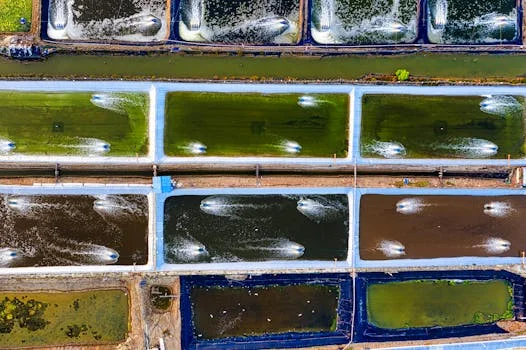
Saudi Arabia’s extreme temperatures, high-TDS wastewater, and airborne sand accelerate wear on aeration equipment in Saudi Arabia. Proactive maintenance—tailored to these conditions—can reduce unplanned downtime by up to 40% and extend equipment lifespan by 3–5 years, according to Water Environment Federation (WEF) guidelines. Below is a climate-adapted maintenance checklist to optimize oxygen transfer efficiency and system reliability.
Preventive Maintenance Schedule
| Task | Frequency | Key Actions |
|---|---|---|
| Sand filter cleaning | Weekly | Backwash at 15–20 psi to prevent clogging; inspect for silica buildup (common in NEOM water projects). |
| Motor cooling check | Bi-weekly | Verify fan operation; clean fins to maintain airflow (ambient temps >50°C degrade insulation). |
| Diffuser inspection | Monthly | Test for fouling (TDS >2,000 mg/L increases scaling); soak in 5% citric acid for 2 hours if oxygen transfer efficiency drops below 2.5 kg O₂/kWh. |
| Remote monitoring calibration | Quarterly | Recalibrate DO sensors (±0.1 mg/L accuracy) and verify SCADA alerts for pressure drops (>10% deviation from baseline). |
Warning Signs of Failure
- Reduced aeration efficiency: DO levels below 1.5 mg/L despite normal airflow (indicates diffuser fouling or motor overload).
- Unusual noise/vibration: Grinding or rattling suggests bearing wear or impeller imbalance (common in high-sand environments).
- Increased energy consumption: A 15%+ spike in kWh usage signals inefficiency (compare against baseline data from wastewater treatment operating costs).
- Corrosion: Pitting on stainless steel components (e.g., 316L) requires immediate replacement to prevent structural failure.
For facilities in remote locations, integrate IoT-enabled remote monitoring to track real-time performance metrics. Systems with predictive analytics can reduce maintenance costs by 25% by identifying issues before failure (source: Saudi Water Conversion Corporation). Prioritize energy-efficient aerators with NEMA 4X enclosures to withstand dust and humidity—critical for long-term ROI in Saudi wastewater treatment standards.
FAQ: Aeration Equipment in Saudi Arabia
What is a jet aeration system?
A jet aeration system combines air injection with high-velocity water circulation to maximize oxygen transfer efficiency in wastewater. These systems use submerged nozzles to create fine bubbles, achieving 1.5–2.2 kg O₂/kWh—ideal for high-TDS applications common in Saudi Arabia’s industrial zones. For NEOM water projects, jet aerators are preferred for their ability to handle variable loads while maintaining Saudi wastewater treatment standards (SASO 2706:2020).
How much does a surface aerator cost in Riyadh?
Surface aerator costs in Saudi Arabia vary by capacity and material. A 10 HP stainless steel unit averages SAR 45,000–60,000, while a 30 HP model ranges from SAR 120,000–150,000. Energy-efficient aerators with oxygen transfer efficiency above 3.5 lb O₂/hp-hr offer faster ROI—critical for remote sites where power costs exceed SAR 0.30/kWh. For budget planning, see our Wastewater Treatment Maintenance Cost Planning guide.
Can aeration equipment handle Saudi Arabia’s high-TDS wastewater?
Yes, but material selection is key. High-TDS wastewater (10,000–40,000 mg/L) accelerates corrosion, so duplex stainless steel or coated components are essential. Jet aerators with non-clogging designs (e.g., N-technology) outperform diffused aeration in these conditions, reducing maintenance by 30%. Always verify compliance with Saudi wastewater treatment standards for chloride limits (≤2,000 mg/L for discharge).
What’s the lifespan of aeration equipment in harsh climates?
In Saudi Arabia’s extreme conditions, expect 8–12 years for well-maintained systems. Sand abrasion and 50°C+ temperatures reduce lifespan by 20–30% compared to temperate climates. Key factors: annual impeller inspections, ceramic-coated diffusers, and remote monitoring for aeration performance. Our operating costs breakdown details how proactive maintenance cuts long-term expenses.
How do I choose the right aeration system for my industry?
Match system type to your wastewater characteristics and treatment goals. Use this comparison for Saudi-specific conditions:
| Aeration Type | Best For | Oxygen Transfer (kg O₂/kWh) | Saudi Use Case |
|---|---|---|---|
| Jet Aerators | High-TDS, variable loads | 1.8–2.2 | NEOM desalination pre-treatment |
| Surface Aerators | Low-depth basins | 1.2–1.6 | Municipal WWTPs in Riyadh |
| Fine Bubble Diffusers | Energy efficiency | 2.0–2.5 | Petrochemical plants (Jubail) |
For industry-specific recommendations, consult our Industrial Wastewater Treatment Equipment Selection Guide.
Ready to optimize your aeration system? Start by auditing your current oxygen demand and TDS levels—then request a site-specific proposal from a supplier with proven Saudi experience.
Related Products
Based on the topics discussed in this article, you may be interested in the following equipment solutions:
- Dissolved Air Flotation (DAF) System — View detailed specifications and technical data
- Automatic Chemical Dosing System — View detailed specifications and technical data
Need more information or a custom quote? Request a Quote or contact our team today.