Hospitals in New Hampshire must treat wastewater to meet NHDES NPDES permit limits, including TSS ≤30 mg/L, BOD ≤30 mg/L, and emerging contaminants like PFAS (EPA 2024 draft limit: 4 ng/L). The state’s 285,000 GPD average hospital effluent (e.g., Catholic Medical Center) requires advanced systems—such as MBR or ozone disinfection—to remove pharmaceuticals and pathogens not addressed by conventional WWTFs. This guide provides 2025 engineering specs, compliance pathways, and cost-optimized equipment selection for zero-risk discharge.
Why Hospital Wastewater in New Hampshire Requires Specialized Treatment
Hospital effluent in New Hampshire contains 10–100× higher concentrations of pharmaceuticals, including antibiotics, hormones, and analgesics, compared to standard municipal wastewater according to the University of New Hampshire (UNH) Great Bay Estuary study. While 68% of New Hampshire hospitals discharge directly to municipal Wastewater Treatment Facilities (WWTFs), data from the NHDES indicates that most of these aging plants lack the tertiary treatment stages necessary to neutralize multi-drug resistant pathogens like Pseudomonas aeruginosa or persistent chemical loads. This regulatory gap is narrowing rapidly as the EPA and NHDES increase scrutiny on "forever chemicals."
PFAS contamination has become a critical focal point for New Hampshire medical facilities, with the Manchester WWTF detecting significant PFAS levels in influent tied to regional medical centers. The EPA 2024 draft limit of 4 ng/L for PFOA and PFOS necessitates that hospitals implement robust pre-treatment or on-site systems to avoid permit violations. Traditional secondary treatment often fails to remove these compounds, potentially leading to the accumulation of contaminants in the Great Bay Estuary and local groundwater supplies.
Typical influent specifications for New Hampshire hospitals often exceed the capacity of standard sewer ordinances. High concentrations of disinfectants, laboratory reagents, and radioactive isotopes create a complex chemical matrix that requires specific equalization and biological stabilization. For instance, the Wolfeboro WWTF permit data illustrates that medical-related influent can spike BOD levels to 1,200 mg/L, necessitating advanced aeration and membrane separation to maintain stable discharge quality.
| Parameter | Typical NH Hospital Influent | NHDES Discharge Limit (Surface Water) | Removal Requirement |
|---|---|---|---|
| BOD5 (mg/L) | 300 – 1,200 | ≤30 | 90% – 97.5% |
| TSS (mg/L) | 200 – 800 | ≤30 | 85% – 96% |
| COD (mg/L) | 500 – 2,000 | ≤120 (Site Specific) | 76% – 94% |
| PFAS (PFOA/PFOS) | 20 – 150 ng/L | 4 ng/L (EPA 2024 Draft) | 80% – 97% |
| Fecal Coliform | 10^6 – 10^8 CFU/100mL | ≤200 CFU/100mL | 99.99% |
New Hampshire Wastewater Regulations: NHDES Permits, EPA Standards, and Compliance Pathways
NHDES National Pollutant Discharge Elimination System (NPDES) permits mandate that hospitals discharging to surface waters maintain TSS and BOD levels below 30 mg/L and fecal coliform counts under 200 CFU/100mL. For hospitals discharging to municipal systems, industrial pre-treatment requirements are governed by local sewer use ordinances, such as Manchester’s 250 mg/L BOD limit. Failure to meet these standards can result in significant surcharges or mandatory installation of on-site pre-treatment technologies to protect the biological health of the receiving municipal plant.
The regulatory environment for PFAS in New Hampshire is among the strictest in the United States. Under EPA Method 1633, New Hampshire hospitals are increasingly required to test for 29 specific PFAS compounds. With the draft Maximum Contaminant Level (MCL) set at 4 ng/L, facility managers must evaluate treatment trains that incorporate Granular Activated Carbon (GAC) or high-pressure membranes. Compliance is not merely a matter of meeting current limits but preparing for the 2026 enforcement deadline, which will likely integrate PFAS monitoring into all standard NPDES renewals.
Financial assistance for these infrastructure upgrades is available through the NHDES Clean Water State Revolving Fund (CWSRF). This program provides below-market interest loans and occasionally principal forgiveness for projects that address emerging contaminants. Public and non-profit hospitals in New Hampshire are prioritized for these funds, particularly when the project prevents pharmaceutical runoff into sensitive ecosystems like the Great Bay. The application process requires a detailed engineering report and a demonstration of how the proposed system will achieve long-term compliance with both state and federal EPA standards.
| Regulation Type | Authority | Key Requirement/Limit | Compliance Pathway |
|---|---|---|---|
| NPDES Permit | NHDES / EPA | TSS/BOD ≤30 mg/L | Secondary + Tertiary Treatment |
| PFAS MCL | EPA (Draft 2024) | 4 ng/L (PFOA/PFOS) | GAC, RO, or IX Resins |
| Pre-treatment | Municipal (e.g., Manchester) | BOD ≤250 mg/L; pH 6.5-9.0 | Equalization + MBR/DAF |
| Pathogen Control | NHDES | ≤200 CFU/100mL Fecal Coliform | Ozone, UV, or ClO2 Disinfection |
Engineering Specs for Hospital Wastewater Treatment Systems in NH
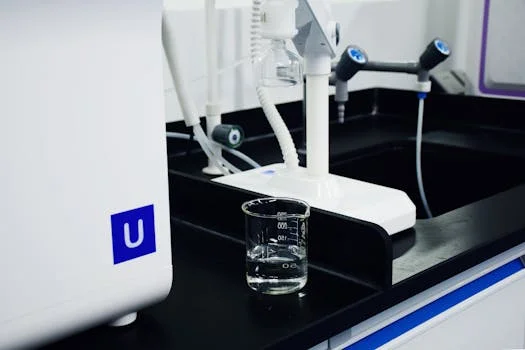
Engineering a hospital wastewater system in New Hampshire requires a multi-stage treatment train designed to handle fluctuating hydraulic loads and high concentrations of antimicrobial agents. The primary stage must include fine screening, such as a rotary bar screen for hospital wastewater pre-treatment, to remove medical plastics and fibrous materials that can foul downstream membranes. Equalization tanks are essential, typically sized for 2–3× the average daily flow, to buffer the chemical spikes common during morning sterilization cycles and evening cleaning shifts.
Biological treatment parameters for medical effluent require conservative loading rates to ensure the degradation of complex pharmaceuticals. A Membrane Bioreactor (MBR) system is often the preferred choice, operating with a Solids Retention Time (SRT) of 10–30 days and a Mixed Liquor Suspended Solids (MLSS) concentration of 3,000–6,000 mg/L. This high biomass concentration allows for the effective breakdown of recalcitrant organics. For space-constrained NH facilities, a containerized systems for temporary or space-constrained hospitals offers a modular approach that can be deployed with minimal civil engineering work.
Disinfection is the most critical stage for pathogen risk mitigation. While chlorine has been the historical standard, Chlorine Dioxide (ClO₂) and Ozone are superior for hospital applications because they do not produce harmful disinfection byproducts (DBPs) and are more effective against viruses and cysts. A compact ozone disinfection system for hospitals can achieve a 99.9% kill rate for pathogens at a dosage of 5–10 mg/L, while also oxidizing up to 80% of pharmaceutical residues. For facilities requiring on-site chemical generation, an on-site ClO₂ generator for hospital wastewater disinfection provides a stable, high-potency solution for effluent sterilization.
| Process Stage | Technology Requirement | Design Parameter (Target) | NHDES Compliance Role |
|---|---|---|---|
| Pre-treatment | Rotary Screen + EQ Tank | 1-2mm screen; 8-12hr EQ | Protects downstream equipment |
| Biological | MBR (Membrane Bioreactor) | MLSS: 5,000 mg/L; HRT: 10hr | 99% BOD/TSS removal |
| Advanced Oxidation | Ozone (O3) | Dosage: 5-15 mg/L | Pharmaceutical & Pathogen removal |
| PFAS Polishing | GAC / RO | EBCT: 10-20 minutes | Meets 4 ng/L EPA draft limit |
Treatment Technology Comparison: MBR vs. DAF vs. Ozone Disinfection for NH Hospitals
Selecting the appropriate technology depends on whether the hospital must meet direct discharge standards or municipal pre-treatment limits. An MBR system for hospital wastewater with 99% pathogen removal is the "gold standard" for direct discharge to surface waters or the Great Bay Estuary. By combining biological treatment with 0.04-micron membrane filtration, MBRs produce effluent that is virtually free of suspended solids and pathogens, significantly exceeding NHDES requirements. You can find more in this detailed MBR system engineering guide.
For hospitals primarily concerned with high levels of fats, oils, and greases (FOG) from cafeteria operations or high TSS from laundry services, a DAF system for high-efficiency TSS and FOG removal is more cost-effective. DAF systems use micro-bubbles to float solids to the surface for mechanical skimming. While DAF is excellent for pre-treatment—achieving up to 97% TSS removal—it does not remove dissolved pharmaceuticals or PFAS as effectively as membrane or carbon-based systems. The Wolfeboro WWTF utilizes a DAF system for primary clarification, but hospitals in that catchment area may still require secondary biological treatment to meet BOD limits.
Ozone disinfection serves as a powerful tertiary treatment, specifically targeting the "emerging contaminants" that MBR and DAF might miss. While the CAPEX for ozone is higher ($120K–$350K depending on flow), its ability to oxidize complex molecular structures makes it indispensable for hospitals aiming for "zero-risk" discharge. In many NH applications, a hybrid approach—using MBR for bulk removal and Ozone for final polishing—is the most resilient strategy for 2025 compliance.
| Criteria | MBR (Membrane Bioreactor) | DAF (Dissolved Air Flotation) | Ozone Disinfection |
|---|---|---|---|
| TSS Removal | >99% | 92% – 97% | N/A (Oxidation) |
| Pathogen Kill | High (Physical Barrier) | Moderate | Very High (99.99%) |
| PFAS Removal | Moderate (with PAC) | Low | Low (Oxidation only) |
| Footprint | Small (Integrated) | Medium | Very Small |
| CAPEX | $800 – $1,500/m³ | $300 – $800/m³ | $120K – $350K (Total) |
| OPEX | Moderate (Energy/Membranes) | High (Chemicals) | Low (Energy only) |
Cost Breakdown: Hospital Wastewater Treatment Systems in New Hampshire (2025)
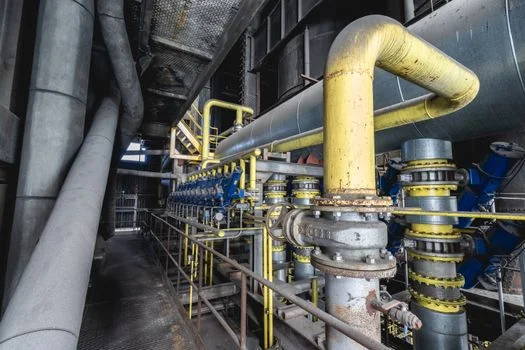
The CAPEX for a hospital wastewater treatment system in New Hampshire typically ranges from $500,000 to $2,000,000 for facilities processing between 50 and 500 m³/day. MBR systems represent the higher end of this range due to membrane costs and advanced automation, but they offer the lowest long-term labor costs. For comparison, a 100 m³/day MBR system typically requires a capital investment of approximately $1.2M, whereas a DAF-based pre-treatment system might cost $600,000 but incur higher monthly chemical and sludge disposal fees.
OPEX is driven by four primary factors: energy consumption (30–50%), chemical dosing (20–30%), labor (15–25%), and maintenance (10–20%). In New Hampshire, energy costs are a significant variable; however, modern MBR systems utilize automated scada controls to optimize blower speeds, reducing energy demand by up to 30% compared to older activated sludge plants. automated systems reduce the need for full-time on-site certified operators, a critical advantage given the current shortage of wastewater professionals in New England.
NH-specific cost drivers include PFAS testing fees, which can range from $5,000 to $20,000 annually depending on the frequency of Method 1633 sampling required by the NHDES. Additionally, septage disposal costs in the state have risen to $0.10–$0.30 per gallon. By implementing high-efficiency dewatering or MBR processes that minimize sludge volume, hospitals can achieve a payback period of 3–7 years. This ROI is further supported by avoiding NHDES non-compliance penalties, which can reach $25,000 per day per violation.
| Cost Category | MBR System (500 m³/day) | DAF System (500 m³/day) | Ozone Unit (Tertiary) |
|---|---|---|---|
| Estimated CAPEX | $1.5M – $2.0M | $700K – $900K | $250K – $350K |
| Energy Cost/m³ | $0.40 – $0.65 | $0.15 – $0.25 | $0.10 – $0.20 |
| Chemical Cost/m³ | $0.05 – $0.10 | $0.30 – $0.50 | Negligible |
| Annual Maintenance | $15K – $30K | $10K – $20K | $5K – $12K |
Step-by-Step Compliance Checklist for NH Hospitals
Achieving and maintaining compliance with NHDES and EPA regulations requires a structured operational approach. Facilities should begin with a comprehensive audit of their current discharge quality compared to the 2025 standards. For more context on how these systems are implemented elsewhere, refer to this global hospital wastewater treatment case study.
- Pre-treatment Installation: Deploy a rotary bar screen for hospital wastewater pre-treatment and equalization tanks sized for 2–3× average flow to handle peak sterilization cycles.
- Permit Application: Submit NHDES NPDES permit applications or renewals at least 6–12 months before the expected discharge date. Ensure the application includes a PFAS monitoring plan using EPA Method 1633.
- Continuous Monitoring: Install inline sensors for TSS, BOD, and pH. Set up automated alerts for any deviation from the 6.5–9.0 pH range or TSS spikes above 30 mg/L.
- PFAS Testing: Schedule quarterly testing for 29 PFAS compounds. If levels exceed 4 ng/L, initiate a pilot study for GAC or RO polishing stages immediately.
- Recordkeeping: Maintain digital logs of all influent/effluent data, chemical dosages, and maintenance activities. NHDES requires these records to be retained for a minimum of 5 years.
- Emergency Response: Develop a spill containment plan for laboratory chemicals and pharmaceuticals. Ensure staff are trained to provide 24-hour notification to NHDES in the event of a treatment bypass or violation.
Frequently Asked Questions
What are the NHDES discharge limits for hospital wastewater?
Standard limits for surface water discharge are TSS ≤30 mg/L, BOD ≤30 mg/L, and fecal coliform ≤200 CFU/100mL. However, for hospitals discharging to the Great Bay Estuary or sensitive groundwater zones, more stringent limits and PFAS monitoring (targeting 4 ng/L for PFOA/PFOS) are becoming standard in new permit cycles.
How much does a hospital wastewater treatment system cost in NH?
CAPEX ranges from $500,000 for small DAF-based pre-treatment systems to $2,000,000 for full-scale 500 m³/day MBR systems. OPEX typically averages between $0.50 and $2.00 per cubic meter treated, depending heavily on local New Hampshire electricity rates and chemical requirements.
What treatment technology is best for removing PFAS from hospital wastewater?
Granular Activated Carbon (GAC) is the most common solution, removing 90–95% of long-chain PFAS. For 99% removal of both long and short-chain compounds, Reverse Osmosis (RO) is required, though it carries a higher CAPEX ($1M+) and produces a concentrated waste stream that requires specialized disposal.
Do NH hospitals need pre-treatment before discharging to municipal WWTFs?
Yes. Most municipal facilities, including Manchester and Nashua, have sewer use ordinances that limit BOD, TSS, and FOG. Hospitals must often pre-treat to reach BOD levels below 250 mg/L to avoid heavy surcharges or to prevent interference with the municipal plant's biological processes.
What are the penalties for non-compliance with NHDES wastewater regulations?
NHDES can issue administrative fines of up to $25,000 per day per violation. Beyond financial penalties, the state may issue "Cease and Desist" orders or require mandatory, accelerated infrastructure upgrades, which are significantly more expensive than proactive compliance measures.