A submerged membrane bioreactor SMBR places ultrafiltration membranes (0.01–0.1 μm) inside the aeration tank, so mixed liquor is retained without secondary clarifiers. Plants typically run MLSS at 10–20 g/L—about 3–4× conventional activated sludge—and report about 99% TSS removal with 90–95% COD reduction while cutting footprint by roughly 60%. Air scour for fouling control usually accounts for 30–50% of total energy use, and chemical cleans are commonly scheduled every 3–6 months.
What Is a Submerged Membrane Bioreactor SMBR?
A submerged membrane bioreactor SMBR combines activated-sludge biology with immersed microfiltration or ultrafiltration so solids stay in the tank while clear permeate is drawn through the membrane. Typical units hold MLSS at 10–20 g/L, run HRT about 4–12 h, and deliver TSS below 1 mg/L with COD often under 50 mg/L at about 60% less footprint than clarifier trains.
Urban plants and expanding factories often lack room for new clarifiers. When secondary settlers are overloaded, TSS violations can trigger daily fines that the original plant cases put above $10,000 per day. Discharge rules such as China GB 18918-2002 for industrial wastewater and U.S. biosolids rules under EPA 40 CFR Part 503 still push operators toward tighter solids and pathogen control. SMBR permeate that meets TSS <1 mg/L supports direct discharge or reuse polishing without a large tertiary filter train.
Food and beverage sites with high organic loads, pharmaceutical plants that need stable low-solids effluent, and municipal reuse schemes are the usual early adopters. Semiconductor and electronics trains that need further polishing still start from MBR-quality permeate; see MBR applications in electronics wastewater treatment for that niche.
How Submerged MBRs Work: Engineering Process and Key Parameters
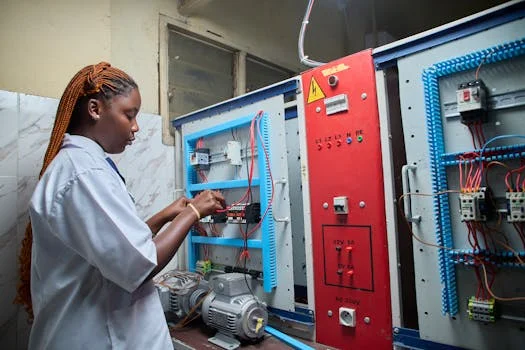
Submerged MBR trains start with screening and grit removal so fibers and grit never reach the membrane. After pre-treatment, wastewater mixes with activated sludge in the aerobic bioreactor, where organisms remove BOD/COD and, with proper anoxic zones, nitrogen and phosphorus.
The core engineering process of an SMBR involves four key steps:
- Biological Degradation in Aeration Tank: Raw wastewater, after pre-treatment, mixes with activated sludge in an aerobic bioreactor. Microorganisms consume organic pollutants (BOD/COD), nitrogen (nitrification/denitrification), and phosphorus. The high mixed liquor suspended solids (MLSS) concentration, typically maintained between 10–20 g/L, is 3–4 times higher than in conventional activated sludge systems. This elevated biomass concentration significantly enhances treatment efficiency and reduces the required tank volume.
- Membrane Filtration: Unlike conventional systems that use gravity settlers, SMBRs employ ultrafiltration or microfiltration membranes (0.01–0.4 μm pore size) submerged directly in the aeration tank. A slight vacuum (0.01–0.05 bar) or gravity draws the treated water through the membrane pores, while retaining all suspended solids, bacteria, and larger colloids.
- Permeate Extraction: The filtered water, known as permeate, is continuously extracted from the membrane modules. This permeate is of exceptionally high quality, virtually free of suspended solids (TSS <1 mg/L) and pathogens, making it suitable for direct discharge or further polishing for water reuse applications.
- Sludge Retention and Recycling: The concentrated mixed liquor (sludge) is retained within the bioreactor, maintaining a high sludge retention time (SRT) of 15–30 days. This extended SRT allows for the growth of slow-growing microorganisms, improving nutrient removal and reducing excess sludge production by 30–50% compared to conventional systems. A portion of the sludge is periodically wasted to maintain the target MLSS concentration.
Key operating ranges most plants we size for industrial duty use are flux 15–30 LMH and HRT 4–12 hours. MLSS stays at 10–20 g/L with SRT of 15–30 days. Membrane scour air is typically 0.2–0.5 Nm³/m²·h and often makes up 30–50% of plant energy. HydropureWater’s integrated MBR Membrane Bioreactor Wastewater Treatment System uses PVDF membranes sized for these envelopes.
Membrane types used in SMBRs vary, each with distinct characteristics:
| Membrane Material | Pore Size (μm) | Lifespan (Years) | Relative CapEx | Fouling Resistance | Key Advantage |
|---|---|---|---|---|---|
| PVDF (Polyvinylidene Fluoride) | 0.05–0.1 | 5–8 | 1.0x | Good | Most common, balanced performance |
| PE (Polyethylene) | 0.1–0.2 | 3–6 | 0.8x | Moderate | Lower initial cost |
| Ceramic | 0.01–0.1 | 10+ | 3.0x | Excellent | High durability, chemical resistance |
Submerged vs Side-Stream MBR: Head-to-Head Comparison for Industrial Applications
Submerged MBRs typically offer a 60% smaller footprint than clarifier trains. Energy use is usually 0.6–1.2 kWh/m³ versus 1.5–3.0 kWh/m³ for many side-stream MBR systems that rely on cross-flow pumping. That gap in layout and pumping drives CapEx, OPEX, and which configuration fits a given industrial wastewater train.
SMBR membranes sit in the aeration tank, so there is no external membrane skid or high-pressure recirculation loop. Side-stream units need a dedicated filtration skid and pumps that keep cross-flow velocity across the membrane surface, which adds floor space and power.
Energy profiles differ for the same reason. SMBRs lean on coarse-bubble aeration for biology and scour; that air package is 30–50% of total energy, while vacuum or gravity permeate draw uses little pump power. Side-stream designs spend most of their energy on recirculation pumps that hold cross-flow and limit cake build-up.
Fouling behavior tracks exposure. Immersed modules see full MLSS and usually need chemical cleaning every 3–6 months plus continuous air scour. External modules are still fouled by organics and scale, but operators can isolate the skid for maintenance and use higher cross-flow to thin the cake layer.
CapEx for SMBRs typically ranges from $1,200–$2,500 per m³/day of capacity. Side-stream trains more often land at $1,800–$3,500/m³/day because of the external skid, higher-pressure pumps, and heavier modules. HydropureWater’s DF series PVDF flat sheet membranes for submerged MBR applications target immersed duty at industrial MLSS.
| Parameter | Submerged MBR (SMBR) | Side-Stream MBR | Conventional Activated Sludge |
|---|---|---|---|
| Footprint Reduction (vs. Conventional) | ~60% smaller | ~30-40% smaller | Reference (largest) |
| Energy Consumption (kWh/m³) | 0.6–1.2 (Aeration: 30-50%) | 1.5–3.0 (Pumping: 50-70%) | 0.3–0.8 (Clarifier & Aeration) |
| Membrane Fouling Risk | Higher (direct immersion) | Lower (cross-flow velocity) | N/A (no membranes) |
| CapEx ($/m³/day) | $1,200–$2,500 | $1,800–$3,500 | $800–$1,500 |
| Effluent TSS (mg/L) | <1 | <1 | 10–30 |
| Effluent COD (mg/L) | <50 | <50 | 60–120 |
| Ideal Use Cases | Space-constrained, water reuse, existing plant upgrades | High-strength wastewater, easier membrane maintenance | Large land availability, less stringent discharge limits |
What Does a Membrane Bioreactor System Typically Cost?
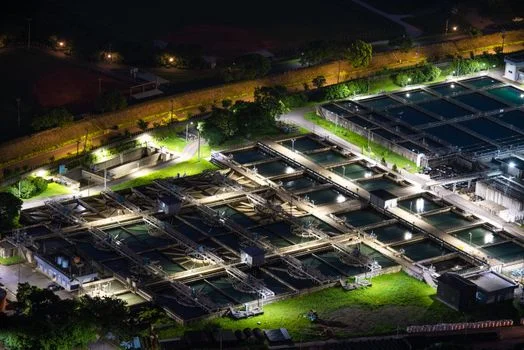
Membrane bioreactor CapEx for a 1,000 m³/day submerged plant typically falls between $1.2 million and $2.5 million. Membranes are near 40% of that spend. That is higher than a conventional activated-sludge train of equal flow, but sludge reduction and reuse credits often close the gap over 3–5 years when permeate replaces purchased water.
A detailed CapEx breakdown for an SMBR system reveals the following approximate distribution:
- Membranes: 40% (e.g., PVDF modules, frames)
- Civil Works: 25% (e.g., bioreactor tanks, control building)
- Aeration System: 15% (e.g., blowers, diffusers, piping)
- Automation & Controls: 10% (e.g., PLC, SCADA, sensors)
- Other Equipment: 10% (e.g., pumps, pre-treatment, sludge handling)
Operational expenditure (OPEX) for SMBRs is primarily driven by energy consumption and membrane replacement. A typical OPEX breakdown is:
- Energy: 40% (aeration, pumping, controls)
- Membrane Replacement: 25% (proportional to lifespan and cost)
- Labor: 15% (monitoring, maintenance, cleaning)
- Chemicals: 10% (cleaning agents, anti-scalants)
- Maintenance & Spares: 10% (pumps, blowers, general upkeep)
Membrane replacement costs typically range from $0.10–$0.25/m³ of treated water. PVDF membranes generally last 5–8 years; ceramic units can exceed 10 years at about 3× CapEx. Local power tariffs of $0.30–$0.60/kWh matter because aeration is 30–50% of energy. Reuse savings of $0.50–$2.00/m³, sludge cuts of 30–50%, and avoided fines above $10,000 per day are the main ROI levers when disposal costs run $100–$500 per ton.
| Cost Category | SMBR (1,000 m³/day plant) | Conventional Activated Sludge (1,000 m³/day plant) |
|---|---|---|
| Estimated CapEx Range | $1.2M – $2.5M | $0.8M – $1.5M |
| Estimated OPEX Range ($/m³) | $0.50 – $1.00 | $0.30 – $0.60 |
| Key CapEx Drivers | Membranes (40%), Civil Works (25%) | Civil Works (40%), Clarifiers (20%) |
| Key OPEX Drivers | Energy (40%), Membrane Replacement (25%) | Energy (50%), Sludge Disposal (20%) |
| Sludge Production (kg/m³) | 0.2–0.4 | 0.5–0.8 |
| Typical Payback Period (with water reuse) | 3–5 years | N/A (higher operating costs, no reuse) |
How Does MBR Effluent Quality Hold Under Peak Flows?
MBR effluent quality stays near TSS <1 mg/L and COD <50 mg/L when peak flows are buffered and flux is held inside the 15–30 LMH design band. High solids spikes raise fouling rate first; permeate solids usually stay low until membrane integrity fails. Most plants we size for industrial peaks run equalization ahead of the membranes so instantaneous flux does not jump into irreversible fouling.
Stable flux after a solids surge depends on three controls. Keep MLSS at or below about 20 g/L and hold air scour at 0.2–0.5 Nm³/m²·h. Restore TMP with CEB/CIP—NaOCl 0.5–1.0% for organics or citric acid about 2% for scale—on a 3–6 month cycle. If FOG or colloidal solids dominate the peak, pre-treat with DAF systems for pre-treatment of high-FOG wastewater or fine screening before the bioreactor.
When instantaneous load still exceeds membrane capacity, operators cut flux, raise scour, and extend relaxation rather than push vacuum. Side-stream skids can isolate modules for aggressive cleans; immersed plants rely more on in-tank CIP. Turbidity meters on permeate give the earliest integrity alarm—TSS rarely climbs before turbidity does.
When to Choose a Submerged MBR: Decision Framework for Engineers and Procurement Teams
Selecting a submerged MBR is driven by effluent targets such as TSS <1 mg/L. Land limits near <500 m² for a 1,000 m³/day plant and reuse goals needing turbidity below about 0.5 NTU also matter. Technical, financial, and permit criteria should be scored together before CapEx is locked.
Technical criteria
- Influent characteristics: Moderate to high organic loads suit SMBRs. High FOG or grit raises fouling risk, so DAF or fine screens are often mandatory upstream.
- Space constraints: Up to about 60% footprint cut versus clarifier trains matters on tight urban plots.
- Water reuse goals: Permeate at TSS <1 mg/L often removes a tertiary filter step for irrigation or process make-up.
Financial criteria
- Budget: CapEx of $1.2M–$2.5M for 1,000 m³/day is higher than conventional, but sludge and reuse credits can justify it.
- Payback: Strong reuse cases often land under 5 years.
- OPEX tolerance: Expect about $0.50–$1.00/m³ versus $0.30–$0.60/m³ for conventional trains.
Regulatory criteria
- Effluent limits: Permits asking for TSS <5 mg/L, BOD <10 mg/L, or COD near EPA <30 mg/L / China GB <50 mg/L favor membranes.
- Disinfection: Pathogen removal is strong, yet UV or chlorine dioxide is still common before sensitive waters or reuse.
Selection checklist
- Confirm peak-to-average flow and whether equalization exists.
- Measure FOG, grit, and fibrous solids before choosing membrane type.
- Set design flux (15–30 LMH) and TMP alarm limits in the O&M plan.
- Budget membrane replacement at $0.10–$0.25/m³ over 5–8 years for PVDF.
- Compare immersed vs side-stream access for CIP labor.
- Price sludge disposal at $100–$500/ton against the 30–50% sludge cut.
- Verify reuse value ($0.50–$2.00/m³) before claiming payback.
Alternatives to weigh
- DAF systems: For high FOG or colloids, DAF systems for pre-treatment of high-strength wastewater can stand alone or protect an MBR.
- Conventional activated sludge: Preferable when land is cheap and limits are loose.
- Side-stream MBR: Preferable when high-strength liquor needs frequent aggressive cleans.
Decision flow: Start with influent quality (high TSS/FOG/COD) → if yes, add screening or DAF. Check space (<500 m² for 1,000 m³/day). If land is tight or reuse needs TSS <1 mg/L, shortlist SMBR. Confirm CapEx ($1.2M–$2.5M) and OPEX ($0.50–$1.00/m³). If those fail, fall back to conventional or side-stream MBR.
Common SMBR Challenges and How to Solve Them
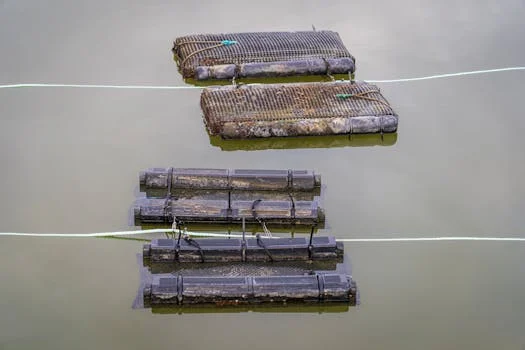
Membrane fouling drives 70–80% of routine SMBR maintenance calls. Flux falls when TMP climbs without a clean. Causes split into organic gels, inorganic scale, and biofilms. MLSS above 20 g/L, high FOG, or weak scour make each worse.
Membrane fouling controls
- Physical cleaning: Daily backwash where the product allows it, plus continuous coarse-bubble scour. Intermittent air (for example 10 s on / 10 s off) can raise scour efficiency.
- Chemical cleaning: CEB or CIP with NaOCl 0.5–1.0% for organics/biofouling or citric acid 2% for scale, typically every 3–6 months. Occasional oxidant shock dosing helps where biofouling dominates.
Energy optimization
- Aeration for biology and scour is 30–50% of energy. VFDs on blowers, better diffuser layout, and intermittent scour can cut energy 20–30% when load swings.
Membrane lifespan
- MLSS >20 g/L, pH <5 or >9, temperature >40°C, and poor pre-treatment shorten life. Keep fine screens and FOG removal in service and follow CIP chemistry limits.
Sludge management
- Even with 30–50% less sludge than conventional plants, dewatering still sets disposal cost. Pair the train with sludge dewatering solutions for MBR systems such as a high-efficiency filter press for SMBR sludge dewatering or a screw press aiming for 20–30% cake solids.
For final disinfection or residual oxidant demand, a chlorine dioxide generator for disinfection can sit on the permeate line.
| Symptom | Cause | Diagnostic Step | Solution |
|---|---|---|---|
| High Transmembrane Pressure (TMP) | Membrane fouling (organic, inorganic, biofouling) | Check permeate flow, air scour intensity, and MLSS concentration. | Increase air scouring, perform chemical cleaning (CEB/CIP with NaOCl or citric acid). |
| Decreased Permeate Flow | Membrane fouling, pump issue, low vacuum | Verify pump operation, check vacuum gauge, inspect membranes for visible fouling. | Clean membranes, check pump and piping for blockages. |
| Poor Effluent Quality (High TSS) | Membrane integrity loss, bypass, high MLSS | Conduct integrity test (bubble test), check for leaks, verify MLSS. | Replace damaged membrane modules, repair leaks, adjust sludge wasting. |
| High Energy Consumption | Inefficient aeration, excessive pump operation | Monitor blower/pump power draw, check VFD settings, evaluate air diffuser performance. | Optimize VFD control, implement intermittent aeration, clean air diffusers. |
Who This Is For / Next Step
This guide is for plant engineers, EPC leads, and procurement teams sizing immersed MBR on space-limited or reuse-driven sites. Look elsewhere if you have ample land, loose TSS limits, and no reuse credit. Conventional activated sludge will usually cost less to own in that case. To match membrane area, blower duty, and pre-treatment to your influent, request a design review and budget quote with flow, COD, and FOG data.
Frequently Asked Questions
What is the typical flux rate for a submerged MBR?
The typical flux rate for a submerged MBR with PVDF membranes is 15–30 LMH (liters per square meter per hour). That band depends on influent strength, MLSS, and temperature. Running above the design flux raises fouling rate and shortens membrane life, so most industrial designs stay inside this envelope at average daily flow.
How often do SMBR membranes need replacement?
PVDF membranes in an SMBR typically last 5–8 years when daily physical cleaning and chemical CIP every 3–6 months are maintained. Ceramic membranes can last 10+ years but usually cost about 3× more in CapEx. Replacement planning should use $0.10–$0.25/m³ as a working allowance until vendor warranties are locked.
Can SMBRs handle high-strength industrial wastewater?
Yes, SMBRs treat high-strength industrial wastewater when pre-treatment is adequate. Fine screening, equalization, and DAF for FOG removal protect the membranes, and MLSS should stay at or below about 20 g/L to limit cake fouling. Without that upstream work, TMP climbs fast and CIP intervals shrink below the usual 3–6 months.
What are the energy requirements for SMBRs?
Typical SMBR energy use is 0.6–1.2 kWh/m³ of treated water. Aeration for biology and membrane scour accounts for about 30–50% of that total. VFDs on blowers and intermittent scour strategies can cut energy 20–30% on plants with large diurnal load swings.
How does SMBR effluent quality compare to conventional systems?
SMBR permeate typically reaches TSS <1 mg/L and COD <50 mg/L, which often meets tight discharge or reuse limits without tertiary filters. Conventional activated sludge more often leaves TSS at 10–30 mg/L and COD at 60–120 mg/L. That gap is why reuse and compact-site projects shortlist immersed MBR first.