Rotterdam’s strict environmental regulations—including the EU Urban Waste Water Directive 91/271/EEC and Port Authority discharge limits (e.g., COD ≤125 mg/L, TSS ≤35 mg/L)—demand sewage treatment equipment that balances efficiency, cost, and compliance. In 2025, industrial buyers in Rotterdam prioritize suppliers offering dissolved air flotation (DAF) systems (92–97% TSS removal) for high-FOG wastewater or membrane bioreactors (MBRs) for space-constrained sites (60% smaller footprint than conventional systems). This guide provides engineering specs, cost breakdowns, and a zero-risk selection framework to compare suppliers like REMONDIS Aqua B.V., Hatenboer-Water, and international manufacturers.
Why Rotterdam’s Sewage Treatment Equipment Market is Unique in 2025
Rotterdam's unique blend of heavy industry, dense urban areas, and a critical port infrastructure creates distinct challenges for sewage treatment equipment procurement. The Port Authority’s discharge limits (e.g., COD ≤125 mg/L, TSS ≤35 mg/L) are significantly stricter than the EU Urban Waste Water Directive 91/271/EEC’s general requirements (e.g., COD ≤150 mg/L, TSS ≤60 mg/L), especially for discharges into sensitive waterways like the Nieuwe Maas River, which often includes more stringent nitrogen and phosphorus targets. This necessitates advanced treatment solutions that go beyond basic compliance, often requiring secondary or tertiary stages.
Urban density and a high water table in many areas of Rotterdam influence equipment selection, making compact and underground WSZ series plants (1–80 m³/h) preferred for residential and commercial projects where footprint is limited and aesthetic integration is crucial. Conversely, mobile DAF units (4–50 m³/h) are increasingly dominating construction sites and temporary industrial operations due to their flexibility and rapid deployment for treating high-solids wastewater. Industrial wastewater, such as that from food processing facilities, typically features high levels of fats, oils, and grease (FOG), making DAF systems essential for effective pre-treatment. Petrochemical plants, in contrast, require robust oil/water separation, while municipal applications prioritize nutrient removal to protect aquatic ecosystems.
For instance, a major wastewater treatment plant in the Port of Rotterdam, with a capacity of 2,000 m³/h, employs a two-step activated sludge process. This design choice highlights the emphasis on redundancy, robust contaminant removal, and high levels of automation expected by buyers in critical infrastructure environments, setting a high bar for reliability and performance.
Rotterdam’s Regulatory Landscape: Compliance Requirements for Sewage Treatment Equipment
Navigating Rotterdam’s regulatory environment for wastewater discharge is crucial for avoiding costly penalties and ensuring operational continuity. The EU Urban Waste Water Directive 91/271/EEC sets baseline parameters for municipal wastewater treatment, including BOD5 (25 mg/L), COD (125 mg/L), TSS (35 mg/L), and specific nitrogen (10-15 mg/L) and phosphorus (1-2 mg/L) targets for discharges into sensitive areas. However, Rotterdam’s local limits, particularly those enforced by the Port Authority, are often more stringent. For example, the Port Authority’s 2024 guidelines can mandate COD levels as low as ≤125 mg/L and TSS ≤35 mg/L for industrial discharges, which may be stricter than general municipal limits, requiring more advanced treatment technologies.
The Netherlands’ ‘Waterwet’ (Water Act) and ‘Wet milieubeheer’ (Environmental Management Act) govern environmental permitting for industrial discharges, such as those from food processing or chemical plants, requiring specific permits based on the nature and volume of the wastewater. The Rotterdam Port Authority often mandates pre-treatment for industrial wastewater, including oil/water separators and pH adjustment, before discharge into municipal sewer systems or direct discharge into surface waters. Emerging 2025 trends, such as stricter PFAS limits (EU Directive 2020/784) and increased microplastics monitoring, necessitate advanced filtration. For example, MBR systems with 0.1 μm membranes future-proof investments by effectively removing these contaminants, meeting COD ≤50 mg/L and TSS ≤5 mg/L, whereas DAF alone may require post-treatment to achieve these levels.
| Parameter | EU Urban Waste Water Directive 91/271/EEC Thresholds | Rotterdam Port Authority Guidelines (Typical Industrial Discharge) | Equipment Compliance Example |
|---|---|---|---|
| BOD5 | ≤25 mg/L | ≤20 mg/L | MBR (≤5 mg/L), Advanced Biological Treatment |
| COD | ≤125 mg/L (or 75% removal) | ≤125 mg/L (stricter for direct discharge: ≤50 mg/L) | MBR (≤50 mg/L), DAF + Post-treatment |
| TSS | ≤35 mg/L (or 90% removal) | ≤35 mg/L (stricter for direct discharge: ≤5 mg/L) | DAF (92-97% removal), MBR (≤5 mg/L) |
| Total Nitrogen | ≤10-15 mg/L (for sensitive areas) | ≤10 mg/L (for sensitive waterways like Nieuwe Maas) | MBR (biological N removal), Advanced Chemical Dosing |
| Total Phosphorus | ≤1-2 mg/L (for sensitive areas) | ≤1 mg/L (for sensitive waterways like Nieuwe Maas) | Chemical Dosing (coagulation/flocculation), MBR |
| FOG (Fats, Oils, Grease) | Not explicitly defined (covered by COD/TSS) | ≤10 mg/L (common industrial limit) | DAF (85-95% removal) |
| pH | 6.0-9.0 | 6.5-8.5 | Automatic Chemical Dosing System |
Sewage Treatment Equipment Types for Rotterdam: Engineering Specs and Use Cases
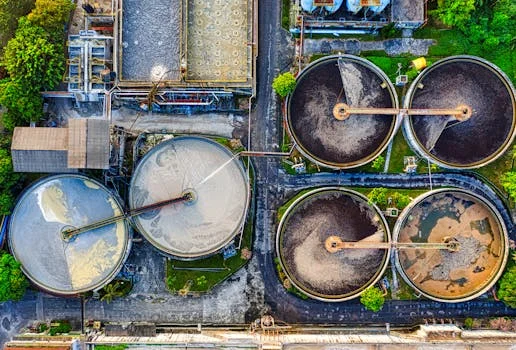
Selecting the appropriate sewage treatment equipment in Rotterdam requires a precise match between technical specifications and the unique characteristics of the wastewater. Each technology offers distinct advantages for specific industrial or municipal applications.
- Dissolved Air Flotation (DAF) Systems: HydropureWater DAF systems are engineered for flows ranging from 4 to 300 m³/h, achieving 92–97% TSS removal and 85–95% FOG removal. These systems are ideal for industrial sectors such as food processing (e.g., meat, dairy, breweries) due to high FOG content, pulp and paper mills, and petrochemical facilities requiring efficient oil/water separation. Their energy consumption typically ranges from 0.2–0.5 kWh/m³, and they require a relatively compact footprint of 10–15 m² per 100 m³/h, making them suitable for sites with moderate space constraints. For more information, refer to detailed DAF engineering specs and selection criteria.
- Membrane Bioreactors (MBR): Integrated MBR systems are highly effective for achieving superior effluent quality in space-constrained urban sites like hospitals, hotels, and residential complexes in Rotterdam. These systems handle flows from 10 to 2,000 m³/day, consistently achieving COD levels ≤50 mg/L and TSS ≤5 mg/L. MBR technology offers a significant advantage with a footprint that can be up to 60% smaller than conventional activated sludge systems. However, buyers must factor in membrane replacement costs, which typically range from €50–€100/m² every 5–8 years, depending on the membrane type and operational conditions.
- Underground Package Plants (WSZ Series): HydropureWater WSZ series underground package plants, utilizing A/O biological contact oxidation, are designed for flows of 1–80 m³/h. These systems boast BOD5 removal rates of ≥90% and require minimal operator intervention, making them ideal for residential communities, rural developments, and small commercial facilities. Their underground installation, typically at a depth of 2–4 meters, allows for landscaping or recreational use above ground, addressing Rotterdam's urban density and aesthetic requirements.
- Chemical Dosing Systems: Automatic chemical dosing systems, often PLC-controlled and skid-mounted, are critical for precision chemical application in municipal and industrial plants. With flow rates typically from 0.1–10 L/h, they are essential for pH adjustment, phosphorus removal (e.g., using ferric chloride), and enhancing coagulation/flocculation processes, ensuring optimal treatment efficiency and compliance.
- Sludge Dewatering: Sludge dewatering equipment, such as plate and frame filter presses, is vital for reducing sludge volume and associated disposal costs. These presses offer filtration areas from 1–500 m² and achieve 95–99% solids capture. While the CAPEX for a plate and frame filter press (e.g., €30,000) might be lower than a screw press (e.g., €50,000), filter presses often demonstrate 20% lower OPEX due to reduced energy consumption and chemical usage, making them a cost-effective choice for many Rotterdam projects.
| Equipment Type | Key Engineering Specs | Ideal Use Cases in Rotterdam | Typical Footprint (per 100 m³/h) | Energy Use (kWh/m³) |
|---|---|---|---|---|
| Dissolved Air Flotation (DAF) | 4–300 m³/h flow, 92–97% TSS removal, 85–95% FOG removal | Food processing, pulp/paper, petrochemical (high FOG/TSS pre-treatment) | 10–15 m² | 0.2–0.5 |
| Membrane Bioreactor (MBR) | 10–2,000 m³/day flow, COD ≤50 mg/L, TSS ≤5 mg/L, High N/P removal | Urban sites (hospitals, hotels), direct discharge to sensitive waters, water reuse | 60% smaller than conventional activated sludge | 0.8–1.5 |
| Underground Package Plant (WSZ) | 1–80 m³/h flow, BOD5 removal ≥90%, no operator required | Residential communities, rural areas, commercial buildings (space/aesthetics critical) | Underground installation (0 m² surface footprint) | 0.3–0.6 |
| Chemical Dosing Systems | 0.1–10 L/h flow, PLC-controlled, skid-mounted | pH adjustment, phosphorus removal, coagulation/flocculation enhancement | 1–5 m² (skid-mounted) | <0.1 (system dependent) |
| Plate and Frame Filter Press | 1–500 m² filtration area, 95–99% solids capture, 25-40% dry solids | Sludge dewatering for all wastewater types, volume reduction | 10–50 m² (depending on size) | 0.1–0.3 (per m³ sludge) |
Top Sewage Treatment Equipment Suppliers in Rotterdam: 2025 Comparison Matrix
Evaluating sewage treatment equipment suppliers in Rotterdam involves weighing local expertise against the cost-effectiveness and innovation offered by international manufacturers. Local suppliers often provide turnkey solutions with strong local permitting expertise, which can streamline project approvals. However, these benefits can come with higher CAPEX and potentially longer lead times for specialized industrial systems. International manufacturers, conversely, frequently offer competitive pricing and advanced technologies, often with faster deployment for standard systems.
HydropureWater, for example, offers competitive pricing, with industrial systems often presenting 20–40% lower CAPEX compared to many local offerings, while maintaining EU/Netherlands compliance. Other international providers focus on specialized areas, such as high-end municipal systems with German engineering or modular designs for fast deployment. When comparing, key criteria include CAPEX (€/m³/h), OPEX (€/m³), lead time (weeks), compliance support (critical for EU/Netherlands certifications), and after-sales service (response time, spare parts availability).
For instance, a HydropureWater DAF system deployed in a Rotterdam food processing plant achieved 95% TSS removal for a CAPEX of €120,000 with a 12-week lead time. This contrasts with a typical local supplier's MBR system for similar industrial effluent, which might offer 98% TSS removal but at a CAPEX of €250,000 and a 24-week lead time. These trade-offs highlight the importance of a data-driven comparison tailored to specific project needs.
| Criteria | HydropureWater (International) | Local Supplier A (e.g., Municipal Focus) | Local Supplier B (e.g., Sustainable Systems) | International Supplier C (e.g., High-end Engineering) |
|---|---|---|---|---|
| Focus Areas | Industrial DAF, MBR, Package Plants; competitive pricing | Municipal turnkey solutions, large-scale projects | Sustainable solutions, water reuse, high CAPEX | Custom engineering, advanced municipal/industrial |
| Typical CAPEX (€/m³/h) | €800 - €2,500 (20-40% lower for industrial DAF/MBR) | €1,200 - €3,500 | €1,500 - €4,000 | €1,000 - €3,000 (often higher for custom) |
| Typical OPEX (€/m³) | €0.15 - €0.50 (optimized for energy/chemicals) | €0.20 - €0.60 | €0.18 - €0.55 | €0.17 - €0.52 |
| Lead Time (Weeks) | 8–12 (standard), 16–20 (custom MBR) | 12–16 (standard), 20–24 (custom) | 16–20 (standard), 24+ (custom) | 10–14 (standard), 18–22 (custom) |
| Compliance Support | Full EU/Netherlands certifications, detailed documentation | Strong local permitting expertise, turnkey compliance | Focus on environmental certifications, sustainability reports | Rigorous engineering, international standards compliance |
| After-Sales Service | Global network, 24-hour response (critical spares), remote monitoring | Local field service, regional spare parts hubs | Specialized maintenance contracts, long-term support | Detailed O&M manuals, technical training, remote diagnostics |
Budgeting for Rotterdam Projects: CAPEX, OPEX, and ROI Calculators
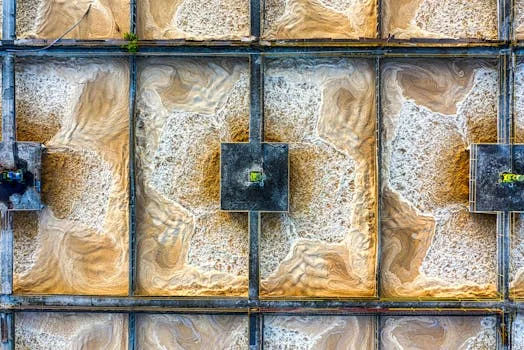
Understanding the full financial scope of a sewage treatment project in Rotterdam requires a detailed breakdown of both Capital Expenditure (CAPEX) and Operational Expenditure (OPEX), alongside a clear Return on Investment (ROI) calculation. CAPEX for a new installation typically comprises equipment costs (60–70%), installation and commissioning (15–20%), permitting and engineering fees (5–10%), and civil works (10–15%). For example, a DAF system may range from €80,000–€300,000, while an MBR system can range from €120,000–€1.2M, depending on capacity and complexity.
OPEX is a recurring cost that significantly impacts long-term viability, with energy consumption accounting for 30–40%, chemicals for 20–30%, sludge disposal for 15–25%, labor for 10–15%, and maintenance for 5–10%. Rotterdam-specific sludge disposal costs typically range from €150–€250 per ton, making sludge volume reduction a critical ROI driver. Other key ROI drivers include potential water reuse (MBR systems can enable up to 90% water recovery, reducing freshwater intake costs) and the avoidance of regulatory fines, which can exceed €50,000 per year for persistent non-compliance. For further insights into cost breakdowns, consult Rotterdam-specific cost breakdowns for sewage treatment projects.
An interactive tool for ROI calculation can be formulated as: ROI (years) = (Annual OPEX Savings + Avoidance of Fines) / (CAPEX - Resale Value). For example, an MBR system with a CAPEX of €200,000 that generates €50,000/year in OPEX savings (due to water reuse and reduced sludge) and avoids €10,000/year in fines, would achieve payback in approximately 3.3 years, making it a compelling investment.
| Cost Category | Typical Percentage of Total Cost | Specific Examples (Rotterdam, 2025) |
|---|---|---|
| CAPEX (Capital Expenditure) | ||
| Equipment Purchase | 60–70% | DAF: €80,000–€300,000; MBR: €120,000–€1.2M |
| Installation & Commissioning | 15–20% | Civil works, piping, electrical, startup testing |
| Permitting & Engineering | 5–10% | Environmental impact assessments, design, regulatory fees |
| Civil Works | 10–15% | Foundations, tank construction (if applicable), structural elements |
| OPEX (Operational Expenditure) | ||
| Energy Consumption | 30–40% | Pumps, blowers, aeration, DAF compressors (0.2–1.5 kWh/m³) |
| Chemicals | 20–30% | Coagulants, flocculants, pH adjusters, disinfectants |
| Sludge Disposal | 15–25% | €150–€250 per ton in Rotterdam; volume reduction is key |
| Labor | 10–15% | Operator wages, routine checks, monitoring |
| Maintenance & Spares | 5–10% | Membrane replacement (€50–€100/m² every 5–8 years), pump parts, sensors |
Zero-Risk Selection Framework: Step-by-Step Guide for Rotterdam Buyers
A systematic approach is essential for Rotterdam buyers to make a zero-risk procurement decision, ensuring compliance, efficiency, and cost-effectiveness. This framework guides buyers through critical evaluation stages:
- Step 1: Define Wastewater Profile (Flow Rate, Contaminants, Variability). The initial step is to conduct a comprehensive wastewater analysis. This includes average and peak flow rates, temperature, and a detailed breakdown of contaminants like BOD5, COD, TSS, FOG, pH, heavy metals, and nutrient levels. For instance, if FOG levels consistently exceed 100 mg/L (common in food processing), a DAF system is mandatory for effective pre-treatment.
- Step 2: Map to Compliance Requirements (EU vs. Rotterdam Port Authority). Clearly identify the specific discharge limits applicable to your site. If discharging to a sensitive area like the Nieuwe Maas River, nitrogen targets of ≤10 mg/L typically require advanced treatment such as MBR or specialized chemical dosing systems, exceeding standard EU Directive requirements. Understand the nuances of the Netherlands’ Waterwet and Wet milieubeheer for permitting.
- Step 3: Evaluate Site Constraints (Space, Water Table, Noise). Physical limitations significantly influence equipment choice. For sites with limited surface area or high water tables, underground WSZ series plants are ideal for residential areas, minimizing environmental impact and noise. Conversely, mobile DAF units are practical for construction sites requiring temporary solutions. Consider noise regulations for urban installations.
- Step 4: Compare Suppliers Using the 2025 Comparison Matrix (CAPEX, OPEX, Lead Time). Utilize a data-driven comparison matrix to evaluate potential suppliers based on concrete metrics. Prioritize suppliers that offer transparent cost breakdowns (CAPEX, OPEX), verifiable performance guarantees (e.g., 95% TSS removal), and proven compliance with EU/Netherlands certifications. Be wary of suppliers without clear local references or certifications, as this can lead to permitting delays.
- Step 5: Pilot Testing (If Possible). For complex industrial projects or novel wastewater streams, recommending a 3-month pilot trial can significantly de-risk the investment. For example, testing a DAF system for FOG removal with your specific wastewater before full-scale deployment provides real-world performance data, validating design parameters and ensuring effluent quality.
- Step 6: Contract Negotiation. Finalizing the contract involves securing key clauses to protect your investment. Insist on explicit performance guarantees (e.g., "95% TSS removal or agreed penalties for non-compliance"), clear terms for spare parts availability (e.g., "24-hour response time for critical components"), and comprehensive operator training and certification programs included in the package. Netherlands-specific hospital wastewater treatment solutions often highlight the importance of these contractual details.
Frequently Asked Questions
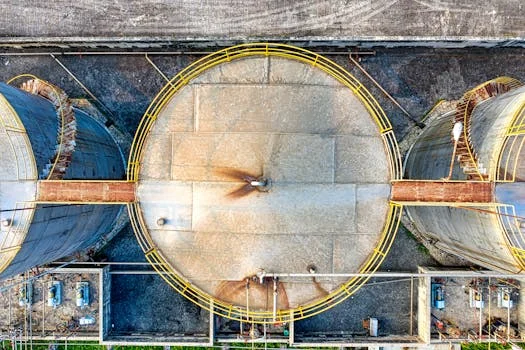
Procurement managers and environmental engineers in Rotterdam frequently encounter similar questions when evaluating sewage treatment equipment.
Q: What’s the typical lead time for sewage treatment equipment in Rotterdam?
A: Lead times vary significantly. For standard, off-the-shelf systems, international manufacturers like HydropureWater typically offer 8–12 weeks. Local suppliers often deliver in 12–16 weeks due to local manufacturing or logistics. Custom-engineered solutions, such as MBR systems for high-nitrogen industrial wastewater, can extend lead times to 20–24 weeks, requiring careful project planning.
Q: When should I choose a DAF system versus an MBR system for industrial wastewater in Rotterdam?
A: Choose a DAF system (e.g., HydropureWater) for industrial wastewater with high concentrations of fats, oils, grease (FOG), total suspended solids (TSS), or light particulates, common in food processing or petrochemicals, primarily for pre-treatment. Opt for an MBR system when your discharge requires extremely high effluent quality (e.g., COD ≤50 mg/L, TSS ≤5 mg/L), for water reuse applications, or when site space is severely constrained, as MBRs offer a 60% smaller footprint than conventional systems.
Q: What are the average sludge disposal costs in Rotterdam, and how can equipment reduce them?
A: Sludge disposal costs in Rotterdam typically range from €150–€250 per ton. Equipment like DAF systems and plate and frame filter presses are crucial for reducing these costs. DAF systems efficiently remove solids and FOG, concentrating sludge. Filter presses further dewater this sludge, reducing its volume by up to 85% and significantly lowering transportation and disposal expenses, directly impacting OPEX.
Q: What are the key permitting requirements for industrial wastewater discharge in Rotterdam?
A: Industrial wastewater discharge in Rotterdam falls under the Netherlands’ ‘Waterwet’ (Water Act) and ‘Wet milieubeheer’ (Environmental Management Act). You'll require a specific permit from the local water authority or province, depending on the discharge point and volume. The Rotterdam Port Authority also imposes strict pre-treatment requirements, such as oil/water separators and pH adjustment, before industrial wastewater can be discharged into municipal systems or surface waters.