Wastewater Treatment Plant Cost in Zarqa 2025: CAPEX, OPEX & Tech-Specific Breakdown for Industrial Buyers
In Zarqa, wastewater treatment plant costs vary widely by technology and scale. For a 150,000 m³/day municipal plant like Wadi Zarqa, CAPEX ranges from $275M–$450M (2025 USD), with OPEX of $0.12–$0.35/m³ depending on energy efficiency and sludge disposal methods. Industrial plants (1,000–10,000 m³/day) see CAPEX of $1.2M–$15M and OPEX of $0.25–$0.80/m³, with membrane bioreactors (MBRs) offering higher upfront costs but 30–40% lower OPEX than conventional systems. Local suppliers like HydropureWater can reduce CAPEX by 15–25% compared to international brands, while meeting Jordanian discharge standards (e.g., COD <150 mg/L, TSS <30 mg/L).
The economic and regulatory environment in Zarqa, Jordan, presents unique challenges for industrial buyers.The 2025 economic conditions in Zarqa, Jordan’s industrial heartbeat, are defined by a critical intersection of water scarcity and industrial expansion. The Zarqa River basin continues to face environmental pressure, and the Jordanian government has implemented more stringent monitoring protocols. For industrial buyers, understanding the "Zarqa Premium"—the additional cost associated with treating highly saline and high-COD (Chemical Oxygen Demand) influent typical of the region—is essential. Factors such as the local inflation rate for construction materials, which saw a 4.5% uptick in early 2025, and the fluctuating cost of imported membrane technologies must be factored into any long-term budgetary planning.
By 2025, the shift toward "Circular Water Economy" models in Jordan has become a financial imperative. The Ministry of Water and Irrigation (MWI) has signaled that subsidies for industrial freshwater will continue to taper off, making the ROI (Return on Investment) for advanced secondary and tertiary treatment systems more attractive. Buyers must now evaluate the "Cost of Water Risk," where the lack of an on-site treatment plant could lead to total production halts during municipal water shortages.
Why Zarqa’s Wastewater Treatment Costs Are Rising: A Factory Manager’s Dilemma
Zarqa’s industrial growth has led to increased pressure on existing wastewater infrastructure.Zarqa’s industrial growth has seen a 20% increase in manufacturing output since 2020, significantly straining existing wastewater infrastructure and forcing a shift in how facilities manage effluent. For a factory manager in the Zarqa Industrial Zone, the financial pressure is twofold: rising municipal discharge fees and the tightening grip of environmental regulations. Currently, non-compliant industrial discharge fees range from $0.50 to $1.20 per cubic meter, a cost that can quickly erode the thin margins of textile or food processing operations.
Jordan’s 2025 wastewater discharge standards now mandate a Chemical Oxygen Demand (COD) of less than 150 mg/L and Total Suspended Solids (TSS) of less than 30 mg/L. According to 2024 data from the Jordan Ministry of Environment, nearly 60% of Zarqa’s industrial facilities require urgent upgrades to meet these benchmarks. The cost of inaction is high; for instance, a Zarqa-based textile plant was fined $2.1M in 2023 for repeatedly exceeding TSS limits.
The dilemma for factory managers is further complicated by the unique chemistry of Zarqa's industrial effluent. Unlike domestic sewage, industrial wastewater in the Free Zone often contains heavy metals, dyes, and complex organic compounds that require specialized pre-treatment stages. Adding a Dissolved Air Flotation (DAF) unit or a specialized chemical coagulation phase can increase the initial CAPEX by 15-20%, but it is often the only way to protect downstream biological processes from toxic shocks.
The cost of labor for specialized plant operators in Jordan has risen. A modern plant in Zarqa requires technicians skilled in PLC (Programmable Logic Controller) management and membrane maintenance. This has led many factory managers to opt for automated systems that, while more expensive upfront, reduce the long-term OPEX associated with human error and high turnover in technical roles.
The primary cost drivers for Zarqa buyers in 2025 are categorized into technology selection, energy efficiency, and the choice between local and international suppliers. While conventional systems may appear cheaper initially, the high cost of water in Jordan—averaging $0.80/m³ for industrial use—makes water reuse technologies a financial necessity rather than a luxury.
Wastewater Treatment Plant Cost Framework: CAPEX vs. OPEX for Zarqa Buyers
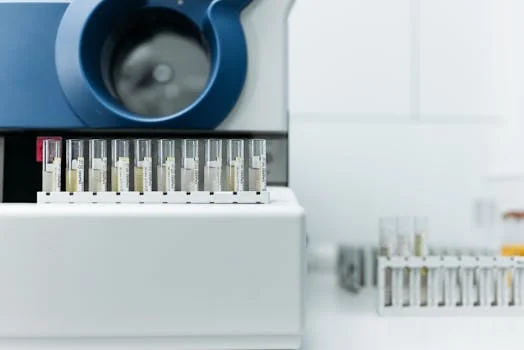
Capital Expenditure (CAPEX) for a wastewater treatment plant in Zarqa typically consists of equipment (60–70%), civil works (20–30%), and installation (10–15%). Data from the European Investment Bank (EIB) regarding the Wadi Zarqa WWTP indicates that equipment procurement alone accounted for $165M of the total $275M initial budget. For smaller industrial applications, the civil works percentage may decrease if modular, containerized systems are utilized, as these require minimal on-site construction.
Operating Expenditure (OPEX) in the Zarqa region is heavily influenced by energy prices and chemical requirements. The breakdown of OPEX generally follows this pattern: energy (30–50%), chemicals (15–25%), labor (10–20%), sludge disposal (10–15%), and routine maintenance (5–10%).
To accurately budget, procurement teams use the Total Cost of Ownership (TCO) formula: TCO = CAPEX + (OPEX/m³ × daily capacity × 365 × lifespan). For a 5,000 m³/day industrial plant, the TCO over a 20-year lifespan ranges from $12M to $25M.
Deep Dive into CAPEX Variables in the Zarqa Context
When analyzing CAPEX, soil conditions play a significant role.When analyzing CAPEX, Zarqa buyers must account for soil conditions. Much of the industrial land in Zarqa requires specific piling or reinforced foundations to support heavy concrete aeration tanks, which can push civil engineering costs toward the 30% mark.
OPEX Mitigation Strategies for 2025
Energy remains a volatile component of OPEX in Jordan.Energy remains the most volatile component of OPEX in Jordan. In response, many new WWTP designs in Zarqa are incorporating solar PV arrays. A plant with a 2,000 m³/day capacity can typically offset 40% of its aeration energy needs with a 500kW solar installation.
| Cost Component | Industrial (5,000 m³/day) | Municipal (150,000 m³/day) | Primary Cost Drivers |
|---|---|---|---|
| CAPEX Range | $3.5M – $8.0M | $275M – $450M | Tech type, civil works, automation |
| OPEX per m³ | $0.25 – $0.80 | $0.12 – $0.35 | Energy tariffs, sludge volume |
| Equipment % | 70% | 60% | Membrane quality, pump efficiency |
| Civil Works % | 15% | 30% | Land preparation, concrete tanks |
Technology-Specific Cost Breakdown:
The selection of technology significantly impacts wastewater treatment plant costs in Zarqa.In 2025, the selection of technology is the single most significant determinant of the wastewater treatment plant cost in Zarqa. Each technology offers a different balance of CAPEX and OPEX, tailored to the specific effluent profile of the buyer.
1. Moving Bed Biofilm Reactor (MBBR)
MBBR systems are popular for upgrading existing overloaded plants.MBBR systems have become popular in Zarqa for upgrading existing overloaded plants. CAPEX: $1.5M - $4M for 2,000 m³/day. OPEX: $0.30 - $0.50/m³.
2. Membrane Bioreactor (MBR)
MBR is the gold standard for water reuse in Jordan.MBR is the gold standard for water reuse in Jordan. CAPEX: $2.5M - $6M for 2,000 m³/day. OPEX: $0.45 - $0.75/m³.
3. Sequencing Batch Reactor (SBR)
SBR is often chosen for its flexibility in handling batch discharges.SBR is often chosen for its flexibility in handling batch discharges from food and beverage plants. CAPEX: $1.2M - $3.5M for 2,000 m³/day. OPEX: $0.35 - $0.55/m³.
4. Dissolved Air Flotation (DAF)
DAF is essential as a pre-treatment step for Zarqa's textile and dairy industries.DAF is essential as a pre-treatment step for Zarqa's textile and dairy industries. CAPEX: $150,000 - $500,000 (as a component). OPEX: $0.10 - $0.20/m³.
Related Equipment
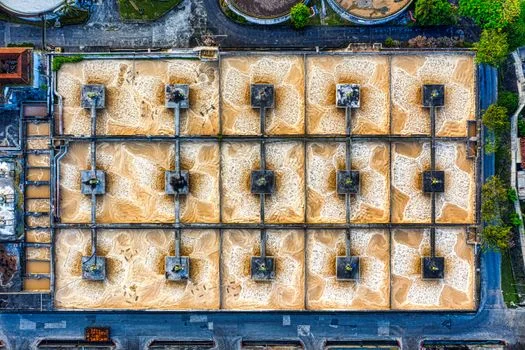
Selecting the right equipment for Zarqa's harsh environmental conditions—including high summer temperatures and dusty air—is vital for maintaining the design lifespan of the plant. The following HydropureWater products are engineered for the wastewater challenges discussed above:
- HydropureWater’s DAF system for Zarqa’s textile and food processing wastewater — This system is specifically designed to handle high-salinity effluent without corroding, utilizing high-grade stainless steel components.
- Integrated MBR Package Plants — For smaller industrial units or residential complexes in the Zarqa suburbs, these pre-engineered units offer a "plug-and-play" solution.
- High-Efficiency Diffused Aeration Systems — Since energy accounts for up to 50% of OPEX, upgrading to fine-bubble diffusers can reduce electricity consumption.
Need a customized solution? Request a free quote with your specific flow rate and pollutant parameters.
Further Reading
Several technical guides are available to assist procurement managers and lead engineers in Zarqa.To further assist procurement managers and lead engineers in Zarqa, we have compiled a series of technical guides:
- Learn how DAF systems remove 95%+ TSS and FOG from industrial wastewater.
- See how Zarqa’s industrial WWTP costs compare to hospital wastewater treatment in other regions.
- Use this ROI calculator template for your Zarqa WWTP project.
- Jordanian Standard JS 893/2006 Compliance Checklist: A practical resource for ensuring your plant design meets the 2025 updated enforcement guidelines.