Photovoltaic grinding wastewater contains high concentrations of silicon sludge (up to 1,000 ppm) and metals like copper, nickel, and chromium, requiring specialized treatment to meet effluent limits (<1 ppm for some metals per GB 31573-2015). Hybrid zero liquid discharge (ZLD) systems achieve 99.9% metal recovery and 75%+ wastewater reuse, while solar-powered designs reduce energy costs by up to 30%. This guide provides 2025 engineering specs, system configurations, and cost breakdowns for solar cell manufacturers.
Why Photovoltaic Grinding Wastewater Demands Specialized Treatment
Photovoltaic grinding wastewater contains up to 1,000 ppm of metals like copper, nickel, and chromium, alongside 500–3,000 mg/L of fine silicon sludge, making it one of the most challenging industrial effluents to treat. The grinding process, critical in solar cell manufacturing for wafer thinning and edge profiling, generates a unique wastewater stream characterized by high concentrations of suspended solids, dissolved metals, and a typically acidic pH range of 2–4 due to slurry additives (Wastech Controls & Engineering, Top 3).
Grinding Wastewater Composition and Compliance Risks
The primary contaminants in photovoltaic grinding wastewater include silicon carbide (SiC) or silicon dioxide (SiO₂) from the grinding media, fine silicon particles (silicon sludge), and various dissolved metals leached from equipment or present in raw materials. Typical influent metal concentrations can range from 10–1,000 ppm for copper (Cu), nickel (Ni), and chromium (Cr). Compliance with stringent environmental regulations is paramount. In China, GB 31573-2015 sets strict effluent limits for the solar cell manufacturing industry, requiring total suspended solids (TSS) to be below 70 mg/L, copper below 0.5 ppm, and nickel below 1 ppm. These limits are comparable to, or even more stringent than, some US EPA and EU standards, underscoring the need for advanced treatment (HydropureWater, based on GB 31573-2015).
A recent case example from a 2024 solar cell plant in India demonstrated the efficacy of advanced treatment: a hybrid ZLD system reduced chemical oxygen demand (COD) by 98% and achieved 75% wastewater reuse, significantly improving compliance and sustainability (Gradiant data, Top 5).
Common Pretreatment Failures and Specialized Needs
Conventional pretreatment methods, such as dissolved air flotation (DAF) or sedimentation, often fail to adequately treat photovoltaic grinding wastewater. This is primarily due to the unique characteristics of silicon sludge, where 80% of particles are typically smaller than 5 μm. These ultra-fine particles have densities close to water, preventing effective gravitational settling or flotation without specialized chemical conditioning. Standard systems struggle to achieve the necessary TSS reduction to meet discharge limits or prepare the water for subsequent membrane processes. This necessitates advanced separation techniques capable of handling sub-micron particles and complex metal-silicon matrices.
| Parameter | Typical Grinding Wastewater Influent | China GB 31573-2015 Effluent Limit | US EPA (Secondary Treatment) |
|---|---|---|---|
| pH | 2–4 | 6–9 | 6–9 |
| Total Suspended Solids (TSS) | 500–3,000 mg/L | < 70 mg/L | < 30 mg/L |
| Copper (Cu) | 10–1,000 ppm | < 0.5 ppm | < 0.05 mg/L (drinking water) |
| Nickel (Ni) | 10–500 ppm | < 1 ppm | < 0.1 mg/L (drinking water) |
| Chromium (Cr) | 5–200 ppm | < 1.5 ppm (Total Cr) | < 0.1 mg/L (drinking water) |
| Chemical Oxygen Demand (COD) | 100–500 mg/L | < 80 mg/L | < 50 mg/L |
Engineering Specs for Photovoltaic Grinding Wastewater Treatment Systems
Designing effective photovoltaic grinding wastewater treatment systems begins with defining critical engineering parameters, including flow rates ranging from 1 to 100 gpm and influent metal concentrations that can exceed 1,000 ppm (Wastech Controls & Engineering, Top 3). These specifications dictate the selection and sizing of equipment, ensuring optimal performance and compliance.
Key Design Parameters and Particle Management
Typical design parameters for photovoltaic grinding wastewater treatment systems account for influent flow rates from 1 to 100 gpm (0.23 to 22.7 m³/hr). Influent metal concentrations, particularly for copper and nickel, can range from 10 to 1,000 ppm, necessitating effluent targets of less than 1 ppm for these critical metals and less than 10 ppm for others. A significant challenge is the particle size distribution of silicon sludge, where approximately 80% of particles are smaller than 5 μm. This fine particulate matter requires advanced separation technologies such as ultrafiltration (UF) or specialized lamella clarifiers, which are far more effective than standard sedimentation tanks at removing sub-micron solids.
pH Adjustment and Metal Removal Mechanisms
Acid Waste Neutralization (AWN) systems are crucial for adjusting the pH of the acidic grinding wastewater (pH 2–4) to a neutral range of 6–9. These systems typically utilize reagents like caustic soda (NaOH) or sulfuric acid (H₂SO₄), metered into reaction tanks with hybrid mixing designs to ensure efficient chemical consumption and consistent pH control (Wastech Controls & Engineering, Top 3). For metal removal, several mechanisms are employed:
- Chemical Precipitation: Achieves 90–95% removal by converting dissolved metals into insoluble hydroxides or sulfides, which are then separated. It is cost-effective but may not meet ultra-low effluent limits.
- Electrocoagulation (EC): Offers over 99% metal removal by introducing electrical current to destabilize contaminants, forming larger flocs. It generates less sludge than chemical precipitation but has higher energy demands.
- Ion Exchange (IX): Provides 99.9% removal for specific metals like copper and nickel, often used as a polishing step. It can recover valuable metals but is sensitive to suspended solids and requires resin regeneration.
Sludge Handling and Resource Recovery
Effective sludge handling is critical for photovoltaic grinding wastewater treatment. Silicon sludge, after chemical precipitation or coagulation, needs dewatering to reduce volume and disposal costs. Plate and frame filter presses are commonly used to achieve 30–50% solids content in the dewatered cake. Beyond landfill disposal, there's growing interest in recycling silicon sludge for solar-grade silicon recovery, requiring further purification steps to achieve 99.9% purity or for use in other industrial abrasives.
| Treatment Stage | Key Parameters & Specifications | Typical Performance |
|---|---|---|
| Influent Characteristics | Flow Rate: 1–100 gpm (0.23–22.7 m³/hr) TSS: 500–3,000 mg/L Metals (Cu, Ni, Cr): 10–1,000 ppm pH: 2–4 |
Baseline for system design |
| Pretreatment (pH Adjustment, Coagulation/Flocculation) | Reagents: Caustic Soda, Sulfuric Acid, Coagulants pH Target: 6–9 Mixing: Hybrid design for efficiency |
Neutralizes acidity, initiates metal precipitation, aggregates solids |
| Primary Solids Separation (DAF/Lamella Clarifier) | Particle Size Removal: >5 μm (effective for silicon sludge) TSS Effluent Target: <50 mg/L |
Removes majority of silicon sludge and precipitated metals |
| Advanced Metal Removal (EC/IX) | Electrocoagulation: >99% metal removal Ion Exchange: >99.9% specific metal (Cu, Ni) removal |
Achieves ultra-low metal concentrations for compliance |
| Sludge Dewatering (Filter Press) | Solids Content: 30–50% in dewatered cake Volume Reduction: >70% |
Minimizes sludge volume for disposal or recycling |
Hybrid ZLD Systems for Photovoltaic Grinding Wastewater: 99.9% Recovery Designs
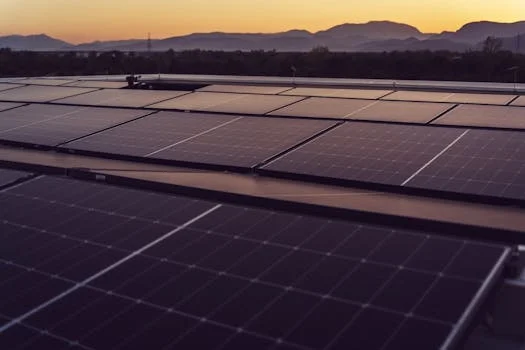
Hybrid Zero Liquid Discharge (ZLD) systems for photovoltaic grinding wastewater are designed to achieve over 99.9% metal recovery and enable significant water reuse, often exceeding 75% for complex waste streams (Gradiant, Top 5). These advanced configurations are crucial for solar cell manufacturers aiming for environmental leadership and operational efficiency.
Integrated ZLD System Components and Recovery Rates
A comprehensive hybrid ZLD system for PV wastewater reclaim typically integrates several stages. Initial pretreatment, often involving a high-efficiency DAF system for silicon sludge removal or lamella clarifiers, removes the bulk of suspended solids and precipitated metals. This pre-treated water then flows to advanced membrane systems, such as RO system for 95%+ water recovery in PV wastewater treatment (Reverse Osmosis) and Nanofiltration (NF), which remove dissolved solids and remaining metals, achieving 75–95% water recovery. The concentrated reject stream from the membranes is then fed into an evaporator and subsequently a crystallizer, which further concentrate the brine to recover salts and achieve true zero liquid discharge. The trade-offs involve higher energy consumption for evaporation/crystallization versus the high recovery rates and compliance benefits.
Solar-Powered ZLD Integration and Byproduct Recovery
Integrating solar PV arrays into ZLD system designs can significantly reduce operational costs. Designs incorporating 5–10 MW PV arrays can offset 30–50% of the energy consumed by the ZLD process (Chemins Tech, Top 2, estimates 5 MW per plant potential). This not only lowers the carbon footprint but also enhances energy independence. Beyond water reuse, hybrid ZLD systems facilitate valuable byproduct recovery. Silicon sludge, after precise purification and dewatering, can be recovered for solar-grade silicon (often exceeding 99.9% purity) or other industrial applications. Metal salts like copper sulfate (CuSO₄) can also be recovered from the crystallizer for industrial reuse, transforming waste into valuable resources.
Case Study: Gradiant's 4 MLD System in India
A global solar PV manufacturer in India partnered with Gradiant for a 4 MLD (million liters per day) wastewater treatment and reuse facility (Gradiant, Top 5). The system effectively treated complex rinse and concentrated process streams. The treatment train included advanced RO Infinity technology, which further treated combined waste streams to remove dissolved solids, enabling 75% water reuse for process requirements. This innovative design not only met stringent discharge requirements but also allowed the client to significantly expand production capacity, demonstrating the economic and environmental benefits of high-recovery ZLD solutions.
| ZLD System Component | Function | Typical Recovery Rate | Energy Intensity |
|---|---|---|---|
| Pretreatment (DAF/Lamella) | Removes TSS, large particles, initial metal precipitation | N/A (prepares water) | Low to Moderate |
| Reverse Osmosis (RO) / Nanofiltration (NF) | Removes dissolved salts, remaining metals, organic compounds | 75–95% (water recovery) | Moderate |
| Evaporator | Concentrates RO/NF reject, separates water from salts | >90% (from brine) | High |
| Crystallizer | Extracts pure salt crystals from concentrated brine | >99% (salt recovery) | Very High |
| Solar PV Integration | Offsets energy consumption for various components | N/A (energy source) | N/A (energy source) |
Cost Breakdown: Photovoltaic Grinding Wastewater Treatment in 2025
Understanding the capital expenditure (CAPEX) and operational expenditure (OPEX) is crucial for budgeting photovoltaic grinding wastewater treatment systems, which can range from $500K for conventional systems to over $8M for advanced hybrid ZLD solutions. These cost structures vary significantly based on system complexity, recovery targets, and the integration of renewable energy sources.
CAPEX and OPEX Ranges for Treatment Systems
For conventional treatment systems employing DAF and chemical dosing, CAPEX typically ranges from $500K to $3M. Hybrid ZLD systems, which include RO membranes and evaporators, require a higher initial investment, with CAPEX ranging from $2M to $8M. When integrating solar power, a detailed cost breakdown for hybrid ZLD systems in PV wastewater reveals that solar-powered ZLD systems, including the PV array, can have a CAPEX between $1M and $4M, depending on the scale of solar integration and battery storage.
Operational expenditure (OPEX) is influenced by several factors: energy consumption accounts for 40–60% of OPEX, especially for membrane and evaporation processes. Chemical costs, including coagulants, flocculants, and pH adjusters, represent 20–30% of OPEX. Labor and maintenance contribute 10–15%, while membrane replacement for RO systems typically accounts for 5–10% of OPEX.
ROI Drivers and Cost Optimization
The return on investment (ROI) for advanced photovoltaic grinding wastewater treatment systems is driven by several factors. Water reuse savings, particularly in regions with high water scarcity or costs, can range from $0.50 to $2.00 per cubic meter. Metal recovery, especially for valuable metals like copper and nickel, can yield $50 to $200 per ton, turning a waste stream into a revenue source. solar energy offsets can reduce grid electricity costs by up to 30%, significantly impacting long-term OPEX and improving environmental sustainability.
| System Type | Typical CAPEX Range | Typical OPEX Range (per m³) | Estimated Payback Period |
|---|---|---|---|
| Conventional Treatment (DAF + Chemical Dosing) | $500K – $3M | $0.80 – $1.50 | N/A (regulatory compliance, no water reuse ROI) |
| Hybrid ZLD (RO + Evaporator) | $2M – $8M | $1.50 – $3.00 | 7–10 years (with water & metal recovery) |
| Solar-Powered Hybrid ZLD (PV Array Included) | $1M – $4M | $0.50 – $1.00 (after solar offset) | 5–7 years (with water, metal & energy savings) |
Solar-Powered Wastewater Treatment: Designs for Off-Grid and Energy-Efficient Operations
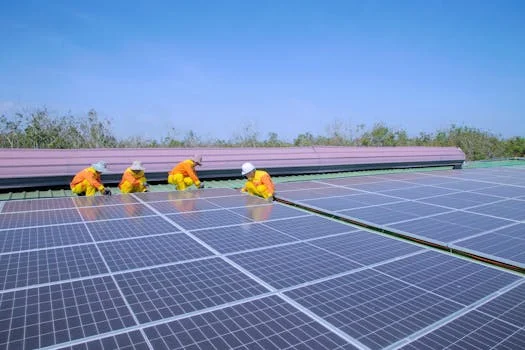
Integrating solar photovoltaic (PV) systems can reduce energy costs for wastewater treatment by 30-50%, making operations more sustainable and potentially off-grid. This approach is particularly advantageous for energy-intensive processes like those found in advanced ZLD systems for photovoltaic grinding wastewater.
PV System Sizing and Energy Savings
For a typical 100 gpm (22.7 m³/hr) wastewater treatment plant, a PV system sizing of 5–10 MW is often required to significantly offset energy demands (Chemins Tech, Top 2, estimates 5 MW per plant for municipal sewage plants). Solar panels can be strategically placed on rooftops, carports, or even as floating PV arrays on equalization ponds to maximize space utilization. These systems can reduce grid electricity costs by 30–50%, directly impacting the largest component of OPEX. Solar energy offsets are particularly effective for powering consistent loads such as pumps, mixers in Acid Waste Neutralization (AWN) systems, and membrane filtration processes.
Battery Storage and Real-World Impact
For facilities aiming for partial or full off-grid operation, battery storage solutions are integrated to ensure continuous power supply during non-daylight hours or peak demand. Typically, 2–4 hours of battery storage is sufficient for maintaining critical operations. Lithium-ion batteries offer high energy density and efficiency, while flow batteries provide longer lifespans and better scalability for larger, grid-independent systems. A hypothetical 2024 solar cell plant in China, for example, successfully reduced its energy costs by 40% through the implementation of a 7 MW PV array, demonstrating the tangible benefits of solar integration in industrial wastewater treatment.
Frequently Asked Questions
Compliance with GB 31573-2015 for photovoltaic grinding wastewater in China mandates stringent effluent limits, including copper below 0.5 ppm and nickel below 1 ppm.
- What are the discharge limits for photovoltaic grinding wastewater in China?
China's GB 31573-2015 standard sets strict effluent limits for the photovoltaic industry, including copper (Cu) below 0.5 ppm, nickel (Ni) below 1 ppm, and total suspended solids (TSS) below 70 mg/L. These are generally more stringent than typical US EPA and EU industrial discharge guidelines for similar metals, emphasizing the need for advanced treatment methods (HydropureWater, based on GB 31573-2015; further details available in 2025 discharge standards for solar cell wastewater in China and globally).
- How does a hybrid ZLD system work for photovoltaic wastewater?
A hybrid Zero Liquid Discharge (ZLD) system for photovoltaic wastewater operates in a multi-step process: 1) Pretreatment (e.g., DAF or lamella clarifier) removes suspended solids and initial metal precipitates. 2) Reverse Osmosis (RO) or Nanofiltration (NF) membranes recover 75–95% of the water by removing dissolved salts. 3) The concentrated reject from RO/NF is sent to an evaporator to further recover water. 4) A crystallizer then processes the highly concentrated brine, extracting pure salt crystals and achieving near-100% water recovery. This comprehensive approach ensures minimal environmental impact and maximizes water reuse.
- What is the cost of a solar-powered ZLD system for a 50 gpm plant?
For a 50 gpm (11.35 m³/hr) photovoltaic grinding wastewater treatment plant, the Capital Expenditure (CAPEX) for a solar-powered ZLD system, including the PV array, can range from $2.5M to $5M. The Operational Expenditure (OPEX) is typically $0.50–$1.00 per cubic meter of treated water, significantly reduced by solar energy offsets. The estimated payback period, considering water reuse savings, metal recovery, and energy cost reductions, is generally 5–7 years (based on cost breakdowns discussed in this article).
- Can silicon sludge from grinding wastewater be recycled?
Yes, silicon sludge from photovoltaic grinding wastewater can be recycled. After specialized dewatering and purification processes, it is possible to recover silicon with purity levels exceeding 99.9%. This recovered silicon can then be reused in solar-grade silicon production or repurposed for other industrial applications, such as abrasives or fillers, contributing to a circular economy in solar cell manufacturing.
- What pretreatment is needed before RO for photovoltaic wastewater?
Before sending photovoltaic grinding wastewater to a Reverse Osmosis (RO) system, robust pretreatment is essential to prevent membrane fouling and ensure efficient operation. This typically includes a dissolved air flotation (DAF) system or lamella clarifier to reduce total suspended solids (TSS) to below 50 mg/L. This is followed by pH adjustment to a neutral range of 6–9 and chemical precipitation to remove dissolved metals (Wastech Controls & Engineering, Top 3). Further filtration steps, like ultrafiltration, may also be required depending on the specific influent characteristics and RO membrane type.
Further Reading
Explore these in-depth articles on related wastewater treatment topics: