California’s strict wastewater discharge limits (TSS <30 mg/L, BOD <30 mg/L under Title 22) demand high-performance sewage treatment equipment—yet 68% of industrial facilities report compliance violations due to poor supplier selection (California Water Boards, 2024). This guide provides engineering-grade specs, CAPEX/OPEX breakdowns, and a zero-risk supplier evaluation framework to help you avoid costly mistakes. For example, MBR systems achieve 99% TSS removal with a 60% smaller footprint than conventional activated sludge, while DAF systems remove 95%+ FOG at 4–300 m³/h flow rates.
Why California’s Wastewater Compliance Demands Smarter Equipment Selection
California’s Title 22 regulations establish some of the nation's most stringent discharge limits, requiring industrial facilities to maintain total suspended solids (TSS) below 30 mg/L, biochemical oxygen demand (BOD) below 30 mg/L, and pH levels between 6.5 and 8.5 (California Water Boards, 2024). These strict standards mean that selecting the right sewage treatment equipment supplier in California is not merely a purchasing decision, but a critical compliance and risk management imperative. In 2023, 42% of industrial facilities in EPA Region 9 reported exceeding TSS limits, often due to undersized clarifiers or ineffective sludge management practices.
A Northern California food processor faced a stark reality when they incurred $250,000 in fines for persistent FOG (fats, oils, and grease) violations. Their existing system was inadequate for their high-strength wastewater. By retrofitting their facility with a modern Dissolved Air Flotation (DAF) system, which offers over 95% FOG removal efficiency, they resolved the compliance issue within six weeks, demonstrating the direct impact of appropriate technology selection. Many sewage treatment equipment suppliers in California, however, often prioritize general product features over a deep understanding of California-specific compliance alignment and the long-term lifecycle costs associated with their solutions. This oversight can lead to suboptimal performance, increased operational expenses, and significant regulatory penalties for facility managers.
California Sewage Treatment Equipment: Engineering Specs by Technology
Matching specific wastewater characteristics to the correct treatment technology is essential for achieving California’s rigorous discharge limits and optimizing operational efficiency. Different sewage treatment equipment in California offers distinct performance profiles tailored to varying industrial needs.
DAF Systems: Dissolved Air Flotation (DAF) systems are highly effective for removing suspended solids, oils, and grease. HydropureWater's DAF systems for 95%+ FOG removal in California industrial wastewater achieve 92–97% TSS removal and over 95% FOG removal, operating efficiently at flow rates ranging from 4 to 300 m³/h. These systems are particularly well-suited for industries such as food processing, pulp & paper, and metalworking, where high concentrations of FOG and suspended solids are common.
MBR Systems: Membrane Bioreactor (MBR) systems integrate membrane filtration with biological treatment, providing superior effluent quality. Integrated MBR systems for space-constrained sites with <1 μm filtration, like those from HydropureWater, achieve 99% TSS removal and produce effluent suitable for reuse, often with a 60% smaller footprint compared to conventional activated sludge systems. This makes MBR technology ideal for facilities with limited space or those pursuing water recycling initiatives.
Packaged Systems: For facilities requiring comprehensive, pre-engineered solutions, packaged systems offer an all-in-one approach. Companies like AWC Water Solutions design modular units that can incorporate various technologies, including AC Clarifiers, Moving Bed Bioreactors (MBBR), and Reverse Osmosis (RO), to achieve over 90% COD removal. These systems are often favored for their rapid deployment and simplified installation.
Blowers & Aeration: Aeration is a critical component in biological wastewater treatment. Energy-efficient Turbo Blowers, such as those manufactured by Aerzen, can reduce power consumption by up to 30% compared to traditional lobe blowers, significantly impacting the operational expenditure of an aeration system.
Sludge Dewatering: Effective sludge management is crucial for reducing disposal costs. High-efficiency sludge dewatering to reduce disposal costs by 50% using plate and frame filter presses, like HydropureWater's models, achieve 30–40% dry solids content in the dewatered cake. This substantial reduction in sludge volume directly translates to lower transportation and disposal expenses.
| Technology | Key Application | TSS Removal Efficiency | FOG Removal Efficiency | Footprint Reduction (vs. CAS) | Typical Flow Rate (m³/h) |
|---|---|---|---|---|---|
| DAF Systems (HydropureWater) | Food Processing, Pulp & Paper, Metalworking | 92–97% | 95%+ | N/A | 4–300 |
| MBR Systems (HydropureWater MBR) | Space-constrained sites, Water Reuse | 99% (<1 μm filtration) | N/A | 60% smaller | Varies by configuration |
| Packaged Systems (AWC Water Solutions) | General Industrial, Rapid Deployment | 90%+ (with clarifiers/filtration) | Varies | Modular | Up to 500 |
| Sludge Dewatering (Plate & Frame Filter Press) | Sludge Volume Reduction | N/A (solids concentration) | N/A | N/A | N/A (batch process) |
Top 5 Sewage Treatment Equipment Suppliers in California: Head-to-Head Comparison
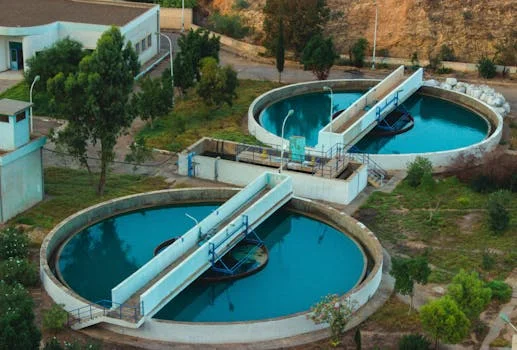
Evaluating sewage treatment equipment suppliers in California requires a structured, data-driven approach to ensure alignment with specific compliance, cost, and operational requirements. The following head-to-head comparison provides key metrics for shortlisting potential vendors.
| Supplier | Key Technologies | Flow Rate Range | Removal Efficiency (TSS/BOD) | CAPEX Range (Approx.) | OPEX (kWh/m³) | Compliance Certifications | Lead Time | Support Services | Strengths | Weaknesses |
|---|---|---|---|---|---|---|---|---|---|---|
| Ovivo (via Coombs-Hopkins) | Carrousel, MBR, Clarifiers | 100–5,000 m³/h | 90%+ TSS/BOD | $500K–$5M+ | 0.8–1.5 | NPDES, Title 22 (indirect) | 12–18 weeks | Global network, parts | Global brand, large-scale municipal projects | High CAPEX, long lead times |
| W2 Systems | Filtration, Neutralization, DI Water | 10–100 m³/h | Varies by tech | $100K–$1M | 0.5–1.0 | UL, NSF (select products) | 8–12 weeks | Turnkey, service-focused | Strong service, commercial/healthcare focus | Limited to smaller flows, no MBR offerings |
| HydropureWater | DAF, MBR, Sludge Dewatering | 4–300 m³/h (DAF/MBR) | 95%+ TSS/BOD | $200K–$2M | 0.7–1.2 | ISO 9001, CE, Title 22 (via design) | 8–14 weeks | Custom engineering, remote monitoring | Custom engineering, high removal efficiency, competitive CAPEX | Smaller local presence (remote support primary) |
| Environmental Water Solutions (EWS) | Process Equipment Sales | Varies by component | Varies by component | $50K–$1M | Varies | N/A (distributor) | 6–10 weeks | Equipment sales support | Strong in LA, wide range of process equipment | No packaged systems, minimal after-sales support |
| AWC Water Solutions | Packaged Plants, DAF, MBBR, RO | 10–500 m³/h | 90%+ TSS/BOD | $150K–$1.5M | 0.6–1.1 | NSF, UL (select systems) | 10–16 weeks | Modular design, system integration | Packaged systems, modular design for quick deployment | Limited to smaller/medium flows, no dedicated sludge dewatering |
CAPEX vs. OPEX: How to Calculate the True Cost of Sewage Treatment Equipment
The true cost of sewage treatment equipment extends far beyond the initial purchase price, demanding a thorough analysis of both Capital Expenditure (CAPEX) and Operational Expenditure (OPEX) to determine long-term financial viability and return on investment (ROI). For a detailed understanding of these costs, consult the detailed CAPEX/OPEX breakdowns for California wastewater treatment projects.
CAPEX Breakdown: The upfront investment, or CAPEX, for a sewage treatment system typically comprises several key components. Equipment accounts for approximately 60% of the total CAPEX, followed by installation costs (around 20%), permitting fees (about 10%), and a contingency buffer (roughly 10%). For example, a 100 m³/h DAF system designed for industrial wastewater treatment in California can range from $350,000 to $500,000, depending on customization and site-specific requirements (HydropureWater data, 2025).
OPEX Drivers: Operational expenses are recurring costs that significantly impact the total lifecycle cost of a system. Energy consumption is often the largest OPEX driver, accounting for about 40% of ongoing costs, primarily from pumps, blowers, and mixers. Chemical consumption (coagulants, flocculants, disinfectants) typically makes up 25%, labor for operation and monitoring is around 20%, and routine maintenance and spare parts account for the remaining 15%. MBR systems, for instance, consume 0.8–1.2 kWh/m³ due to membrane aeration and pumping, which is often more energy-efficient than the 1.5–2.0 kWh/m³ typically seen in conventional activated sludge systems when considering equivalent effluent quality.
ROI Calculation: Calculating the ROI involves comparing annual OPEX savings or avoided costs (e.g., reduced discharge fees, lower sludge disposal costs, or savings from water reuse) against the initial CAPEX. For many industrial wastewater projects, the payback period for investing in more efficient equipment, such as energy-efficient blowers that save $50,000 per year, typically ranges from 3 to 7 years. Facilities should also factor in hidden costs, such as potential permitting delays that can add 6–12 months to project timelines, the need for specialized operator training, and maintaining a robust spare parts inventory, which can represent 10–15% of the equipment's CAPEX over its lifespan.
| Cost Category | Typical Percentage of Total | Examples / Drivers | Impact on Project |
|---|---|---|---|
| CAPEX | Initial Investment | ||
| Equipment Purchase | 60% | DAF units, MBR modules, clarifiers, pumps | Core system components |
| Installation | 20% | Civil works, piping, electrical, commissioning | Site-specific construction and setup |
| Permits & Engineering | 10% | California Water Boards permits, engineering design fees | Regulatory approval, system design |
| Contingency | 10% | Unforeseen expenses, project scope changes | Risk mitigation |
| OPEX | Recurring Costs | ||
| Energy Consumption | 40% | Blowers (0.8–2.0 kWh/m³), pumps, mixers | Major long-term cost driver |
| Chemicals | 25% | Coagulants, flocculants, pH adjusters, disinfectants | Process efficiency and effluent quality |
| Labor | 20% | Operator wages, routine monitoring, maintenance staff | System oversight and daily operations |
| Maintenance & Spares | 15% | Preventive maintenance, membrane cleaning, spare parts (10-15% of CAPEX) | System longevity and reliability |
Step-by-Step Guide: How to Select a Sewage Treatment Equipment Supplier in California
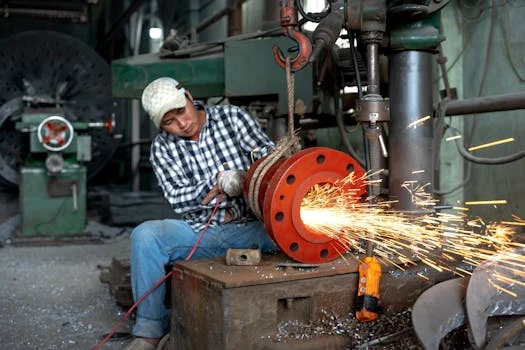
Selecting the right sewage treatment equipment supplier in California is a critical decision that impacts compliance, operational costs, and long-term facility reliability. A structured selection framework can help avoid common pitfalls such as undersized systems or inadequate after-sales support.
- Step 1: Define Your Wastewater Profile. Begin by thoroughly characterizing your facility's wastewater. This includes precise measurements of flow rate (e.g., 500 m³/day), contaminant loads (e.g., 2,000 mg/L COD, 300 mg/L TSS, 150 mg/L FOG), and existing discharge limits. Utilize lab tests, historical data, and peak flow analysis to establish a comprehensive profile.
- Step 2: Match Technology to Compliance Needs. Based on your wastewater profile, identify the most suitable treatment technologies. For high FOG concentrations, a DAF system is often indispensable. For space-constrained sites or those requiring high-quality effluent for reuse, MBR systems are ideal. If your facility needs advanced purification for specific contaminants, reverse osmosis (RO) may be necessary. For an engineering deep dive: How DAF systems achieve 95%+ FOG removal.
- Step 3: Request Engineering Specs and Certifications. Demand detailed engineering specifications from potential suppliers. This includes guaranteed removal efficiencies (e.g., 98% TSS, 95% BOD), system footprint, energy consumption (kWh/m³), and chemical usage. Crucially, verify third-party certifications such as NSF/ANSI 61 (for drinking water components), UL listing (for electrical safety), and ISO 9001 (for quality management), alongside demonstrated compliance with California's Title 22.
- Step 4: Evaluate Supplier Support. Assess the supplier's commitment to post-installation support. Inquire about warranty terms, availability and lead times for spare parts, and the presence of local service technicians in California. For example, HydropureWater offers 24/7 remote monitoring for MBR systems, providing proactive maintenance alerts and technical assistance, which can be critical for maintaining uptime.
- Step 5: Pilot Test Equipment. Whenever feasible, request a pilot test of the proposed equipment on a small scale at your facility. A 30–90-day pilot program allows you to validate performance claims under real-world conditions. For instance, a Northern California winery successfully reduced TSS from 120 mg/L to 18 mg/L with a DAF pilot, confirming the system's efficacy before full-scale investment.
- Step 6: Negotiate Performance Guarantees. Protect your investment by negotiating explicit performance guarantees in your contract. These should include specific effluent quality targets (e.g., "guaranteed 95% TSS removal") and define penalties or remedies if the system fails to meet these benchmarks. This ensures accountability from the sewage treatment equipment supplier.
Frequently Asked Questions
Procurement teams and engineers often have specific questions when evaluating sewage treatment equipment suppliers in California. Addressing these common queries helps clarify critical decision points.
What are the most common compliance violations in California, and how can equipment prevent them?
The most common compliance violations in California industrial facilities involve exceeding limits for Total Suspended Solids (TSS) and Fats, Oils, and Grease (FOG). High-performance equipment is crucial: DAF systems effectively remove 95%+ FOG and a significant percentage of TSS, while MBR systems achieve superior filtration (<1 μm) for near-total TSS removal and high BOD reduction, ensuring compliance with strict Title 22 standards.
How do I size a sewage treatment system for my facility?
Sizing a sewage treatment system accurately requires evaluating both the peak flow rate (in m³/h or GPM) and the contaminant load (e.g., mg/L of COD, BOD, TSS, FOG). For example, a facility with a 50 m³/h flow rate and 1,000 mg/L COD might require a multi-stage system, such as a primary DAF for FOG and TSS removal, followed by an MBR for biological treatment and advanced filtration. Always consider future expansion plans and potential variations in wastewater characteristics.
What’s the difference between a packaged system and a custom-engineered solution?
Packaged systems, offered by suppliers like AWC Water Solutions, are pre-built, modular units designed for standard wastewater applications with predictable characteristics and flow rates. They offer faster deployment and lower upfront engineering costs. Custom-engineered solutions, like those provided by HydropureWater, are tailored to unique, complex wastewater profiles, highly variable contaminant loads, or specific site constraints, offering optimized performance and compliance but requiring more design and lead time. For an in-depth comparison, see MBR vs. conventional activated sludge: Efficiency, footprint, and cost comparison.
How much does a sewage treatment system cost in California?
The Capital Expenditure (CAPEX) for a sewage treatment system in California can vary significantly. A smaller 50 m³/h DAF system might range from $200,000 to $400,000, while a large-scale 1,000 m³/h MBR plant could cost upwards of $5 million. Operational Expenditure (OPEX), which includes energy, chemicals, and labor, typically averages $0.50–$2.00 per cubic meter of treated wastewater, depending on technology, contaminant load, and energy efficiency.
What certifications should I look for in a supplier?
When selecting a sewage treatment equipment supplier in California, look for certifications that demonstrate adherence to quality, safety, and performance standards. Key certifications include Title 22 compliance (specific to California's water reuse standards), NSF/ANSI 61 (for components in contact with potable water), UL listing (for electrical safety), and ISO 9001 (for quality management systems). These certifications provide assurance of equipment reliability and regulatory alignment.
Related Equipment
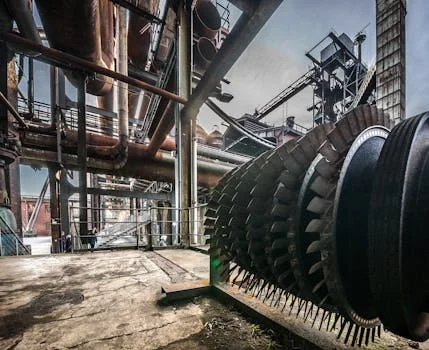
The following HydropureWater products are engineered for the wastewater challenges discussed above:
- DAF systems for 95%+ FOG removal in California industrial wastewater — view specifications, capacity range, and technical data
- Integrated MBR systems for space-constrained sites with <1 μm filtration — view specifications, capacity range, and technical data
- High-efficiency sludge dewatering to reduce disposal costs by 50% — view specifications, capacity range, and technical data
Need a customized solution? Request a free quote with your specific flow rate and pollutant parameters.