Acidic wastewater treatment costs vary widely based on flow rate, influent pH, and technology choice. For a 100 m³/h system treating sulfuric acid wastewater (pH 2–4), CAPEX ranges from $200,000 (basic neutralization) to $5 million (hybrid ZLD with recovery). OPEX typically falls between $0.50 and $5.00/m³, driven by chemical consumption (e.g., $0.10–$0.30/kg for NaOH) and energy use. Below, we break down costs by technology, provide a step-by-step ROI calculator, and compare real-world case studies to help you select the most cost-effective solution for your facility.
Why Acidic Wastewater Treatment Costs More Than General Wastewater
Acidic wastewater with a pH below 6.0 requires specialized corrosion-resistant materials, increasing equipment capital expenditures by 20–40% compared to standard stainless steel systems. According to 2023 EPA corrosion guidelines, standard 304 or 316 stainless steel undergoes rapid pitting and structural failure when exposed to high-molarity sulfuric, hydrochloric, or hydrofluoric acid streams. To ensure a 15–20 year equipment lifespan, manufacturers must utilize fiberglass-reinforced plastic (FRP), high-density polyethylene (HDPE), or high-nickel alloys like Hastelloy for tanks, piping, and internal components.
Chemical neutralization is the primary driver of operational expenses, often accounting for 30–60% of total OPEX. For facilities treating high-volume acidic streams, the choice of reagent is a critical financial decision. Based on 2025 market data, Sodium Hydroxide (NaOH) costs range from $0.10–$0.30/kg, offering high reactivity and low sludge production but at a higher price point. Conversely, hydrated lime (calcium hydroxide) costs between $0.05–$0.20/kg. While lime is cheaper, it increases sludge volume by 50–100% due to the formation of gypsum and other precipitates, which significantly raises downstream disposal costs.
The financial risk of non-compliance further justifies the investment in robust treatment systems. Regulatory frameworks such as the Clean Water Act in the US or China’s GB 8978-1996 impose strict pH discharge limits (typically 6.0–9.0). Violations can result in fines exceeding $50,000 per year, alongside potential permit revocations. These costs are particularly relevant for industries such as semiconductor etching (pH 1–3), metal plating (pH 2–5), and lead-acid battery manufacturing (pH 1–2), where influent acidity is consistently aggressive.
Acidic Wastewater Treatment Technologies: How They Work and What They Cost
Selecting the right technology requires balancing upfront capital costs against long-term operational efficiency. For simple pH adjustment, a basic neutralization system is sufficient, but most industrial facilities require additional stages to remove heavy metals, suspended solids, or organic loads that become insoluble once pH is raised.
pH Neutralization Systems serve as the baseline technology. These systems utilize PLC-controlled chemical dosing for pH adjustment to maintain a stable effluent range. For a flow rate of 50–200 m³/h, CAPEX ranges from $50,000 to $300,000. OPEX is primarily chemical-dependent, averaging $0.50–$2.00/m³.
Dissolved Air Flotation (DAF) is often integrated post-neutralization to remove precipitated metal hydroxides and oils. DAF systems for high-efficiency solids removal are effective for acidic streams in the food processing or metal finishing sectors. CAPEX for 50–300 m³/h systems ranges from $150,000 to $1 million, with OPEX between $0.80 and $3.00/m³.
Membrane Bioreactors (MBR) are deployed when acidic wastewater also contains high organic loads (COD/BOD). MBR systems for near-reuse-quality effluent provide superior filtration but require careful pH pre-conditioning to protect the membranes. CAPEX ranges from $500,000 to $3 million, with OPEX reaching $1.50–$5.00/m³ due to aeration energy and periodic membrane cleaning.
Zero Liquid Discharge (ZLD) represents the highest level of treatment, utilizing evaporators and crystallizers to recover 95–99% of water. While the CAPEX is high ($1 million–$5 million), the ability to bypass discharge permits and recover process water makes it attractive for water-scarce regions. OPEX is high, ranging from $3.00–$10.00/m³.
| Technology | CAPEX (50–200 m³/h) | OPEX per m³ | Key Removal Efficiency |
|---|---|---|---|
| Neutralization | $50k – $300k | $0.50 – $2.00 | pH Adjustment only |
| DAF System | $150k – $1M | $0.80 – $3.00 | 90-95% TSS / Oils |
| MBR System | $500k – $3M | $1.50 – $5.00 | 99% COD / Bacteria |
| ZLD System | $1M – $5M | $3.00 – $10.00 | 99.9% Water Recovery |
CAPEX Breakdown: How Much Does an Acidic Wastewater Treatment System Cost?
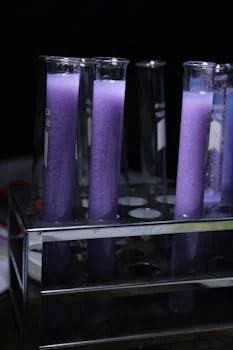
Equipment costs represent 60–70% of the total capital expenditure. For acidic applications, the cost of a neutralization tank can range from $20,000 to $100,000 depending on the volume and the grade of corrosion-resistant lining used. Specialized sensors, such as high-accuracy pH probes with self-cleaning capabilities, add several thousand dollars to the instrumentation budget but are essential for preventing "pH hunting" and chemical over-dosing.
Engineering and design typically account for 10–15% of CAPEX. This includes the development of Piping and Instrumentation Diagrams (P&ID), hydraulic modeling to ensure proper mixing in neutralization tanks, and compliance documentation for local environmental bureaus. For complex streams like electroplating wastewater treatment costs and technologies, engineering fees may be higher due to the need for multiple stage-wise precipitation steps.
Installation and commissioning make up 15–20% of the total project cost. Because acidic wastewater systems often involve hazardous chemical storage (e.g., concentrated sulfuric acid or caustic soda), installation requires specialized labor for double-walled piping and secondary containment structures. Shipping and logistics generally add 5–10% to the equipment cost, depending on the distance between the manufacturer and the facility site.
| CAPEX Component | Percentage of Total | Typical Cost Range (100 m³/h System) |
|---|---|---|
| Core Equipment | 60–70% | $300,000 – $700,000 |
| Engineering & Design | 10–15% | $50,000 – $150,000 |
| Installation & Labor | 15–20% | $75,000 – $200,000 |
| Shipping & Logistics | 5–10% | $15,000 – $50,000 |
OPEX Breakdown: The Hidden Costs of Acidic Wastewater Treatment
Operational expenses for acidic wastewater are dominated by chemical reagents. Using Sodium Hydroxide (NaOH) at $0.20/kg to treat a pH 2.0 stream can cost significantly more than using Lime at $0.10/kg; however, the hidden cost of Lime is the sludge volume. Sludge disposal costs range from $50–$200/ton for non-hazardous landfilling to over $300/ton for hazardous incineration. Utilizing sludge dewatering filter presses to reduce disposal costs can decrease sludge volume by up to 75%, providing a rapid return on investment for the dewatering equipment.
Energy consumption typically accounts for 20–30% of OPEX. Basic neutralization systems have low energy needs (0.1–0.3 kWh/m³ for mixers and pumps), but advanced systems like DAF (0.5–1.5 kWh/m³) and MBR (1.0–3.0 kWh/m³) require significant power for air compressors and high-pressure pumps. These benchmarks are consistent with 2024 EPA energy standards for industrial water treatment. For a detailed look at energy requirements, see our guide on DAF system engineering and efficiency data.
Maintenance and labor are the final pieces of the OPEX puzzle. Membrane replacement for MBR or ZLD systems occurs every 5–10 years and can cost $50–$200/m² of membrane surface area. Fully automated systems reduce labor costs to approximately $0.05–$0.20/m³, whereas manual systems require constant supervision, raising costs to $0.50/m³ and increasing the risk of human error during chemical handling.
| OPEX Category | Cost Driver | Estimated Cost ($/m³) |
|---|---|---|
| Chemicals | NaOH, Lime, Coagulants | $0.50 – $2.50 |
| Energy | Pumps, Blowers, Mixers | $0.15 – $1.20 |
| Sludge Disposal | Hauling and Landfill | $0.20 – $1.00 |
| Maintenance | Membranes, Spares, Labor | $0.10 – $0.50 |
ROI Calculator: How to Justify Your Acidic Wastewater Treatment Investment
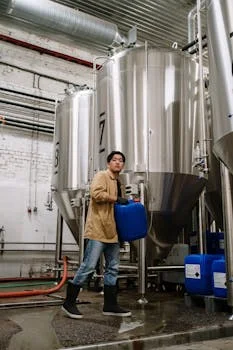
Justifying the purchase of a high-CAPEX acidic wastewater system requires a clear calculation of the Payback Period (PBP). By quantifying savings in compliance, water reuse, and operational efficiency, procurement teams can demonstrate the long-term value of the investment.
- Step 1: Calculate Compliance Savings. Total the annual cost of fines, legal fees, and permit surcharges related to pH violations. Industrial facilities often save $10,000–$100,000 annually by eliminating these penalties.
- Step 2: Estimate Water Recovery Benefits. If a ZLD or MBR system is selected, calculate the volume of recovered water. At an average industrial water rate of $1.50/m³, a system recovering 100,000 m³ per year saves $150,000 in freshwater procurement.
- Step 3: Factor in Operational Efficiencies. Compare the labor and chemical costs of an automated system vs. a legacy manual system. Automation typically reduces chemical waste by 15–20% through precise dosing.
- Step 4: Calculate Payback Period. Use the formula: PBP = Total CAPEX / Annual Savings. For example, a $1,000,000 MBR system that generates $200,000 in combined annual savings has a 5-year payback period.
Beyond direct financial metrics, consider the intangible benefits of brand reputation and Environmental, Social, and Governance (ESG) scores. Many multinational clients now require their supply chain partners to demonstrate robust wastewater treatment protocols as a prerequisite for contract renewals.
Case Study: Reducing Acidic Wastewater Treatment Costs by 40% in a Semiconductor Fab
A semiconductor fabrication facility in Taiwan faced significant financial pressure due to its acidic wastewater stream. The facility was incurring $500,000 annually in municipal fines for pH instability and was spending $3.50/m³ on operational expenses due to an inefficient, manually operated lime neutralization pit. The high TSS (Total Suspended Solids) from the lime also caused frequent downstream equipment failures.
The facility implemented a hybrid ZLD system for semiconductor wastewater, which integrated automated NaOH dosing, a DAF for solids removal, and an MBR for final polishing. The automation allowed for real-time pH adjustment, eliminating the "slug" dosing that previously led to compliance failures. The DAF system efficiently removed metal precipitates, protecting the MBR membranes from fouling.
The results were immediate. OPEX dropped from $3.50/m³ to $2.10/m³, a 40% reduction driven primarily by optimized chemical dosing and lower sludge disposal volumes. The facility achieved 95% water recovery, which was recycled back into the cooling towers, and recorded zero compliance violations over the subsequent 24-month period. This case demonstrates that higher initial CAPEX in automation and advanced filtration can lead to significantly lower Total Cost of Ownership (TCO).
Frequently Asked Questions
What is the most cost-effective technology for acidic wastewater?
Basic pH neutralization is the most cost-effective in terms of upfront CAPEX. However, if the wastewater contains heavy metals or high COD, a combination of neutralization followed by DAF or MBR offers a better long-term ROI by reducing disposal costs and enabling water reuse.
How much does it cost to neutralize 1 m³ of acidic wastewater?
The cost typically ranges from $0.50 to $2.00 per m³. This depends heavily on the starting pH (e.g., pH 1.0 requires significantly more reagent than pH 4.0) and whether you use Sodium Hydroxide or Lime.
What are the hidden costs of acidic wastewater treatment?
The most common hidden costs include sludge hauling and disposal fees ($50–$300/ton), the cost of replacing corroded pipes if the wrong materials were used initially, and the energy required for continuous mixing and aeration.
Can I reuse treated acidic wastewater?
Yes. By using MBR or ZLD technologies, acidic wastewater can be treated to a quality suitable for cooling towers, boiler feed, or general process water, reducing freshwater costs by up to 90%.
What are the compliance risks of untreated acidic wastewater?
Untreated acidic discharge can corrode municipal sewer infrastructure, leading to massive civil liability. Regulatory fines can reach $100,000/year, and persistent violations often result in the forced closure of the manufacturing facility.