Industrial Wastewater Treatment in Bergen: 2025 Plant Guide & Costs
Industrial wastewater entering Bergen’s municipal system must meet EU Urban Wastewater Directive 91/271/EEC limits, adopted by Norway: COD must be less than 125 mg/L, BOD5 less than 25 mg/L, TSS less than 35 mg/L, and total P less than 2 mg/L. For fish-processing plants in Bergen, common pre-treatment options include dissolved-air flotation (DAF), achieving 92–97 % TSS removal at an operational cost of approximately €0.28/m³, and membrane bioreactors (MBR), delivering TSS below 5 mg/L with a 60 % smaller footprint and an operational cost of around €0.42/m³. This guide provides project engineers and EHS managers with a data-rich overview of compliance requirements, available facilities, technology comparisons, and the permitting process for industrial wastewater treatment in Bergen.Which 2025 discharge limits apply to Bergen industry?
The EU Urban Wastewater Treatment Directive 91/271/EEC, integrated into Norway's national regulations, sets stringent effluent limits for industrial facilities discharging to Bergen's municipal sewer system. These limits apply to discharges to agglomerations over 10,000 population equivalents (PE) and specify maximum concentrations for key pollutants. Bergen Kommune imposes additional local requirements, including temperature and pH controls, to protect the municipal collection system and treatment processes. For specialized industries like Norwegian food industry wastewater, particularly fish-processing plants, further specific limits apply due to their effluent's unique characteristics, often containing high levels of fats, oils, and grease (FOG) and nitrogen compounds. Adhering to these limits is critical for avoiding penalties and ensuring acceptance into the municipal system.| Parameter | EU/Norwegian Standard (mg/L) | Bergen Kommune Add-on | Fish-Processing Specific (mg/L) |
|---|---|---|---|
| BOD5 | 25 | — | — |
| COD | 125 | — | — |
| TSS | 35 | — | — |
| Total P | 2 | — | — |
| Temperature | — | ≤30 °C at point of discharge | — |
| pH | — | 6–9.5 | — |
| Ammonium (N) | — | — | 10 |
| Fat Content | — | — | 30 |
Industrial wastewater treatment plants inside Bergen municipality
DAF vs MBR: performance and cost for Norwegian food processors
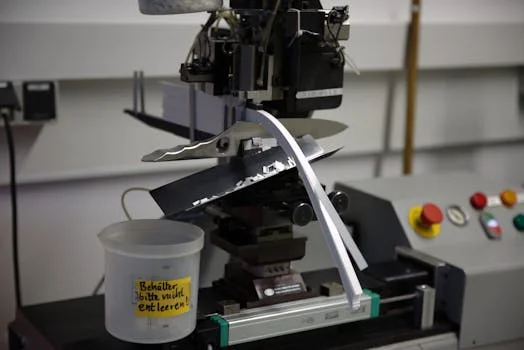
Selecting the right pre-treatment technology is critical for Norwegian food processors in Bergen, directly impacting compliance with discharge limits and operational budgets. Dissolved Air Flotation (DAF) and Membrane Bioreactors (MBR) are two leading options, each with distinct performance characteristics and cost implications. For fish-processing plants dealing with high concentrations of suspended solids and fats, oils, and grease (FOG), understanding these differences is crucial. DAF systems are highly effective for primary treatment, removing suspended solids (TSS) and FOG from wastewater. A typical DAF unit removes 92–97% of TSS and 80–85% of FOG. These systems operate with a recycle stream at 4–6 bar pressure, consuming approximately 25 kWh per megalitre (ML) of treated water. The footprint for a DAF unit is relatively compact, around 1.2 m² per m³/h of flow. For example, a dissolved air flotation for fish-processing plants needing <30 mg/L fat outlet is a common choice. In contrast, MBR technology offers a more advanced level of treatment, integrating biological degradation with membrane filtration. MBR systems deliver exceptionally high-quality permeate, typically achieving TSS below 5 mg/L and BOD below 5 mg/L. MBRs operate with a mixed liquor suspended solids (MLSS) concentration of 8–12 g/L, contributing to a smaller footprint—up to 60% less than conventional activated sludge systems. While the initial investment is higher, MBRs offer a membrane life of 7–8 years, and energy consumption averages around 0.7 kWh/m³. When comparing CAPEX and OPEX for a typical 100 m³/h flow rate, DAF presents a lower initial investment of approximately €290,000, with OPEX around €0.28/m³. An MBR system has a CAPEX of €540,000 and OPEX of €0.42/m³, including membrane replacement costs. The choice between DAF and MBR depends on the specific effluent quality required, available space, and budget constraints for industrial wastewater treatment in Bergen.| Feature | Dissolved Air Flotation (DAF) | Membrane Bioreactor (MBR) |
|---|---|---|
| Primary Function | TSS & FOG removal | Biological treatment & ultrafiltration |
| TSS Removal Efficiency | 92–97 % | <5 mg/L (permeate) |
| FOG Removal Efficiency | 80–85 % | High (integrated biological) |
| BOD Removal | Partial (via TSS/FOG) | <5 mg/L (permeate) |
| Footprint (approx.) | 1.2 m² per m³/h | 60 % smaller than conventional activated sludge |
| Energy Consumption | 25 kWh/ML | 0.7 kWh/m³ |
| Membrane Life (MBR only) | N/A | 7–8 years |
| Typical CAPEX (100 m³/h) | €290,000 | €540,000 |
| Typical OPEX (per m³) | €0.28/m³ | €0.42/m³ (incl. membrane replacement cost) |
Permitting checklist: how to get your discharge permit in Hordaland
Frequently Asked Questions
What is the primary purpose of industrial wastewater pretreatment?
The primary purpose is to remove pollutants that could damage municipal sewer infrastructure or interfere with the municipal treatment process.How long does a discharge permit application take in Norway?
A typical discharge permit application takes approximately 12 weeks to process after submission to the Norwegian Environment Agency via Altinn.What are the benefits of MBR over DAF for fish processing?
MBR offers superior permeate quality (TSS & BOD <5 mg/L), a 60% smaller footprint, and is suitable for stricter direct discharge or reuse.What happens if a plant exceeds discharge limits in Bergen?
Exceeding discharge limits can lead to significant penalties, including fines and revocation of the Bergen kommune discharge permit.Is chemical precipitation a viable option for Bergen fish processors?
Chemical precipitation can be viable for removing phosphorus and heavy metals and aiding in TSS and FOG reduction, with suitability depending on effluent composition and target discharge limits.Related Equipment
The following HydropureWater products are engineered for the wastewater challenges discussed:
- Dissolved air flotation for fish-processing plants needing <30 mg/L fat outlet
- Integrated MBR that delivers <5 mg/L TSS for space-constrained sites
Need a customized solution? Request a free quote with your specific flow rate and pollutant parameters.