Why Arsenic in IC Fabs Demands Specialized Wastewater Treatment
Integrated circuit fabs using gallium arsenide (GaAs) face arsenic wastewater concentrations up to 100 mg/L—10,000× above EPA’s 10 µg/L drinking water limit and significantly higher than industrial discharge thresholds. Hybrid treatment systems combining chemical oxidation (e.g., Fenton’s reagent), membrane filtration (NF/RO), and ion exchange achieve 99.9% arsenic removal while enabling 90%+ water reuse. For example, a 2024 Motorola fab reduced arsenic from 85 mg/L to <0.005 mg/L using a three-stage process, cutting disposal costs by 68% and meeting both US EPA and China GB 21900-2008 standards.
The urgency for specialized treatment stems from the high toxicity and mobility of arsenic species generated during etching, chemical mechanical planarization (CMP), and wafer thinning. While silicon-based semiconductors dominate the market, the rise of high-frequency 5G components and power electronics has increased the use of GaAs and SiC substrates. These processes release arsenic in both dissolved and particulate forms, often reaching concentrations of 50–150 mg/L (per IEEE 2000 data). Without advanced mitigation, these levels lead to immediate regulatory non-compliance and severe environmental liability.
Arsenic speciation is the primary engineering challenge in fab wastewater. Arsenic typically exists as trivalent arsenite (As III) or pentavalent arsenate (As V). Arsenite is more toxic and, crucially, exists as a neutral molecule (H3AsO3) at pH levels below 9, making it resistant to removal via standard precipitation or ion exchange. Therefore, effective systems must first employ chemical oxidation—using chlorine, ozone, or Fenton’s reagent—to convert As III to the anionic As V form, which is more readily captured by downstream processes.
| Regulatory Standard | Arsenic Limit (mg/L) | Application Scope |
|---|---|---|
| US EPA 40 CFR 469 | 0.05 (50 µg/L) | Semiconductor Industrial Effluent |
| China GB 21900-2008 | 0.1 (100 µg/L) | New Integrated Circuit Fabs |
| US EPA SDWA | 0.01 (10 µg/L) | Drinking Water (Reference for Reuse) |
| Taiwan EPA (Industrial) | 0.05 (50 µg/L) | Science Park Effluent Standards |
A 2023 case study of a GaAs fab in Arizona highlights the financial stakes; the facility was fined $1.2M for repeated arsenic exceedances in its sewer discharge. By implementing a hybrid oxidation and membrane system, the fab reduced effluent arsenic to <0.005 mg/L, effectively future-proofing the facility against tightening local standards while enabling reclaimed water to be used in cooling towers.
Arsenic Wastewater Treatment Technologies: Mechanisms, Efficiency, and Limitations
Chemical precipitation remains the baseline technology for high-concentration arsenic removal, typically achieving 80–90% efficiency by using ferric chloride or lime coagulation. At a pH range of 6.5–8.5, ferric ions react with arsenate to form insoluble ferric arsenate [FeAsO4] or adsorb onto ferric hydroxide flocs. While cost-effective for bulk removal, this method generates significant volumes of hazardous sludge that require stabilization before landfilling. Engineers must balance the dosing of iron (typically a 10:1 Fe:As ratio) to ensure effluent levels drop below 1 mg/L before secondary treatment.
Membrane filtration, specifically Nanofiltration (NF) and Reverse Osmosis (RO), provides a physical barrier that rejects 99%+ of dissolved arsenic. RO systems for arsenic polishing in semiconductor wastewater are particularly effective because they remove not only arsenic but also the high Total Dissolved Solids (TDS) common in fab effluent. Engineering flux rates for these systems typically range from 15–30 LMH for NF and 10–20 LMH for RO. However, the presence of CMP slurries and silica in the influent requires robust pretreatment to prevent irreversible membrane fouling.
Ion exchange (IX) serves as the "polishing" stage for fabs targeting ultra-low discharge limits or Zero Liquid Discharge (ZLD). Strong-base anion resins, such as Purolite A530E, exhibit high selectivity for As V. These resins can reduce arsenic concentrations to <1 µg/L. The primary limitation of IX is its sensitivity to competing ions; high concentrations of sulfates (SO4²⁻) or nitrates (NO3⁻) will prematurely exhaust the resin bed, increasing regeneration frequency and OPEX. This makes IX ideal as a final stage after bulk removal has occurred.
| Technology | Removal Efficiency | Optimal pH | Primary Limitation |
|---|---|---|---|
| Chemical Precipitation | 80–90% | 6.5–8.5 | High hazardous sludge production |
| Membrane (NF/RO) | 95–99.5% | < 8.0 | Susceptible to silica/slurry fouling |
| Ion Exchange | 99.9% | 4.0–6.0 | Interference from sulfates/nitrates |
| Electrocoagulation | 90–95% | 7.0–9.0 | Electrode consumption and power cost |
Emerging technologies like electrocoagulation (EC) are gaining traction for low-flow streams. EC uses sacrificial iron or aluminum anodes to release coagulants into the water via electrolysis, achieving 95% removal without the need for liquid chemical storage. While the footprint is smaller, the operating cost is higher due to electricity consumption and periodic electrode replacement. For a comprehensive overview of managing multiple contaminants, engineers should also consider chromium wastewater treatment solutions for IC fabs which share similar oxidation-reduction requirements.
Hybrid System Design: Combining Technologies for 99.9% Arsenic Removal
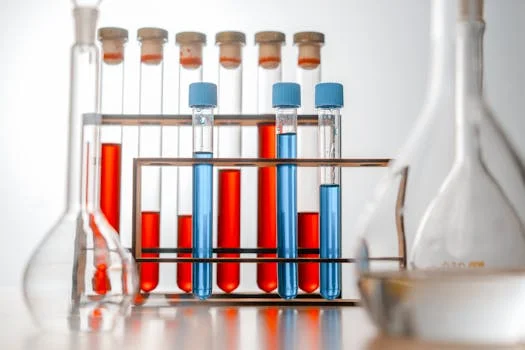
The most resilient engineering blueprint for 2025 involves a four-stage hybrid system designed to handle the variable loads of a modern IC fab. The process begins with Stage 1: Oxidation. Using an precise chemical dosing for arsenic oxidation and precipitation, Fenton’s reagent (H2O2 and FeSO4) is introduced at a pH of 3–4. This stage ensures a 100% conversion of As III to As V within a 30–60 minute reaction time, while simultaneously breaking down organic complexing agents that might otherwise hold arsenic in solution.
Stage 2: Co-Precipitation and Clarification follows oxidation. The pH is raised to 7.5 using NaOH or lime, and additional ferric chloride is added. The resulting flocs are separated using a high-efficiency clarifier or DAF systems for arsenic sludge separation and thickening. This stage typically reduces arsenic from 100 mg/L to approximately 2–5 mg/L. The DAF system is particularly useful in fabs where CMP oils or light particulates are present, as it provides faster separation than gravity settling.
Stage 3: Membrane Polishing utilizes RO or NF to bring arsenic levels down to <0.01 mg/L. At this stage, the water is also stripped of 98% of its TDS, making it suitable for reuse in non-critical fab processes. Recovery rates for this stage are typically 70–85%. The concentrate from the RO system, which contains the rejected arsenic, is often recirculated to the head of the plant or sent to a dedicated evaporator if ZLD is required. For fabs dealing with high-salinity influent, integrating high-salinity wastewater treatment for semiconductor fabs is essential to maintain membrane longevity.
Stage 4: Selective Ion Exchange acts as a safety barrier. Even if the RO system experiences a minor breach or scaling, the IX resin bed ensures the final effluent remains below the 0.005 mg/L threshold. This multi-layered approach was recently implemented at a 2024 SiC fab in Taiwan, which achieved 85% water reuse and met the world's strictest discharge limits. The process flow diagram (PFD) for such a system follows a linear path: Influent → Fenton Oxidation → Neutralization/Flocculation → DAF Clarification → Multi-Media Filter → RO Polishing → IX Safety Bed → Effluent/Reuse.
| Process Stage | Inlet As (mg/L) | Outlet As (mg/L) | Target Parameter |
|---|---|---|---|
| Oxidation (Fenton) | 100 | 100 (Converted) | ORP > 400mV |
| Precipitation/DAF | 100 | 2.0–5.0 | pH 7.5–8.0 |
| RO Filtration | 5.0 | 0.01–0.05 | 99% Rejection |
| Ion Exchange | 0.05 | < 0.005 | Resin Capacity |
Cost Breakdown: CAPEX, OPEX, and ROI for Arsenic Treatment Systems
Capital expenditure (CAPEX) for a 200 m³/day hybrid arsenic treatment system typically ranges from $800,000 to $1.5 million, depending on the level of automation and the specific materials of construction required for corrosive GaAs waste. The primary cost drivers are the membrane surface area and the inclusion of high-performance alloys in the oxidation tanks. While a simple precipitation system might cost 40% less initially, it often fails to meet the <0.05 mg/L limits required by modern environmental permits, leading to potential fines that dwarf the initial savings.
Operating expenditure (OPEX) is dominated by chemical consumption and sludge disposal. For a hybrid system, chemicals (H2O2, FeCl3, NaOH) account for roughly 30% of the daily cost. Sludge disposal is a critical "hidden cost"; arsenic-bearing sludge is classified as hazardous waste under EPA Land Disposal Restrictions (LDR). Stabilization via cement solidification or vitrification can add $200–$500 per ton to disposal fees. However, by using a hybrid approach, the volume of sludge is reduced by 40% compared to lime-only precipitation because RO and IX remove the remaining arsenic without adding bulk solids.
| Cost Component | Precipitation Only | Membrane Only | Hybrid System |
|---|---|---|---|
| CAPEX (Est. 200m³/d) | $500,000 | $900,000 | $1,200,000 |
| OPEX ($/m³) | $0.45 | $0.75 | $0.90 |
| Arsenic Removal % | 85% | 98% | 99.9% |
| Sludge Volume | High | Medium (Brine) | Low (Stabilized) |
The Return on Investment (ROI) for hybrid systems is realized through water reuse and the avoidance of offsite hauling. A detailed cost analysis for arsenic wastewater treatment shows that reusing 80% of treated water can save a fab $1.20/m³ in raw water purchase and sewer discharge fees. For a medium-sized fab, this results in a payback period of 2.5 to 4 years. the risk mitigation value—avoiding production shutdowns due to permit violations—is immeasurable but often the primary factor for procurement teams.
Compliance Strategies: Meeting EPA, China GB, and Local Discharge Limits
Compliance for integrated circuit fabs is no longer just about meeting a single number; it is about managing "Total Arsenic" across various discharge points. Under US EPA 40 CFR 469, the limit for semiconductor effluent is 50 µg/L, but local municipal codes in regions like Silicon Valley or Austin, Texas, often set limits as low as 10 µg/L to protect local aquifers. EHS managers must implement continuous monitoring to ensure compliance. Online arsenic analyzers, such as the Hach 5500sc, provide real-time data that can trigger an automatic bypass to a holding tank if levels exceed the setpoint, preventing accidental illegal discharge.
In China, the GB 21900-2008 standard is strictly enforced in semiconductor hubs like Jiangsu and Guangdong. New fabs are held to a 0.1 mg/L limit, with increasing pressure to move toward 0.05 mg/L in water-stressed regions. Enforcement often involves unannounced "grab sampling" by environmental bureaus. A 2023 fab in Shanghai successfully avoided non-compliance penalties by upgrading from a conventional chemical system to a hybrid system, which lowered their average arsenic discharge from 0.15 mg/L to a consistent 0.05 mg/L, well within the safety margin for GB standards.
Strategy for global fabs involves designing for the "lowest common denominator." By targeting a 0.005 mg/L effluent (the limit of detection for many labs), a fab ensures compliance across all jurisdictions, including California, where Total Maximum Daily Load (TMDL) programs can impose extremely tight mass-balance limits on arsenic. This conservative engineering approach also facilitates the transition to ZLD, as the ultra-pure effluent from a hybrid system requires minimal additional treatment before being fed into an evaporator or reused in the fab's ultra-pure water (UPW) makeup stream.
Frequently Asked Questions
What is the most cost-effective arsenic treatment technology for small fabs (<50 m³/day)?
For small-scale operations, adsorption using iron oxide-coated sand or specialized media is often the most cost-effective. It requires lower CAPEX than RO or hybrid systems, with operating costs ranging from $0.20–$0.50/m³. However, it is only suitable for low-concentration influent (typically <5 mg/L).
How does pH affect arsenic removal efficiency?
pH is the most critical variable in arsenic chemistry. For chemical precipitation, the optimal range is 6.5–8.5 to ensure ferric hydroxide formation. RO membranes perform best at pH <8.0 to prevent scaling, while ion exchange resins for As V removal are most efficient in the slightly acidic range of 4.0–6.0.
What are the sludge disposal requirements for arsenic waste?
Arsenic sludge is a hazardous waste (RCRA D004 in the US). It must pass the Toxicity Characteristic Leaching Procedure (TCLP) before disposal. Most fabs use cement-based solidification to stabilize the arsenic, ensuring it does not leach into groundwater after being landfilled.
Can arsenic-treated water be reused in fab processes?
Yes. Water treated via hybrid RO/IX systems typically has arsenic levels <0.005 mg/L and low TDS, making it ideal for cooling tower makeup, scrubber water, and non-critical tool rinses. It should not be used for primary wafer rinsing unless it undergoes further UPW polishing.
What are the emerging technologies for arsenic removal in 2025?
New technologies include forward osmosis (FO) for high-concentration brine reduction, nanomaterial-based adsorbents with 10x the capacity of traditional resins, and photo-catalytic oxidation which uses UV light to convert As III to As V without liquid oxidants.