Silicon Carbide Wastewater ZLD: 2025 Hybrid System Design with 99.9% Recovery & Cost Breakdown
Silicon carbide (SiC) wastewater zero liquid discharge (ZLD) systems achieve 99.9% recovery by combining dissolved air flotation (DAF), reverse osmosis (RO), and mechanical vapor recompression (MVR) evaporation. For a 50 m³/h SiC micro-powder plant, a hybrid ZLD system reduces COD from 500 mg/L to <10 mg/L and TSS from 200 mg/L to <5 mg/L, meeting China’s 2025 GB discharge limits. CAPEX ranges from $1.5M–$3.5M, with OPEX of $0.80–$1.20/m³, delivering a 3–5 year ROI through water reuse and sludge valorization.
Industrial engineers and EHS managers at semiconductor fabs and SiC manufacturing plants face a dual challenge: the extreme abrasiveness of SiC particles and the tightening of environmental regulations. Traditional sedimentation and chemical precipitation methods often fail to meet the 2025 SiC wastewater discharge standards and compliance strategies, leading to excessive sludge disposal costs and potential regulatory fines. As SiC becomes the backbone of third-generation power electronics, the industry is shifting toward ZLD system designs for third-gen semiconductor (GaN/SiC) wastewater to ensure operational continuity in water-stressed regions.
Why Silicon Carbide Wastewater Demands Zero Liquid Discharge (ZLD)
China’s 2025 GB standards for silicon carbide wastewater require Total Suspended Solids (TSS) to remain below 50 mg/L, Chemical Oxygen Demand (COD) below 80 mg/L, and heavy metal concentrations like Silicon (Si) to stay under 10 mg/L. These mandates are mirrored globally, with the EPA (40 CFR Part 469) enforcing TSS limits of <30 mg/L and the EU Industrial Emissions Directive targeting COD <125 mg/L. For a high-output SiC plant, failing to meet these benchmarks can result in fines exceeding $250,000 per year, based on 2024 Ministry of Ecology and Environment (MEE) enforcement data.
Beyond compliance, the financial risk of water scarcity is a primary driver for ZLD adoption. SiC manufacturing is water-intensive, particularly during the grinding, dicing, and shaping of raw SiC ingots (boules). Plants located in water-stressed regions such as Shandong or Xinjiang face disposal costs for non-ZLD effluent that are 30–50% higher than those in water-abundant areas. The cost of raw water procurement and the escalating price of hazardous waste disposal for SiC-laden sludge make the business case for ZLD increasingly compelling.
A real-world case example highlights this shift: a 100 m³/h SiC micro-powder facility in Linyi, China, reported a 70% reduction in total disposal costs after implementing a ZLD system. By transitioning from a discharge-based model to a closed-loop recovery system, the plant mitigated the risk of production halts during seasonal water quotas and successfully valorized its SiC sludge. This transition is no longer a "green" luxury but a requirement for maintaining a competitive edge in the global semiconductor supply chain.
Hybrid ZLD System Design for Silicon Carbide Wastewater: Step-by-Step Process Flow
Engineering a hybrid ZLD system for SiC wastewater requires a multi-stage approach that transitions from mechanical particle separation to thermal evaporation to handle the material's extreme hardness and chemical inertness. The process flow must be designed to protect sensitive downstream membranes from the abrasive nature of SiC micro-powder.
Step 1: Pretreatment and Particle Removal
The influent first passes through rotary mechanical bar screens to remove over 95% of SiC particles larger than 50 μm. This stage is critical for preventing mechanical wear on pumps and piping. HydropureWater specifications recommend high-grade stainless steel components to withstand the abrasive load.
Step 2: Dissolved Air Flotation (DAF)
A DAF system for SiC wastewater pretreatment is employed to remove fats, oils, grease (FOG), and colloidal SiC particles. Operating at 4–6 bar micro-bubble pressure, the DAF achieves a 90–95% reduction in TSS. This is a vital step for engineers following DAF system engineering specs and selection criteria for SiC wastewater.
Step 3: Advanced Coagulation and Flocculation
A PLC-controlled chemical dosing for SiC coagulation introduces Polyaluminum Chloride (PAC) at 20–50 mg/L and anionic polymer at 2–5 mg/L. This chemistry destabilizes residual SiC fines, allowing them to form larger flocs that are easily captured in the next stage.
Step 4: Multi-Media Filtration
To protect the reverse osmosis membranes, the water passes through multi-media filters (10–20 μm). This reduces the Silt Density Index (SDI) to <3, which is the industry standard for preventing rapid membrane fouling in semiconductor applications.
Step 5: Two-Stage Reverse Osmosis (RO)
The system utilizes SiC-resistant RO membranes for 90%+ water recovery. These industrial RO systems are designed to handle higher pressures (40–60 bar) and produce a permeate quality with conductivity <500 μS/cm, suitable for reuse in non-critical cooling or secondary cleaning processes.
Step 6: MVR Evaporation and Crystallization
The RO concentrate is fed into a Mechanical Vapor Recompression (MVR) evaporator. This thermal stage achieves 99.9% total liquid recovery, leaving behind a dry sludge with 10–15% moisture content. The resulting solids can then be processed via a sludge dewatering for SiC ZLD concentrate system for final disposal or material recovery.
| Stage | Influent TSS (mg/L) | Effluent TSS (mg/L) | Key Technology |
|---|---|---|---|
| Pretreatment | 200–1,000 | <100 | Rotary Bar Screens |
| Primary Treatment | <100 | <10 | DAF |
| Filtration | <10 | <1 | Multi-Media Filter |
| Concentration | <1 | <0.1 | Two-Stage RO |
| Final ZLD | Concentrate | Dry Solid | MVR Evaporator |
System Component Specifications: Performance, Footprint, and Energy Use
Operational performance of SiC ZLD components is defined by the energy intensity of thermal stages and the flux stability of membrane units under high abrasive loads. Engineers must balance the high CAPEX of robust materials with the long-term OPEX savings of energy-efficient designs. HydropureWater field data (2025) indicates that a well-designed hybrid system can reduce total energy consumption by 20% compared to standalone evaporation systems.
The DAF system offers a capacity range of 4–300 m³/h with a remarkably low energy footprint of 0.3–0.5 kWh/m³. In contrast, the RO system requires 2–4 kWh/m³ but is essential for reducing the volume of water that must be treated by the MVR. The MVR evaporator is the most energy-intensive component, consuming 20–30 kWh/m³, yet it is the only technology capable of reaching the 99.9% recovery threshold required for true ZLD compliance.
Footprint optimization is another critical factor for semiconductor fabs where floor space is at a premium. A hybrid ZLD system with a 50 m³/h capacity typically requires 120–150 m². This is significantly more compact than conventional sedimentation-based treatment trains, which can exceed 250 m² due to large settling tanks. Maintenance schedules must also be factored into the engineering plan: RO membranes typically require CIP (Cleaning-In-Place) every 3–6 months, while DAF skimmers and mechanical screens should be inspected every 12 months.
| Component | Energy Use (kWh/m³) | Recovery Rate (%) | Maintenance Interval |
|---|---|---|---|
| DAF | 0.3–0.5 | 95% (TSS) | 12 Months |
| RO System | 2.0–4.0 | 75–90% | 3–6 Months (CIP) |
| MVR Evaporator | 20.0–30.0 | 99.9% | 6 Months (Descaling) |
| Filter Press | 0.1–0.2 | N/A (Solids) | Annual Cloth Replacement |
Cost Breakdown and ROI: CAPEX, OPEX, and Payback Period for SiC ZLD Systems

The total capital expenditure (CAPEX) for a 50 m³/h SiC ZLD system typically ranges from $1.5M to $3.5M, with operational costs (OPEX) stabilized between $0.80 and $1.20 per cubic meter of treated water. While the upfront cost is significant, the ROI is driven by three primary factors: water reuse savings, eliminated discharge fees, and sludge valorization. In regions like Shandong, municipal water costs can reach $1.00/m³, meaning a ZLD system can save a 50 m³/h plant over $400,000 annually in water procurement alone.
OPEX is dominated by energy consumption (approximately $0.50/m³) and chemical reagents ($0.20/m³). However, these costs are often offset by the reduction in hazardous waste disposal fees. Conventional treatment produces large volumes of wet sludge that are expensive to transport and treat. A ZLD system produces a dry, concentrated cake that is 80–90% smaller in volume. According to a 2024 UltraFacility case study, the payback period for such systems is generally 3 to 5 years for plants with wastewater volumes exceeding 50 m³/h.
For procurement teams, financing options such as 5-year leasing programs at 6–8% interest can reduce the initial CAPEX burden by 40–60%. This allows plants to upgrade to ZLD technology without a massive hit to their immediate capital budget, aligning the investment with the long-term operational savings generated by the system.
| Cost Category | Estimated Cost (50 m³/h) | % of Total CAPEX |
|---|---|---|
| DAF & Pretreatment | $200,000 – $300,000 | 12% |
| Reverse Osmosis | $600,000 – $800,000 | 32% |
| MVR Evaporator | $800,000 – $1,200,000 | 40% |
| Civil & Engineering | $400,000 – $600,000 | 16% |
Compliance Checklist: Meeting 2025 China GB and Global SiC Wastewater Standards
Regulatory compliance for silicon carbide manufacturing is shifting toward zero-discharge mandates, driven by the 2025 update to China’s GB standards and the EU’s Industrial Emissions Directive. EHS managers must ensure that their wastewater treatment systems are not only meeting current limits but are future-proofed against upcoming legislation. A robust ZLD system is the most effective way to guarantee 100% compliance, as it removes the discharge point entirely.
- China GB Standards (2025 Draft): TSS <50 mg/L, COD <80 mg/L, Si <10 mg/L, pH 6–9.
- EPA Limits (40 CFR Part 469): TSS <30 mg/L, COD <120 mg/L, no visible oil sheen.
- EU Industrial Emissions Directive: COD <125 mg/L, Nickel <0.5 mg/L, Fluoride <15 mg/L.
- Monitoring Requirements: Continuous online monitoring for TSS, COD, and pH; quarterly lab testing for dissolved silicon.
- Permitting Advantages: ZLD systems often qualify for expedited permitting under China’s "Green Factory" program (MIIT 2024 guidelines).
Implementing a ZLD system also simplifies the reporting process. Instead of managing complex discharge permits and frequent third-party testing of effluent, the plant only needs to document the disposal of dry solids and the internal reuse of permeate. This reduces administrative overhead and the risk of accidental discharge violations.
Vendor Selection Framework: 7 Questions to Ask Before Buying a SiC ZLD System
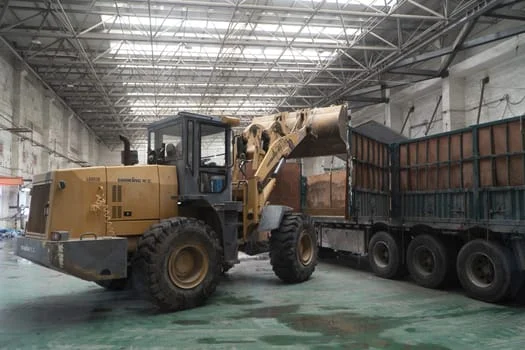
Procurement of a silicon carbide ZLD system requires a technical evaluation framework that prioritizes membrane longevity and sludge moisture content over initial purchase price. Because SiC is the second hardest material known, standard "off-the-shelf" wastewater solutions will likely suffer from premature mechanical failure and membrane abrasion.
- What is your specific SiC wastewater ZLD experience? Request at least three case studies that demonstrate 99.9% recovery and long-term uptime in a semiconductor environment.
- How do you mitigate SiC membrane fouling? Look for vendors who utilize SiC-resistant membranes and have established alkaline cleaning protocols (pH 11–12).
- What is the system’s turndown ratio? Ensure the system can operate efficiently at 30% to 100% capacity to handle variable production flows.
- What are the guaranteed energy and chemical consumption rates? Compare OPEX across vendors; RO energy use should stay below 3 kWh/m³ for standard influent.
- What is the final sludge moisture content? Aim for <15% moisture to maximize disposal savings and potential for material recovery.
- What are the 5-year maintenance requirements? Request a detailed spare parts list and a schedule for membrane and mechanical seal replacements.
- Do you offer a performance guarantee? Ensure the contract includes guarantees on effluent quality, recovery rates, and a system uptime of >95%.
Frequently Asked Questions
Q: Can SiC wastewater ZLD systems recover valuable materials like silicon carbide?
A: Yes. Hybrid ZLD systems can recover up to 90% of SiC fines from the sludge via centrifugation or advanced filtration. A 50 m³/h plant can recover between 50–100 kg of SiC per day. At 2024 market prices, this can represent a value of $500–$1,000 per day, significantly improving the ROI.
Q: What is the biggest challenge in treating SiC wastewater with ZLD?
A: Membrane fouling and mechanical abrasion are the primary hurdles. Because SiC is chemically inert and extremely hard, it acts as an abrasive in high-velocity RO systems. The solution lies in using ceramic or SiC-resistant membranes and ensuring thorough pretreatment with DAF and multi-media filtration.
Q: How does ZLD compare to conventional treatment for SiC wastewater?
A: Conventional treatment (sedimentation + dosing) usually only reaches 70–80% recovery and leaves the plant vulnerable to discharge regulation changes. ZLD achieves 99.9% recovery. While ZLD CAPEX is 2–3x higher, the OPEX is often 30–50% lower over a 10-year period due to eliminated disposal and water costs.
Q: Are there any emerging technologies for SiC wastewater ZLD?
A: Electrocoagulation and Forward Osmosis (FO) are currently being tested. Electrocoagulation can reduce chemical usage by up to 40%, while FO shows promise in achieving high recovery rates with lower energy consumption than traditional RO in high-salinity applications.
Q: What are the key differences between SiC and silicon (Si) wastewater treatment?
A: SiC wastewater has a much higher TSS (up to 1,000 mg/L vs 200 mg/L for Si) and is significantly more abrasive. This requires the use of hardened materials for pumps and higher-pressure RO systems (40–60 bar) compared to the 20–30 bar systems typically used for standard silicon wastewater.