Why Andhra Pradesh’s 2025 Wastewater Regulations Are Forcing Plant Upgrades
The landscape of industrial wastewater treatment in Andhra Pradesh is undergoing a seismic shift with the impending enforcement of Zero Liquid Discharge (ZLD) mandates by the Andhra Pradesh Pollution Control Board (APPCB). Specifically, APPCB Notification No. 12/2024 mandates ZLD compliance for pharmaceutical and textile clusters in Visakhapatnam and Vijayawada by Q3 2025. This regulatory pivot is not merely about compliance; it is increasingly about operational sustainability and fiscal prudence in a region grappling with severe water scarcity. Andhra Pradesh's per capita water availability has plummeted from 1,200 m³/year in 2010 to an estimated 850 m³/year in 2025, according to Central Water Commission data, making internal water reuse an economic imperative, not an option. While the state's industrial sectors show robust growth—pharmaceuticals at a 12% CAGR and textiles at 8% (AP Industrial Policy 2023)—their effluent volumes are outpacing current treatment capacities. Non-compliance carries substantial risks; a Guntur textile unit faced a ₹50 lakh fine in 2024 for violating discharge norms. The cost of inaction, including potential fines, production shutdowns, and the capital expenditure for ZLD systems (ranging from ₹18–22 Lakhs per KLD for hybrid systems), far outweighs the investment in compliant technology. The choice is stark: invest in future-proof wastewater treatment or risk operational disruption and financial penalties.
Industry-Specific Effluent Characteristics: Engineering Parameters for Treatment Design
Effective wastewater treatment begins with a granular understanding of the effluent's unique characteristics, which vary significantly across industries. Pharmaceutical wastewater, for instance, is notoriously challenging, often exhibiting high Chemical Oxygen Demand (COD) ranging from 5,000–15,000 mg/L, Total Dissolved Solids (TDS) between 3,000–8,000 mg/L, and a wide pH spectrum of 4–10. It can also contain significant concentrations of heavy metals such as chromium and nickel, often between 5–50 mg/L (per EPA 2024 benchmarks). Textile industry effluents present a different set of challenges, typically featuring COD levels of 1,200–3,000 mg/L, BOD (Biochemical Oxygen Demand) from 300–800 mg/L, intense color (500–2,000 Pt-Co units), and high Total Suspended Solids (TSS) of 200–1,000 mg/L, with a consistently alkaline pH of 9–12 (APPCB 2023 data). Food processing wastewater is characterized by high BOD (800–2,500 mg/L), significant levels of Fats, Oils, and Grease (FOG) at 200–1,000 mg/L, and substantial TSS (300–1,500 mg/L), generally within a pH range of 5–9 (FAO 2024 guidelines). The variability within these streams, such as the fluctuating COD spikes during color changes in textile dyeing processes, necessitates treatment systems that can adapt to dynamic influent conditions.
| Industry | Typical COD (mg/L) | Typical BOD (mg/L) | Typical TDS (mg/L) | Typical TSS (mg/L) | Typical FOG (mg/L) | Typical pH | Key Contaminants |
|---|---|---|---|---|---|---|---|
| Pharmaceutical | 5,000–15,000 | 1,000–5,000 | 3,000–8,000 | 100–500 | <50 | 4–10 | Heavy metals, complex organics, APIs |
| Textile | 1,200–3,000 | 300–800 | 500–2,000 | 200–1,000 | <100 | 9–12 | Dyes, salts, surfactants, high color |
| Food Processing | 800–2,500 | 400–1,200 | 200–1,000 | 300–1,500 | 200–1,000 | 5–9 | FOG, organic solids, nutrients |
Selecting the appropriate treatment technology is contingent upon accurately diagnosing these effluent parameters. For instance, high FOG content in food processing wastewater demands specialized pretreatment, often involving dissolved air flotation units like the DAF system for FOG and TSS removal.
Hybrid ZLD Process Flow: How to Combine DAF, MBR, and RO for 98% Water Recovery
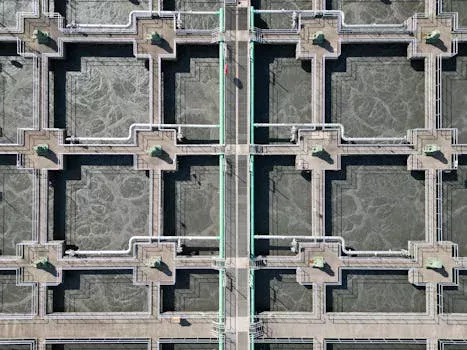
Achieving Zero Liquid Discharge (ZLD) and the mandated 98% water recovery requires an integrated, multi-stage approach. A robust hybrid ZLD system typically comprises primary, secondary, and tertiary treatment stages, each designed to tackle specific contaminant groups. The process often begins with preliminary treatment involving coarse screening and equalization tanks to buffer flow and concentration variations and remove gross solids. This is followed by primary treatment, where systems like the DAF system for FOG and TSS removal are highly effective, achieving 90–95% TSS removal and 95–98% FOG removal, along with a significant COD reduction of 40–60% for textile and food processing effluents. The subsequent secondary treatment stage often employs advanced biological processes. An Integrated MBR system for high-strength organic wastewater, such as our DF series MBR, excels here, delivering exceptional BOD removal of 95–98% and COD reduction up to 90–95%, alongside a remarkable 99.99% pathogen removal rate. The treated effluent from the MBR then moves to tertiary treatment, where an Industrial RO system for TDS and heavy metal removal plays a crucial role. This stage is critical for ZLD, achieving 95–98% TDS reduction and over 99% removal of heavy metals and other dissolved salts, yielding water suitable for reuse. Sludge generated throughout the process requires dewatering; a high-efficiency sludge dewatering for industrial ETPs using plate and frame filter presses can achieve 90–95% dewatering efficiency, often coupled with chemical dosing for pH adjustment via automatic dosing systems. A real-world example from Guntur, a 100 KLD textile plant, demonstrated a reduction in COD from 2,500 mg/L to below 50 mg/L and BOD from 700 mg/L to below 10 mg/L post-hybrid ZLD implementation, effectively meeting APPCB standards.
Technology Comparison Matrix: MBBR vs MBR vs DAF vs RO for Andhra Pradesh’s Top Industries
Selecting the optimal wastewater treatment technology stack for Andhra Pradesh’s industries requires a careful evaluation of capital expenditure (CAPEX), operational expenditure (OPEX), removal efficiencies, and suitability for specific effluent profiles. Moving Bed Biofilm Reactor (MBBR) technology offers a cost-effective solution for biological treatment, with CAPEX ranging from ₹1.2–1.8 Lakhs/KLD and OPEX around ₹0.8–1.2/m³. MBBRs are effective for COD removal (70–85%) and BOD (80–90%), making them suitable for low-TDS textile and food processing effluents. Membrane Bioreactor (MBR) systems, while having a higher CAPEX of ₹2.5–3.5 Lakhs/KLD and OPEX of ₹1.5–2.2/m³, provide superior treatment, achieving 90–95% COD and 95–98% BOD removal, ideal for pharmaceutical wastewater with high organic loads. Dissolved Air Flotation (DAF) units, with CAPEX at ₹0.8–1.5 Lakhs/KLD and OPEX of ₹0.5–0.9/m³, are indispensable for removing FOG (95–98%) and TSS (90–95%), making them a critical pretreatment step for food processing streams. Reverse Osmosis (RO) systems, priced at ₹3–5 Lakhs/KLD with OPEX of ₹2–3/m³, are essential for achieving ZLD and high-purity water reuse, boasting 95–98% TDS reduction and over 99% heavy metal removal. For comprehensive ZLD compliance, hybrid systems combining DAF, MBR, and RO can achieve 98% water recovery at an estimated CAPEX of ₹18–22 Lakhs/KLD and OPEX of ₹3–4/m³. This aligns with advanced hybrid wastewater treatment systems designed for stringent discharge limits.
| Technology | CAPEX (₹/KLD) | OPEX (₹/m³) | Removal Efficiency (COD/BOD/TSS) | Best For (Industry/Contaminant) |
|---|---|---|---|---|
| MBBR | 1.2–1.8 Lakh | 0.8–1.2 | 70–85% / 80–90% / 80–90% | Low-TDS Textile/Food Processing |
| MBR | 2.5–3.5 Lakh | 1.5–2.2 | 90–95% / 95–98% / 99% | Pharma, High Organic Loads |
| DAF | 0.8–1.5 Lakh | 0.5–0.9 | N/A (FOG 95–98%, TSS 90–95%) | Food Processing (FOG-heavy), Pretreatment |
| RO | 3–5 Lakh | 2–3 | N/A (TDS 95–98%, Heavy Metals 99%+) | ZLD, Desalination, High Purity Reuse |
| Hybrid (DAF + MBR + RO) | 18–22 Lakh | 3–4 | 98%+ Water Recovery | Comprehensive ZLD Compliance |
APPCB Compliance Checklist: 2025 Discharge Standards and Permitting Process
Navigating the APPCB's 2025 wastewater discharge standards and permitting process is crucial for uninterrupted industrial operations. The stringent limits set by APPCB Notification No. 12/2024 include BOD <30 mg/L, COD <250 mg/L, TSS <50 mg/L, and a pH range of 6.5–8.5, with specific stringent limits for heavy metals (<0.1 mg/L). The permitting process typically requires a detailed application, effluent test reports, an Environmental Impact Assessment (EIA), and a No Objection Certificate (NOC) from the local panchayat, with an average timeline of 90–120 days. Common reasons for rejection include incomplete documentation or an inadequate sludge disposal plan. For plants exceeding 50 KLD capacity, continuous online monitoring of parameters like pH, COD, and TSS is mandatory, supplemented by monthly third-party testing and digital reporting through the APPCB portal. While ZLD is the overarching goal, specific exemption criteria exist for plants discharging less than 10 KLD, those achieving 100% water reuse, or those not handling hazardous chemicals, as outlined in specific clauses of the notification. A pharmaceutical facility in Visakhapatnam faced inspection failures due to insufficient heavy metal removal in their existing ETP. Remediation involved upgrading their tertiary treatment with advanced RO and ion exchange processes, ensuring compliance and avoiding penalties.
Cost Breakdown: CAPEX, OPEX, and ROI for 50 KLD and 200 KLD Plants in Andhra Pradesh
A clear financial roadmap is essential for implementing wastewater treatment upgrades. For a 50 KLD textile plant employing a DAF + MBBR configuration, the estimated CAPEX is ₹75 Lakhs. The annual OPEX, including power (₹0.8 Lakhs), chemicals (₹0.3 Lakhs), and labor (₹0.1 Lakhs), totals approximately ₹1.2 Lakhs. With potential water reuse savings of ₹2.3 Lakhs per year, the payback period for this setup is around 3.2 years. For a larger 200 KLD pharmaceutical plant requiring a comprehensive MBR + RO + ZLD system, the CAPEX escalates to approximately ₹4.4 Crores. The annual OPEX, factoring in power (₹6 Lakhs), membrane replacement (₹3 Lakhs), chemicals (₹2 Lakhs), and labor (₹1 Lakhs), stands at around ₹12 Lakhs. The significant water reuse savings, estimated at ₹9.8 Lakhs per year, combined with avoided penalties of ₹3 Lakhs per year, yield a payback period of roughly 4.5 years. Key cost drivers in OPEX include membrane replacement, which can constitute up to 20% of MBR/RO operational costs, and power consumption, typically 0.8–1.2 kWh/m³ for MBR operations. Sludge disposal costs also vary, with hazardous waste disposal ranging from ₹5–10/kg. To estimate your project's financial viability, use the formula: Payback (years) = CAPEX / (Annual Water Savings + Avoided Penalties). For instance, a Guntur textile plant successfully reduced its OPEX by 30% by transitioning from a solely MBR-based system to a DAF + MBBR approach for its low-TDS effluent, demonstrating that optimized technology selection significantly impacts long-term costs.
| Scenario | Technology Stack | CAPEX (₹) | Annual OPEX (₹) | Annual Water Savings (₹) | Annual Avoided Penalties (₹) | Payback Period (Years) |
|---|---|---|---|---|---|---|
| 50 KLD Textile Plant | DAF + MBBR | 75 Lakh | 1.2 Lakh | 2.3 Lakh | N/A (assuming full compliance) | 3.2 |
| 200 KLD Pharma Plant | MBR + RO + ZLD | 4.4 Cr | 12 Lakh | 9.8 Lakh | 3 Lakh | 4.5 |
Frequently Asked Questions
What is the penalty for non-compliance with APPCB’s 2025 ZLD mandate?
Penalties can range from ₹50,000 to ₹5 Lakhs per violation, with potential for production shutdowns, as outlined in Section 8 of APPCB Notification No. 12/2024.
Can I use a conventional ETP instead of ZLD for my textile plant in Vijayawada?
Conventional ETPs are generally not sufficient for ZLD compliance. Only plants discharging less than 10 KLD or those achieving 100% water reuse might be considered for exemptions, otherwise ZLD is mandatory for clusters in Visakhapatnam and Vijayawada.
How much does a 100 KLD MBR system cost in Andhra Pradesh?
A 100 KLD MBR system typically incurs a CAPEX of ₹2.5–3.5 Crores and an annual OPEX of ₹3–4 Lakhs, inclusive of power and membrane replacement costs.
What are the best pretreatment options for high-FOG food processing wastewater?
The most effective pretreatment for high-FOG wastewater involves a combination of an equalization tank followed by a Dissolved Air Flotation (DAF) system, such as the DAF system for FOG and TSS removal, which can achieve over 95% FOG removal.
How do I calculate the payback period for a ZLD system?
The payback period can be calculated using the formula: Payback (years) = CAPEX / (Annual Water Savings + Avoided Penalties). For a 200 KLD pharma plant, this might be around 4.5 years, as detailed in the cost breakdown section.
Related Equipment
- Integrated MBR system for high-strength organic wastewater — view specifications, capacity range, and technical data
Need a customized solution? Request a free quote with your specific flow rate and pollutant parameters.