Chip Fab Ammonia-Nitrogen Wastewater Treatment: 2025 Engineering Specs, Hybrid Process Design & 99%+ Removal Blueprint
Chip fab ammonia-nitrogen wastewater treatment requires hybrid systems to meet stringent discharge limits (e.g., China GB8978: 15 mg/L for ammonia-nitrogen). TSMC’s 2024 "Ammonia Nitrogen Wastewater Diversion and Processing Inspection System" achieves 40% conductivity reduction and 30% chemical savings by combining biological treatment for low-concentration streams with degassing membranes for high-concentration streams, converting ammonia into reusable ammonium sulfate. This guide details 2025 engineering specs, process designs, and cost data for 99%+ removal rates.
Why Ammonia-Nitrogen in Chip Fab Wastewater is a Compliance Nightmare
Ammonia-nitrogen (NH3-N) in semiconductor fabrication originates primarily from the use of tetramethylammonium hydroxide (TMAH) in photoresist stripping, chemical mechanical planarization (CMP) slurries, and nitrogen-based etching gases. Research indicates that >99% of TMAH degrades into ammonia-nitrogen and carbon dioxide during treatment, resulting in massive nitrogen loads that exceed the capacity of standard municipal plants. For a 300mm fab, the concentration of NH3-N in raw effluent can fluctuate between 500 mg/L and 2,500 mg/L, depending on the production cycle and CMP wastewater treatment solutions currently in place. Furthermore, high ammonia levels can lead to rapid algae growth in receiving water bodies, causing eutrophication and oxygen depletion, which triggers severe ecological monitoring from local environmental agencies.
Regulatory frameworks are tightening globally. China’s GB8978 Class I standard mandates a limit of 15 mg/L, while the Taiwan EPA enforces 20 mg/L, with sensitive watersheds often requiring <10 mg/L. In the United States, NPDES permits under the Clean Water Act can impose limits as low as 10 mg/L in regions like California. The financial risk of non-compliance is severe; fines can reach $50,000 per day in the U.S., and repeat violations often lead to mandatory production halts. For a large-scale fab, the total cost of non-compliance—including downtime, legal fees, and emergency remediation—is estimated at $2M to $5M per year. Conversely, industry leaders like TSMC have demonstrated that advanced diversion systems can save up to NT$102 million annually by recovering resources and reducing chemical consumption. Engineering teams must also account for "Total Nitrogen" (TN) limits, which often encompass ammonia, nitrate, and nitrite, requiring a more holistic removal approach.
Treatment Methods Compared: Biological vs. Membrane vs. Chemical Processes
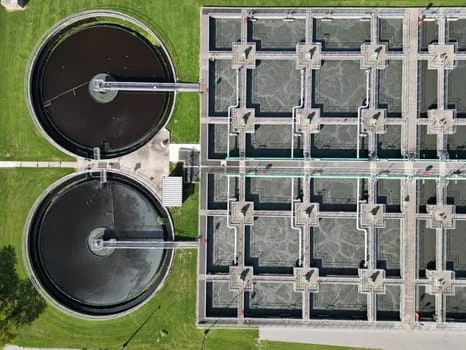
Selecting the appropriate treatment architecture depends on the influent concentration and the desired reuse quality. Most modern fabs are moving toward hybrid models to maximize removal efficiency while minimizing OPEX. Emerging trends for 2025 also include the integration of Anammox (Anaerobic Ammonium Oxidation) processes, which can reduce the need for external carbon sources by up to 60% compared to traditional nitrification-denitrification cycles.
Biological Treatment (Nitrification/Denitrification): This is the industry standard for low-concentration streams (50–500 mg/L). The process utilizes specialized microbial strains, including Nitrosomonas (converting ammonia to nitrite) and Nitrobacter (converting nitrite to nitrate), followed by anoxic denitrification to convert nitrate into nitrogen gas. MBR systems for low-concentration ammonia-nitrogen streams offer removal efficiencies of 90–95% with hydraulic retention times (HRT) of 6 to 24 hours. These systems are highly effective but require careful management of the food-to-microorganism (F/M) ratio to prevent biomass washout during fab production surges.
Membrane Degassing: This process is critical for high-concentration streams (>500 mg/L) where biological toxicity might occur. By raising the pH above 11 using an precise pH adjustment for membrane degassing, ammonium ions (NH4+) are converted into dissolved ammonia gas (NH3). This gas passes through hydrophobic hollow-fiber membranes (pore size 0.05–0.1 μm) and is captured by a sulfuric acid stripping solution to produce ammonium sulfate. This method is particularly favored for its ability to handle fluctuating loads without the "shock" sensitivity associated with living microbes.
Chemical Precipitation: Often used as a polishing step or for specific phosphorus-rich streams, this involves the formation of struvite (magnesium ammonium phosphate). While effective, it is less favored in chip fabs due to high reagent costs and the generation of significant chemical sludge. However, it remains a viable backup for emergency removal during system maintenance or unexpected concentration spikes.
| Method | Ideal Concentration | Removal Efficiency | Pros | Cons |
|---|---|---|---|---|
| Biological (A/O) | 50–500 mg/L | 90–95% | Low OPEX, no hazardous waste | Large footprint, sensitive to toxic spikes |
| Membrane Degassing | >500 mg/L | 95–99% | Resource recovery, small footprint | High chemical use (pH adjustment) |
| Chemical Precipitation | Varied | 80–90% | Simultaneous P removal | High sludge volume, reagent costs |
| Hybrid (Membrane + Bio) | Any | >99% | Highest compliance safety, resource ROI | Higher initial CAPEX |
Engineering Specs for Chip Fab Ammonia-Nitrogen Treatment Systems
Precision engineering is required to handle the volatile chemical nature of semiconductor effluent. Below are the 2025 benchmarks for high-performance systems. Engineers must ensure that pretreatment systems for solids removal are robust, as suspended particles can lead to membrane fouling or microbial inhibition.
Biological Process Parameters (MBR/Activated Sludge)
- Microbial Loading Rate: 0.1–0.3 kg NH4+-N/kg MLSS/day.
- Mixed Liquor Suspended Solids (MLSS): 8,000–12,000 mg/L (for MBR systems).
- Dissolved Oxygen (DO): Aerobic zone 2–4 mg/L; Anoxic zone <0.5 mg/L.
- Carbon-to-Nitrogen (C/N) Ratio: Must be maintained between 4:1 and 6:1 for effective denitrification, often requiring automated dosing of methanol or sodium acetate.
- Sludge Retention Time (SRT): 15–30 days to ensure slow-growing nitrifying bacteria are maintained.
- Operating Temperature: 25–35°C (Nitrification drops by 50% for every 10°C decrease below 25°C).
Membrane Degassing & MVR Specs
For high-strength streams, hollow-fiber membrane contactors made of PVDF or PTFE are utilized. These systems require an operating pressure of 0.5–2 bar and a surface area of 50–500 m² per module. When combined with Mechanical Vapor Recompression (MVR), the system can convert the resulting ammonium sulfate liquid into industrial-grade crystals. MVR systems utilize falling film evaporator designs with 80–90% heat reuse efficiency, consuming approximately 0.5–1.5 kWh/m³ of treated water. Post-treatment often involves RO systems for post-treatment polishing to ensure effluent conductivity remains below 1,000 μS/cm. The use of corrosion-resistant materials like Grade 2 Titanium is essential for MVR heat exchangers due to the acidic nature of the stripping solution.
| Parameter | Biological (MBR) | Membrane Degassing | MVR Evaporator |
|---|---|---|---|
| Pore Size / Material | 0.03–0.1 μm (PVDF) | 0.05–0.1 μm (PTFE) | Falling Film (Titanium/SS) |
| HRT / Retention | 12–24 Hours | Instantaneous (Flow-thru) | 2–4 Hours |
| Energy Use | 0.4–0.8 kWh/m³ | 0.2–0.5 kWh/m³ | 20–40 kWh/ton (evaporation) |
| Product Purity | N/A (Discharge) | 25% (NH4)2SO4 Liquid | 99%+ (NH4)2SO4 Crystal |
Cost Breakdown: CAPEX, OPEX, and ROI for Chip Fab Wastewater Systems
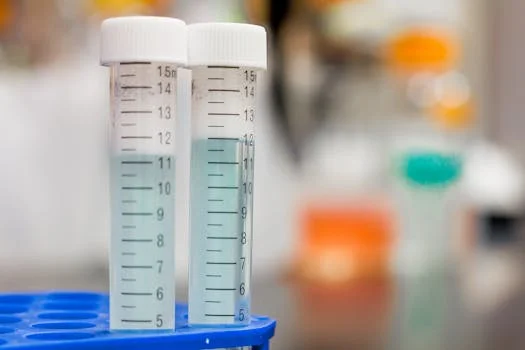
Procurement teams must balance the high CAPEX of advanced systems against the long-term savings of resource recovery and compliance security. According to cost breakdowns for semiconductor wastewater treatment, the following estimates apply to a facility treating 500 m³/day. Choosing modular, skid-mounted units allows fabs to scale their treatment capacity incrementally as production volumes increase, deferring significant upfront CAPEX during the initial fab ramp-up phase.
- CAPEX Estimates:
- Biological Systems: $500,000 – $2,000,000 (Skid-mounted is 20% cheaper than custom civil works).
- Membrane Degassing: $300,000 – $1,500,000.
- MVR Crystallization: $1,000,000 – $3,000,000 (High-grade titanium components).
- OPEX Estimates:
- Biological: $0.10–$0.30/m³ (mostly aeration energy and carbon source addition).
- Membrane: $0.20–$0.50/m³ (primarily pH adjustment chemicals like NaOH and H2SO4).
- MVR: $0.40–$0.80/m³ (electricity for compressor and steam generation).
ROI and Hidden Costs: The payback period for a hybrid system in a 300mm fab is typically 2 to 4 years. This is driven by the elimination of sludge disposal fees ($50–$200/ton) and the sale of recovered ammonium sulfate. Additionally, reducing conductivity in the final effluent allows for higher water reuse rates, lowering raw water procurement costs. Hidden costs often include specialized labor for membrane maintenance and the cost of periodic chemical cleaning agents used to prevent biofouling in the biological reactors.
Compliance Mapping: China GB8978 vs. Global Standards for Ammonia-Nitrogen
Navigating global compliance standards for semiconductor wastewater requires an understanding of both local limits and the testing methodologies employed by regulators. Many facilities are now targeting internal standards that are 20-30% stricter than local regulations to future-proof against upcoming legislative changes and to simplify the permitting process for future fab expansions.
| Region | Standard / Agency | NH3-N Limit (mg/L) | Key Testing Method |
|---|---|---|---|
| China | GB8978 Class I | 15 | Nessler’s Reagent / Spectrophotometry |
| Taiwan | EPA Effluent Standard | 20 | Ion-Selective Electrode (ISE) |
| USA | EPA Clean Water Act | 10–20 (State dependent) | Phenate Method / Automated Analyzers |
| European Union | IED (2024 Revisions) | 10 (BAT-AEL) | Continuous Online Monitoring |
China's GB8978 also mandates strict COD (60–100 mg/L) and pH (6–9) limits, which are often harder to meet when ammonia-nitrogen levels are high, as the nitrification process naturally consumes alkalinity and lowers pH. Most fabs now employ automated online analyzers to provide real-time data to environmental authorities, mirroring TSMC’s "Inspection Management" protocol. This ensures that any deviation in effluent quality is flagged within minutes, allowing for immediate diversion to emergency holding tanks.
TSMC Case Study: How the Ammonia Nitrogen Wastewater Diversion System Saved NT$102M Annually
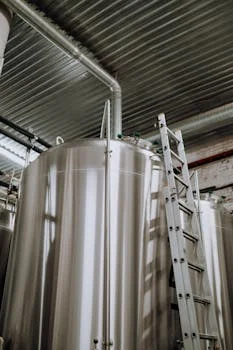
In 2024, TSMC faced a dual challenge: high conductivity in discharged wastewater and excessive chemical reagent consumption at its advanced 5nm and 3nm fabs. The solution was the implementation of a three-stage "Ammonia Nitrogen Wastewater Diversion and Processing Inspection System." The inclusion of advanced AI algorithms for predictive maintenance helped reduce unexpected downtime of the degassing units by 15%, ensuring continuous operation during peak production loads.
"By separating low-concentration streams for biological nitrogen uptake and high-concentration streams for membrane-based recovery, we transformed a waste stream into a secondary raw material." — TSMC Sustainability Report.
The Solution Architecture:
- Precise Diversion: Real-time sensors detect NH3-N spikes. Low-concentration water is sent to the biological plant as a nutrient source for microbes, maintaining biomass health without needing excess urea.
- Inspection Management: An automated audit system prevents cross-contamination between high-concentration TMAH waste and other streams, which could otherwise foul the recovery membranes.
- Resource Regeneration: High-concentration waste passes through degassing membranes. The resulting ammonium sulfate is concentrated via MVR into an industrial-grade product sold to fertilizer and textile manufacturers.
Results: The system achieved a 40% reduction in final effluent conductivity and a 30% reduction in chemical reagent use. The project delivered NT$102 million in annual savings and has since become the internal standard for all new TSMC fab constructions globally, proving that environmental stewardship and operational profitability are not mutually exclusive.
Frequently Asked Questions
What is the most effective way to remove TMAH from semiconductor wastewater?
TMAH is best treated through a two-step process: biological degradation into ammonia-nitrogen using specialized aerobic bacteria, followed by nitrification/denitrification or membrane degassing to remove the resulting nitrogen load. Removal rates typically exceed 99% when these technologies are used in tandem.
How does pH affect ammonia-nitrogen removal in degassing membranes?
Ammonia exists in equilibrium between ammonium ions (NH4+) and ammonia gas (NH3). At a pH of 7, almost 100% is in ion form. To remove it via membrane degassing, the pH must be raised to 11 or higher to convert the ions into gas, allowing them to pass through the hydrophobic membrane pores. Precise control is needed to avoid scaling at these high pH levels.
Can ammonium sulfate recovered from chip fabs be sold?
Yes. When treated with MVR and crystallization, the ammonium sulfate can reach 99%+ purity, meeting industrial-grade standards for use in agriculture (fertilizer) or industrial fermentation processes. This circular economy approach significantly offsets the operational costs of the pH adjustment phase and reduces the fab's overall waste footprint.
What are the typical maintenance requirements for an MBR system in a fab?
Maintenance includes bi-annual chemical clean-in-place (CIP) for the membranes using citric acid or sodium hypochlorite, monthly calibration of DO and pH sensors, and regular monitoring of the Sludge Volume Index (SVI) to prevent filamentous bulking caused by the unique chemical makeup of semiconductor wastewater. Proper aeration is also vital to keep the membranes scoured and free of debris.