A secondary clarifier manufacturer supplies circular or rectangular settlers sized by surface loading 8-12 gpm/ft² and solids loading 24-30 lb/ft²·d, with drives rated 2-10 MN·m torque and 30-year expected life. Expect 2025 CAPEX of $80-120k per 100 m³/h for epoxy-coated steel, plus $12-15k per year OPEX for power and rake maintenance.
What a Secondary Clarifier Manufacturer Actually Builds
A secondary clarifier separates activated sludge floc from treated wastewater, typically reducing suspended solids to <10 mg/L (HydropureWater field data, 2025). Its primary duty is to clarify the effluent from an activated sludge reactor, separating biomass (mixed liquor suspended solids, MLSS) ranging from 1,000-4,500 mg/L and returning a portion as return activated sludge (RAS) to the aeration basin.
Design parameters for these wastewater sedimentation suppliers are critical. Surface loading rates typically range from 8-12 gpm/ft², with Monroe Environmental data often cited as a benchmark. This hydraulic loading dictates the required surface area for effective solids separation. Equally important is the solids loading limit, which should remain below 24-30 lb/ft²·d to prevent sludge blanket carry-over into the effluent, compromising water quality. Exceeding these limits can lead to poor settling and increased effluent turbidity.
Secondary clarifier construction materials vary based on application and budget. Epoxy-coated carbon steel is a common choice, offering a balance of corrosion resistance and cost-effectiveness. For enhanced durability or specific chemical resistances, 304L or 316L stainless steel are utilized, particularly in more aggressive industrial environments. Smaller plants or those requiring modularity may opt for bolted reinforced thermoplastic (RTP) tanks, which provide ease of installation and good chemical resistance. Regardless of material, robust design adhering to industry standards ensures a 30-year expected service life for the tank structure and drive mechanism.
A bridge to the next section: Sizing a secondary clarifier correctly is crucial for optimal performance.
How to Size Your Clarifier in Three Steps
Accurate secondary clarifier sizing begins with determining peak hydraulic and solids loads, directly influencing system stability and effluent quality. Engineers must carefully calculate the required surface area and side-water depth to ensure optimal performance of the activated sludge clarifier under varying flow conditions.
- Step 1: Verify Peak Flow Factor. Determine the peak flow (Q_peak) by applying an appropriate peak flow factor (PF) to the average daily flow (Q_avg). For municipal applications, a PF of 2.0-2.5 is common, while industrial wastewater treatment often uses a more conservative 1.5. This factor accounts for diurnal or process-driven flow variations, ensuring the clarifier can handle maximum hydraulic surges without washout.
- Step 2: Compute Surface Area from Peak Flow. Calculate the minimum required surface area (A) using the peak flow and a selected surface loading rate. A conservative design often uses 8 gpm/ft² (326 L/m²·h) for typical applications, while space-limited sites might push towards 12 gpm/ft² (490 L/m²·h). The formula is: A = Q_peak / Surface_Loading_Rate. For example, a peak flow of 1,000 gpm at 8 gpm/ft² requires 125 ft² of surface area.
- Step 3: Check Solids Load. Confirm that the calculated surface area can adequately handle the incoming solids. The solids loading rate (SLR) is computed as: SLR = (MLSS × Q_avg × 8.34) / A, where MLSS is in mg/L, Q_avg in MGD, and A in ft². The resulting SLR should be kept below 30 lb/ft²·d (146 kg/m²·d) to prevent excessive sludge blanket depth and potential carry-over. If the SLR exceeds this limit, the surface area must be increased.
Beyond surface area, side-wall height is crucial. Design typically includes 0.5 meters (1.6 ft) of freeboard above the operating water level to prevent overflow and splashing, and accounts for a 1.5 meters (5 ft) sludge blanket depth to allow for proper thickening and withdrawal. For systems requiring enhanced settling, considering a polymer dosing package for clarifier inlet can improve flocculation and reduce solids loading on the clarifier.
Vendor Comparison Table: 2025 Performance Data

Secondary clarifier manufacturers are compared based on key performance indicators such as surface loading rates, solids handling capacity, and drive torque ratings against verifiable operational data. This technical evaluation provides project engineers with critical figures for short-listing wastewater sedimentation suppliers.
When assessing a circular secondary clarifier, hydraulic and solids loading capacities dictate the overall size and efficiency. The drive type (central or peripheral) affects torque distribution and maintenance, while scraper speed influences sludge removal effectiveness and minimizes sludge blanket depth. Effluent TSS guarantees are vital for permit compliance. Demonstrating proven scale capability through reference plants ≥5 MLD (Millions of Liters per Day) ensures a vendor can deliver on larger projects. Warranty duration reflects manufacturer confidence in equipment longevity, typically 5-10 years for steel structures and 2-3 years for electromechanical drives.
| Parameter | HydropureWater | Manufacturer B | Manufacturer C |
|---|---|---|---|
| Hydraulic Surface Loading (gpm/ft² @ Q_peak) | 8-10 (municipal), 10-12 (industrial) | 7-9 (municipal), 9-11 (industrial) | 8-11 (municipal), 10-12 (industrial) |
| Solids Loading Limit (lb/ft²·d @ MLSS 3,500 mg/L) | <28 lb/ft²·d | <26 lb/ft²·d | <29 lb/ft²·d |
| Drive Torque Rating (MN·m) | 2.5 - 10 (Central Drive) | 2.0 - 8 (Central Drive) | 3.0 - 12 (Peripheral Drive) |
| Expected Effluent TSS (mg/L) | <8 mg/L (with proper operation) | <10 mg/L | <8 mg/L |
| Drive Type | Central, Shaft-mounted Gear Motor | Central, Chain & Sprocket | Peripheral, Traction Drive |
| Scraper Speed (m/s) | 0.02 - 0.04 | 0.015 - 0.035 | 0.025 - 0.05 |
| Reference Plants (≥5 MLD) | 15+ municipal, 10+ industrial (HydropureWater data, 2025) | 10+ municipal, 5+ industrial | 12+ municipal, 8+ industrial |
| Warranty Duration (Structure / Drive) | 7 years / 3 years | 5 years / 2 years | 10 years / 3 years |
When to Retrofit Your Existing Drive Instead of Buying New
Retrofitting an existing secondary clarifier drive can offer significant capital expenditure savings, typically 30-40% compared to a complete new clarifier installation, provided the underlying tank structure remains sound. This approach is particularly attractive when the existing steel tank, rake mechanism, and influent well show no signs of significant corrosion, structural fatigue, or mechanical damage that would necessitate full replacement.
A key upgrade during a clarifier drive retrofit is the installation of a Variable Frequency Drive (VFD) coupled with a new, high-efficiency gear reducer. This combination can cut energy consumption by 15-25% annually and significantly improve torque control. Enhanced torque control allows for better handling of varying sludge blankets and prevents mechanical stress during peak solids loading events, extending the life of the entire mechanism. Modern VFDs also offer advanced diagnostics and remote monitoring capabilities.
However, retrofits are subject to certain limitations, primarily concerning the existing bridge load capacity. Most existing bridge structures are designed for specific torque ratings, and retrofits are typically limited to drive upgrades with a maximum torque capacity of around ≤75 kN·m. Exceeding this limit often requires substantial structural modifications or even a new center pier, which can quickly erode the cost advantages of a retrofit. Therefore, a thorough structural assessment by a qualified engineer is paramount before committing to a drive upgrade.
Lead time is another critical factor. A complete drive package retrofit typically has a lead time of 8-12 weeks, minimizing downtime for the treatment plant. In contrast, fabricating and installing a complete new clarifier, including civil works, can take 24-28 weeks, or even longer, incurring higher project management costs and potential operational disruptions. When evaluating options, consider the long-term operational benefits and compare them against the cost breakdown for sludge dewatering, which is often a downstream process impacted by clarifier performance.
2025 Price Ranges and Lifetime OPEX
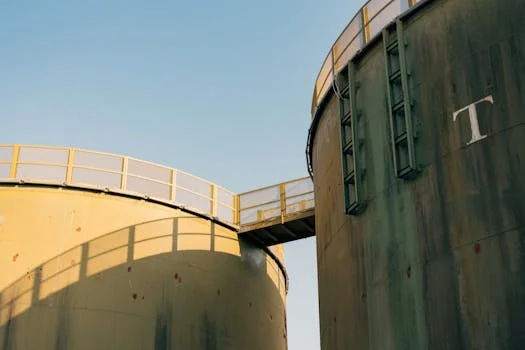
The 2025 capital expenditure for a new circular secondary clarifier manufactured from epoxy-coated steel ranges from $80,000 to $120,000 per 100 m³/h capacity. This pricing typically applies to systems within the 100-500 m³/h flow range and is quoted as FOB (Free On Board) China, excluding shipping and installation. These figures provide a baseline for preliminary budget estimates when engaging with a secondary clarifier manufacturer.
Material selection significantly influences CAPEX. Opting for 304L or 316L stainless steel can add a 25-30% premium due to higher material and fabrication costs, justified by increased corrosion resistance and longevity in specific industrial applications. Conversely, for smaller plants or those with less aggressive influent, bolted Reinforced Thermoplastic (RTP) clarifiers can subtract 10-15% from the epoxy-coated steel price, offering a more economical solution with faster installation times. For high-rate solids separation in compact footprints, a lamella clarifier may offer an alternative, albeit with different cost structures.
Annual Operating Expenses (OPEX) for a secondary clarifier are primarily driven by power consumption and routine maintenance. Power usage for a typical clarifier drive is approximately 1.2 kW per 100 m³/h of flow. At an average electricity cost of $0.10 kWh⁻¹, this translates to an annual power cost of approximately $1,050 per 100 m³/h. Rake replacement, including parts and crane rental, is a significant maintenance event, typically required every 8-10 years, with an estimated cost of $6,000-$8,000.
Frequently Asked Questions
Engineers frequently ask about the operational specifics and design considerations for secondary clarifiers to optimize performance and longevity.
What is a secondary clarifier?
A secondary clarifier is a sedimentation tank in wastewater treatment that separates biological floc (activated sludge) from the treated effluent after the aeration process. Its primary function is to produce a clear supernatant and thicken the settled sludge for return to the aeration basin or further processing. It typically reduces suspended solids to less than 10 mg/L.
What is the typical effluent TSS from a secondary clarifier?
Under optimal operating conditions, a well-designed and properly maintained secondary clarifier typically produces an effluent with Total Suspended Solids (TSS) concentrations of less than 10 mg/L. Achieving this performance depends on factors like hydraulic loading, solids loading, and the settleability of the activated sludge floc.
How does MLSS concentration impact clarifier performance?
Mixed Liquor Suspended Solids (MLSS) concentration directly affects the solids loading rate on the clarifier. Higher MLSS concentrations, while beneficial for biological treatment efficiency, can increase the risk of sludge blanket rise and carry-over if the clarifier's surface area and solids handling capacity are not adequately sized. Maintaining MLSS within design limits is crucial.
What are common issues with secondary clarifiers?
Common