A step screen is a mechanical wastewater pretreatment unit that lifts fine solids (1–12 mm) on overlapping stainless-steel lamellas. Typical channel envelopes reach about 3.2 m depth and 2.3 m width. Reported TSS removal for particles larger than the gap is often 92–97% when a screenings mat forms. Equipment CAPEX commonly falls between $15K–$80K for AISI 304/316 builds. This guide covers step screen selection criteria, costs, capture metrics, and troubleshooting for plant engineers.
How does a step screen work in wastewater treatment?
A step screen removes fine solids with interleaved fixed and moving lamellas. Typical bar spacing is 1–12 mm near 55° inclination. Channel size commonly reaches 3.2 m depth and 2.3 m width. Reported TSS removal for particles larger than the gap often reaches 92–97% with a screenings carpet. Design head loss is usually held near 150–300 mm under normal duty.
Unlike traditional trash rake screens for coarse debris removal, which rely on a single rake arm, the step screen uses continuous relative motion between two lamella sets. Wastewater flows through the gaps while solids lodge on the vertical faces. Accumulated debris forms a “carpet” that acts as a secondary filter and can capture particles smaller than the physical aperture. HydropureWater field data (2025) indicates that carpet filtration can improve TSS removal by up to 15% versus a static bar screen of the same aperture.
Self-cleaning is mechanical. Moving lamellas push screenings upward, so high-pressure sprays or brushes are not required for routine cleaning. Bottom aeration is often added to keep grit suspended and protect bottom bearings from abrasive packing. Lamella thickness is commonly specified at 2–3 mm for rigidity under hydraulic surges. At the discharge lip, a narrow 1 mm gap helps keep wet fines from falling back into the channel.
Manufacturer data for in-channel step screens commonly cites a 55° installation angle with 3 mm or 6 mm clear openings (EQUIPWATER, manufacturer data). Independent design commentary places useful inclination in the 45–60° band for wet-area and rollback control (Andersson Water, manufacturer data).
Step Screen vs. Drum Screen vs. Band Screen: Performance Comparison Table
Pretreatment choice trades filtration fineness, hydraulic capacity, and maintenance load. Step screens suit high-solids municipal and fibrous industrial flows. Coarser duty may still call for a Rotary Mechanical Bar Screen (GX Series) ahead of finer stages, or for bypass protection.
| Technology | TSS Removal (%) | Max Channel Depth (m) | Bar Spacing (mm) | Energy Use (kWh/m³) | CAPEX Range ($) | OPEX ($/year) | Best For |
|---|---|---|---|---|---|---|---|
| Step Screen | 92–97% | 3.2 | 1–12 | 0.02–0.05 | $15K–$80K | $2K–$10K | Municipal & Fibrous Industrial |
| Drum Screen | 85–90% | 2.0 | 0.5–6 | 0.08–0.15 | $25K–$120K | $8K–$18K | High Flow/Low Solids |
| Band Screen | 90–95% | 10.0+ | 2–10 | 0.05–0.10 | $40K–$200K | $5K–$15K | Deep Channels/Power Plants |
| Static Bar Screen | 60–75% | No Limit | 10–50 | 0.00 | $5K–$25K | $10K–$30K* | Coarse Bypass (*Manual Labor) |
Step screens balance capture and odor control for municipal headworks when housings are enclosed. Channel width is a hard constraint: units rarely exceed about 2.3 m because lamellas can deflect under heavy mats. Parallel machines handle peak flow when a single slot is too narrow.
What capture ratio should a 3 mm step screen deliver?
Design screenings capture ratio (SCR) for a 3 mm step screen is typically about 50–56% in UKWIR-style tests. The same summaries place about 35% SCR at 6 mm openings. SCR is not the same metric as TSS removal for particles larger than the gap. Earlier vendor summaries often cite 92–97% TSS removal under carpet-filtration conditions. The UKWIR-linked plant summary places step-screen SCR near 53% at 3 mm and about 35% at 6 mm (Ohio WEA presentation citing UKWIR National Screen Evaluation Facility data).
Manufacturer guidance states that level control holding a precoat mat can raise 3 mm capture toward about 80%. Timer-only control without a stable mat may fall near 40% (Andersson Water, manufacturer data). For specs that ask for a typical design screenings capture ratio on a 3 mm unit, use 50–56% as the conservative UKWIR-style baseline. Require mat-level control if the bid promises higher capture.
Step screen selection for municipal and industrial plants

Step screen selection should follow influent solids character, channel geometry, and downstream sensitivity. High fibrous loads, FOG-rich food waste, and plants that cannot tolerate frequent pump ragging are the usual fits. Where only coarse protection is needed, compare against a GX Series bar screens for coarse solids removal before committing to fine lamella spacing.
Use-Case 1: High Fibrous Content
Municipal systems with aging sewers and pulp-mill wastes carry textiles, hair, and pulp. The stepping action reduces the “stapling” that plugs perforated plates. Fibers ride the steps instead of hooking into round holes that need high-pressure washing.
Use-Case 2: Space and Footprint Constraints
A 55° inclination uses more channel length than a vertical bar rack but less than many inclined drums. When depth approaches 3.2 m and length is limited, the lamella face still presents high filtration area per meter of channel.
Use-Case 3: FOG (Fats, Oils, and Grease)
Grease can blind fine mesh. Lamella shear scrapes FOG off the bars during each stroke. Pairing the screen with an automated chemical dosing system for downstream treatment optimization keeps coagulated grease from overloading primary stages.
Selection checklist:
- Peak and average flow (m³/h) with through-mat velocity near 0.5–1.0 m/s.
- Bar spacing (mm) matched to downstream process needs, often 3 mm ahead of sensitive pumps.
- Channel width and depth (m); plan parallel units above about 2.3 m width.
- Material grade: AISI 304 for most municipal duty; AISI 316 for chloride or acidic industrial effluent.
- Level-control mode that can hold a screenings mat, not timer-only jogging.
- Grit strategy: bottom aeration or upstream grit removal to protect bearings.
- Bypass capacity and maximum allowable head loss (mm) before overflow.
Budgetary Trade-offs:
CAPEX of $15K–$80K exceeds a manual bar rack, yet labor and pump repair savings often produce a positive NPV within about 36 months. More than two pump blockages per month is a practical trigger to move from coarse static screening to a fine step unit.
What does a step screen cost to install and run?
Step screen price depends on channel width, stainless grade, and civil scope. Equipment-only CAPEX of $15,000–$80,000 is typical for AISI 304 versus 316 builds, before installation. Civil and anchoring work often adds $10,000–$40,000 when channels need modification or temporary bypass pumping.
| Cost Category | Estimated Range (USD) | Notes |
|---|---|---|
| Equipment (CAPEX) | $15,000 – $80,000 | Based on AISI 304 vs 316 and channel width. |
| Installation & Civil | $10,000 – $40,000 | Channel modifications, bypass pumping, and anchoring. |
| Annual Energy (OPEX) | $400 – $1,200 | Based on 0.75kW – 2.2kW motors at 80% duty cycle. |
| Annual Maintenance | $1,500 – $4,000 | Includes lubrication, seals, and lamella inspection. |
| Downstream Savings | ($5,000 – $25,000) | Reduced pump repairs and lower sludge disposal fees. |
ROI Calculation Example:
A municipal plant at 500 m³/h once used a coarse bar screen and spent $18,000/year on pump de-ragging plus $7,000/year on centrifuge scroll wear. A 3 mm step screen at $65,000 total investment removed de-ragging events and extended centrifuge intervals by 40%. Annual savings near $25,000 produced a payback of 2.6 years. The same 95% TSS removal case also cut aeration blower energy by about 4% through lower organic load (HydropureWater field data, 2025).
How do you troubleshoot a step screen?
Step screen troubleshooting starts with head loss, mat thickness, and drive load rather than random parts swaps. Design head loss is commonly 150–300 mm. Readings above about 400 mm usually mean an oversized carpet, an undersized unit, or a blocked discharge chute. Ultrasonic level control should raise stepping frequency before overflow.
Common fault patterns and checks:
- High head loss with low step rate: verify level setpoints and sensor calibration in mm of differential.
- Drive overload or seizure at the base: inspect for grit packing; confirm bottom aeration is live.
- Screenings rollback: check inclination (near 55° on many builds) and discharge lip clearance.
- Lamella misalignment: inspect plastic spacers; worn spacers let plates clash and bend.
- Poor capture despite fine gaps: switch from timer mode to mat-holding level control.
Case Study: Step Screen Installation at a Pulp & Paper Mill in Indonesia
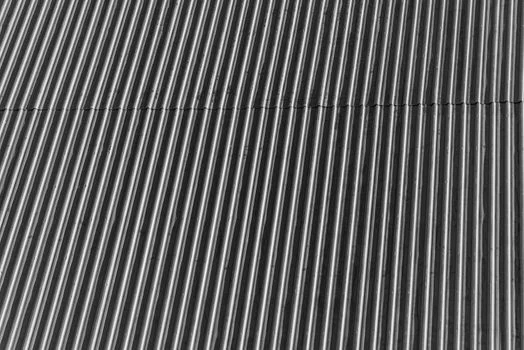
A large pulp and paper mill saw repeated wastewater plant failures from cellulose fiber and plastic in the influent. Static bar screens bypassed nearly 40% of the solids. Primary sludge pumps clogged often, and the plant shut about 4 hours each week for manual cleaning.
The Solution:
Two HydropureWater-specified step screens with 3 mm bar spacing and AISI 316 construction replaced the static racks to resist acidic mill effluent. Bottom aeration kept dense fiber from compacting at the channel floor.
Results and Benchmarks:
Post-installation monitoring showed a consistent 95% TSS removal rate. Primary sludge pumps ran 14 months without a ragging event after weekly maintenance had been routine. Direct maintenance labor fell by about $10,000/year, and captured screenings volume rose about 20% for dewatering and incineration energy recovery. Project ROI arrived in just under 24 months under that high-fiber load.
Who this is for / Who should look elsewhere / Next step
This technology fits municipal headworks and fibrous or FOG-rich industrial channels that need fine capture without spray-water cleaning. Plants with channels deeper than about 10 m, or with MBR feed needing sub-2 mm perforated capture, should evaluate band or perforated stages instead. If you share channel width, peak flow in m³/h, and target bar spacing, HydropureWater can size a step unit against a coarse GX alternative.
Frequently Asked Questions
What is the typical lifespan of a step screen lamella?
AISI 304 lamellas in municipal service with proper grit control typically last 8–12 years. Abrasive industrial duties such as mining or glass recycling may shorten life toward about 5 years. Inspect plastic spacers on a fixed interval because worn spacers cause misalignment, plate clash, and early mechanical failure.
Can step screens handle grease and fat?
Yes. Step screens tolerate FOG better than many drum or band meshes because there is no fine cloth to blind shut. Reciprocating plates scrape grease continuously. High-grease sites still benefit from hot-water wash options or bottom aeration so hydraulic throughput stays near design during cold weather.
How does a step screen compare to a drum screen for TSS removal?
Drum screens can filter finer openings down to about 0.5 mm, yet they blind more readily and need wash water. Step screens commonly deliver 92–97% TSS removal for particles larger than about 1 mm without routine spray water. That water saving matters when plants meter internal reuse and want lower OPEX.
What is the maximum head loss for a step screen?
Standard design keeps head loss near 150–300 mm under normal mat thickness and design flow. Head loss above about 400 mm signals an oversized carpet or flow beyond the rated capacity. Ultrasonic level sensors should raise stepping rate automatically before the channel overflows.
Is AISI 316 necessary, or is AISI 304 sufficient?
AISI 304 is sufficient for most municipal wastewater with moderate chlorides when coatings and welds are sound. Choose AISI 316 when effluent is acidic, warm, or high in chlorides, as in many pulp, food-salt, or coastal plants. Material upgrades raise CAPEX inside the $15K–$80K equipment band but cut corrosion-driven downtime.