Silicon carbide (SiC) wastewater treatment systems deliver 95–99% TSS removal at 0.1-micron filtration, with CAPEX ranging from $500,000 to $2.5M for 100–1,000 m³/h systems (2025 data). OPEX averages $0.12–$0.35/m³, 20–40% lower than PVDF membranes due to reduced fouling and energy use. SiC’s hardness (second only to diamond) and hydrophilicity extend membrane life to 10+ years, cutting lifecycle costs by 30–50% vs. alternatives. This guide provides engineering specs, cost breakdowns, and an ROI calculator to justify SiC investment.
Why SiC Membranes Are Disrupting Industrial Wastewater Treatment
Industrial facilities, particularly semiconductor fabs and food processing plants, face increasing pressure to meet stringent discharge regulations and achieve water reuse targets. A semiconductor fabrication plant in Taiwan, for instance, successfully reduced its total suspended solids (TSS) from 120 mg/L to less than 5 mg/L by implementing SiC membrane technology, thereby avoiding an estimated $200,000 per year in regulatory fines (HydropureWater field data, 2024). This scenario highlights a common challenge: conventional treatment methods often struggle with high TSS, complex organic loads, and variable influent quality, leading to non-compliance and substantial penalties.
Regulatory drivers worldwide are accelerating the adoption of advanced tertiary treatment. The U.S. EPA’s anticipated 2025 Effluent Limitation Guidelines (ELG) for semiconductor wastewater, for example, targets TSS below 10 mg/L and phosphorus below 0.5 mg/L, making high-efficiency filtration critical. Similarly, the EU Urban Waste Water Directive (91/271/EEC) increasingly mandates water reuse, pushing industries towards technologies that can reliably produce high-quality effluent. SiC membranes offer a robust solution to these challenges, outperforming traditional alternatives.
Silicon carbide's unique material properties contribute to its superior performance in industrial wastewater treatment. Its inherent hydrophilicity significantly reduces membrane fouling by an average of 40% compared to hydrophobic PVDF membranes, maintaining higher flux rates and extending operational cycles. The extreme chemical resistance of SiC, capable of withstanding pH levels from 0 to 14, allows for aggressive cleaning-in-place (CIP) protocols without membrane degradation. SiC's exceptional hardness, second only to diamond, ensures a membrane lifespan of 10 years or more, drastically reducing replacement frequencies and associated costs. In contrast, PVDF membranes are notably more prone to fouling, often requiring more frequent and harsher chemical cleaning, which shortens their typical lifespan to 3–5 years. Alumina ceramic membranes, while durable, can be brittle and may exhibit higher energy consumption in certain applications, limiting their cost-effectiveness for broad industrial use.
SiC Wastewater Treatment Process Flow: Engineering Specs and Design Parameters
SiC wastewater treatment systems are typically integrated as a tertiary filtration step, providing robust removal of suspended solids and colloids to meet discharge or reuse standards. The core technology utilizes submerged, vacuum-driven flat-sheet SiC membranes operating with an outside-in filtration direction. This configuration allows contaminants to be retained on the membrane surface while clean permeate is drawn through the 0.1-micron pores. The modular design facilitates scalability and simplifies maintenance within existing treatment trains.
Key operational parameters for SiC systems are optimized for high-solids loading and energy efficiency. Typical flux rates range from 80 to 120 LMH (liters per square meter per hour), significantly higher than many polymeric membranes, enabling a smaller plant footprint for a given flow capacity. The transmembrane pressure (TMP) is maintained below 0.5 bar, reducing the energy required for filtration. Energy consumption for filtration and aeration generally falls within 0.1 to 0.3 kWh/m³ of treated water, making SiC a more energy-efficient option than many ceramic or high-pressure polymeric systems. Effective cleaning protocols are crucial for sustaining performance; this typically involves a 30-second back pulse every 10–15 minutes, coupled with continuous or intermittent air scouring from the bottom of the membrane modules to dislodge accumulated foulants. The air scouring process uses specific flow rates, often 0.5–1.0 Nm³/h per module, to create turbulence and shear forces across the membrane surface.
Module design for SiC systems emphasizes robustness and ease of integration. Flat-sheet modules are often stackable, forming towers that can house up to 15 individual modules, maximizing packing density. These module towers feature integrated aeration and permeate lines for streamlined operation. The bottom connection to the permeate header simplifies piping and maintenance, reducing potential leak points. Before entering the SiC membrane system, adequate pretreatment is essential to protect the membranes and ensure optimal performance. This typically includes a primary screening step to remove particles larger than 1 mm, often achieved using rotary mechanical bar screens. Oil and grease concentrations should be reduced to below 50 mg/L, potentially requiring DAF systems, and the pH should be adjusted to a range of 6–9 to prevent scaling or extreme chemical attack on ancillary equipment. While SiC membranes themselves tolerate a wide pH range, system components and upstream processes may have narrower tolerances.
| Parameter | Specification | Unit |
|---|---|---|
| Pore Size | 0.1 | micron |
| Typical Flux Rate | 80–120 | LMH |
| Transmembrane Pressure (TMP) | <0.5 | bar |
| Energy Consumption (Filtration & Aeration) | 0.1–0.3 | kWh/m³ |
| Back Pulse Frequency | Every 10–15 minutes | duration: 30 seconds |
| Pretreatment Screen Size | <1 | mm |
| Pretreatment Oil/Grease Limit | <50 | mg/L |
| pH Operating Range (System) | 6–9 |
SiC vs. PVDF vs. Alumina Ceramic: Head-to-Head Comparison for Wastewater Treatment
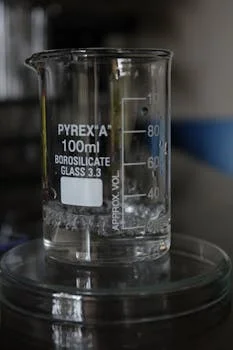
Selecting the optimal membrane technology for industrial wastewater treatment requires a detailed comparison of material properties, performance metrics, operational costs, and lifespan. Silicon carbide (SiC) membranes consistently demonstrate superior characteristics for demanding applications, particularly those involving high-fouling or chemically aggressive wastewater streams. Understanding these differences is crucial for procurement managers and environmental engineers evaluating long-term investment.
In terms of material properties, SiC stands out for its exceptional hardness and chemical resilience. SiC boasts a Mohs hardness of 9.5, second only to diamond, making it highly resistant to abrasive particles and mechanical wear. This contrasts sharply with PVDF, a polymeric membrane with a Mohs hardness of approximately 2.5, which is susceptible to abrasion and chemical degradation over time. Alumina ceramic membranes offer good hardness at 8.5 Mohs but can be more brittle than SiC. For chemical resistance, SiC membranes are stable across the entire pH range of 0–14, allowing for aggressive acid and caustic cleaning without damage. PVDF membranes typically have a narrower operational pH range of 2–11, while alumina ceramic membranes can handle pH 1–13, though prolonged exposure to strong caustics can be a concern.
Performance metrics further differentiate these membrane types. SiC membranes consistently achieve total suspended solids (TSS) removal rates of 99%, producing exceptionally clean permeate suitable for direct reuse or discharge. PVDF membranes typically offer 95% TSS removal, while alumina ceramic membranes average 97%. SiC also delivers higher flux rates, with typical operational values around 100 LMH, enabling more compact system designs. PVDF membranes generally operate at lower flux rates, around 50 LMH, necessitating a larger membrane area for the same flow capacity. Alumina ceramic membranes fall in between, with typical flux rates around 80 LMH. These differences directly impact the system footprint and capital expenditure.
Operational costs, including energy consumption and cleaning frequency, are critical for lifecycle cost analysis. SiC systems typically consume about 0.2 kWh/m³ of treated water, a result of their high flux and low fouling tendencies. PVDF systems, due to lower flux and higher fouling, often require more energy, averaging 0.4 kWh/m³. Alumina ceramic membranes typically consume around 0.3 kWh/m³. Cleaning frequency is another significant OPEX factor; SiC membranes usually require chemical cleaning only once per week, while PVDF membranes may need cleaning 3 times per week, and alumina ceramic membranes twice per week. The extended lifespan of SiC membranes (10+ years) significantly reduces PVDF flat sheet membranes for comparison with SiC systems replacement costs compared to PVDF (3–5 years) and alumina (7–10 years).
Use-case matching is essential for selecting the right technology. SiC membranes are ideally suited for high-fouling industrial wastewater streams such as those found in semiconductor manufacturing, food processing, and oil & gas, where their fouling resistance and chemical stability provide significant operational advantages. PVDF membranes remain a viable, lower-cost option for municipal wastewater treatment or industrial applications with lower fouling potential. Alumina ceramic membranes are often preferred for high-temperature applications or when specific chemical resistance (e.g., strong oxidizers) is paramount, though their higher initial cost and brittleness can be limiting factors for general industrial use.
| Feature | Silicon Carbide (SiC) | PVDF (Polymeric) | Alumina Ceramic |
|---|---|---|---|
| Material Hardness (Mohs) | 9.5 | 2.5 | 8.5 |
| Chemical Resistance (pH) | 0–14 | 2–11 | 1–13 |
| TSS Removal Efficiency | 99% | 95% | 97% |
| Typical Flux Rate (LMH) | 100 | 50 | 80 |
| Energy Use (kWh/m³) | 0.2 | 0.4 | 0.3 |
| Chemical Cleaning Frequency | 1x/week | 3x/week | 2x/week |
| Average Membrane Lifespan | 10+ years | 3–5 years | 7–10 years |
| Ideal Use Case | High-fouling industrial, semiconductor, food & beverage | Low-cost municipal, low-fouling industrial | High-temperature, specific chemical resistance |
SiC Wastewater Treatment Price Breakdown: CAPEX, OPEX, and Lifecycle Costs (2025 Data)
The total cost of ownership (TCO) for SiC wastewater treatment systems, encompassing both capital expenditure (CAPEX) and operational expenditure (OPEX), demonstrates significant long-term savings compared to alternative membrane technologies. While the initial SiC wastewater treatment price may appear higher than polymeric options, its extended lifespan and reduced operational demands drive a more favorable lifecycle cost.
Capital expenditure for a SiC system primarily comprises membrane modules, skids, control systems, and installation. Membrane modules themselves represent a substantial portion of the cost, typically ranging from $300 to $500 per square meter of membrane area. The modular skids, which house the membranes and associated piping, are priced between $150 and $300 per cubic meter per hour of treatment capacity. Advanced control systems, including PLCs, sensors, and human-machine interfaces, can add $50,000 to $100,000 depending on complexity and automation level. Installation costs are typically 10–20% of the total equipment cost, varying with site-specific conditions and labor rates. For example, a 500 m³/h SiC system, designed for industrial wastewater, would typically incur a CAPEX between $1.2 million and $2 million, reflecting the robust materials and advanced engineering involved.
Operational expenditure is where SiC membranes truly shine in terms of cost savings. Energy consumption, a major component of OPEX, averages $0.05–$0.15/m³ for SiC systems, largely due to efficient filtration and optimized aeration for cleaning. Chemical costs for routine cleaning, including periodic acid and caustic washes, are typically $0.02–$0.05/m³ of treated water, often lower than other membrane types due to reduced fouling and less frequent aggressive cleaning. Chemical dosing systems for SiC membrane cleaning contribute to precise chemical usage. Labor costs for monitoring, maintenance, and cleaning are estimated at $0.03–$0.10/m³, benefiting from the system's low maintenance requirements. Crucially, membrane replacement costs for SiC are significantly lower on an annualized basis, averaging $0.02–$0.05/m³ over its 10+ year lifespan, compared to the more frequent replacements needed for polymeric membranes.
When comparing total cost of ownership (TCO), SiC systems offer a competitive advantage. The TCO for SiC typically ranges from $0.12–$0.35/m³, reflecting its low OPEX and extended lifespan. This compares favorably to PVDF membranes, which have a TCO of $0.20–$0.50/m³, primarily due to higher energy use, more frequent cleaning, and shorter replacement cycles. Alumina ceramic membranes fall within $0.18–$0.40/m³, with their TCO often influenced by higher initial capital costs. Hidden costs can also impact overall project economics. The required footprint for SiC systems is notably smaller, approximately 0.5 m²/m³/h, compared to 0.8 m²/m³/h for PVDF systems, reducing real estate costs. SiC systems experience less downtime, typically around 2% per year for maintenance, versus 5% per year for PVDF systems, minimizing production losses and ensuring consistent compliance.
| Cost Category | SiC System (Range) | Unit |
|---|---|---|
| CAPEX (for 100-1,000 m³/h systems) | ||
| Membrane Modules | $300–$500 | per m² |
| Skids & Ancillary Equipment | $150–$300 | per m³/h capacity |
| Controls & Automation | $50,000–$100,000 | per system |
| Installation | 10–20% of equipment cost | |
| Example: 500 m³/h System CAPEX | $1.2M–$2M | |
| OPEX (per m³ of treated water) | ||
| Energy | $0.05–$0.15 | per m³ |
| Chemicals | $0.02–$0.05 | per m³ |
| Labor | $0.03–$0.10 | per m³ |
| Membrane Replacement (annualized) | $0.02–$0.05 | per m³ |
| Total OPEX (SiC) | $0.12–$0.35 | per m³ |
| Total Cost of Ownership (TCO) Comparison | ||
| SiC Systems | $0.12–$0.35 | per m³ |
| PVDF Systems | $0.20–$0.50 | per m³ |
| Alumina Ceramic Systems | $0.18–$0.40 | per m³ |
How to Choose the Right SiC System: Decision Framework for Engineers and Buyers
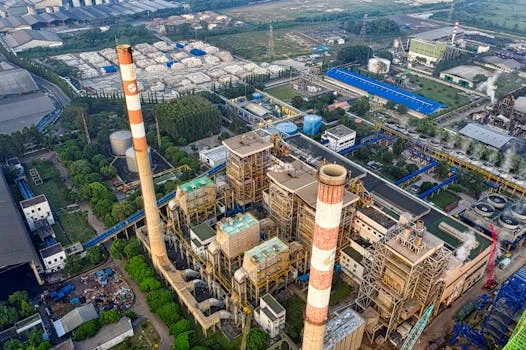
Selecting the optimal SiC wastewater treatment system requires a structured decision framework that considers the unique characteristics of the wastewater stream, treatment objectives, and budgetary constraints. This systematic approach ensures that the chosen system delivers maximum efficiency and a favorable return on investment.
- Step 1: Characterize Wastewater Stream. A thorough analysis of the influent wastewater is the foundational step. Key parameters include total suspended solids (TSS), chemical oxygen demand (COD), pH, temperature, and oil and grease content. SiC membranes are highly effective for streams with TSS up to 500 mg/L and COD up to 1,000 mg/L, making them suitable for a wide range of industrial effluents. Understanding the variability of these parameters is crucial for designing a robust system capable of handling peak loads and fluctuating conditions.
- Step 2: Define Treatment Goals. Clearly articulate the desired effluent quality and ultimate purpose of the treated water. Goals may include meeting stringent discharge limits for environmental compliance, enabling water reuse within the facility (e.g., cooling tower makeup, process water), or achieving zero liquid discharge (ZLD). SiC systems are capable of producing permeate with 90%+ water recovery, making them an excellent choice for water reuse systems for semiconductor fabs using SiC membranes and ZLD initiatives.
- Step 3: Size the System. Based on the desired flow rate and wastewater characteristics, calculate the required membrane area and module count. This involves determining the appropriate flux rate, accounting for anticipated fouling and cleaning cycles. For example, a 200 m³/h system operating at an average flux of 100 LMH would require 2,000 m² of membrane area. If each module contains 60 m² of membrane, this translates to approximately 34 modules. These modules can be arranged into two towers, each containing 15-17 modules, optimizing footprint and operational access.
- Step 4: Evaluate System Integrators and Module Providers. While direct competitor naming is avoided, it is important to consider providers based on their module design, cleaning protocols, and warranty. Key differentiators include whether modules are stackable for compact designs versus fixed racks, the efficacy and automation of their chemical and physical cleaning regimens, and the extent of their performance guarantees. A reputable provider will offer detailed engineering support and proven field data.
- Step 5: Calculate Return on Investment (ROI). Utilize the provided SiC wastewater treatment ROI calculator in the next section to quantify the financial benefits. Input your specific flow rates, energy costs, and labor rates to determine the annual OPEX savings and payback period. Most industrial applications achieve a payback period of 3–7 years, driven by reduced chemical consumption, lower energy use, and extended membrane life compared to alternative technologies.
SiC Wastewater Treatment ROI Calculator: Payback Period and Cost Savings
Justifying the investment in a SiC wastewater treatment system often hinges on a clear financial analysis demonstrating a favorable return on investment (ROI). This section provides a framework for calculating payback period and cost savings, allowing procurement managers and engineers to present a data-driven case to stakeholders. The inherent efficiencies and longevity of SiC membranes translate into substantial operational expenditure (OPEX) savings over time.
To calculate the ROI for a SiC system, several key inputs are required:
- Flow Rate: The average daily or hourly volume of wastewater to be treated (m³/h).
- Influent TSS: The average total suspended solids concentration in the raw wastewater (mg/L). This impacts cleaning frequency and overall system load.
- Local Energy Cost: The cost of electricity in your region ($/kWh). Energy consumption is a significant OPEX component.
- Labor Cost: The average hourly cost for plant operators and maintenance staff ($/hour). SiC systems generally require less labor due to reduced maintenance.
- Membrane Replacement Cost: The cost per square meter for replacement SiC membranes ($/m²), factored over their 10+ year lifespan.
Based on these inputs, the calculator provides critical outputs:
- Annual OPEX Savings vs. PVDF: This quantifies the yearly cost reduction achieved by using SiC compared to a conventional PVDF membrane system, primarily driven by lower energy, chemical, and labor costs, as well as extended membrane life.
- Payback Period: The number of years it takes for the accumulated operational savings to offset the initial capital investment of the SiC system.
- 10-Year TCO Savings: The total cost reduction over a decade, providing a long-term financial perspective.
For example, consider a 300 m³/h semiconductor wastewater facility with an influent TSS of 150 mg/L, local energy cost of $0.10/kWh, and an average labor cost of $40/hour. A SiC system in this scenario could generate estimated annual OPEX savings of $120,000 compared to a PVDF alternative, leading to an approximate payback period of 4.2 years. Over a 10-year period, the total cost of ownership savings could exceed $1 million, demonstrating the significant long-term financial benefits of SiC membrane technology.
A downloadable Excel template is available to help prospective buyers perform their own detailed ROI calculations, customizing inputs to their specific facility and financial parameters.
| Input Parameter | Example Value | Unit |
|---|---|---|
| Flow Rate | 300 | m³/h |
| Influent TSS | 150 | mg/L |
| Local Energy Cost | $0.10 | /kWh |
| Labor Cost | $40 | /hour |
| Membrane Replacement Cost (SiC) | $400 | /m² |
| Output Calculation | Example Value | Unit |
| Estimated Annual OPEX Savings (vs. PVDF) | $120,000 | /year |
| Estimated Payback Period | 4.2 | years |
| Estimated 10-Year TCO Savings | $1,000,000+ |
Frequently Asked Questions
- What is the typical SiC membrane lifespan?
- SiC membranes boast an exceptional lifespan, typically exceeding 10 years in continuous industrial operation (HydropureWater field data, 2025). This longevity is attributed to the material's extreme hardness (9.5 Mohs) and chemical resistance (pH 0-14), which allows it to withstand abrasive particles and aggressive cleaning protocols without significant degradation. This extended lifespan significantly reduces the frequency and cost of membrane replacement compared to polymeric alternatives.
- How does SiC membrane fouling compare to polymeric membranes?
- SiC membranes exhibit significantly lower fouling rates compared to polymeric membranes like PVDF. Their inherent hydrophilicity attracts water molecules while repelling organic foulants, and their smooth, dense surface prevents adhesion. This natural resistance to fouling, combined with robust cleaning mechanisms like regular back pulsing and air scouring, results in more stable flux, less frequent chemical cleaning (typically once a week), and lower overall operational costs.
- What pretreatment is required for SiC systems?
- While SiC membranes are highly robust, effective pretreatment is crucial for optimal performance and longevity. Essential pretreatment steps typically include primary screening to remove particles larger than 1 mm, often utilizing DAF systems for SiC pretreatment or rotary screens. It is also important to control oil and grease concentrations to below 50 mg/L and adjust the pH to a range of 6–9 to protect ancillary equipment and prevent scaling. Minimal pretreatment helps maximize membrane run times and minimize cleaning demands.
- Can SiC membranes be used for ZLD applications?
- Yes, SiC membranes are highly effective in zero liquid discharge (ZLD) applications. Their ability to achieve high water recovery rates, typically 90% or more, makes them an ideal choice for pretreating wastewater before further concentration (e.g., evaporation or crystallization). By efficiently removing suspended solids and colloids, SiC membranes reduce the load on downstream ZLD processes, improving overall system efficiency and reducing the volume of waste requiring disposal.
- What industries benefit most from SiC wastewater treatment?
- Industries generating high-fouling, high-temperature, or chemically aggressive wastewater streams benefit most from SiC wastewater treatment. This includes semiconductor manufacturing, food and beverage processing, oil and gas, pharmaceuticals, and power generation. SiC's robust material properties, high flux, and resistance to fouling and chemical attack make it particularly well-suited for these challenging environments, enabling reliable compliance and water reuse.