Hospitals in Warsaw must treat wastewater to meet EU Urban Waste Water Directive 91/271/EEC and Polish regulations, requiring <100 CFU/100 mL fecal coliforms and 99.9% pathogen removal. Compact systems like MBR (membrane bioreactors) or chlorine dioxide generators achieve compliance in footprints as small as 0.5 m², with CAPEX ranging from €20,000–€150,000 depending on flow rate (1–50 m³/day). This guide provides 2025 engineering specs, cost breakdowns, and a decision framework for Warsaw hospitals.
Why Warsaw Hospitals Need Specialized Wastewater Treatment
The Polish Water Law Act (2001) and the Regulation of the Minister of Maritime Economy and Inland Navigation mandate that hospital wastewater must achieve 99.9% pathogen removal before discharge into municipal systems or surface waters. Unlike standard residential sewage, medical effluent is a concentrated stream of bioactive compounds. Warsaw’s municipal infrastructure, specifically the Czajka Wastewater Treatment Plant, is designed for biological nutrient removal but is not equipped to neutralize the specific pharmaceutical loads generated by the city's 40+ major hospitals. Failure to pre-treat this effluent results in the release of multi-drug-resistant bacteria and endocrine disruptors into the Vistula River basin.
Hospital wastewater contains 10–100x higher concentrations of antibiotics, hormones, and viruses than municipal sewage, according to a 2024 European Environment Agency (EEA) report. In Warsaw, the presence of SARS-CoV-2 RNA and high titers of Staphylococcus aureus in untreated hospital outfalls have prompted stricter enforcement by the Masovian Voivodeship Inspectorate for Environmental Protection (WIOŚ). Non-compliance is no longer a minor administrative hurdle; violations of fecal coliform limits can result in fines up to PLN 1M (€220,000) or immediate facility shutdowns to prevent public health crises.
Recent enforcement actions highlight the financial and operational risks for healthcare providers in the Masovian region. In 2023, a major Warsaw hospital was fined after routine sampling detected E. coli levels exceeding 10,000 CFU/100 mL, a direct violation of the <100 CFU threshold. Conversely, proactive upgrades have shown significant ROI. A hospital in Kraków recently retrofitted its basement-level utility room with a compact MBR system to avoid closure due to aging septic infrastructure. Similarly, a specialized clinic in Poznań integrated a compact chlorine dioxide system for hospitals, which reduced their chemical disposal costs by 40% while maintaining 99.99% viral inactivation rates.
For facility managers, the urgency is driven by the 2025 update to the EU Urban Waste Water Treatment Directive, which introduces "Extended Producer Responsibility" for pharmaceuticals. This means hospitals will increasingly be held accountable for the "micro-pollutants" they contribute to the city's sewers, making specialized on-site treatment an engineering necessity rather than a secondary utility.
Warsaw’s Hospital Wastewater Compliance Standards: EU vs. Polish Regulations
Discharge limits in Warsaw are governed by a dual-regulatory framework where Polish national standards often impose stricter phosphorus and heavy metal limits than the baseline EU Urban Waste Water Directive 91/271/EEC. While the EU directive focuses on broad biological oxygen demand (BOD) and chemical oxygen demand (COD) reductions, the Polish Water Law Act (2001) adds specific layers for "special-purpose" facilities, including hospitals and diagnostic laboratories. This is particularly critical for hospitals located near the Vistula, where environmental protection zones require enhanced nutrient removal.
| Parameter | EU Directive 91/271/EEC | Polish Water Law (2001) | WHO Guidelines |
|---|---|---|---|
| BOD₅ (mg/L) | < 25 | < 25 | < 20 |
| COD (mg/L) | < 125 | < 125 | < 100 |
| Fecal Coliforms (CFU/100 mL) | N/A (Secondary) | < 100 | < 100 |
| Total Phosphorus (mg/L) | < 1.0 - 2.0 | < 0.5 (Vistula Basin) | N/A |
| Pharmaceutical Residues | Monitoring Required | < 1 μg/L (Target) | Risk-based limits |
| Heavy Metals (Hg, Pb) | Varies by metal | < 0.1 mg/L combined | < 0.01 mg/L (Hg) |
Polish regulations also mandate rigorous monitoring schedules. According to 2024 GIOŚ (Chief Inspectorate for Environmental Protection) guidelines, Warsaw hospitals must perform daily sampling for fecal coliforms and quarterly screening for high-priority pharmaceutical residues, such as carbamazepine and diclofenac. These residues are notoriously resistant to conventional treatment and require advanced oxidation or membrane filtration to reach compliance levels.
Compliance pathways vary based on hospital size. Facilities with fewer than 50 beds may qualify for simplified treatment systems, provided they do not operate specialized oncology or infectious disease wards. However, large university hospitals in Warsaw with over 200 beds are classified as industrial-scale emitters. These facilities must implement multi-stage treatment to handle flow rates that often exceed 50 m³/day, ensuring that even during peak morning hours, the effluent quality does not deviate from the permitted parameters.
Hospital Wastewater Treatment Technologies: Engineering Specs and Removal Rates
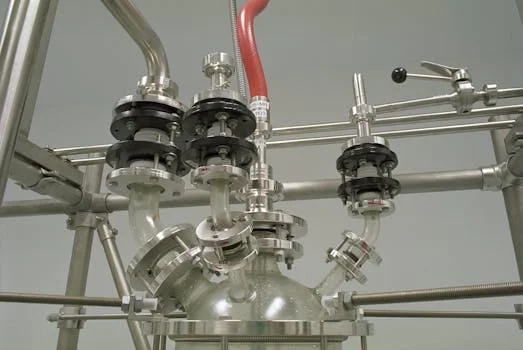
Membrane Bioreactor (MBR) technology achieves a 4-log reduction (99.99%) in bacterial loads and up to 95% degradation of recalcitrant pharmaceutical residues like carbamazepine. For Warsaw hospitals facing space constraints, MBR is often the preferred solution because it combines biological treatment and high-efficiency filtration into a single, compact footprint. By utilizing an MBR system for pharmaceutical degradation, engineers can eliminate the need for secondary clarifiers, saving up to 60% of the space required by conventional activated sludge plants.
| Technology | Pathogen Removal (%) | Pharma Degradation | Footprint (m²) | CAPEX (€) | Compliance Suitability |
|---|---|---|---|---|---|
| MBR | 99.99% | High (95%) | 2.0 – 5.0 | €80k – €150k | Best for Pharma/BOD |
| Chlorine Dioxide | 99.9% | Moderate | < 0.5 | €20k – €50k | Best for Viruses/Space |
| Ozone (O₃) | 99.9% | Very High (99%) | 1.5 – 3.0 | €100k+ | Best for Antibiotics |
| UV Irradiation | 99.9% | Low | 1.0 – 2.0 | €30k – €60k | Best for Bacteria |
Chlorine Dioxide (ClO₂) generators offer a highly effective alternative for viral inactivation, particularly for norovirus and SARS-CoV-2. Unlike liquid chlorine, ClO₂ does not produce harmful trihalomethanes (THMs) when reacting with organic matter, which is a critical factor for meeting Polish environmental safety standards. A chlorine dioxide disinfection for medical wastewater setup can be installed in a footprint as small as 0.5 m², making it ideal for retrofitting older hospitals in Warsaw's city center where expansion is physically impossible.
Ozone treatment is the gold standard for removing complex antibiotics like ciprofloxacin, which are frequently found in Warsaw's clinical effluent. While ozone offers 99% degradation of these compounds, it carries a higher operational cost due to energy requirements of 0.5–1 kWh/m³. UV systems are effective for basic bacterial disinfection but fail to address the chemical complexity of hospital waste; they also require intensive pre-filtration to prevent "shadowing" effects where pathogens hide behind suspended solids. For most Warsaw facilities, a hybrid approach—such as MBR followed by ClO₂ or UV—is the most robust path to 2025 compliance.
Cost Breakdown for Hospital Wastewater Systems in Warsaw: CAPEX, OPEX, and ROI
Initial capital expenditure (CAPEX) for a 50 m³/day hospital wastewater treatment plant in Warsaw typically ranges from €80,000 to €150,000, excluding local permitting and civil works. These costs are influenced by the degree of automation required and the specific contaminant profile of the hospital. For instance, an oncology center will require more advanced oxidation stages than a standard orthopedic clinic, driving up the initial investment but significantly reducing the risk of environmental fines.
| System Capacity | Estimated CAPEX (€) | OPEX (€/m³) | Permitting/Labor (PLN) |
|---|---|---|---|
| 1 m³/day (Clinic) | €20,000 – €35,000 | €0.60 – €0.90 | PLN 20,000 – 40,000 |
| 10 m³/day (Mid-size) | €45,000 – €75,000 | €0.40 – €0.65 | PLN 50,000 – 80,000 |
| 50 m³/day (Large) | €80,000 – €150,000 | €0.25 – €0.50 | PLN 100,000 – 200,000 |
Operating expenses (OPEX) in Warsaw are primarily driven by energy costs and chemical consumables. For a chlorine dioxide system, chemical dosing typically costs between PLN 150 and PLN 300 per m³ of treated effluent. Labor costs for maintenance are relatively low for automated systems, requiring approximately 5–10 hours of technician time per month. Permitting fees are a significant local factor; the 2024 GIOŚ fee schedule for water-law permits and environmental impact assessments can range from PLN 50,000 to PLN 200,000 depending on the facility's proximity to protected areas like the Vistula.
The Return on Investment (ROI) for these systems is often realized through the avoidance of penalties. Consider a 200-bed hospital in Warsaw that currently pays "excessive discharge" fees or faces potential fines of €50,000 per year. By installing a €100,000 MBR system, the facility achieves a 2-year payback period solely through fine mitigation, not including the long-term benefit of reduced municipal sewer surcharges. Warsaw hospitals can leverage the EU Cohesion Fund, which offers grants covering up to 80% of environmental protection costs for smaller facilities, or low-interest loans (2% APR) from the Polish National Fund for Environmental Protection.
Step-by-Step Equipment Selection Checklist for Warsaw Hospitals
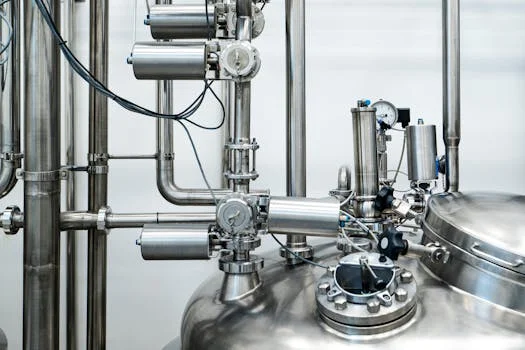
Selecting a wastewater treatment system for urban Warsaw hospitals requires a site-specific evaluation of peak hydraulic loads, which can fluctuate by 300% during clinical disinfection cycles. A system that works for hospital wastewater compliance in other regions may need modification to meet the specific phosphorus and temperature constraints of the Masovian climate. Engineers should follow a structured decision-making process to ensure long-term operational stability.
The 5-Step Decision Framework:
- Hydraulic Load Mapping: Measure actual daily flow and peak hourly flow. Do not rely on average estimates, as hospital surges occur during morning rounds and cleaning shifts.
- Contaminant Profiling: Test for specific "marker" pollutants such as glutaraldehyde (from sterilization), radioactive isotopes (from imaging), and high-load antibiotics.
- Spatial Constraint Audit: Identify available installation zones. If space is <5 m², focus on high-intensity chemical oxidation.
- Lifecycle Cost Analysis: Compare the 10-year total cost of ownership (CAPEX + OPEX) between MBR, Ozone, and Chlorine Dioxide.
- Regulatory Pre-Validation: Consult with the local Warsaw WIOŚ office to ensure the proposed technology meets the specific discharge limits for your sewer catchment area.
Vendor Evaluation Checklist:
- Does the system provide 99.9% pathogen removal for norovirus and antibiotic-resistant bacteria?
- Is the equipment certified under Polish "CE" and environmental safety standards?
- Can the system handle a 10x peak flow during emergency clinical events?
- What is the documented membrane life for MBR or the electrode life for ClO₂ generators?
- Are local service technicians available in the Masovian Voivodeship for 24-hour response?
- Does the vendor offer a pilot testing program (e.g., a 1 m³/day mobile unit) to validate performance?
- Is the control interface compatible with the hospital’s existing Building Management System (BMS)?
- What are the specific storage requirements for chemical precursors (e.g., sodium chlorite)?
- Does the system include automated sludge dewatering or removal mechanisms?
- Can the system be upgraded if EU pharmaceutical limits become stricter in 2026?
For hospitals in dense urban areas like Wola or Śródmieście, compact systems like the compact chlorine dioxide system for hospitals are often the only viable choice. These units can be modularized and installed in existing basements, avoiding the need for expensive new construction while ensuring the facility remains fully compliant with the Polish Water Law Act.
Frequently Asked Questions
Q: What are the fines for non-compliance with hospital wastewater regulations in Warsaw?
A: Fines range from PLN 10,000 to PLN 1M (€2,200–€220,000) depending on the severity and frequency of the violation. Repeat offenders risk facility shutdowns by the Environmental Protection Inspectorate (WIOŚ).
Q: Can small clinics (<20 beds) use septic tanks instead of treatment systems?
A: No. Under the Polish Water Law Act of 2001, all healthcare facilities are required to treat medical effluent on-site or connect to a municipal sewer with a pre-treatment agreement. Septic tanks are prohibited for medical waste due to the risk of groundwater contamination.
Q: How often should hospital wastewater systems be serviced?
A: MBR systems typically require monthly membrane cleaning and quarterly sludge removal. Chlorine dioxide systems require weekly chemical refills and annual sensor calibration to ensure dosing accuracy.
Q: Are there grants available for Warsaw hospitals to upgrade their systems?
A: Yes. The EU Cohesion Fund and the Polish National Fund for Environmental Protection (NFOŚiGW) provide grants and low-interest loans covering up to 80% of project costs for modernization.
Q: What is the best technology for removing antibiotics from hospital effluent?
A: MBR systems achieve 95% degradation for most pharmaceuticals, but ozone treatment is superior for specific antibiotics like ciprofloxacin, reaching removal rates of 99%.